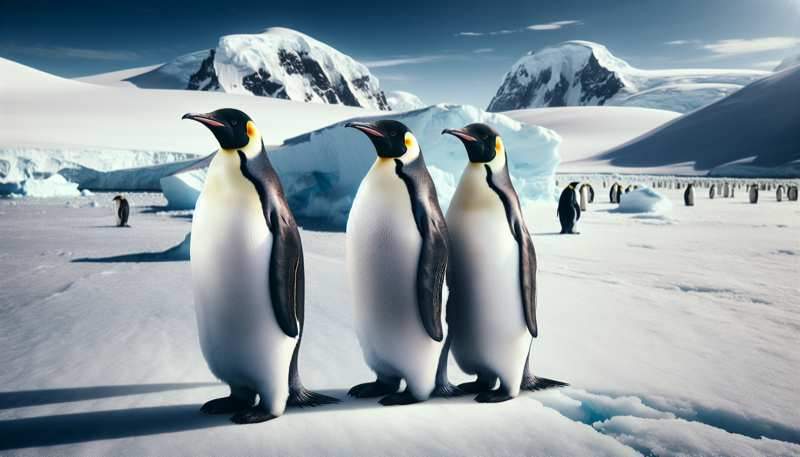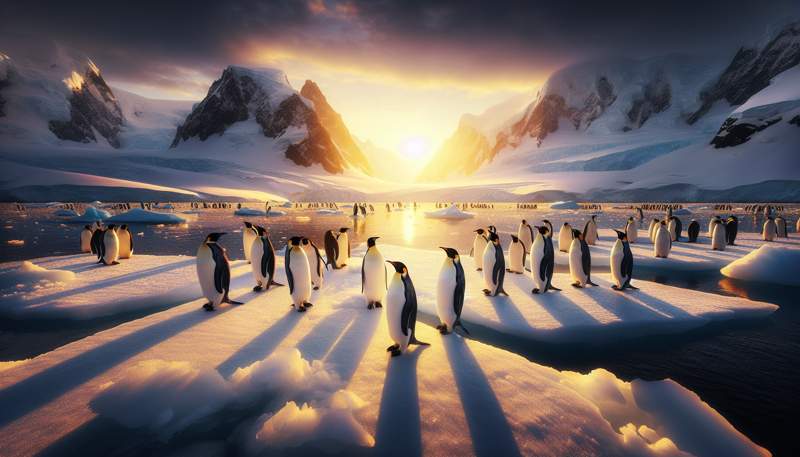
Planning an Antarctica penguin expedition in 2026 represents one of the most extraordinary wildlife adventures available to travelers today. As we're currently in March—the tail end of Antarctica's summer season—now is the perfect time to start planning your next year's journey to witness these remarkable birds in their pristine polar habitat. From emperor penguins raising their chicks on sea ice to vast colonies of Adélie penguins dotting rocky shores, Antarctica offers unparalleled penguin viewing opportunities that will create memories to last a lifetime.
Understanding Antarctica's Penguin Species and Best Viewing Times
Antarctica hosts four primary penguin species, each with distinct behaviors and optimal viewing seasons. Emperor penguins, the largest of all penguin species, breed during the harsh Antarctic winter, making them visible during the summer months (November through March) when they're feeding their chicks. Adélie penguins arrive at their breeding colonies in October and remain through February, offering excellent viewing opportunities throughout the summer season.
Chinstrap penguins and Gentoo penguins also grace Antarctic waters, particularly around the Antarctic Peninsula. Chinstraps are most active from November to March, while Gentoos can be spotted year-round in ice-free areas. The peak penguin viewing season runs from December through February, when colonies are most active with breeding, feeding, and chick-rearing activities.
For those planning ahead, the 2026-2027 Antarctic season will offer exceptional opportunities, as penguin populations continue to thrive in protected areas. Early season expeditions (November-December) provide witnessing courtship behaviors, while late season trips (February-March) offer chances to see penguin chicks taking their first swims.
Choosing the Right Antarctic Expedition for Penguin Viewing
Antarctic expeditions vary significantly in duration, route, and penguin viewing opportunities. Antarctic Peninsula expeditions (10-12 days) focus on the most accessible penguin colonies and typically cost $8,000-$15,000 per person. These trips visit iconic locations like Port Lockroy, Petermann Island, and Lemaire Channel, where penguin encounters are virtually guaranteed.
Weddell Sea expeditions (11-13 days) specifically target emperor penguin colonies and range from $12,000-$20,000. These journeys require icebreaker vessels and offer the rare opportunity to see emperor penguins on sea ice—an experience available nowhere else on Earth. Find wildlife experiences on GetYourGuide to compare various polar expedition options.
Ross Sea expeditions (23-32 days) provide the most comprehensive penguin viewing, including massive Adélie colonies at Cape Adare and Cape Royds. These epic journeys cost $25,000-$45,000 but offer unmatched wildlife diversity and historical site visits.
Expedition Vessel Types and Penguin Access
Smaller expedition vessels (50-100 passengers) provide more frequent landings and closer penguin encounters, while larger ships (100-200 passengers) offer more amenities but fewer landing opportunities. Ice-class vessels are essential for emperor penguin expeditions, as they can navigate through pack ice to reach remote colonies.
Zodiac landings are the primary method for reaching penguin colonies, and expedition leaders ensure minimal impact on wildlife through strict IAATO (International Association of Antarctica Tour Operators) guidelines. Most expeditions include professional naturalists and penguin specialists who enhance the experience with expert knowledge.
Essential Gear and Photography Equipment for Penguin Expeditions
Proper gear is crucial for comfort and safety during penguin viewing expeditions. Layered clothing systems work best, starting with moisture-wicking base layers, insulating mid-layers, and waterproof outer shells. Most expedition operators provide waterproof boots and parkas, but personal items like gloves, hats, and warm socks are essential.
Photography equipment requires special consideration for Antarctic conditions. Camera protection from moisture and cold is paramount—bring extra batteries (cold drains them quickly) and waterproof cases. Telephoto lenses (70-200mm or longer) allow spectacular penguin photos while maintaining required distances. Check prices on Amazon for Antarctic photography gear and cold-weather accessories.
Binoculars (8x42 or 10x42) enhance penguin viewing experiences, allowing detailed observation of behaviors without disturbing colonies. Waterproof models are essential, as spray from Zodiac landings is common. Many photographers also bring action cameras for unique perspectives during landings.
Specialized Penguin Observation Equipment
Serious penguin enthusiasts should consider bringing field guides specific to Antarctic wildlife, waterproof notebooks for recording observations, and portable chairs for comfortable extended viewing sessions. Headlamps with red filters help preserve night vision during early morning penguin activities.
For those interested in broader wildlife photography techniques, our wildlife photography guide offers comprehensive tips for capturing Antarctic wildlife in challenging conditions.
Planning Your Journey: Logistics and Seasonal Considerations
Most Antarctic expeditions depart from Ushuaia, Argentina, though some longer expeditions begin in New Zealand or Chile. Getting to departure ports requires careful flight planning, typically involving connections through Buenos Aires for Ushuaia departures. Compare flights on Expedia to find the best routing options for your Antarctic expedition.
Allow 2-3 days in your departure city before embarkation to account for flight delays and last-minute gear purchases. Many expedition operators recommend arriving early to attend pre-expedition briefings and complete final preparations.
Drake Passage crossings require 1.5-2 days each direction, and conditions can be challenging. Pack seasickness medications even if you're typically not affected by motion. The crossing often provides excellent seabird viewing, including albatrosses and petrels.
Weather remains the ultimate factor in Antarctic expedition success. Summer temperatures range from 20-50°F (-7 to 10°C), and conditions can change rapidly. Flexible itineraries allow expedition leaders to optimize penguin viewing opportunities based on ice and weather conditions.
Health and Safety Considerations
Antarctic expeditions require reasonable physical fitness for Zodiac boarding and walking on uneven terrain near penguin colonies. Most landings involve wet or rocky conditions, making stability important. Get adventure travel insurance from World Nomads for comprehensive coverage during polar expeditions.
Pre-expedition medical clearance may be required, particularly for longer journeys. Expedition vessels carry medical facilities and trained staff, but serious medical emergencies require evacuation to South America.
Budget Planning and Cost Optimization for Penguin Expeditions
Antarctic penguin expeditions represent significant investments, with costs varying based on season, duration, and accommodation level. Budget-conscious travelers can find deals on last-minute bookings (30-60 days before departure) for savings of 20-40%, though cabin selection becomes limited.
Triple-occupancy cabins and interior staterooms offer the most economical options, typically $2,000-$4,000 less than premium accommodations. Remember that most expedition time is spent on deck or ashore observing penguins, making cabin luxury less critical than on traditional cruises.
Additional costs include flights to departure ports ($800-$2,500 from North America), pre- and post-expedition accommodation, gear purchases, and gratuities for expedition staff (typically $12-$15 per day). Budget an additional $2,000-$3,000 beyond the expedition cost for these extras.
Consider expedition operators offering payment plans or early booking incentives. Some companies provide gear loans, reducing equipment purchase requirements. Compare total costs including flights and accommodation when evaluating expedition options.
Maximizing Your Penguin Viewing Experience
Successful penguin viewing requires patience, respect, and understanding of IAATO wildlife viewing guidelines. Maintain minimum distances of 5 meters from penguins, and never approach or pursue wildlife. Penguins often approach humans out of curiosity—remain still and let them come to you for unforgettable close encounters.
Early morning and late afternoon provide optimal lighting for photography and most active penguin behaviors. Breeding colonies are most dynamic during December and January, while February and March offer opportunities to observe penguin chicks learning to swim and hunt.
Bring multiple memory cards and extra camera batteries, as penguin encounters provide endless photographic opportunities. Consider the ethical implications of flash photography, which can stress wildlife, particularly during sensitive breeding periods.
Document your observations in field notebooks, recording species, behaviors, and locations. These records enhance the experience and contribute to citizen science efforts. Many expedition leaders welcome enthusiastic observers and provide additional insights into penguin ecology and conservation.
Connecting with Conservation Efforts
Antarctic penguin expeditions offer opportunities to support conservation through citizen science projects and responsible tourism. Many operators partner with research organizations, allowing passengers to contribute to ongoing penguin monitoring efforts.
Consider extending your polar wildlife experiences by exploring our seasonal wildlife calendar for timing other remarkable animal encounters worldwide.
Planning your Antarctica penguin expedition requires careful consideration of timing, budget, and logistics, but the rewards are immeasurable. These remarkable birds, thriving in one of Earth's most pristine environments, offer wildlife experiences unmatched anywhere else on our planet. Whether watching emperor penguin chicks take their first steps on sea ice or observing vast Adélie colonies against dramatic Antarctic landscapes, your penguin expedition will provide memories and photographs to treasure forever. Start planning your 2027 Antarctic adventure today—the penguins are waiting.