Protected-Area Revenue
Entrance, permit, concession, and conservation fees can support rangers, monitoring, habitat management, and visitor infrastructure. Ask which fees are mandatory and who receives them.

Connect wildlife discovery with better travel choices, verified support routes, and a clear understanding of what conservation claims really mean.
Wild animals depend on functioning habitat, movement corridors, prey, water, climate, local knowledge, effective law, and communities that can benefit from living alongside wildlife. Rescue and veterinary care matter, but they solve a different part of the problem from protecting a wild population and the landscape it needs.
WhereAnimalsLive connects each species to places, habitats, responsible viewing guides, and independently researched support programmes. That makes it easier to move from “I want to see this animal” to the more useful questions: what pressures does it face, how should I behave around it, who manages the place, where does my trip money go, and what evidence supports a donation claim?
Tourism can finance protected areas and livelihoods, but only when the economic benefit is paired with enforceable limits, honest wildlife practice, and fair local participation.
Entrance, permit, concession, and conservation fees can support rangers, monitoring, habitat management, and visitor infrastructure. Ask which fees are mandatory and who receives them.
Guiding, accommodation, transport, food, crafts, and conservation employment can make wildlife an economic asset. Ownership and decision-making matter more than vague “community benefit” language.
Crowding, noise, off-road driving, feeding, touching, drones, disease transmission, and repeated close approaches can change behaviour and damage habitat even when an activity is legal.
An animal's name and photograph can make a programme memorable, but the mechanism determines what the payment actually does.
These examples show why comparing the mechanism matters: they include symbolic adoption, named-animal care, fostering, programme donations, and an official education route.

An adoption programme featuring rescued elephants and other orphans in the Trust's care, within a wider programme of veterinary response, rehabilitation, protected-area work, and eventual return to the wild where possible.
Review programme →
A choice of symbolic snow leopard adoption packages whose proceeds support research and community-based conservation across the species' mountain range.
Review programme →
A foster-parent programme centred on individual displaced or orphaned orangutans receiving care and rehabilitation, alongside OFI's work for wild orangutans and rainforest habitat.
Review programme →
A sea turtle adoption route connected to research, education, advocacy, habitat protection, and tracking projects run by a specialist conservation organisation.
Review programme →
A donation route for field monitoring, anti-poaching, rehabilitation and release, conservation education, and community outreach focused on painted dogs in and around Zimbabwean strongholds.
Review programme →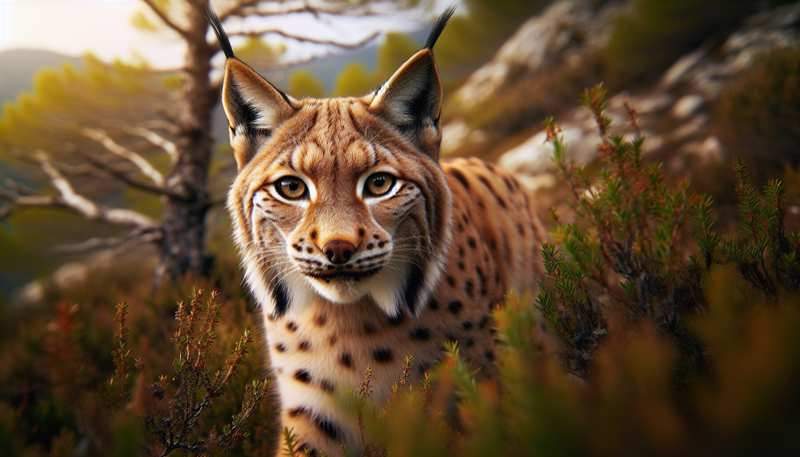
An official programme page explaining LPN's long-term work to conserve and manage suitable Mediterranean habitat for the Iberian lynx in Portugal, with links to the organisation's support options.
Review programme →