Africa's vast wilderness offers some of the most spectacular wildlife viewing opportunities on Earth. From the thundering hooves of the Great Migration to intimate encounters with mountain gorillas, the continent's national parks showcase nature at its most magnificent. As we look ahead to 2026, these protected areas continue to evolve their conservation efforts while providing unforgettable experiences for wildlife enthusiasts. Whether you're planning your first African safari or returning for another adventure, these 15 exceptional national parks should top your list for witnessing Africa's incredible biodiversity.
The Crown Jewels: Africa's Premier Wildlife Destinations
1. Serengeti National Park, Tanzania
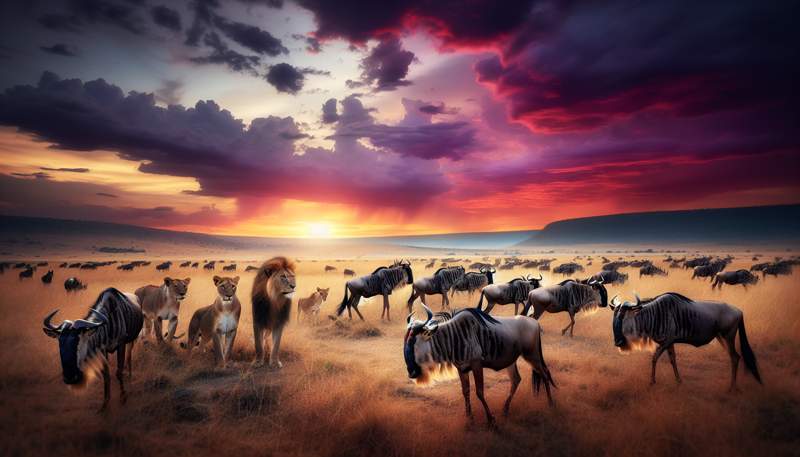
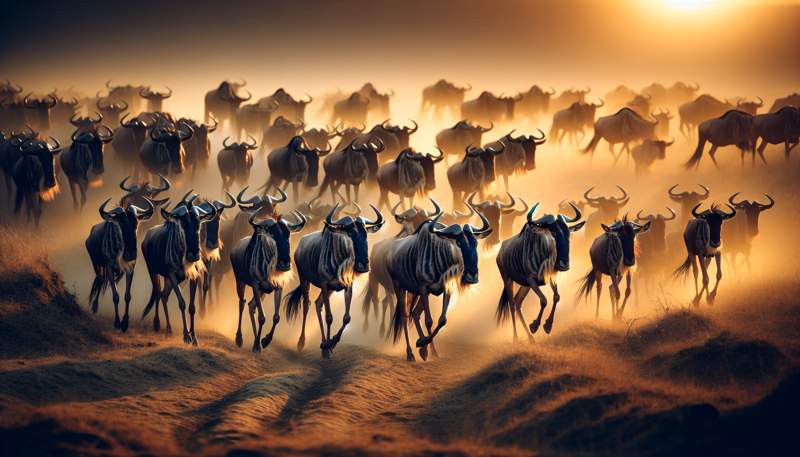
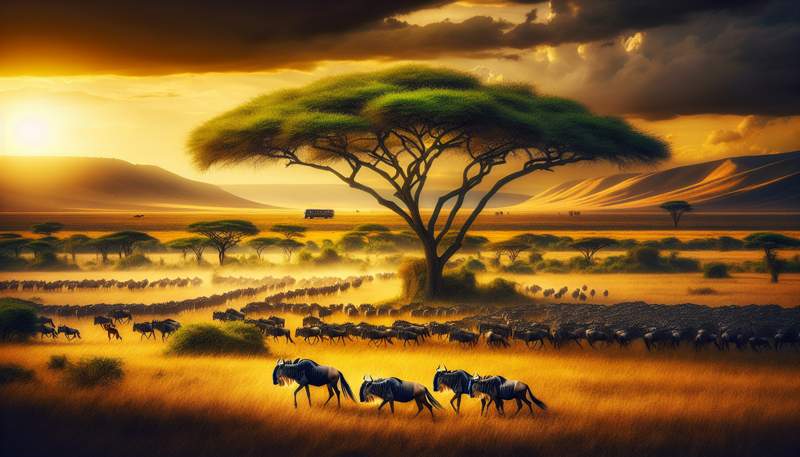
The Serengeti National Park remains Africa's most iconic wildlife destination, famous for hosting the Great Migration where over two million wildebeest, zebras, and gazelles traverse the plains annually. This UNESCO World Heritage Site spans 14,750 square kilometers and offers year-round exceptional game viewing. The park's diverse ecosystems support over 70 large mammal species and 500 bird species, making it a photographer's paradise.
The best time to visit depends on your wildlife priorities. December through March offers excellent predator viewing as animals gather around water sources, while June through August provides front-row seats to river crossings. Book your Serengeti safari experience well in advance, as accommodations fill quickly during peak migration periods.
2. Kruger National Park, South Africa
South Africa's flagship national park covers nearly 20,000 square kilometers and offers incredible accessibility for self-drive safaris. Kruger is renowned for its Big Five populations and boasts over 147 mammal species. The park's well-maintained infrastructure makes it perfect for first-time safari visitors, while its vast wilderness areas satisfy experienced adventurers.
The park's southern regions near Skukuza offer the highest concentrations of rhinos and lions, while the northern areas provide excellent elephant viewing. Private concessions adjacent to Kruger offer exclusive experiences with fewer crowds.
3. Masai Mara National Reserve, Kenya
The Masai Mara forms the northern extension of the Serengeti ecosystem and hosts the dramatic river crossings of the Great Migration between July and October. This relatively compact reserve of 1,510 square kilometers punches above its weight in wildlife density, particularly big cats. The Mara is famous for its exceptional leopard and cheetah sightings.
Stay in one of the conservancies surrounding the main reserve for a more intimate experience with lower vehicle numbers and walking safaris. Explore luxury Masai Mara safari options that combine conservation with comfort.
💡 Safari Planning Tip
Best Photography Times: The golden hours just after sunrise and before sunset provide the most spectacular lighting for wildlife photography. Many animals are also most active during these cooler periods, increasing your chances of witnessing hunting behavior and social interactions.
East African Gems: Diverse Ecosystems and Endemic Species
4. Ngorongoro Crater, Tanzania
Often called "Africa's Eden," the Ngorongoro Crater is the world's largest intact volcanic caldera, creating a natural amphitheater that concentrates wildlife in spectacular fashion. This UNESCO World Heritage Site supports approximately 25,000 large animals within its 260 square kilometers, including the densest population of lions in Africa.
The crater floor supports year-round water sources, making it one of the few places in East Africa where you can reliably spot the Big Five in a single day. The resident black rhino population, though small, represents one of your best chances to see these critically endangered giants.
5. Amboseli National Park, Kenya
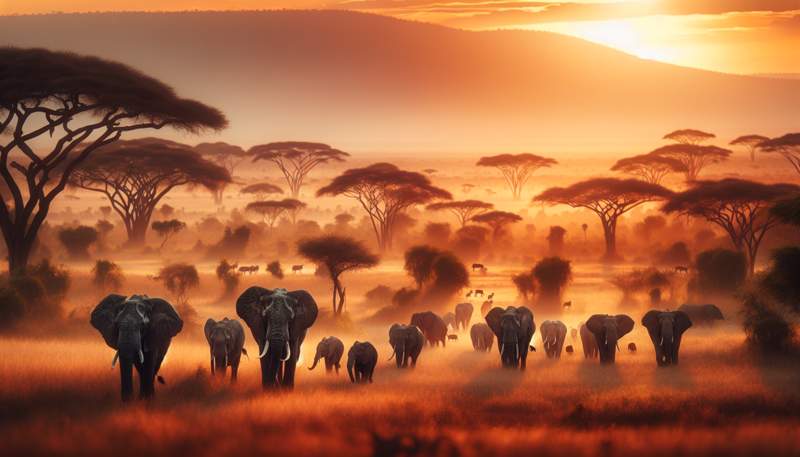
Famous for its large elephant herds set against the backdrop of Mount Kilimanjaro, Amboseli offers some of Africa's most iconic safari photography opportunities. The park's 392 square kilometers may seem small, but its diverse habitats support over 80 mammal species and 400 bird species.
The Amboseli elephants are among Africa's most studied populations, and visitors often witness fascinating social behaviors. The park's open grasslands provide excellent cheetah viewing, while the swamplands attract hundreds of bird species.
6. Queen Elizabeth National Park, Uganda
Uganda's most popular national park offers incredible diversity, from the tree-climbing lions of Ishasha to the boat safaris along the Kazinga Channel. The park's 1,978 square kilometers encompass savanna, forests, wetlands, and crater lakes, supporting 95 mammal species and over 600 bird species.
The highlight for many visitors is the boat cruise along the Kazinga Channel, which connects Lake Edward and Lake George. This waterway supports one of Africa's highest concentrations of hippos and crocodiles, alongside numerous water birds.
Southern Africa's Wildlife Havens
7. Chobe National Park, Botswana
Botswana's first national park is famous for having Africa's largest elephant population, with an estimated 50,000 individuals. The Chobe River provides year-round water, creating spectacular concentrations of wildlife, particularly during the dry season from May to October.
The park's diverse ecosystems include riverfront areas, grasslands, and woodland, each supporting different species. Boat safaris along the Chobe River offer unique perspectives on elephants swimming between islands and predators coming to drink.
8. Hwange National Park, Zimbabwe
Zimbabwe's largest national park covers 14,650 square kilometers and supports one of Africa's largest elephant populations. Hwange's artificial water holes, pumped from underground aquifers, create wildlife concentrations that rival anywhere in Africa during the dry season.
The park's diverse habitats support over 100 mammal species and 400 bird species. Painted dogs (African wild dogs) are regularly spotted here, making it one of the best places to see these endangered predators.
West and Central African Treasures
9. Bwindi Impenetrable National Park, Uganda
Home to nearly half of the world's remaining mountain gorillas, Bwindi offers one of Africa's most profound wildlife experiences. This UNESCO World Heritage Site protects 331 square kilometers of ancient rainforest and supports 23 endemic bird species found nowhere else on Earth.
Gorilla trekking permits are limited and must be booked well in advance. The experience of sitting quietly with a gorilla family in their natural habitat is transformative and contributes directly to conservation efforts.
10. Pendjari National Park, Benin
One of West Africa's most important wildlife refuges, Pendjari forms part of the largest remaining intact ecosystem in the region. The park supports healthy populations of elephants, lions, leopards, and cheetahs, along with West African subspecies found nowhere else.
Recent conservation investments have dramatically improved wildlife populations and infrastructure. The park offers a chance to experience African wildlife without crowds, in landscapes rarely seen by international visitors.
Hidden Gems and Emerging Destinations
11. Kafue National Park, Zambia
Africa's second-largest national park covers 22,400 square kilometers of pristine wilderness. Kafue's remoteness means excellent wildlife viewing with minimal crowds. The park supports healthy populations of all major African species, including good numbers of the elusive African wild dog.
The Busanga Plains in the north flood seasonally, creating exceptional wildlife concentrations when waters recede. Tree-climbing lions, similar to those in Queen Elizabeth, have been observed in this area.
12. Zakouma National Park, Chad
Once decimated by poaching, Zakouma represents one of conservation's greatest success stories. Under improved management, wildlife populations have rebounded dramatically. The park now supports Central Africa's largest elephant population and serves as a crucial refuge for regional wildlife.
Zakouma offers authentic wilderness experiences with excellent wildlife viewing, particularly during the dry season when animals concentrate around water sources.
🎒 Essential Packing Tip
Safari Gear Essentials: Quality binoculars, neutral-colored clothing, a wide-brimmed hat, and a good camera with telephoto lens are crucial for any African safari. Browse essential safari equipment to ensure you're well-prepared for your African adventure.
13. Gorongosa National Park, Mozambique
Another remarkable conservation success story, Gorongosa has recovered from civil war devastation to become one of Africa's most exciting wildlife destinations. The park's 4,000 square kilometers encompass diverse habitats from floodplains to mountain forests.
Wildlife populations continue to recover and expand. The park offers excellent bird watching with over 400 species recorded, and large mammal numbers are steadily increasing through ongoing restoration efforts.
14. Liwonde National Park, Malawi
Transformed through international conservation partnerships, Liwonde now showcases what dedicated conservation efforts can achieve. The park supports healthy populations of elephants, hippos, and crocodiles along the Shire River, with predator populations being carefully restored.
The park's boat safaris offer excellent wildlife viewing opportunities, while walking safaris provide intimate encounters with smaller species often overlooked on traditional game drives.
15. Akagera National Park, Rwanda
Rwanda's only savanna park has been completely transformed through community partnerships and international support. Once lacking large predators, Akagera now supports thriving populations of lions and leopards reintroduced in recent years.
The park combines traditional Big Five wildlife with Rwanda's famous conservation success story. Visitors can combine their safari with gorilla trekking in Volcanoes National Park for a complete Rwandan wildlife experience.
Planning Your 2026 African Safari Adventure
When planning your African wildlife adventure, consider factors beyond just animal sightings. Compare safari packages that match your budget and interests, whether you prefer luxury lodges or authentic camping experiences.
Travel insurance is essential for African safaris, especially those involving activities like gorilla trekking or visits to remote areas. Secure comprehensive travel insurance that covers adventure activities and medical evacuation.
The best time to visit varies by destination and wildlife priorities. East African parks typically offer excellent wildlife viewing year-round, while southern African destinations are best during dry seasons. Research seasonal patterns for your chosen destinations to maximize wildlife encounters.
These 15 national parks represent the pinnacle of African wildlife experiences, each offering unique ecosystems, endemic species, and unforgettable encounters. From the vast plains of the Serengeti to the intimate forest encounters in Bwindi, Africa's national parks continue to evolve and improve their conservation efforts while providing visitors with life-changing wildlife experiences. Start planning your 2026 African safari adventure today, and prepare to witness some of the planet's most magnificent creatures in their natural habitats.