The Big Five – lion, leopard, rhinoceros, elephant, and Cape buffalo – represent Africa's most iconic and sought-after wildlife encounters. Originally coined by big game hunters to describe the continent's most dangerous animals to hunt on foot, the Big Five has evolved into the ultimate bucket list for wildlife enthusiasts and photographers. Planning a safari to see all five magnificent species in a single trip requires careful consideration of destinations, timing, and expert guidance.
Understanding the Big Five: Africa's Most Iconic Animals
Before embarking on your Big Five adventure, it's essential to understand what makes each of these animals special and where you're most likely to encounter them in the wild.
The African Lion: King of the Savanna
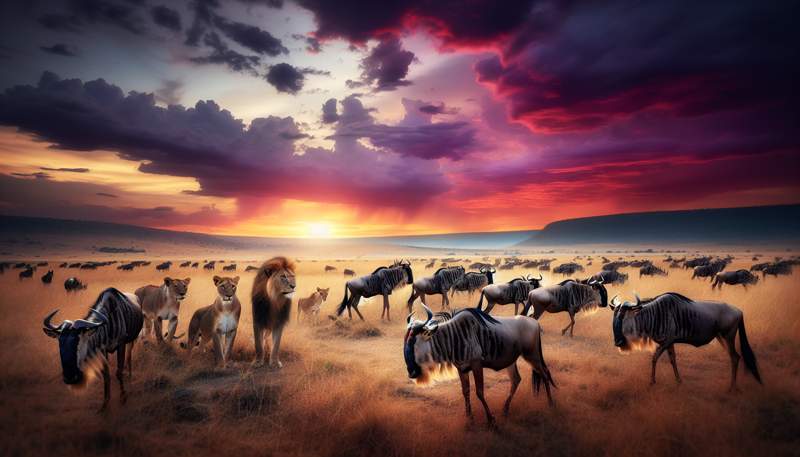
The African lion stands as the most recognizable member of the Big Five, with males distinguished by their magnificent manes and females serving as the primary hunters. Lions are highly social cats, living in prides of up to 30 individuals. Your best chances of lion sightings occur during early morning and late afternoon game drives when these apex predators are most active. The Serengeti, Masai Mara, and Kruger National Park offer exceptional lion viewing opportunities, with some areas boasting populations exceeding 3,000 individuals.
The Elusive African Leopard
Perhaps the most challenging of the Big Five to spot, the African leopard is a master of camouflage and stealth. These solitary cats prefer dense vegetation and rocky outcrops, often hauling their kills into trees to avoid scavengers. Leopards are primarily nocturnal, making night drives essential for optimal viewing chances. The Sabi Sands Game Reserve in South Africa and Tanzania's Serengeti offer some of the continent's best leopard viewing opportunities.
The Mighty African Elephant
As the largest land mammal on Earth, the African elephant creates unforgettable safari moments. These intelligent giants live in matriarchal herds led by the oldest female, displaying complex social behaviors and emotional intelligence. Elephants require vast amounts of food and water daily, making them relatively predictable around water sources during dry seasons. Botswana's Chobe National Park hosts one of Africa's largest elephant populations, with over 50,000 individuals.
The Endangered Rhinoceros
Both black and white rhinoceros species count toward Big Five sightings, though both face severe conservation challenges due to poaching. The white rhinoceros is larger and more commonly seen, while the critically endangered black rhinoceros remains extremely rare. South Africa's private game reserves and Kenya's conservancies offer the best rhino viewing opportunities, with intensive anti-poaching efforts helping stabilize populations.
The Formidable Cape Buffalo
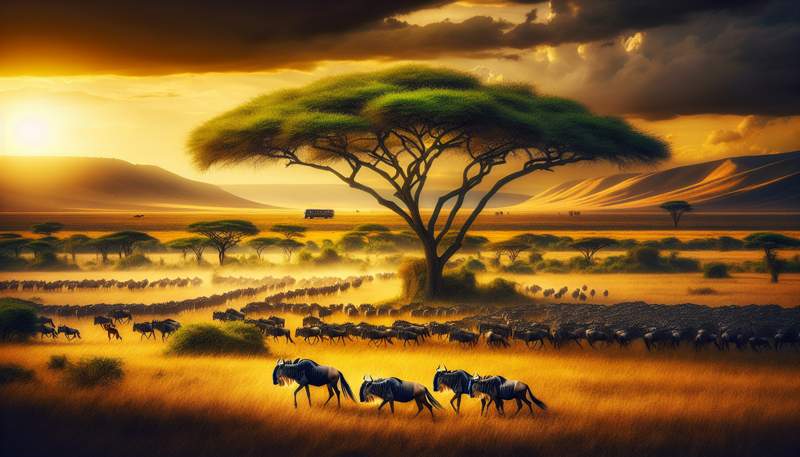
Often underestimated by safari-goers, the Cape buffalo ranks among Africa's most dangerous animals. These massive bovines travel in herds ranging from dozens to thousands of individuals, creating spectacular wildlife viewing opportunities. Buffalo are particularly impressive during the great migration and at water sources during dry seasons. Their unpredictable nature and protective herd instincts demand respectful viewing distances.
Best Destinations for Big Five Safaris
Selecting the right destination significantly impacts your chances of completing the Big Five checklist during a single trip. Several African countries and specific parks excel at offering comprehensive Big Five experiences.
South Africa: The Big Five Pioneer
South Africa pioneered the Big Five concept and remains one of the most reliable destinations for seeing all five species. Kruger National Park spans nearly 20,000 square kilometers and hosts healthy populations of all Big Five animals. The park's excellent infrastructure, diverse ecosystems, and year-round accessibility make it ideal for first-time safari visitors.
Private game reserves adjacent to Kruger, including Sabi Sands and Timbavati, offer more exclusive experiences with fewer vehicles and night drives permitted. These reserves often provide better leopard viewing opportunities due to habituated animals and expert tracker teams.
Kenya and Tanzania: Serengeti-Mara Ecosystem
The Serengeti-Mara ecosystem, spanning Tanzania's Serengeti National Park and Kenya's Masai Mara National Reserve, offers unparalleled wildlife densities and the famous great migration. This region excels for lion and elephant sightings, with moderate success rates for leopards and buffalo. Rhinoceros populations remain limited, though Kenya's conservancies are working to reintroduce both species.
Botswana: Pristine Wilderness
Botswana's commitment to low-impact, high-value tourism creates exceptional wildlife experiences in pristine environments. The Okavango Delta and Chobe National Park offer incredible elephant and buffalo populations, while the Central Kalahari supports lions and leopards. Rhinoceros populations are limited but slowly recovering through conservation efforts.
Namibia: Desert-Adapted Wildlife
Namibia presents unique opportunities to see desert-adapted Big Five animals, particularly elephants and lions that have evolved to survive in arid environments. Etosha National Park provides excellent wildlife viewing around waterholes, while private conservancies offer black rhino encounters.
Planning Your Big Five Safari Itinerary
Creating an itinerary that maximizes your Big Five sighting opportunities requires strategic planning and expert guidance. Professional safari operators understand animal behavior patterns, seasonal movements, and optimal viewing locations.
Duration and Timing Considerations
A minimum of 7-10 days provides realistic opportunities for Big Five sightings, though 14-21 day itineraries significantly increase success rates. Longer safaris allow for multiple destinations, various ecosystems, and backup opportunities if weather or animal movements affect initial sightings.
The dry season (May through October) offers optimal viewing conditions with animals concentrated around permanent water sources. However, shoulder seasons can provide excellent value and fewer crowds while maintaining good wildlife viewing opportunities.
Multi-Country vs. Single-Destination Strategies
Single-destination safaris in proven Big Five locations like Kruger National Park or Northern Serengeti offer convenience and cost-effectiveness. Multi-country itineraries provide diverse experiences but require additional travel time and higher costs. Consider your priorities, budget, and available time when choosing between strategies.
Essential Gear and Preparation
Proper equipment and preparation significantly enhance your Big Five safari experience and increase photographic success rates.
Photography Equipment
Professional-quality camera equipment transforms Big Five encounters into lasting memories. A DSLR or mirrorless camera with telephoto lenses (300mm minimum, 400-600mm preferred) allows for intimate wildlife portraits while maintaining safe distances. Consider renting professional equipment if purchasing isn't feasible, as safari photography demands superior image quality and reach.
Essential accessories include multiple memory cards, spare batteries, lens cleaning supplies, and protective cases for dusty conditions. Amazon offers comprehensive safari gear collections including camera equipment, clothing, and accessories specifically designed for African wildlife adventures.
Clothing and Personal Items
Neutral-colored clothing (khaki, olive, brown) helps you blend with the environment and avoid disturbing wildlife. Layered clothing systems accommodate temperature variations between early morning game drives and midday heat. Essential items include wide-brimmed hats, quality sunglasses, high-SPF sunscreen, and insect repellent.
Booking Your Big Five Adventure
Selecting reputable safari operators and accommodations ensures safe, successful, and ethical Big Five experiences that contribute to wildlife conservation.
Choosing Safari Operators
Experienced safari operators possess intimate knowledge of animal behavior, optimal viewing locations, and safety protocols essential for Big Five encounters. Look for operators with experienced guides, well-maintained vehicles, and strong conservation commitments. Safari.com connects travelers with vetted safari operators throughout Africa, ensuring quality experiences and competitive pricing.
Professional guides significantly impact safari success rates, as their expertise in animal tracking and behavior prediction often means the difference between ordinary and extraordinary wildlife encounters. Many top guides complete years of training and possess encyclopedic knowledge of their areas.
Accommodation Options
Safari accommodations range from luxury lodges to mobile camping, each offering unique advantages for Big Five viewing. Luxury lodges provide comfort and often exclusive concession areas with lower vehicle densities. Mobile camps follow animal movements, maximizing wildlife encounters during peak activity periods.
Expedia features extensive safari lodge options with verified reviews and competitive rates, while Expedia offers comprehensive safari packages including flights, accommodations, and transfers.
Alternative Booking Platforms
Specialized safari booking platforms provide curated experiences and expert guidance. GetYourGuide offers day safaris and multi-day packages with verified reviews and competitive pricing, while BookAllSafaris specializes exclusively in African safari experiences with detailed itineraries and local expertise.
Conservation and Ethical Considerations
Responsible Big Five safaris contribute directly to wildlife conservation through park fees, employment opportunities for local communities, and funding for anti-poaching efforts. Choose operators with demonstrated conservation commitments and transparent community benefit programs.
Many safari destinations face significant conservation challenges, particularly regarding rhinoceros protection and human-wildlife conflict mitigation. Your safari investment supports these critical efforts while providing unforgettable wildlife encounters for future generations.
Achieving the Big Five safari goal requires careful planning, realistic expectations, and expert guidance, but the rewards of encountering Africa's most magnificent wildlife in their natural habitats create memories lasting a lifetime. Whether you choose the convenience of South Africa's Kruger National Park or the adventure of multi-country itineraries, your Big Five safari represents an investment in both personal adventure and African wildlife conservation. Start planning your Big Five adventure today, and prepare for wildlife encounters that will exceed your wildest expectations while contributing to the protection of these incredible species for future generations.