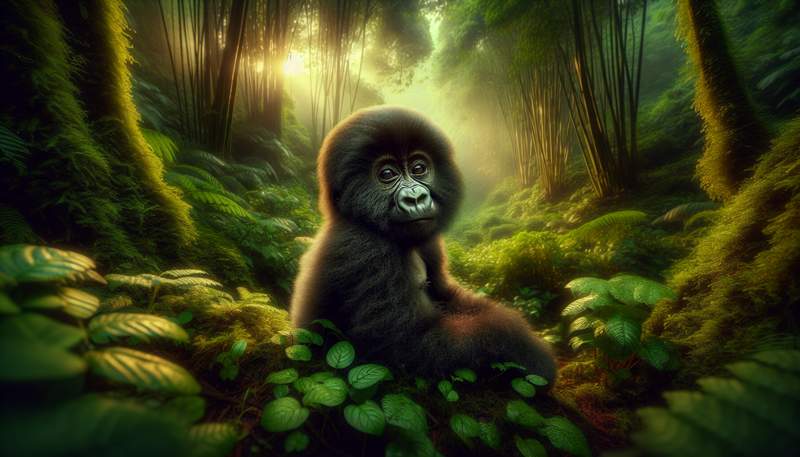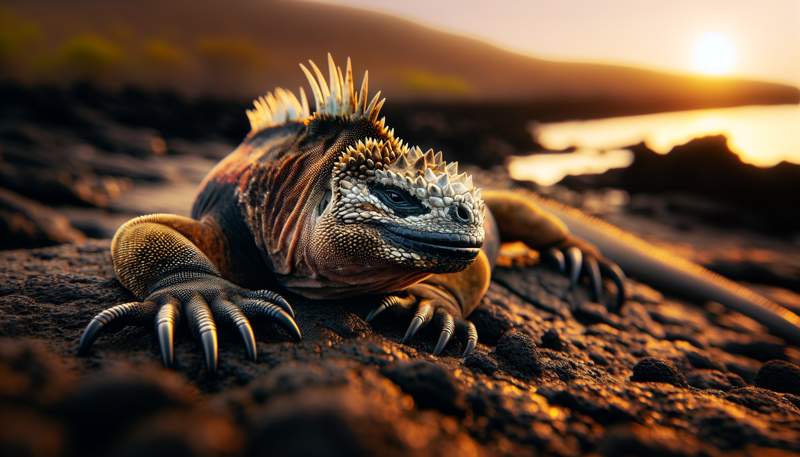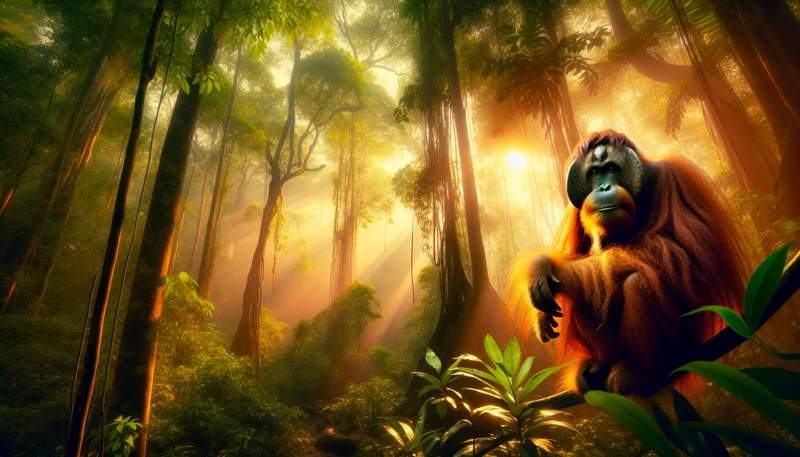
Costa Rica stands as one of the world's most incredible wildlife destinations, packing an astounding 5% of the planet's biodiversity into a country smaller than West Virginia. Whether you're hoping to spot vibrant quetzals in cloud forests, watch three-toed sloths move in slow motion, or witness sea turtles nesting under starlit beaches, this Central American gem offers unparalleled opportunities for wildlife enthusiasts. With March 2026 marking the perfect transition into dry season, there's never been a better time to plan your Costa Rican wildlife adventure.
Why Costa Rica is a Wildlife Paradise
Costa Rica's incredible biodiversity stems from its unique position as a biological bridge between North and South America, combined with its varied ecosystems ranging from tropical rainforests to cloud forests, volcanic landscapes, and pristine coastlines. The country is home to over 500,000 species, including more than 900 bird species, 250 mammal species, and countless reptiles, amphibians, and insects.
What makes Costa Rica particularly special for wildlife travelers is its commitment to conservation. Nearly 30% of the country is protected through national parks and reserves, ensuring that wildlife habitats remain pristine and accessible to visitors. The country's stable political climate, excellent tourism infrastructure, and "Pura Vida" philosophy create an ideal environment for sustainable wildlife tourism.
Best Time to Visit for Wildlife Viewing
Costa Rica's tropical climate means wildlife viewing is excellent year-round, but timing can significantly impact your experience. The country has two main seasons: the dry season (December to April) and the rainy season (May to November).
Dry Season (December-April): March 2026 falls perfectly within this prime period. During dry season, wildlife congregates around water sources, making animals easier to spot. Roads are more accessible, and you'll enjoy sunny skies perfect for photography. However, this is peak tourist season, so expect higher prices and larger crowds.
Rainy Season (May-November): Don't dismiss the "green season" – this period offers lush landscapes, fewer tourists, and excellent bird watching as many species are in breeding plumage. Morning wildlife activity is often spectacular before afternoon rains begin.
For specific wildlife experiences, consider these timing factors:
- Sea turtle nesting: Olive ridley turtles nest July-December, while leatherbacks prefer October-March
- Whale watching: Humpback whales visit December-April and July-November
- Bird migration: Northern migrants arrive October-April, making spring exceptional for birding
- Insect diversity: Peaks during rainy season when flowers and fruits are abundant
Top Wildlife Destinations and What to Expect
Costa Rica's diverse regions each offer unique wildlife experiences. Here's where to go for the best animal encounters:
Manuel Antonio National Park
This compact coastal park combines pristine beaches with primary rainforest, making it perfect for first-time visitors. Expect to see three species of monkeys (howler, squirrel, and white-faced capuchin), three-toed sloths, iguanas, and over 180 bird species. The park's small size (1,680 acres) makes wildlife spotting almost guaranteed. Entry costs $16 per adult, and it's closed on Mondays.
Monteverde Cloud Forest Reserve
This mystical cloud forest ecosystem harbors the legendary resplendent quetzal, considered one of the world's most beautiful birds. The reserve's 26,000 acres of protected cloud forest also host over 400 bird species, including 30 hummingbird species. March is excellent for quetzal viewing as they're active during breeding season. Expect cooler temperatures (60-70°F) and pack layers.
Tortuguero National Park
Accessible only by boat or plane, Tortuguero feels like stepping into a National Geographic documentary. This Caribbean coast park is famous for green sea turtle nesting (July-October), but year-round attractions include river safaris with excellent chances of spotting caimans, river otters, manatees, and incredible birdlife including toucans and kingfishers.
Find wildlife experiences on GetYourGuide to book guided tours that maximize your wildlife viewing opportunities in these protected areas.
Osa Peninsula and Corcovado National Park
National Geographic called the Osa Peninsula "the most biologically intense place on Earth," and Corcovado National Park protects its crown jewel. This remote destination offers your best chance of seeing jaguars, tapirs, and scarlet macaws in the wild. The park requires guides for most trails, and visitor numbers are limited, making advance booking essential. Expect rustic accommodations and higher costs due to remoteness, but the wildlife rewards are unparalleled.
Must-See Costa Rican Wildlife
Costa Rica's wildlife roster reads like a natural history wishlist. Here are the species that should top your viewing priorities:
Iconic Mammals
- Three-toed and Two-toed Sloths: These arboreal mammals are surprisingly easy to spot if you know where to look. Manuel Antonio and Monteverde offer excellent sloth viewing opportunities.
- Howler Monkeys: You'll hear their roaring calls before you see them. These leaf-eating primates are found throughout Costa Rica's forests.
- Jaguars: Costa Rica's apex predator is elusive but present, with Corcovado offering the best (though still rare) viewing opportunities.
- Tapirs: These prehistoric-looking mammals are most active at dawn and dusk in Corcovado and other remote forests.
Spectacular Birds
- Resplendent Quetzal: Guatemala's national bird also calls Costa Rican cloud forests home. March-May offers peak viewing during breeding season.
- Scarlet Macaws: These brilliant red parrots have recovered from near-extinction and are now regularly seen on the Osa Peninsula and Carara National Park.
- Toucans: Four toucan species inhabit Costa Rica, with the colorful keel-billed toucan being most iconic.
- Hummingbirds: With over 50 species, Costa Rica is a hummingbird paradise. Cloud forests offer the highest diversity.
Marine Life
- Sea Turtles: Four species nest on Costa Rican beaches, including massive leatherbacks and olive ridleys famous for synchronized nesting events called "arribadas."
- Humpback Whales: Two populations visit Costa Rican waters, making it one of the world's longest humpback whale seasons.
- Dolphins: Spotted, bottlenose, and spinner dolphins are commonly seen on boat tours along both coasts.
Planning Your Costa Rica Wildlife Trip
Budget Considerations
Costa Rica wildlife trips can range from budget backpacking to luxury eco-lodges. Here's what to expect in 2026:
- Budget travelers: $50-80 per day including hostels, local transportation, and park fees
- Mid-range: $100-200 per day for comfortable hotels, guided tours, and private transportation
- Luxury: $300-500+ per day for high-end eco-lodges, private guides, and exclusive experiences
Major expenses include:
- Park entrance fees: $10-16 per park per person
- Guided tours: $40-100 per person for day trips
- Internal flights to remote areas: $100-250 per flight
- Meals: $8-15 for local sodas, $25-50 for upscale restaurants
Transportation Options
Getting around Costa Rica for wildlife viewing requires planning, as the best destinations are often remote:
- Rental car: Provides maximum flexibility but requires confidence driving on rough roads. 4WD recommended for most wildlife destinations.
- Domestic flights: Save time reaching remote areas like Osa Peninsula or Tortuguero. Compare flights on Expedia for the best domestic flight deals.
- Shuttle services: Reliable shared transportation between major tourist destinations.
- Organized tours: Let someone else handle logistics while you focus on wildlife spotting.
Accommodation Strategies
Where you stay significantly impacts your wildlife experiences. Find safari lodges on Expedia to compare eco-lodges and wildlife-focused accommodations. Consider these options:
- Eco-lodges: Purpose-built for wildlife viewing with expert naturalist guides
- Hotels near park entrances: Early access to parks when wildlife is most active
- Canopy lodges: Elevated accommodations for treetop wildlife viewing
- Beach resorts: Combine wildlife viewing with relaxation, particularly effective on the Guanacaste coast
Essential Gear and Preparation
Proper preparation enhances your wildlife viewing success and comfort. Essential gear includes:
Optical Equipment
- Binoculars: 8x42 or 10x42 are ideal for wildlife viewing. Waterproof models handle humid conditions better.
- Camera with telephoto lens: Check prices on Amazon for wildlife photography equipment suitable for tropical conditions.
- Spotting scope: For serious birders, though heavy for general travel
Clothing and Protection
- Quick-dry, neutral-colored clothing: Earth tones work best for wildlife viewing
- Rain gear: Essential even during dry season for sudden showers and boat trips
- Insect protection: Long sleeves, pants, and effective repellent containing DEET
- Sun protection: Hat, sunglasses, and high-SPF sunscreen
- Sturdy hiking boots: Waterproof options handle muddy trails better
Health and Safety
Costa Rica is generally very safe, but wildlife areas present unique considerations:
- Travel insurance: Get adventure travel insurance from World Nomads that covers outdoor activities and medical evacuation.
- Vaccinations: Routine vaccines plus hepatitis A recommended; yellow fever only if arriving from endemic areas
- Medications: Bring extra supplies as remote areas have limited pharmacies
- Emergency contacts: Download offline maps and register with your embassy
Costa Rica offers wildlife experiences that will create memories lasting a lifetime. From the haunting calls of howler monkeys echoing through misty forests to the breathtaking sight of a quetzal in flight, this remarkable country delivers encounters with nature that few destinations can match. Whether you're planning a focused birding expedition, a comprehensive wildlife tour, or a family-friendly introduction to tropical biodiversity, Costa Rica's incredible variety of ecosystems and commitment to conservation ensure an unforgettable adventure. Start planning your Costa Rican wildlife journey today – the animals are waiting to meet you.