Planning your first African safari can feel daunting. There are so many countries, parks, lodges, and tour operators to choose from that it's easy to get paralyzed by options. But here's the good news: with some methodical planning and the right information, anyone can put together an incredible safari trip.
This step-by-step guide walks you through the entire process, from choosing a destination to packing your bag. By the end, you'll have a clear roadmap for planning the safari of a lifetime.
Step 1: Choose Your Destination
Africa is enormous, and each region offers a different safari experience. Your destination choice should be based on three things: what you want to see, your budget, and your travel style.
For First-Timers
- Kenya (Masai Mara) — Classic Big Five safari with excellent infrastructure and tourism support
- Tanzania (Serengeti/Ngorongoro) — The Great Migration and the stunning Ngorongoro Crater
- South Africa (Kruger) — Most affordable, self-drive option, English-speaking, excellent for families
For Experienced Safari-Goers
- Botswana (Okavango Delta) — Exclusive, water-based safaris in pristine wilderness
- Zambia (South Luangwa) — Walking safaris and authentic bush experience
- Namibia (Etosha) — Desert-adapted wildlife and dramatic landscapes
For Specific Wildlife
- Gorilla trekking: Uganda or Rwanda
- Wild dogs: Botswana, Zambia, or Zimbabwe
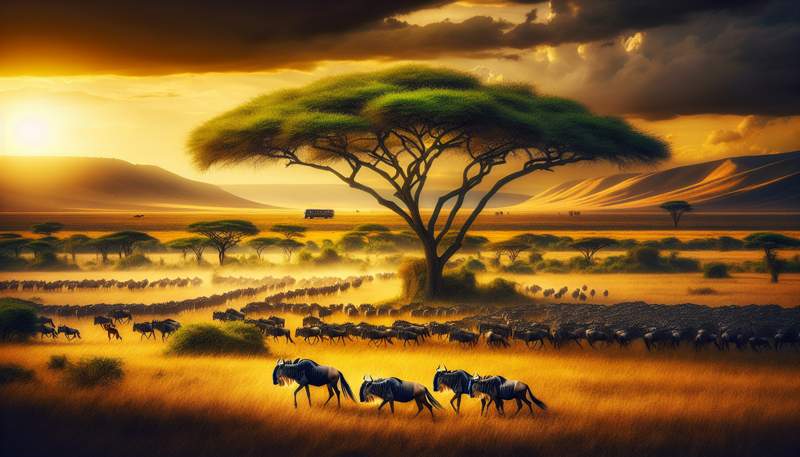
- Great Migration: Tanzania (year-round) and Kenya (July–October)
- Desert elephants: Namibia's Damaraland
Step 2: Set Your Budget
Safari costs vary enormously, and understanding the pricing spectrum helps you plan realistically. Here's a general breakdown per person per day:
- Budget ($150–300/day): Self-drive or group tours, basic lodges or camping, shared vehicles. Best options: Kruger (South Africa), Etosha (Namibia), or budget camping safaris in Tanzania/Kenya.
- Mid-range ($300–800/day): Private guided safaris, comfortable lodges or tented camps, most meals included. This is the sweet spot for most travelers. Available across most destinations.
- Luxury ($800–2,000+/day): Exclusive private conservancies, luxury lodges, private vehicles with dedicated guide, all-inclusive with premium drinks. Botswana, Rwanda, and high-end Tanzanian/Kenyan camps.
Budget tip: The biggest cost variables are accommodation and whether you have a private vehicle. Sharing a vehicle with other guests on scheduled game drives can save 30–50% compared to a private safari.
Browse and compare safari packages on BookAllSafaris to find trips across every budget range, from camping safaris to luxury lodges. For premium curated safaris, Safari.com offers a hand-picked collection of Africa's finest lodges.
What's Typically Included
Most safari packages include:
- Accommodation
- All meals and non-alcoholic beverages
- Two game drives per day (morning and afternoon)
- Park entrance fees
- Airport or airstrip transfers
What's usually not included: international flights, visa fees, travel insurance, premium alcohol, laundry, tips, and optional activities like balloon safaris or bush walks.
Step 3: Decide When to Go
Timing affects everything — wildlife viewing, weather, crowds, and cost.
Dry Season (Generally June–October)
This is peak safari season across most of Africa. Vegetation is sparse, animals gather around water sources, and game viewing is at its best. However, it's also the most expensive and busiest time. Book well in advance.
Wet/Green Season (Generally November–April)
Landscapes are lush, baby animals are born, migratory birds arrive, and prices drop 20–40%. Game viewing can be harder as animals disperse, but the photography is stunning with dramatic skies and green backdrops. Some roads may be impassable.
Shoulder Season (May and November)
Often the best compromise — decent weather, fewer crowds, and moderate prices. Many experienced safari travelers specifically target these months.
Step 4: Decide How Long to Go
A common mistake is trying to see too much in too little time. Here are our recommendations:
- Minimum: 3 nights in one park. This gives you enough game drives to see the key species without feeling rushed.
- Ideal: 5–7 nights across 2 parks. Different ecosystems mean different wildlife, and the variety keeps things exciting.
- Dream trip: 10–14 nights across 3+ parks, potentially spanning two countries. This allows deep immersion and includes travel days between locations.
Pro tip: Spend at least 2 full days (4 game drives) in each location. Your first drive is always about adjusting to the environment. By your third and fourth drives, your eyes are trained and you'll spot animals your first-day self would have missed completely.
Step 5: Choose Self-Drive vs Guided Safari
Self-Drive
Self-driving is possible in South Africa (Kruger), Namibia (Etosha), and parts of Kenya and Tanzania. It's the most budget-friendly option and offers total freedom over your schedule.
Pros: Cheapest option, flexibility, independent adventure, drive at your own pace.
Cons: You'll miss animals a trained guide would spot, you won't get expert wildlife interpretation, limited to roads (no off-road driving in national parks), and navigation can be challenging.
Guided Safari
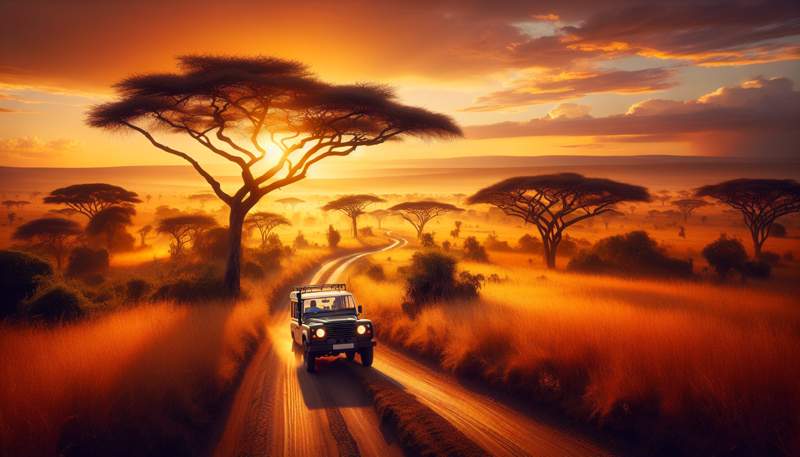
A professional guide transforms a safari from a scenic drive into an education. Good guides know animal behavior, can predict movements, identify birds by call, and track predators.
Pros: Expert knowledge, better wildlife sightings, safety, storytelling and interpretation, off-road access in private concessions.
Cons: More expensive, fixed schedule, less independence.
Our recommendation: If it's your first safari, go guided. The knowledge and experience a great guide brings is worth every penny. If you're returning to a park you know well and want to save money, self-driving is rewarding.
Step 6: Book Your Trip
Booking Timeline
- 12+ months ahead: Book premium lodges for peak season (June–October). Gorilla permits for Rwanda should be booked as early as possible.
- 6–9 months ahead: Book mid-range safaris for peak season. Start securing internal flights and transfers.
- 3–6 months ahead: Book shoulder or green season trips. Good availability at most lodges.
- Last minute (1–3 months): Possible during green season. Some lodges offer significant discounts to fill empty rooms.
Tour Operator vs Direct Booking
You can book through a specialist safari tour operator (they handle everything) or book directly with lodges and parks (more work but sometimes cheaper). For a first safari, a reputable tour operator is worth the small premium — they handle logistics, provide expert advice, and have relationships with the best guides.
Step 7: Handle Visas & Vaccinations
Visas
Most African safari countries offer visa-on-arrival or e-visas for US, UK, EU, and Australian passport holders. Common options:
- Kenya: e-visa required (~$50 USD)
- Tanzania: Visa on arrival or e-visa ($50 USD)
- South Africa: No visa needed for many nationalities (90-day stay)
- Botswana: No visa needed for most Western nationalities (90-day stay)
- Uganda/Rwanda: e-visa required ($50 USD each, or $100 for East Africa Tourist Visa covering both)
Vaccinations & Health
Visit a travel clinic at least 6 weeks before departure. Key requirements and recommendations:
- Yellow Fever: Required for Uganda, Kenya, and Tanzania (and required if entering from an endemic country)
- Malaria prophylaxis: Essential for most safari destinations. Options include Malarone, Doxycycline, and Mefloquine. Your travel doctor will recommend the best option.
- Recommended vaccines: Hepatitis A & B, Typhoid, Tetanus booster, and Rabies (especially if visiting remote areas)
- Travel insurance: Absolutely non-negotiable. Get adventure travel insurance from World Nomads — make sure it covers medical evacuation, as airlifts from remote safari areas can cost $50,000+.
Step 8: Pack Smart
Safari packing is about function over fashion. Here are the essentials:
Clothing
- Neutral-colored clothing (khaki, olive, brown, tan) — avoid bright colors and white
- Light layers — mornings and evenings can be surprisingly cold, especially in open vehicles
- Long pants and long sleeves for morning and evening drives (insect protection)
- A warm fleece or jacket for early morning game drives
- Wide-brimmed hat and quality sunglasses
- Comfortable closed-toe shoes for walks and bush camps
Gear
- Binoculars (the single most important piece of gear after your camera)
- Camera with a telephoto lens (200mm minimum, 400–600mm ideal)
- Headlamp or small flashlight for camps without electricity
- Power bank and adapters (South Africa uses Type M plugs; East Africa uses Type G)
- Dry bag for camera gear (dust is relentless on safari)
Health & Essentials
- Sunscreen SPF 50+ and lip balm with SPF
- Insect repellent with 30%+ DEET
- Personal medications plus a basic first-aid kit
- Copies of passport, insurance, and vaccination certificates
Packing tip: If you're flying between safari camps on small bush planes, luggage is typically limited to 15–20 kg in soft-sided bags. Leave the hard suitcase at home and pack a duffel bag instead.
Common Mistakes to Avoid
- Trying to see too many parks: Three nights in one park beats one night in three parks. You spend half your time in transit and miss the best early morning and late afternoon game drives.
- Only visiting during peak season: The shoulder and green seasons offer excellent value and surprisingly good wildlife viewing. Don't dismiss them.
- Skipping travel insurance: Medical evacuations from remote areas are astronomically expensive. This is not optional.
- Underpacking camera gear: You'll regret not having a longer lens or extra batteries. Wildlife photography opportunities are once-in-a-lifetime.
- Forgetting to budget for tips: Tipping is expected on safari. Budget $10–20/day for your guide and $5–10/day for camp staff, per person.
- Not managing expectations: Africa's wildlife doesn't perform on cue. You might see a kill on your first drive, or you might not see a leopard all week. Embrace the unpredictability — that's what makes it real.
Start Planning Your Safari Today
An African safari is one of the greatest travel experiences available to humans. Watching the sunrise over an endless savanna, hearing a lion roar in the darkness, tracking a leopard through the bush — these moments become core memories that you'll carry forever.
The planning process takes some effort, but it's part of the adventure. Plan your luxury safari with Go2Africa for expert advice, compare flights on Expedia, and find the perfect safari lodge on Expedia. Africa is waiting — and it will not disappoint.