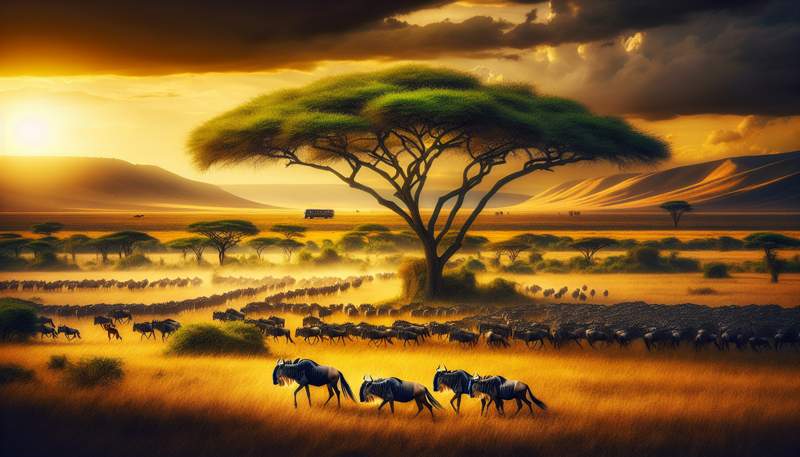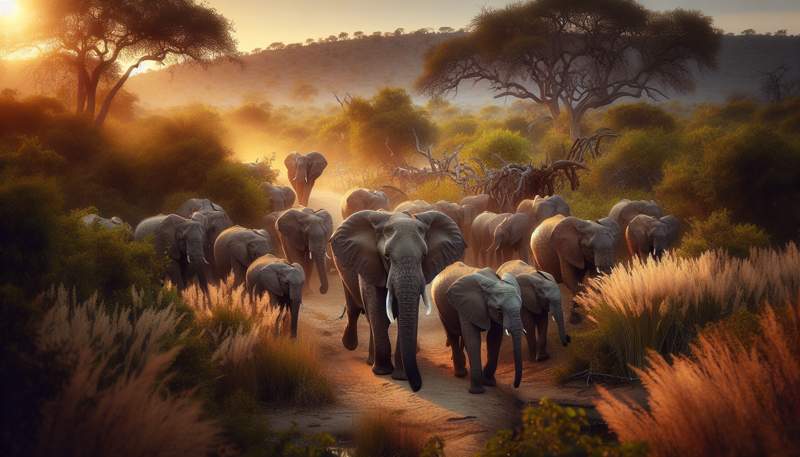
Self-driving in Kruger National Park is one of the most popular ways to experience African wildlife, and for good reason. It offers freedom, flexibility, and a sense of adventure that guided tours cannot quite replicate. But is it safe? The short answer is yes, but with important caveats that every visitor should understand before heading through the gates.
This guide covers everything you need to know about self-driving in Kruger, from road conditions and animal safety to gate times and emergency procedures, so you can plan a rewarding and incident-free visit in 2026.
Road Conditions and Vehicle Requirements
Kruger has an extensive road network totalling over 2,500 kilometres. The main routes (marked as H-roads on park maps) are tarred and well-maintained, suitable for any standard sedan or rental car. You do not need a 4x4 for the majority of Kruger's roads.
The secondary roads (S-roads) are mostly gravel. While passable in a regular car, a higher-clearance vehicle is more comfortable, particularly after rain when some gravel roads develop corrugations and potholes. If you plan to explore the more remote northern sections of the park, a vehicle with decent ground clearance is advisable.
Speed Limits
- Tarred roads: 50 km/h
- Gravel roads: 40 km/h
- In camps and rest areas: 20 km/h
These limits exist for your safety and the animals' protection. Animals cross roads without warning, and speeding is the primary cause of animal-vehicle collisions in the park. Drive slowly, keep your eyes on the road and the bush, and you will also spot far more wildlife.
Wildlife Safety: The Rules That Matter
The single most important safety rule in Kruger: never leave your vehicle except at designated rest camps, picnic spots, and viewpoints. Kruger is home to lions, leopards, elephants, buffalo, hippos, and many other dangerous animals. Your vehicle is your protection.
Encounters with Large Animals
Elephants deserve special respect. If an elephant approaches your car, do not rev your engine or try to reverse quickly. Stay calm, switch off the engine if the elephant is very close, and wait. Most elephant encounters are peaceful, and the animals will move on in their own time. If an elephant flares its ears and shakes its head, it is giving you a warning. Back away slowly if you can do so safely.
Lion sightings often cause traffic jams in Kruger. Stay in your vehicle, keep windows up if lions are very close, and never hang body parts out of the car for photos. Lions are habituated to vehicles but not to people on foot.
Buffalo and hippo are statistically more dangerous than lions and leopards. Give them wide berth, especially lone buffalo bulls and hippos near water crossings.
Gate Times: Plan Your Day Carefully
Kruger operates strict gate times. If you are not back at your camp gate before closing time, you will receive a fine. Gate times change by month:
- January to February: Gates open 5:30 AM, close 6:30 PM
- March: Gates open 5:30 AM, close 6:00 PM
- April: Gates open 6:00 AM, close 5:30 PM
- May to July: Gates open 6:00 AM, close 5:30 PM
- August to September: Gates open 6:00 AM, close 6:00 PM
- October: Gates open 5:30 AM, close 6:00 PM
- November to December: Gates open 5:30 AM, close 6:30 PM
Set an alarm and give yourself at least 45 minutes of buffer before gate closing. Getting stuck behind a herd of elephants on the road with 10 minutes until gate closure is a real possibility.
Practical Safety Tips for Self-Drivers
Before You Go
- Download the SANParks app and offline maps of Kruger
- Fill your fuel tank before entering the park (fuel is available at some rest camps, but do not rely on it)
- Carry plenty of water, snacks, and a fully charged phone
- Book your accommodation well in advance, especially during South African school holidays
On the Road
- Never feed animals, even small ones like monkeys and birds
- Keep a safe following distance from the vehicle ahead, especially at animal sightings
- Pull off the road completely when stopping to watch wildlife
- Watch for animals on the road, particularly at dawn and dusk
- Do not use your horn, even in frustration at traffic jams around sightings
Emergencies
If your vehicle breaks down, stay inside and call the park emergency number displayed at every camp. SANParks has a 24-hour emergency response service. Do not attempt to walk to the nearest camp. If you have a flat tyre, assess whether you can safely change it from inside a fenced area. If not, call for assistance.
Cell phone coverage in Kruger is patchy but generally available near rest camps and on major roads. Vodacom has the best coverage inside the park.
Is Self-Driving Better Than a Guided Safari?
Self-driving and guided safaris offer fundamentally different experiences. Self-driving gives you complete freedom to go where you want, stop when you want, and set your own pace. You will also save significant money compared to guided game drives.
However, experienced guides know where animals are, can track wildlife off-road (in private reserves), and provide expert commentary that enriches your understanding. For first-time visitors, a combination of self-driving and one or two guided drives from your rest camp is often the ideal approach.
For more detailed information on safari costs and planning, explore our Kruger safari cost guide and compare it with other top South African safari destinations.
If you prefer a mix of self-drive and guided experiences, GetYourGuide offers excellent guided game drives that depart directly from Kruger's rest camps.
The Verdict: Is Self-Driving Kruger Safe?
Self-driving in Kruger National Park is safe for visitors who follow the rules. Millions of people self-drive through the park every year without incident. The roads are good, the infrastructure is excellent, and the safety systems are well established. Respect the wildlife, obey the speed limits, stay in your vehicle, and you will have an extraordinary experience.
Kruger remains one of the most accessible Big Five safari destinations in the world, and self-driving is a huge part of what makes it special. Book your accommodation through Expedia to compare lodges and rest camps both inside and outside the park.