Yellowstone in winter is a completely different world from the crowded summer park most people picture. Snow blankets the landscape, geysers steam dramatically against freezing air, and wildlife is more visible than at any other time of year. But is it safe? Yes, with proper preparation and awareness of the genuine risks involved.
This guide covers everything you need to know about visiting Yellowstone safely in winter, from road conditions and wildlife encounters to hypothermia prevention and the unique experiences that make winter the best-kept secret in the park.
Road Access: What Is Open
The most important thing to understand about winter Yellowstone is that most roads are closed to regular vehicles from early November to mid-April. Only two road sections remain open to cars:
- North Entrance (Gardiner, Montana) to Northeast Entrance (Cooke City): Open year-round, this road passes through the Lamar Valley, which is the park's premier winter wildlife viewing area
- Mammoth Hot Springs to Tower Junction: Part of the above route, accessible year-round
All other park roads are groomed for oversnow travel only. Access to Old Faithful, Canyon Village, and the park's interior is by snowcoach or snowmobile only, through licensed tour operators with park permits.
Weather and Temperature
Winter temperatures in Yellowstone are genuinely extreme. Average daytime temperatures range from -5 to -15C (20 to 5F), with nighttime lows frequently dropping to -25C (-13F) or colder. Wind chill can push effective temperatures far below that.
Snowfall is heavy, with the park receiving an average of 150 inches (380 cm) per year. Storms can arrive rapidly and reduce visibility to near zero. Always check the National Weather Service forecast for Yellowstone before heading out.
Wildlife Safety in Winter
Bison
Bison are Yellowstone's most common large animal in winter, and they are responsible for more visitor injuries than any other species. In winter, bison frequently use groomed roads as travel corridors because the packed snow is easier to walk on than deep powder. This means you will encounter bison on the road, sometimes in large numbers.
Maintain at least 25 yards (23 metres) distance from bison at all times. If a bison is on the road, stop your vehicle and wait. Do not honk, rev your engine, or try to drive past at close range. A bison can run 35 mph and will charge if it feels threatened.
Wolves
Winter is the best time to see wolves in Yellowstone, particularly in the Lamar Valley. Wolves are generally not dangerous to humans in Yellowstone. Maintain a respectful distance (at least 100 yards) and use binoculars or a spotting scope. The wolf-watching community in the Lamar Valley is knowledgeable and welcoming to newcomers.
Elk and Moose
Elk and moose are common in winter and can be aggressive, particularly bull elk during the late rut (November) and cow moose protecting calves. Give them wide berth, at least 25 yards.
Thermal Area Safety
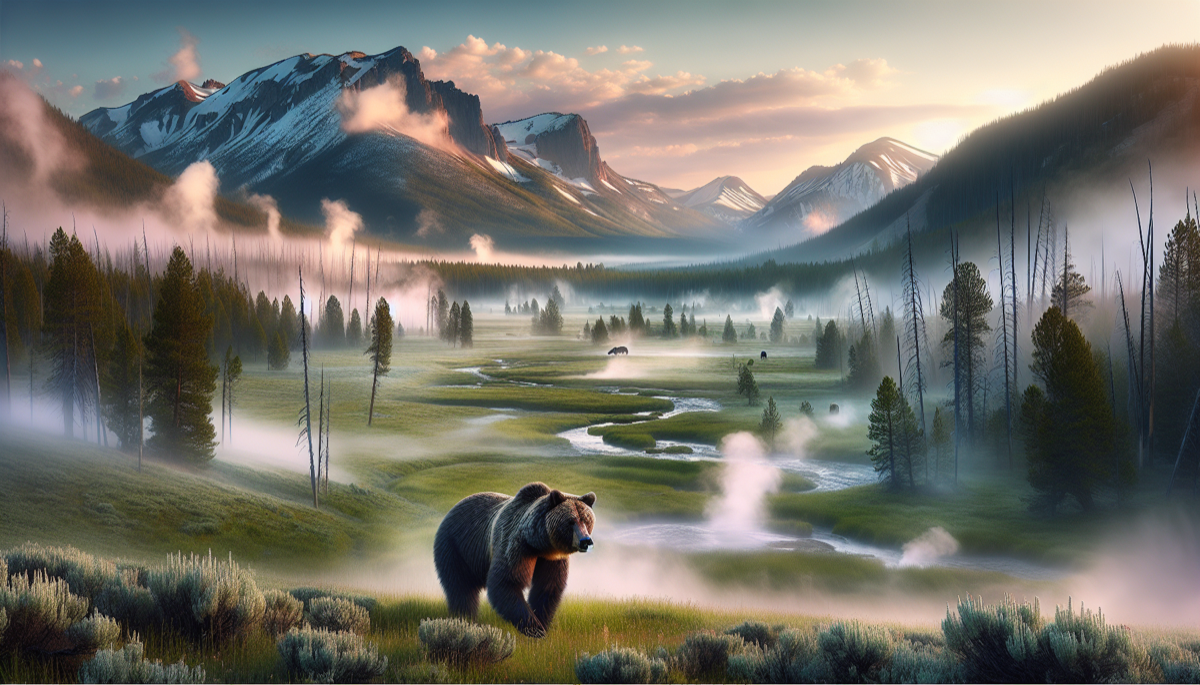
Yellowstone's thermal features are even more dangerous in winter than in summer. The contrast between boiling water and freezing air creates thick steam that can obscure the ground, and thin crusts of ice can form over scalding pools. Stay on boardwalks and marked trails at all times. The ground around thermal features can be thin enough to break through, with water temperatures exceeding 90C (200F) beneath the surface.
Several people have died in Yellowstone's thermal features. This is not an exaggeration or a theoretical risk. Treat every thermal area with extreme caution.
Driving Safety
The Gardiner-to-Cooke City road is the only car-accessible route in winter, and conditions can change rapidly:
- Black ice: Common, especially in early morning and late afternoon when melt-freeze cycles create slick surfaces
- Snow squalls: Can reduce visibility to near zero within minutes
- Wildlife on roads: Bison, elk, and wolves use the road, particularly in early morning and at dusk
- Limited services: No fuel, food, or repair services are available between Gardiner and Cooke City in winter (approximately 85 miles)
Use winter tyres or carry chains. Keep your fuel tank above half full. Carry an emergency kit with blankets, water, snacks, a flashlight, and a fully charged phone.
Why Winter Is Worth It
Despite the challenges, winter Yellowstone offers experiences impossible at other times of year:
- Wolf watching: Dark-coated wolves are far easier to spot against white snow, and pack activity is at its peak
- Thermal features: Geysers and hot springs are dramatically more photogenic against cold air, with massive steam plumes and frost-encrusted surroundings
- Solitude: Winter visitation is a fraction of summer numbers. You may have entire valleys to yourself
- Snow-adapted wildlife: Bison covered in frost, coyotes hunting in snow, and trumpeter swans on steaming rivers create iconic winter wildlife scenes
Planning Your Winter Visit
The best base for winter Yellowstone is Gardiner, Montana (North Entrance) or Mammoth Hot Springs (inside the park). For Old Faithful and the park's interior, book a snowcoach tour or guided snowmobile trip through licensed operators.
For accommodation near Yellowstone's winter entrances, Expedia offers competitive rates at hotels and lodges in Gardiner and nearby gateway towns. For guided winter wildlife tours, GetYourGuide features vetted Yellowstone winter experiences led by experienced naturalist guides.
Winter Yellowstone is safe, spectacular, and deeply rewarding for visitors who come prepared. Respect the weather, respect the wildlife, stay on marked trails near thermal features, and you will experience one of America's greatest national parks at its most magical.