Planning an African safari adventure for 2026? The eternal question facing wildlife enthusiasts is whether to choose Kenya or Tanzania for their bucket-list experience. Both East African nations offer spectacular wildlife viewing, diverse ecosystems, and unforgettable encounters with Africa's iconic animals. This comprehensive guide will help you decide which destination aligns best with your safari dreams, budget, and travel preferences.
Wildlife Viewing: A Tale of Two Wildebeest Migrations
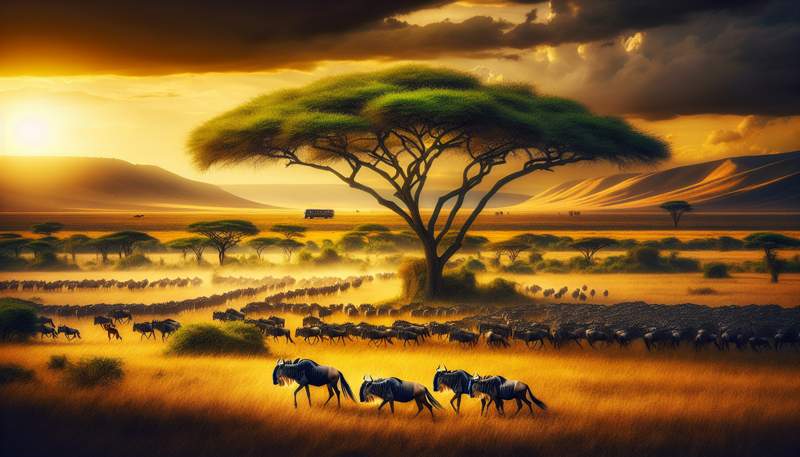
When comparing Kenya and Tanzania for wildlife viewing, the Great Migration often takes center stage. This natural phenomenon sees over 1.5 million wildebeest, 200,000 zebras, and countless gazelles traverse the Serengeti-Mara ecosystem annually.
Kenya's Wildlife Highlights
Kenya's crown jewel, the Maasai Mara, hosts the dramatic river crossings between July and October. The Mara River becomes a stage for life-and-death struggles as massive herds brave crocodile-infested waters. Beyond the migration, Kenya offers incredible year-round wildlife viewing:
- Samburu National Reserve showcases unique northern species like Grevy's zebras and reticulated giraffes
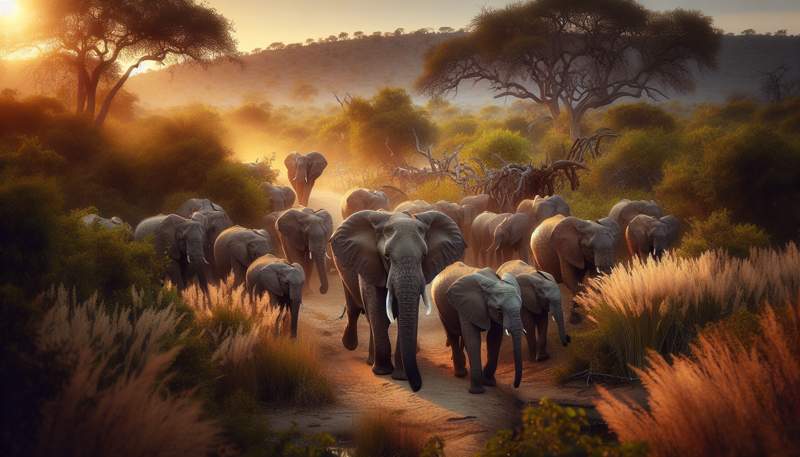
- Amboseli National Park provides iconic elephant herds against Mount Kilimanjaro's backdrop
- Lake Nakuru offers flamingo spectacles and rhino conservation successes
- Tsavo's vast wilderness harbors the famous "red elephants" and diverse predator populations
For detailed information about Kenya's wildlife diversity, explore our comprehensive guide to Africa's Big Five animals and where to spot them.
Tanzania's Wildlife Advantages
Tanzania commands the larger portion of the migration route, with herds spending approximately 8-10 months within its borders. The Serengeti's endless plains offer unparalleled wildlife density and variety:
- Serengeti National Park hosts calving season (January-March) when 400,000 wildebeest calves are born
- Ngorongoro Crater provides a natural amphitheater with guaranteed Big Five sightings
- Tarangire National Park features massive elephant concentrations and ancient baobab trees
- Lake Manyara showcases tree-climbing lions and diverse birdlife
- Selous Game Reserve offers boat safaris and walking safaris for varied wildlife experiences
Safari Costs and Budget Considerations
Budget plays a crucial role in safari destination selection. Both countries offer options across all price ranges, but there are notable differences in cost structures.
Kenya Safari Costs
Kenya generally offers more budget-friendly options, particularly for shorter safaris:
- Budget safaris: $150-250 per person per day
- Mid-range safaris: $300-500 per person per day
- Luxury safaris: $800-2000+ per person per day
Kenya's proximity to major population centers like Nairobi makes it accessible for shorter, cost-effective trips. Park fees are generally lower, and the concentration of camps and lodges creates competitive pricing.
Tanzania Safari Costs
Tanzania typically commands higher prices, especially in premium areas:
- Budget safaris: $200-300 per person per day
- Mid-range safaris: $400-650 per person per day
- Luxury safaris: $1000-3000+ per person per day
Tanzania's conservation fees and concession costs contribute to higher overall expenses. However, many travelers find the exclusivity and pristine wilderness justify the premium pricing. For detailed budget planning, check our safari cost breakdown guide.
Accommodation Options: From Budget to Ultra-Luxury
Both destinations cater to every accommodation preference, from basic camping to world-class luxury lodges.
Kenya Accommodation Highlights
Kenya offers an impressive range of stays, with many iconic properties:
- Budget camping and guesthouses starting from $30-50 per night
- Mid-range lodges and tented camps ($100-300 per night)
- Luxury properties like Angama Mara and Fairmont Mara Safari Club ($500-1500 per night)
- Ultra-luxury experiences at exclusive conservancies ($2000+ per night)
Tanzania Accommodation Excellence
Tanzania's accommodation scene emphasizes luxury and exclusivity:
- Budget options limited but available ($40-80 per night)
- Excellent mid-range camps and lodges ($150-400 per night)
- World-renowned luxury properties like Four Seasons Serengeti and Singita ($800-2000 per night)
- Ultra-exclusive mobile camps and private concessions ($3000+ per night)
For accommodation bookings, Expedia offers extensive safari lodge options in both countries.
Getting There: Accessibility and Logistics
Transportation logistics can significantly impact your safari choice, especially for shorter trips.
Kenya Accessibility
Kenya offers superior accessibility for most international travelers:
- Jomo Kenyatta International Airport (Nairobi) receives numerous international flights
- Shorter driving distances to major parks (Maasai Mara is 5-6 hours from Nairobi)
- Excellent domestic flight networks
- More frequent charter flight options
- Better road infrastructure in tourist areas
Tanzania Logistics
Tanzania requires more planning but offers rewarding experiences:
- Julius Nyerere International Airport (Dar es Salaam) and Kilimanjaro International Airport serve different regions
- Longer transfer times to northern circuit parks
- Excellent domestic flight connections between parks
- More remote locations offer pristine wilderness experiences
- Arusha serves as an excellent northern safari hub
Book flights through Expedia for competitive safari destination airfares.
Beyond the Big Five: Unique Experiences
Kenya's Special Offerings
Kenya provides diverse experiences beyond traditional game drives:
- Cultural interactions with Maasai communities
- Camel safaris in Samburu region
- Beach extensions in coastal Mombasa and Malindi
- Mountain climbing on Mount Kenya
- Hot air balloon safaris over the Mara
Tanzania's Unique Adventures
Tanzania offers unmatched diversity in safari and adventure experiences:
- Mount Kilimanjaro climbing expeditions
- Zanzibar's pristine beaches and Stone Town culture
- Walking safaris in Ruaha and Selous
- Boat safaris on Rufiji River
- Cultural experiences with Hadzabe bushmen
Discover unique safari activities through GetYourGuide for both destinations.
Best Time to Visit in 2026
Timing your 2026 safari depends on your priorities and preferences.
Kenya's Optimal Seasons
- July-October: Great Migration river crossings, dry conditions, excellent game viewing
- January-March: Calving season in southern Mara, fewer crowds, good weather
- June and November: Shoulder seasons with moderate crowds and good conditions
Tanzania's Peak Periods
- December-March: Calving season, lush landscapes, excellent photography conditions
- June-October: Dry season, concentrated wildlife around water sources
- April-May: Green season, fewer tourists, dramatic skies
For comprehensive destination planning, explore our detailed East Africa safari guide.
The Verdict: Choosing Your 2026 Safari Destination
Both Kenya and Tanzania offer world-class safari experiences, and your choice depends on personal priorities:
Choose Kenya if: You prefer shorter travel times, more budget-friendly options, guaranteed river crossing viewing, easier accessibility, and combination beach/safari trips.
Choose Tanzania if: You seek exclusive wilderness experiences, don't mind higher costs for premium experiences, want to witness calving season, prefer less crowded parks, and desire add-on adventures like Kilimanjaro or Zanzibar.
Ultimately, both destinations deliver life-changing wildlife encounters and memories that last forever. Consider your budget, time constraints, and travel style when making this exciting decision. Many safari enthusiasts end up visiting both countries eventually – and for good reason. Book your 2026 safari adventure through BookAllSafaris for expert guidance and competitive pricing for either destination.