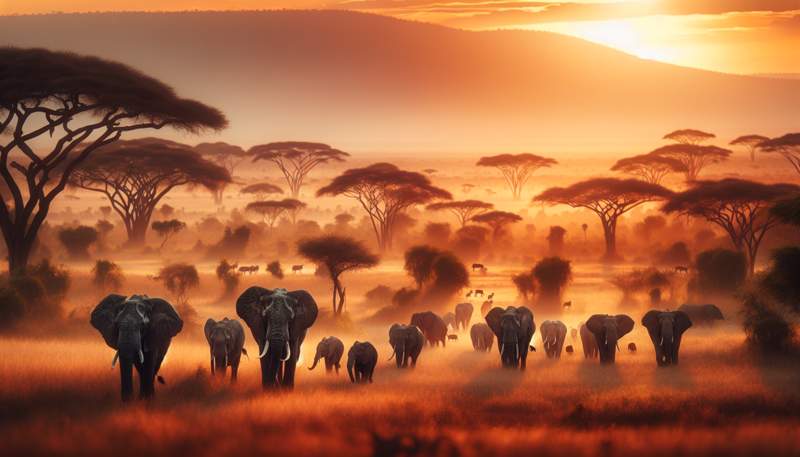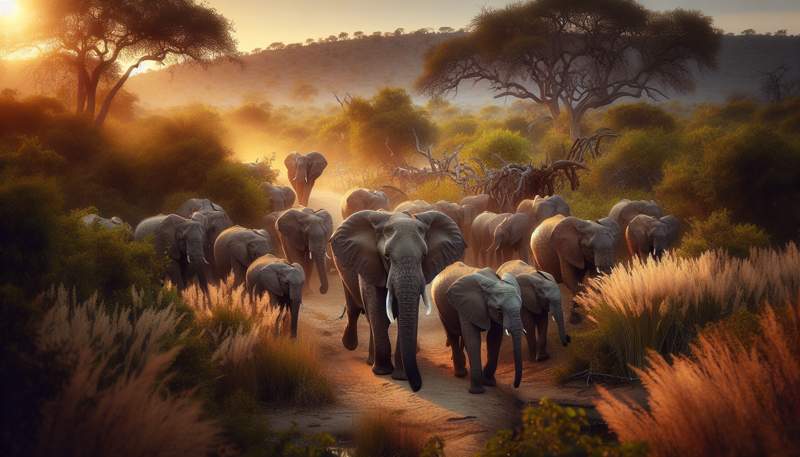
The Okavango Delta and Kruger National Park are two of Africa's most iconic safari destinations, but they offer fundamentally different experiences. Choosing between them depends on your budget, travel style, wildlife priorities, and what kind of safari you are looking for. This detailed comparison covers every factor that matters so you can make the right choice for your 2026 safari.
The Quick Comparison
| Factor | Okavango Delta | Kruger National Park |
|---|---|---|
| Cost per day | $500-2,000+ | $50-800+ |
| Self-drive option | No | Yes |
| Exclusivity | Very high | Variable (low in public, high in private) |
| Big Five | Yes | Yes |
| Unique activities | Mokoro rides, scenic flights | Self-drive, bush walks |
| Best for | Luxury, exclusive, water-based | Budget to luxury, self-drive, families |
Wildlife: What You Will See
Okavango Delta
The Delta supports all Big Five species, though rhino sightings are less common than in Kruger. What makes the Delta special is the combination of water-based and land-based wildlife viewing. You can watch elephants swimming between islands, hippos surfacing beside your mokoro, and African wild dogs hunting across floodplains.
The Delta is arguably Africa's best destination for wild dog sightings, with healthy packs roaming the Moremi Game Reserve and surrounding concessions. Birdlife is exceptional, with over 400 species recorded, including Pel's fishing owl and African skimmers.
Kruger National Park
Kruger has the highest biodiversity of any African national park, with 147 mammal species, 507 bird species, and 114 reptile species. The Big Five are all present in good numbers. Kruger's huge size (nearly 20,000 square kilometres) means that while animals are distributed over a vast area, the sheer numbers are impressive.
The southern section of Kruger is famous for lion and rhino sightings, while the central region around Satara is considered the best area for predator viewing. The far north offers a more remote, less-visited wilderness experience.
Cost Comparison
Okavango Delta: Premium Pricing
The Okavango Delta is Botswana's flagship safari destination, and Botswana deliberately positions itself as a high-cost, low-impact tourism destination. A typical 3-night stay at a mid-range Delta camp costs $1,500-3,000 per person sharing, inclusive of meals, activities, and drinks. Luxury camps like Mombo and Jao range from $2,000-4,000 per person per night.
Most Delta camps are fly-in only, adding $300-600 per person for light aircraft transfers from Maun. There is no budget option in the Delta proper, though budget travelers can access the eastern fringes from Maun.
Kruger: Something for Every Budget
Kruger's range is extraordinary. Self-catering rest camps like Skukuza and Satara cost R800-1,500 ($45-85) per night for a basic bungalow. Mid-range lodges in the Greater Kruger area run $200-500 per person per night, while luxury Sabi Sands properties command $500-2,000+ per person per night.
Self-driving eliminates the cost of guided game drives and allows budget travelers to experience Big Five safari for under $100 per day, including accommodation, fuel, and park fees.
For detailed cost comparisons, check our guides on Kruger safari costs and Botswana safari budgets.
The Experience: What It Feels Like
Okavango Delta
A Delta safari feels exclusive, remote, and otherworldly. You fly in by light aircraft, landing on a grass strip in the middle of the wilderness. Your camp is an island in a vast floodplain, and the silence is profound. Game drives are unhurried, mokoro rides are meditative, and the focus is on quality over quantity.
The water element sets the Delta apart from every other safari destination. Gliding through papyrus channels at eye level with the wildlife creates an intimacy that vehicle-based safaris cannot replicate.
Kruger National Park
A Kruger safari is more accessible and varied. Self-driving gives you independence and the thrill of discovering wildlife on your own terms. Rest camps have restaurants, shops, and swimming pools, making Kruger family-friendly in a way that remote Botswana camps are not.
The trade-off is that Kruger, especially the southern section, can feel busy during South African school holidays. Traffic jams at lion sightings are a real phenomenon. For exclusivity within the Kruger ecosystem, book a private reserve like Sabi Sands or Timbavati, where vehicle numbers are strictly limited.
Best Time to Visit Each
Okavango Delta
The Delta is best from May to October when flood waters are high and wildlife concentrates on islands. The annual flood, originating from Angolan rains, typically peaks between June and August. This is peak season with peak pricing.
Kruger
Kruger's dry season (May to September) offers the best general game viewing. However, summer (November to March) brings lush landscapes, baby animals, and significantly lower prices.
How to Book
Compare safari packages across both destinations on BookAllSafaris, or use Expedia to find flights and accommodation deals for either destination. For a bespoke itinerary that combines both, Safari.com specializes in multi-destination African safari planning.