Polar Bear Viewing in Churchill: The Complete Experience
Every autumn, something extraordinary happens in the tiny town of Churchill, Manitoba. Hundreds of polar bears gather along the shores of Hudson Bay, waiting for the sea ice to form so they can head out to hunt ringed seals. For a few precious weeks, this remote subarctic outpost becomes the Polar Bear Capital of the World — and one of the most incredible wildlife experiences on the planet.
Churchill offers something almost no other destination can: the chance to see polar bears in the wild, at close range, in an accessible and well-organized tourism infrastructure. Here's everything you need to know to plan your trip.
When to Go: The Polar Bear Season
The prime polar bear viewing season runs from mid-October through mid-November. During this window:
- Mid-October: Bears begin congregating along the coast. Sightings are already good, and the tundra shows its autumn colors.
- Late October – Early November: Peak numbers. The largest concentration of bears gathers near Churchill, with mothers and cubs, sparring males, and solitary bears all visible.
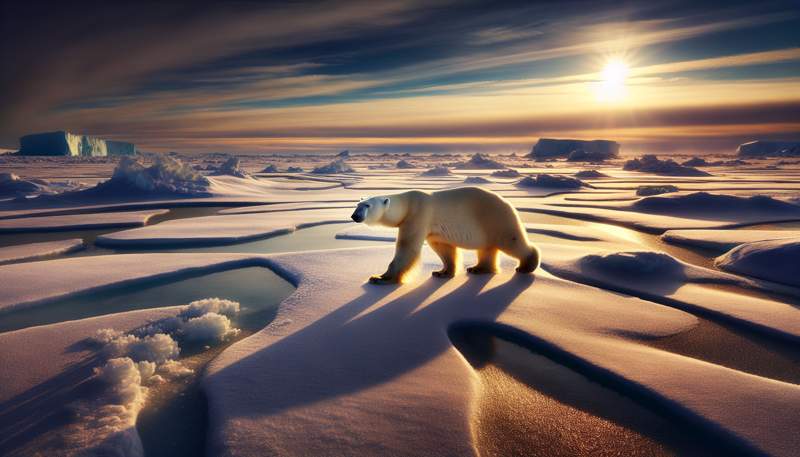
- Mid-to-late November: The ice begins to form on Hudson Bay. Bears head out to sea, and the season winds down. This period can offer dramatic sightings of bears testing the ice and heading out to hunt.
Each year's timing depends on when the bay freezes — climate change has been pushing ice formation later, extending the viewing season but creating real challenges for the bears themselves.
Important: This is a narrow window. Most tour operators offer trips only from mid-October through late November. Book 6–12 months in advance — popular dates sell out a year ahead.
Find polar bear viewing tours on GetYourGuide to compare operators and secure your spot early.
How to Get to Churchill
Churchill is one of the most remote communities in Canada. There are no roads connecting Churchill to the rest of the country. You have two options:
By Air (Recommended)
Fly from Winnipeg to Churchill on Calm Air or Canadian North. The flight takes about 2.5 hours. Flights operate daily during polar bear season but fill quickly — book as part of your tour package or well in advance.
Expect round-trip airfare of approximately CAD $1,200–$1,800 ($900–$1,350 USD) from Winnipeg.
By Train
Via Rail operates a train from Winnipeg to Churchill — a legendary 44-hour journey through the boreal forest and tundra. It's an adventure in itself, though delays are common. The train runs twice weekly. Sleeper class costs approximately CAD $500–$1,500 one-way depending on class.
Tip: Most visitors fly in and fly out. The train is a wonderful experience if you have the time and flexibility, but not ideal if you're on a tight schedule.
Tundra Buggy Tours: The Signature Experience
The iconic Churchill polar bear experience is the tundra buggy — a massive, purpose-built vehicle that looks like a bus on monster-truck wheels. These vehicles are specifically designed to traverse the frozen tundra while keeping passengers safe and warm at polar bear eye level.
What to Expect on a Tundra Buggy Day
- Departure: Most tours depart early morning from the Churchill tundra buggy launch facility.
- Duration: A full day on the tundra, typically 8–10 hours with lunch served onboard.
- Viewing: Bears are spotted from an elevated rear platform (open-air but protected by railings) and through large windows inside the heated cabin.
- Proximity: Bears frequently approach the buggies out of curiosity. It's common to have polar bears standing on their hind legs, peering directly at you from just a few feet away.
- Other wildlife: Arctic foxes (often in their white winter coats), arctic hares, ptarmigan, and occasionally snowy owls are also spotted.
Tundra Buggy Lodge
For the ultimate experience, some operators offer stays at a Tundra Buggy Lodge — a chain of converted buggies parked on the tundra itself. You sleep on the tundra overnight, with polar bears literally walking beneath your window. This is a once-in-a-lifetime experience, with very limited availability and prices to match.
Tour Costs: What to Budget
A Churchill polar bear trip is not a budget experience, but it delivers extraordinary value for the wildlife encounter you receive.
Multi-Day Tour Packages (Most Common)
- 3–4 night packages: $5,000–$7,000 USD per person. Typically includes flights from Winnipeg, accommodation in Churchill, 2–3 tundra buggy excursions, meals, and guided town tours.
- 5–7 night premium packages: $7,000–$10,000+ USD per person. Includes extended tundra time, Tundra Buggy Lodge stay, cultural experiences, helicopter flights, and more.
- Budget options: Independent travelers can book day trips on the tundra buggy (approximately $400–$600 per day) and arrange their own flights and accommodation. Total costs: $3,000–$4,500.
Major Tour Operators
- Frontiers North Adventures — The original tundra buggy operator and owner of the Tundra Buggy Lodge.
- Natural Habitat Adventures — Partners with WWF; excellent for conservation-minded travelers.
- Churchill Wild — Walking tours with polar bears at remote ecolodges (for the adventurous).
- Great White Bear Tours — Locally owned; excellent guides and smaller groups.
Beyond Polar Bears: Other Churchill Experiences
Beluga Whales (July–August)
Every summer, an estimated 57,000 beluga whales migrate into the Churchill River estuary — one of the largest concentrations in the world. You can kayak, paddleboard, or take boat tours among these curious, friendly whales. Some operators offer snorkeling with belugas in drysuits. The beluga season (late June through mid-August) offers a completely different but equally magical Churchill experience.
Northern Lights
Churchill sits directly beneath the auroral oval, making it one of the best places on Earth to see the northern lights. The aurora is visible on an average of 300 nights per year. During polar bear season (October–November), dark skies arrive early, and you'll have excellent chances of seeing spectacular displays. Many tour operators include evening aurora viewing in their packages.
Town of Churchill
The town itself (population ~900) has a fascinating history and culture. Visit the Itsanitaq Museum for Inuit artifacts, explore the remains of the Prince of Wales Fort (a massive 18th-century Hudson's Bay Company stone fort), and chat with locals at the handful of restaurants and shops. The town has a genuine frontier character that adds to the adventure.
Packing for Extreme Cold
Churchill in October and November is seriously cold. Temperatures range from -10°C to -30°C (14°F to -22°F), often with biting wind off Hudson Bay. Proper gear is non-negotiable.
Essential Layers
- Base layer: Merino wool or synthetic thermal tops and bottoms. Avoid cotton — it traps moisture and chills you rapidly.
- Mid layer: Fleece jacket and pants, or a down mid-layer for maximum warmth.
- Outer layer: Windproof, waterproof parka rated to at least -30°C. Many tour operators provide or lend parkas — check before buying.
- Pants: Insulated snow pants or heavy-duty wind pants over your mid-layer.
Extremities (Where You'll Feel the Cold First)
- Boots: Insulated, waterproof winter boots rated to -40°C. Brands like Baffin, Kamik, or Sorel are popular choices. Do not underestimate this — cold feet can ruin a tundra buggy day.
- Gloves: Bring two pairs — thin liner gloves for operating camera controls, and heavy insulated mittens for when you're not shooting.
- Head: Warm toque (beanie) that covers ears, plus a balaclava or neck gaiter for the outdoor viewing platform.
- Hand warmers / toe warmers: Disposable chemical warmers are a lifesaver. Bring a dozen packs.
Camera Gear in Extreme Cold
- Batteries drain rapidly in cold — bring at least 3 fully charged batteries and keep spares warm in inside pockets.
- Avoid breathing on your viewfinder or lens (moisture freezes instantly).
- When returning to warm spaces, seal your camera in a zip-lock bag to prevent condensation.
- A 100–400mm or 200–600mm lens handles most polar bear encounters well.
Tip: Most multi-day tour packages include or loan extreme cold weather gear. Contact your operator before buying expensive clothing you may only use once.
Conservation Note
Polar bears are classified as Vulnerable by the IUCN, with an estimated 22,000–31,000 remaining in the wild. The Western Hudson Bay population that visits Churchill has declined from approximately 1,200 in the 1980s to around 800 today, largely due to earlier sea ice breakup driven by climate change.
Tourism in Churchill directly supports polar bear conservation. Tour fees fund research programs, and the economic value of living polar bears gives communities a powerful incentive to protect them. By visiting Churchill responsibly, you're contributing to the survival of these extraordinary animals.
Seeing a wild polar bear — massive, powerful, ghostly white against the grey tundra — is one of nature's most humbling experiences. Churchill makes it accessible, comfortable, and unforgettable. Compare flights to Winnipeg on Expedia, gear up with cold weather gear from Amazon, and make sure you're covered with adventure travel insurance from World Nomads.