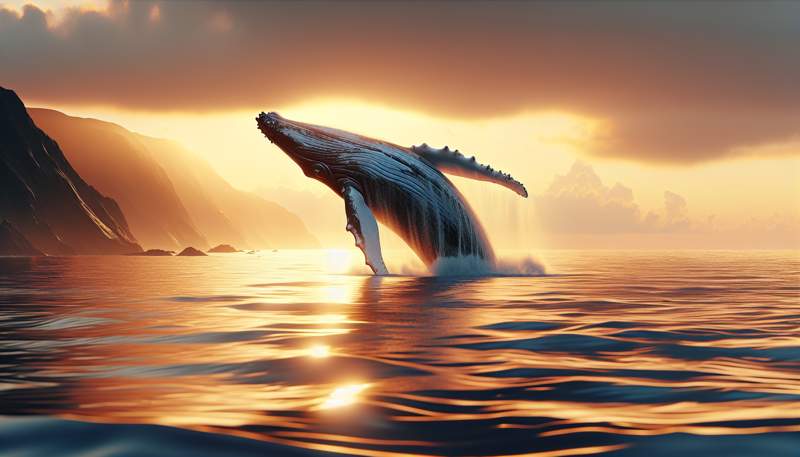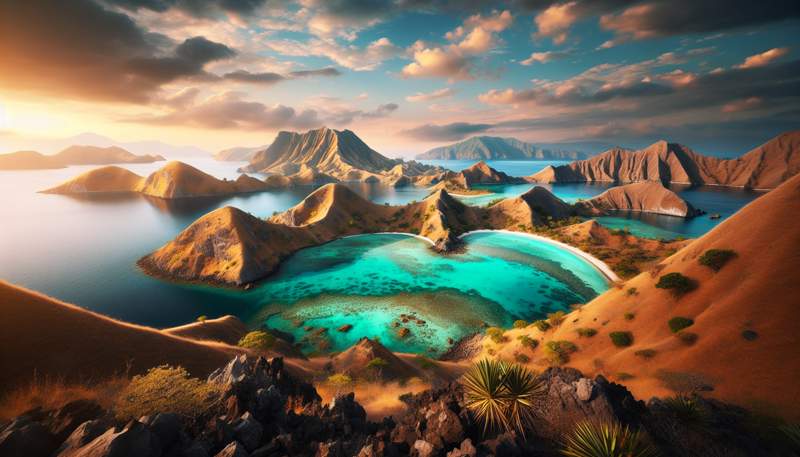
Diving beneath the surface to capture stunning images of marine life is one of the most rewarding and challenging forms of photography. Underwater wildlife photography opens up a completely different world filled with vibrant coral reefs, majestic sea creatures, and ethereal lighting that simply cannot be experienced on land. Whether you're dreaming of photographing colorful tropical fish, graceful sea turtles, or magnificent sharks, this comprehensive guide will equip you with the knowledge and techniques needed to start your underwater photography journey.
Understanding the Unique Challenges of Underwater Photography
Before diving into the technical aspects, it's crucial to understand why underwater photography presents unique challenges that don't exist in terrestrial wildlife photography. Water significantly affects light transmission, with colors filtering out at different depths—reds disappear first around 15 feet, followed by oranges and yellows. This means your images will naturally have a blue or green cast without proper lighting techniques.
Water also acts as a magnifying glass, making subjects appear approximately 25% larger and closer than they actually are. This optical phenomenon affects your focusing and composition decisions. Additionally, water particles and marine snow can scatter light, reducing contrast and sharpness in your images. Understanding these physical properties is the foundation of successful underwater wildlife photography.
Essential Equipment for Underwater Wildlife Photography
Camera and Housing Systems
Your camera choice will largely depend on your budget and experience level. Mirrorless cameras have become increasingly popular for underwater photography due to their compact size and excellent image quality. Popular options include the Sony Alpha series, Canon EOS R models, and Olympus OM-D cameras. For beginners, even high-quality compact cameras can produce stunning results.
The housing is arguably more important than the camera itself. It must be completely waterproof and provide access to essential camera controls. Brands like Nauticam, Ikelite, and Sea&Sea offer reliable housing systems. Before each dive, always perform thorough leak tests and maintain O-ring seals meticulously. You can find quality underwater photography equipment on Amazon to get started with your gear collection.
Lighting Equipment
Underwater strobes are essential for restoring natural colors and adding contrast to your images. Start with at least one strobe, though two strobes provide more even lighting and creative possibilities. Video lights are useful for continuous lighting and can help with focusing in low-light conditions. Red filters can help restore warm tones when shooting in shallow water without strobes, but they're no substitute for proper artificial lighting.
💡 Pro Tip: Strobe Positioning
Position your strobes away from your camera at 45-degree angles to minimize backscatter from particles in the water. The farther your strobes are from the camera-to-subject line, the less backscatter you'll encounter.
Diving Skills and Safety Considerations
Before attempting underwater photography, you must be a confident and skilled diver. Excellent buoyancy control is absolutely critical—not only for capturing sharp images but also for protecting fragile marine ecosystems. Poor buoyancy can damage coral reefs and disturb marine life, which goes against responsible wildlife photography principles.
Consider taking a specialty underwater photography course through organizations like PADI or SSI. These courses teach photography-specific skills like underwater communication, equipment handling, and marine life approach techniques. Remember, your safety and the safety of marine life always takes priority over getting the perfect shot.
When planning your underwater photography adventures, consider booking guided dive trips through GetYourGuide's diving experiences or Viator's marine wildlife tours, where experienced guides can help you locate the best subjects while ensuring safe diving practices.
Camera Settings and Techniques
Exposure Settings
Underwater photography requires different exposure considerations than land-based photography. Start with manual mode to have complete control over your settings. Use the lowest ISO possible (typically 100-400) to minimize noise, as water naturally reduces light transmission. Aperture settings between f/8 and f/11 often provide the best balance of depth of field and sharpness for most underwater subjects.
Shutter speed becomes crucial when photographing moving marine life. For most fish, 1/125th of a second or faster will freeze motion, while slower speeds can create interesting motion blur effects with schools of fish or flowing coral formations.
Focus and Composition
Autofocus can struggle underwater, especially in low-light conditions. Use single-point autofocus and aim for the eye of your subject when photographing marine animals. For close-up macro work, manual focus often provides more consistent results. The sea turtle is an excellent subject for beginners to practice with, as they're typically slow-moving and relatively approachable.
Follow the rule of thirds, but remember that underwater, you often want to shoot upward to use the surface as a bright background. This technique, called "shooting up," creates dramatic silhouettes and helps separate your subject from the background.
Best Locations for Underwater Wildlife Photography
Choosing the right destination can make or break your underwater photography experience. Tropical destinations offer the most diverse marine life and clearest waters. The Maldives, Red Sea, Caribbean, and Indo-Pacific regions are renowned for their incredible biodiversity and visibility.
For beginners, destinations like Bonaire, the Bahamas, or the Great Barrier Reef offer excellent learning opportunities with calm conditions and abundant marine life. Each location offers unique photographic opportunities—from the hammerhead sharks of the Galápagos to the colorful reef fish of Southeast Asia.
Consider the seasonal patterns of marine life when planning your trip. Many destinations have specific seasons for different species, such as whale shark aggregations or coral spawning events. Research these patterns and plan accordingly to maximize your photographic opportunities. You can find excellent diving destinations and accommodations through Safari.com's marine wildlife experiences.
⚠️ Important: Marine Life Ethics
Never touch, chase, or harass marine life for a photograph. Maintain respectful distances, avoid using flash on sensitive species, and never manipulate the environment. Remember, you're a visitor in their home.
Post-Processing Underwater Images
Post-processing is crucial for underwater images due to the color filtration effects of water. Color correction is your first priority—restore reds and warm tones that were filtered out by the water. Software like Adobe Lightroom and Photoshop offer excellent tools for this purpose.
Adjust white balance to counteract the blue/green color cast. Increase vibrance and saturation selectively to bring out the natural colors of marine life. Be careful not to over-process—the goal is to restore natural colors, not create an artificial look.
Contrast and clarity adjustments can help compensate for the light-scattering effects of water particles. Local adjustments using masking tools allow you to selectively enhance your subjects while maintaining natural-looking backgrounds.
Planning Your Underwater Photography Budget
Underwater photography requires significant initial investment, but costs can be managed with careful planning. Entry-level setups including a compact camera, housing, and basic lighting can start around $2,000-3,000. Professional setups can easily exceed $10,000-15,000.
Factor in ongoing costs like dive training, travel to diving destinations, equipment maintenance, and periodic housing service. Many dive centers offer equipment rental, which is an excellent way to try different setups before purchasing. For detailed budget planning, check our comprehensive guide on underwater photography costs.
Consider travel insurance that covers expensive camera equipment, especially for international diving trips. World Nomads offers specialized coverage for adventure activities including diving with expensive equipment.
Building Your Skills Over Time
Underwater wildlife photography is a skill that develops over many years and hundreds of dives. Start with simple subjects like stationary corals and slow-moving fish before progressing to more challenging subjects like fast-moving pelagic species or complex macro subjects.
Join underwater photography communities online and in-person to learn from experienced photographers. Many dive destinations have photography workshops and photo competitions that provide excellent learning opportunities. Practice in local waters whenever possible—even if conditions aren't perfect, it's valuable time to master your equipment and techniques.
Consider specializing in particular types of underwater photography, such as macro photography of small reef creatures, wide-angle reef scenes, or pelagic wildlife photography. Each discipline requires different techniques and equipment configurations.
Underwater wildlife photography offers unparalleled opportunities to document and share the beauty of marine ecosystems. With proper preparation, equipment, and respect for marine life, you'll be able to capture stunning images that not only showcase your artistic vision but also help promote ocean conservation. Remember that every dive is a learning experience, and the most important element is developing a deep appreciation and respect for the underwater world you're privileged to photograph. Start planning your first underwater photography adventure today, and prepare to be amazed by the incredible diversity of life beneath the waves.