For the ultimate wildlife enthusiast, few experiences compare to the raw authenticity of walking safaris in Africa. Unlike traditional vehicle-based game drives, walking safaris offer an unparalleled opportunity to encounter the legendary Big Five – lions, elephants, buffalos, leopards, and rhinoceros – on foot, creating an intimate connection with Africa's wilderness that transforms how you perceive these magnificent creatures.
The Evolution of Walking Safaris in Africa
Walking safaris represent the purest form of wildlife observation, harking back to the days when early explorers traversed the African continent on foot. Today's walking safaris combine this traditional approach with modern safety protocols and expert guidance, offering adventurers the chance to experience Africa's wilderness as our ancestors did – through heightened senses, careful observation, and respectful coexistence with nature.
The concept gained popularity in Zambia during the 1950s and has since spread across the continent. Professional guides, armed with extensive knowledge of animal behavior and wilderness survival skills, lead small groups through carefully selected territories where encounters with the Big Five animals remain possible while maintaining safety standards.
Why Choose Walking Safaris Over Vehicle-Based Game Drives
Walking safaris engage all five senses in ways that vehicle-based experiences cannot match. The crunch of leaves underfoot, the distant roar of a lion, the musky scent of elephants, and the ability to examine animal tracks up close create a multisensory adventure that connects you intimately with the African bush.
Enhanced Wildlife Awareness
On foot, you'll develop an acute awareness of your surroundings. Every sound becomes significant, every movement catches your attention, and your guide will teach you to read the landscape like a book. You'll learn to identify:
- Fresh animal tracks and their meanings
- Scat analysis for species identification
- Territorial markings and feeding signs
- Bird alarm calls that indicate predator presence
- Seasonal migration patterns and animal behavior
Photographic Opportunities
Walking safaris provide unique photographic perspectives impossible from vehicles. Ground-level shots, intimate behavioral captures, and the ability to position yourself strategically (under professional guidance) result in extraordinary wildlife photography opportunities.
Best Destinations for Big Five Walking Safaris
Several African destinations excel in providing safe, rewarding walking safari experiences with Big Five potential.
South Luangwa National Park, Zambia
Considered the birthplace of walking safaris, South Luangwa offers exceptional Big Five encounters. The park's diverse ecosystems support healthy populations of all five species, with particularly impressive leopard and elephant sightings. Book your Zambian walking safari to experience this legendary destination.
Kruger National Park, South Africa
Kruger's wilderness trails provide guided walking experiences in designated areas known for Big Five activity. The park's excellent infrastructure and experienced guides make it ideal for first-time walking safari participants.
Mana Pools National Park, Zimbabwe
This UNESCO World Heritage site allows walking safaris in an area famous for its elephant populations and increasing rhino numbers. The park's unique landscape provides excellent visibility and memorable encounters.
Northern Tanzania
The Serengeti ecosystem and surrounding conservancies offer walking safari opportunities, particularly during migration seasons when wildlife concentrations reach peak levels.
Encountering the Big Five on Foot
Each Big Five species presents unique challenges and rewards when encountered during walking safaris.
African Elephants
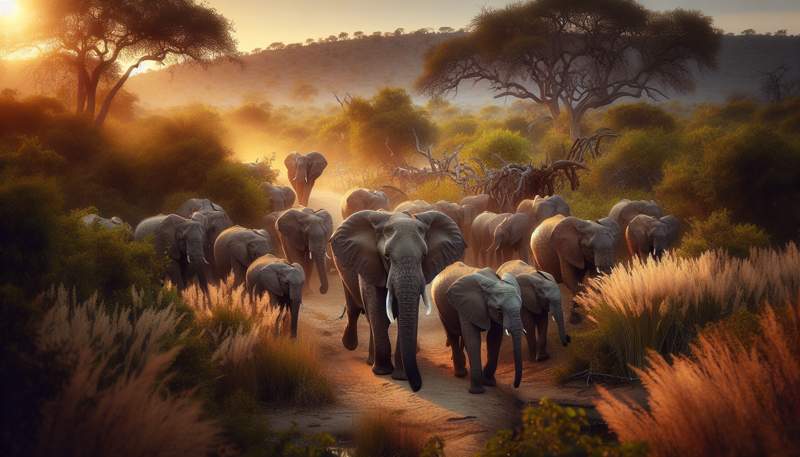
Elephants are frequently encountered on walking safaris due to their size and relatively predictable behavior. Experienced guides can assess elephant mood through body language, allowing for safe observation. The experience of watching elephants feed, interact socially, or protect their young from ground level creates lasting memories.
African Lions
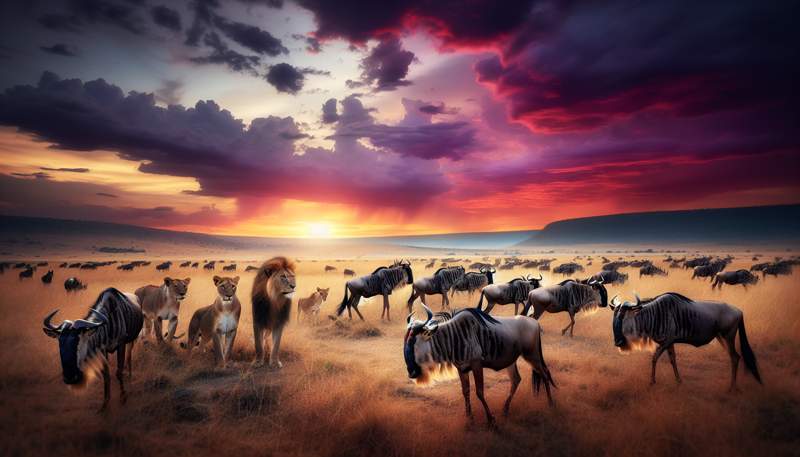
Lion encounters require extreme caution and expert guidance. Guides typically maintain significant distances and position groups strategically. Dawn and dusk walks offer the best opportunities for lion sightings, as these apex predators are most active during cooler temperatures.
African Leopards
These elusive cats are rarely seen on walking safaris, but their signs – tracks, scat, territorial markings – are commonly observed. When sightings occur, they're often brief but incredibly rewarding due to leopards' secretive nature.
Cape Buffalo
Buffalo herds are spectacular to observe from a safe distance. These powerful animals can be unpredictable, so guides maintain respectful distances while providing opportunities to observe their complex social structures and grazing patterns.
Black and White Rhinoceros
Rhino encounters represent the pinnacle of walking safari experiences due to these species' endangered status. When possible, such encounters are carefully managed with conservation goals in mind, often supporting anti-poaching efforts.
Essential Preparation and Gear
Proper preparation enhances safety and enjoyment during Big Five walking safaris.
Physical Fitness Requirements
Walking safaris demand moderate to good fitness levels. Daily walks can last 3-6 hours over varied terrain. Participants should be comfortable walking several miles and potentially moving quickly when guides require immediate responses to wildlife situations.
Essential Equipment
Quality safari gear significantly impacts your experience. Essential safari equipment includes:
- Sturdy, comfortable walking boots with ankle support
- Lightweight, earth-toned clothing
- Sun protection including wide-brimmed hats
- Quality binoculars for wildlife observation
- Camera equipment with telephoto capabilities
- Insect repellent and sunscreen
- Personal first aid supplies
Clothing Considerations
Neutral colors like khaki, olive, and brown help you blend with the environment. Avoid bright colors, white clothing, or anything that rustles loudly. Layered clothing accommodates temperature variations throughout the day.
Safety Protocols and Risk Management
Professional walking safari operators implement comprehensive safety protocols to minimize risks while maximizing wildlife encounters.
Guide Expertise
Qualified guides undergo extensive training in:
- Animal behavior and body language interpretation
- Wilderness first aid and emergency response
- Weapon handling and safety procedures
- Radio communication and evacuation protocols
- Environmental awareness and weather assessment
Group Size and Management
Walking safari groups typically include 4-8 participants to maintain safety and minimize environmental impact. Guides position group members strategically and provide clear instructions for various wildlife encounter scenarios.
Conservation Impact of Walking Safaris
Walking safaris contribute significantly to wildlife conservation efforts across Africa. Revenue from these experiences supports:
- Anti-poaching initiatives protecting Big Five species
- Local community employment and education programs
- Habitat preservation and restoration projects
- Research and monitoring of wildlife populations
- Sustainable tourism development in rural areas
Many operators partner with conservation organizations, ensuring that your walking safari directly supports the protection of the animals you're observing.
Planning Your Big Five Walking Safari
Seasonal Considerations
Timing significantly impacts your walking safari experience. Dry seasons generally offer better wildlife visibility and easier walking conditions, while wet seasons provide lush landscapes and excellent bird watching opportunities.
Budget and Cost Factors
Walking safari costs vary significantly based on destination, accommodation level, and duration. Safari budget planning should include guide fees, park permits, accommodation, meals, and emergency evacuation insurance. Compare walking safari options to find experiences matching your budget and preferences.
Booking and Logistics
Book walking safaris well in advance, particularly for peak seasons. Research operators thoroughly, reading reviews and verifying safety records. Professional safari booking platforms can help identify reputable operators and compare options.
The Transformative Experience
Walking safaris with the Big Five create transformative experiences that change how participants view wildlife and conservation. The vulnerability of being on foot in Big Five territory, balanced by expert guidance and safety protocols, generates profound respect for these magnificent animals and their ecosystems.
Participants often describe walking safaris as life-changing experiences that foster deeper environmental awareness and conservation commitment. The intimate connection with African wilderness, combined with encounters with the planet's most iconic species, creates memories that last a lifetime and often inspire continued involvement in wildlife conservation efforts.
Whether you're an experienced safari-goer seeking new adventures or a first-time visitor wanting the ultimate African experience, walking safaris offer unparalleled opportunities to connect with the Big Five in their natural habitat. The combination of adventure, education, and conservation impact makes walking safaris one of Africa's most rewarding wildlife experiences, providing authentic encounters that honor both the majesty of African wildlife and the importance of protecting these incredible species for future generations.