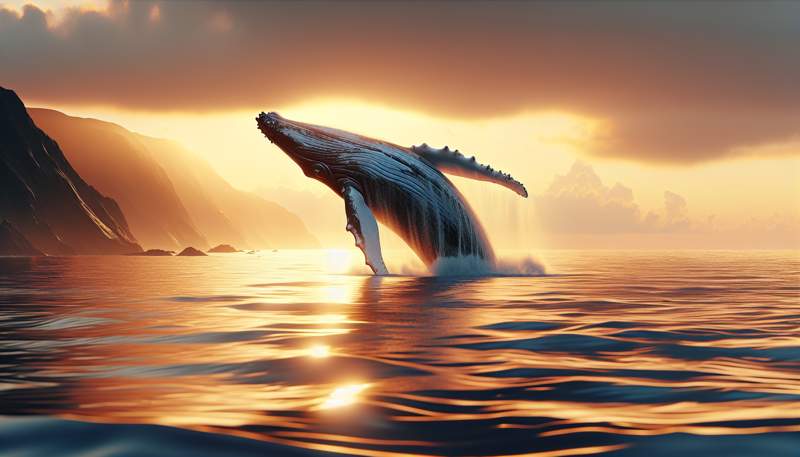
The gentle giants of the ocean are calling, and 2026 offers incredible opportunities to witness whales in their natural habitat across the globe. Whether you're dreaming of humpback whales breaching in Alaska or blue whales gliding through California's waters, understanding whale watching season around the world is crucial for planning an unforgettable marine wildlife adventure. As we're currently in March 2026, many prime whale watching destinations are entering their peak seasons, making this the perfect time to start planning your oceanic encounter.
Understanding Global Whale Migration Patterns
Whale watching success depends largely on understanding migration patterns that have remained consistent for millennia. Most whale species follow predictable seasonal routes, moving between feeding grounds in polar waters and breeding areas in warmer, tropical seas. These migrations create distinct whale watching seasons that vary dramatically by location and species.
Baleen whales, including humpbacks, gray whales, and blue whales, typically feed in nutrient-rich polar waters during summer months before migrating to warmer waters for breeding and calving. Toothed whales like orcas and sperm whales often have more flexible seasonal patterns, though many populations still follow predictable movements based on prey availability.
The key to successful whale watching lies in timing your visit when whales are actively migrating through or feeding in accessible coastal waters. This creates windows of opportunity that can last anywhere from a few weeks to several months, depending on the species and location.
Northern Hemisphere Whale Watching Hotspots
The Northern Hemisphere offers some of the world's most spectacular whale watching opportunities, with peak seasons typically running from spring through fall.
Alaska: The Ultimate Summer Whale Experience
Best months: May through September
Key species: Humpback whales, orcas, gray whales, minke whales
Top locations: Juneau, Glacier Bay, Kenai Peninsula
Alaska's summer season offers arguably the world's best whale watching, with humpback whales arriving in May to feed on abundant krill and small fish. Peak viewing occurs from June through August when whale numbers are highest. Tours from Juneau consistently deliver 95%+ success rates, with many trips offering multiple species sightings.
California: Year-Round Whale Watching Capital
Gray whale season: December through April
Blue whale season: June through October
Humpback whale season: April through December
California's diverse whale watching seasons make it a year-round destination. Monterey Bay and San Diego offer exceptional opportunities, with gray whales migrating south from December through February and returning north with calves from March through April. The current March 2026 timing is perfect for witnessing northbound gray whale migration.
For those planning extended wildlife adventures, consider combining your whale watching trip with other marine experiences. Find wildlife experiences on GetYourGuide to discover additional tours that complement your whale watching journey.
Iceland and Norway: Arctic Whale Wonders
Best months: June through September
Key species: Minke whales, humpbacks, blue whales, sperm whales, orcas
Average tour cost: $80-150 USD
Iceland's Husavik and Norway's Lofoten Islands provide incredible Arctic whale watching experiences. The midnight sun creates extended viewing opportunities, while nutrient-rich waters attract diverse whale species throughout the summer months.
Southern Hemisphere Whale Watching Destinations
Southern Hemisphere whale watching seasons typically peak during the region's winter months (June through November), when whales migrate to warmer waters for breeding.
Australia: East and West Coast Whale Highways
Peak season: June through November
Key species: Humpback whales, southern right whales, blue whales
Top locations: Hervey Bay, Byron Bay, Perth, Adelaide
Australia hosts one of the world's largest humpback whale populations, with over 40,000 whales migrating along the east coast annually. Hervey Bay in Queensland is renowned as the world's first Whale Heritage Site, offering calm waters perfect for whale interactions from July through November.
South Africa: The Whale Coast Experience
Best months: June through December
Key species: Southern right whales, humpbacks, Bryde's whales
Prime location: Hermanus, False Bay, Plettenberg Bay
South Africa's Western Cape provides exceptional land-based whale watching opportunities. Hermanus offers the unique experience of watching southern right whales from cliff-top viewpoints, while boat tours provide closer encounters. Peak season runs from August through November.
Argentina: Peninsula Valdes Whale Sanctuary
Peak season: June through December
Signature species: Southern right whales
Tour costs: $45-80 USD
Peninsula Valdes in Patagonia serves as a critical breeding ground for southern right whales. The protected waters of Golfo Nuevo and Golfo San Jose provide intimate whale watching experiences, with mothers and calves often approaching boats out of curiosity.
Planning Your Whale Watching Adventure
Successful whale watching requires careful planning that goes beyond simply choosing the right season. Consider these essential factors when booking your marine wildlife adventure:
Booking and Tour Selection
Advance booking: Reserve tours 2-4 weeks ahead during peak seasons
Tour duration: Half-day tours (3-4 hours) offer the best balance of success and comfort
Group size: Smaller boats (12-20 passengers) provide more personalized experiences
Research tour operators carefully, prioritizing those with marine biologist guides and strong conservation ethics. Many operators offer sighting guarantees or return trip vouchers if no whales are spotted.
Travel Logistics and Costs
Whale watching tour costs vary significantly by destination:
- Budget destinations: $30-60 USD (Argentina, South Africa)
- Mid-range options: $60-120 USD (California, Australia)
- Premium experiences: $120-300 USD (Alaska, Norway, Iceland)
Factor in additional costs for travel insurance, especially for boat-based tours. Get adventure travel insurance from World Nomads to protect your investment in case of weather cancellations or travel disruptions.
For international whale watching destinations, Compare flights on Expedia to find the best deals on airfare, particularly important when planning trips to remote locations like Alaska or Patagonia.
Photography and Equipment Preparation
Capturing memorable whale photos requires specific equipment and techniques. A telephoto lens (minimum 200mm) is essential for boat-based whale watching, while image stabilization helps combat boat movement. Waterproof camera protection is crucial for splash-prone locations.
Check prices on Amazon for waterproof camera bags, telephoto lenses, and other whale watching essentials before your trip.
Seasonal Whale Watching Calendar by Month
Use this comprehensive monthly guide to plan your whale watching adventures throughout 2026:
March - May 2026
Prime destinations: California (gray whale migration), Hawaii (humpback departure), Mexico (gray whale breeding)
Right now in March 2026, California offers excellent opportunities to witness northbound gray whale migration, often with mothers and calves staying close to shore.
June - August 2026
Peak season locations: Alaska, Iceland, Norway, Canada (East Coast)
Summer months provide the best northern hemisphere whale watching, with long daylight hours and active feeding behaviors.
September - November 2026
Southern hemisphere highlights: Australia, South Africa, Argentina
As northern destinations wind down, southern hemisphere locations enter their prime whale watching season.
December 2026 - February 2027
Tropical breeding grounds: Hawaii, Mexico, Ecuador
Warm-water destinations offer breeding and calving season opportunities, though whale behavior may be less active.
Making Your Whale Watching Dreams Reality
Understanding whale watching season around the world opens doors to incredible marine wildlife encounters that create lifelong memories. Whether you choose the dramatic fjords of Alaska, the temperate waters off California, or the remote beauty of Patagonia, each destination offers unique opportunities to connect with these magnificent ocean giants.
Start planning your 2026 whale watching adventure today by researching specific tour operators in your chosen destination. Consider combining your whale watching trip with other wildlife experiences – Find wildlife experiences on GetYourGuide for comprehensive tour options that can enhance your journey.
Remember that whale watching success depends on timing, weather conditions, and a bit of ocean luck. Choose reputable operators, pack appropriate gear, and maintain realistic expectations while staying open to the magic that unfolds when you encounter these incredible creatures in their natural habitat. The investment in a well-planned whale watching adventure pays dividends in wonder, education, and conservation awareness that extends far beyond the tour itself.