Zoo vs. Wild: Is It Better to See Animals in Captivity or in Nature?
It's one of the most debated questions in wildlife tourism: should you see animals in a zoo or in the wild? The answer isn't as simple as you might expect. Both experiences have genuine value, and both have legitimate criticisms. The "right" choice depends on your circumstances, values, budget, and which animals you want to see.
This guide offers an honest, balanced comparison to help you make an informed decision — no judgment, just facts.
The Case for Zoos
Conservation Breeding Programs
Modern accredited zoos are far more than entertainment venues. They operate Species Survival Plans (SSPs) and participate in international breeding programs that have literally saved species from extinction:
- California condor: Down to just 27 birds in 1987, zoo breeding programs have brought the population to over 500 today, with hundreds flying free in the wild.
- Arabian oryx: Declared extinct in the wild in 1972, zoo-bred animals were reintroduced starting in 1982. Today, over 1,000 live in the wild.
- Black-footed ferret: Reduced to 18 individuals, captive breeding has produced thousands of ferrets reintroduced across the American West.
- Golden lion tamarin: Zoo breeding and reintroduction programs helped recover this Brazilian primate from fewer than 200 to over 3,700.
These aren't hypothetical benefits — they're proven results. Without zoos, several species would simply no longer exist.
Accessibility
Zoos make wildlife accessible to virtually everyone:
- Cost: A zoo visit costs $20–$50 per person. An African safari starts at $2,000+ per person. A gorilla trek costs $700–$1,500 for the permit alone.
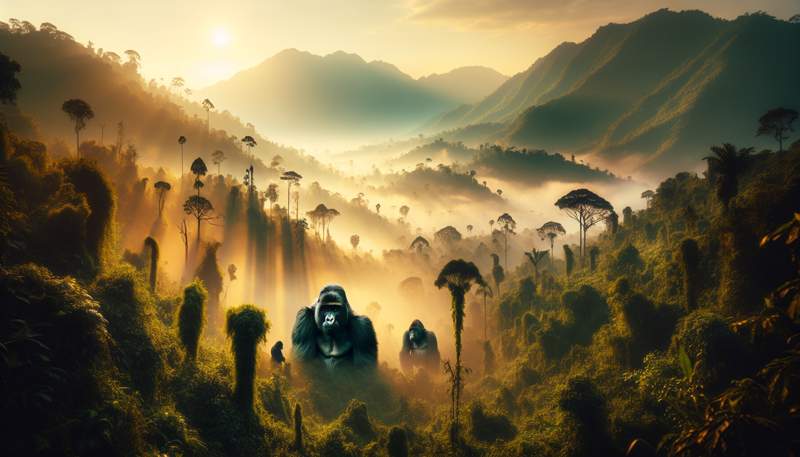
- Physical fitness: Zoos are accessible to people of all ages, fitness levels, and abilities. Wheelchair users, elderly visitors, young children, and those with health conditions can all enjoy a zoo visit. Wild encounters often require significant physical ability — gorilla trekking involves hiking steep, muddy terrain for 2–8 hours.
- Geography: Not everyone can travel internationally. A family in Ohio can see African elephants, polar bears, and snow leopards at their local zoo. For many people, especially children, zoos provide the first and only contact with exotic wildlife.
- Guaranteed sightings: At a zoo, you will see the animals. In the wild, sighting are never guaranteed — you might spend $5,000 on a tiger safari and not see a tiger.
Education and Inspiration
Research consistently shows that zoo visits increase conservation awareness and inspire support for wildlife protection. A 2024 study by the Association of Zoos and Aquariums (AZA) found that zoo visitors were significantly more likely to engage in conservation-positive behaviors (donations, sustainable purchasing, reduced plastic use) after their visit.
For children especially, seeing a real elephant or gorilla — even behind glass — creates an emotional connection that no documentary can replicate. Many professional wildlife biologists, conservationists, and National Geographic photographers trace their passion back to childhood zoo visits.
The Case for Wild Encounters
Animal Welfare
The strongest argument for seeing animals in the wild is straightforward: wild animals live in their natural habitat, behaving naturally. Even the best zoos cannot replicate the complexity and scale of a natural environment:
- Space: An African elephant's natural range can exceed 1,000 square kilometers. Even the largest zoo enclosure is a fraction of a fraction of this.
- Social complexity: Wild elephant herds contain intricate multigenerational family structures. Zoos can only house small groups.
- Natural behaviors: Hunting, migration, complex social dynamics, territorial displays — these behaviors are suppressed or impossible in captivity.
- Stereotypic behaviors: Some zoo animals develop repetitive, abnormal behaviors (pacing, swaying, self-harm) that indicate psychological distress. While modern zoos work hard to reduce these through enrichment programs, they remain a concern.
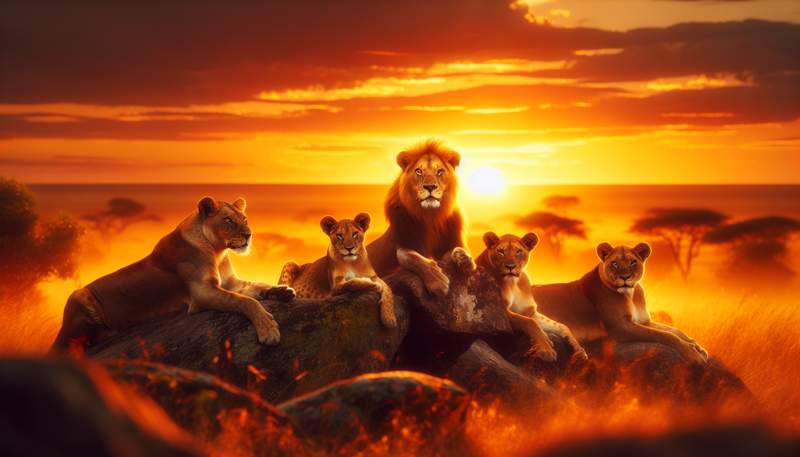
When you see a lion in the Serengeti, it's doing what lions do — hunting, socializing, resting in the shade of an acacia tree on its own terms. There's a qualitative difference that's hard to put into words but impossible to miss in person.
Ecotourism Revenue and Conservation Impact
Wildlife tourism in developing countries generates enormous economic value that directly protects habitats and species:
- Gorilla tourism generates over $300 million annually for Rwanda, funding national parks, anti-poaching operations, and community development.
- Kenya's wildlife tourism contributes approximately $1.5 billion to the national economy and employs hundreds of thousands of people.
- The Great Barrier Reef generates $6.4 billion annually in tourism revenue, which funds marine conservation programs.
This economic value creates a powerful incentive for governments and communities to protect wildlife and wild places. Without tourism revenue, many developing nations would face even greater pressure to convert wildlife habitat to farmland or allow resource extraction.
The Experience Factor
There's simply no comparison between seeing an animal in a zoo and encountering it in the wild. Watching a humpback whale breach in the open ocean, hearing a lion roar across the savanna at dawn, or making eye contact with a wild mountain gorilla are transformative, life-changing experiences that operate on a completely different emotional register than any zoo visit.
Wild encounters engage all your senses — the heat, the dust, the sounds of the bush, the adrenaline of uncertainty. You're in their world, on their terms. This creates memories and emotional connections that endure for a lifetime.
The Ethical Gray Areas
Not All Zoos Are Equal
There's an enormous difference between an AZA-accredited zoo with modern enclosures, enrichment programs, and genuine conservation efforts, and a roadside zoo or poorly regulated facility that exists primarily for profit. When evaluating a zoo:
- Look for accreditation: AZA (North America), EAZA (Europe), or ZAA (Australasia) accreditation means the facility meets rigorous standards for animal welfare, conservation, and education.
- Check for breeding programs: Does the zoo participate in SSPs or other coordinated breeding efforts?
- Evaluate enclosures: Modern enclosures should provide space, enrichment, hiding places, and simulate natural habitats as closely as possible.
- Avoid exploitative attractions: Photo ops with sedated tigers, elephant rides, and performing dolphin shows are red flags for animal welfare.
Not All Wild Tourism Is Ethical Either
Wild encounters can also cause harm if poorly managed:
- Overcrowding: Some popular wildlife destinations (gorilla groups, whale watching hotspots) can receive too many visitors, causing stress to animals.
- Habitat disruption: Poorly managed tourism can degrade the very habitats it depends on — trampled vegetation, disturbed nesting sites, pollution.
- Habituation risks: Animals accustomed to humans may lose their natural fear, making them vulnerable to poaching or conflict.
- Carbon footprint: International flights to see wildlife in distant countries contribute to climate change — the very force threatening many of these species.
Which Is Better for Which Animals?
The honest answer is that it depends on the species:
Better in the Wild
- Elephants: Their need for vast ranges and complex social structures makes them poor candidates for captivity. Wild safari viewing is far superior.
- Great whales: Whale watching in the open ocean is one of the most spectacular wildlife experiences. Cetaceans should not be kept in captivity.
- Big cats (lions, tigers, leopards): While zoos do important breeding work, seeing big cats hunt and roam in wild settings is incomparably better.
- Great apes: Gorilla trekking and orangutan encounters in the wild are transformative. Apes in captivity often show signs of psychological distress.
- Migratory birds and marine life: Animals that naturally cover vast distances suffer most in confinement.
Acceptable or Better in Zoos
- Critically endangered species with no wild viewing option: Some species (Amur leopard, Sumatran rhino, certain amphibians) are so rare and elusive that a zoo may be your only realistic chance to see them.
- Small reptiles, amphibians, and invertebrates: Many of these species live in very small ranges naturally and can thrive in well-designed captive environments. Plus, you'd likely never spot them in the wild.
- Species dependent on breeding programs: For California condors, black-footed ferrets, and similar species, zoos are literally the ark that kept them alive.
Making Your Choice: A Framework
Rather than thinking "zoo vs. wild," consider these questions:
- What's your budget? If international travel isn't feasible, a well-run local zoo is a wonderful and valid way to connect with wildlife.
- What species do you want to see? For some animals, the wild experience is dramatically superior. For others, a zoo is equally good or the only option.
- What's your physical ability? Many wild encounters require hiking, tolerance of extreme temperatures, or long vehicle rides on rough roads.
- Are you supporting ethical operations? Whether zoo or wild, choose operators and facilities that prioritize animal welfare and conservation.
- Can you do both? The best approach is often a combination — visit your local zoo regularly to support its conservation programs, and save up for wild experiences when you can.
The Bottom Line
The zoo vs. wild debate is a false dichotomy. Both well-run zoos and responsible wild tourism contribute meaningfully to conservation. The enemy isn't zoos or tourism — it's habitat destruction, poaching, climate change, and apathy.
A child who falls in love with elephants at the zoo may grow up to fund conservation in Kenya. A tourist who sees gorillas in Rwanda may become a lifelong advocate for rainforest protection. Both pathways matter.
The most important thing is to engage with wildlife in some form — to care, to learn, to support conservation with your time, money, and voice. Whether that starts at a zoo or on a safari, the animals win when humans pay attention.
Our recommendation: See as much wildlife as you can, wherever you can, as responsibly as you can. Support accredited zoos. Travel to see animals in the wild when you're able. Every positive interaction between humans and wildlife builds the constituency that these animals need to survive.
If you're ready to take the leap into wild encounters, browse safari and wildlife packages on BookAllSafaris, discover curated luxury safaris on Safari.com, or find wildlife experiences on GetYourGuide. Protect your adventure with travel insurance from World Nomads.