Is Amboseli National Park Safe?
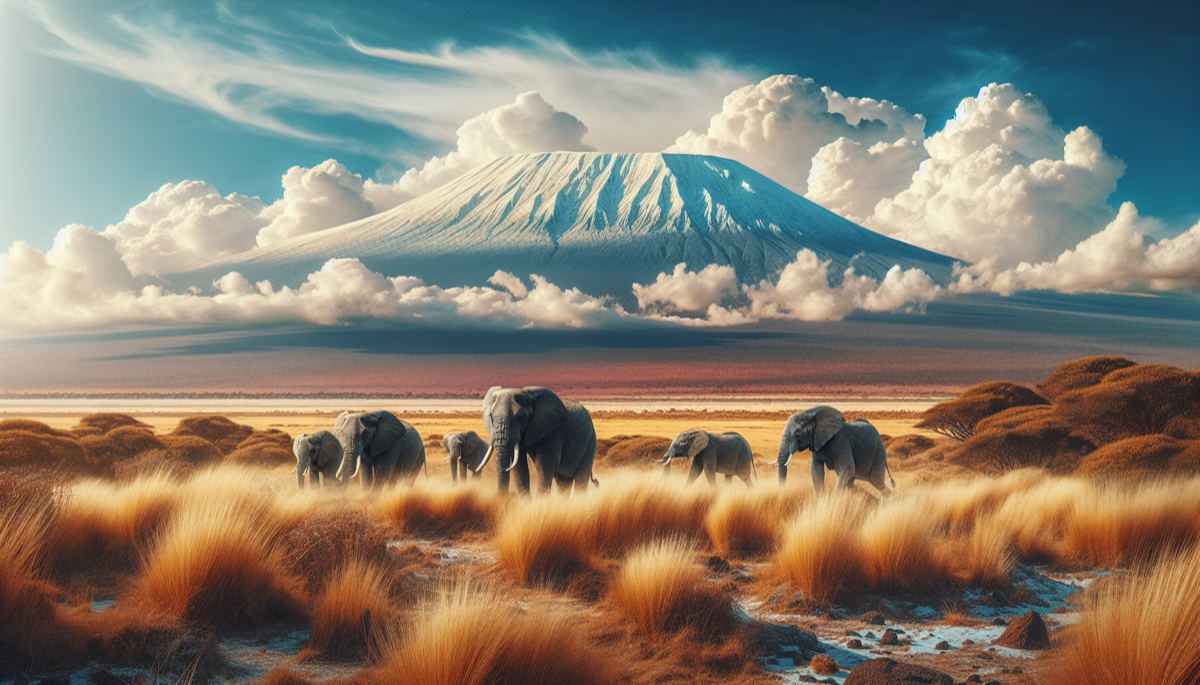
Amboseli is a well-managed Kenyan national park famous for its elephant herds and views of Mount Kilimanjaro. It has excellent tourism infrastructure and is relatively compact, making it easy to navigate safely. The main concerns are wildlife encounters, dust-related respiratory issues, and malaria prevention.
Safety Assessment
Detailed breakdown of risks for visitors to Amboseli National Park
Wildlife Safety
🟡 Medium RiskAmboseli is famous for its large elephant herds, which can be protective of calves. Maintain a safe distance of at least 25 metres from elephants and never block their path. Lions, hyenas, and buffalo are also present. Stay inside your vehicle at all times within the park. At lodges outside the park boundary, follow escort guidelines after dark.
Health Risks
🟡 Medium RiskThe dry lake bed at the centre of Amboseli generates heavy alkaline dust that can irritate eyes and lungs. Bring a buff or bandana for dusty drives. Malaria is present, and prophylaxis is recommended. Ensure hepatitis A, typhoid, and yellow fever vaccinations are current. Dehydration is a risk in the hot season, so drink at least 2 litres of water daily.
Crime & Security
🟢 Low RiskAmboseli and the surrounding area are safe for tourists. The Maasai communities in the region are welcoming. Nairobi, the main gateway city, has higher petty crime risks, so use registered taxis and stay in well-reviewed accommodation. Inside the park, security is well-maintained by Kenya Wildlife Service rangers.
Transport Safety
🟢 Low RiskThe drive from Nairobi to Amboseli takes approximately 4 to 5 hours, mostly on tarmac roads. Park roads can be very dusty in the dry season and muddy in the wet season. Charter flights to Amboseli airstrip offer a quicker, safer alternative. Always travel with an experienced driver-guide inside the park.
Weather Hazards
🟢 Low RiskDry season (June to October and January to February) brings extreme dust and hot daytime temperatures. The wet season (March to May) can cause flash flooding in low-lying areas around the swamps. Wind-blown dust can reduce visibility. Lightning storms occur during the rainy season.
Water Safety
🟢 Low RiskThe swamps in Amboseli are home to hippos and should not be approached on foot. Do not drink untreated water. Swimming is not applicable within the park. Lodge pools are safe. Bottled or filtered water is provided at all reputable camps and lodges.
📞 Emergency Numbers
Save these numbers before your trip
| Service | Number |
|---|---|
| Kenya Emergency | 999 / 112 |
| Police | 999 |
| AMREF Flying Doctors | +254 20 699 2000 |
| Kenya Wildlife Service | +254 800 597 000 |
💉 Recommended Vaccinations
Consult your travel doctor at least 6 weeks before departure
🛡️ Travel Insurance
Travel insurance with medical evacuation is recommended. The nearest hospitals with good facilities are in Nairobi (4 to 5 hours by road). AMREF Flying Doctors provides tourist coverage for emergency air evacuations across Kenya.
Get a Quote from World Nomads →Is Amboseli National Park Safe? FAQ
Amboseli is safe for tourists on guided game drives. The park is compact and well-managed with professional guides.
Yellow fever vaccination is recommended for Kenya. Hepatitis A and typhoid vaccinations are also advised. Always consult your doctor or a travel health clinic at least 6 weeks before departure.
Malaria risk exists in Amboseli, though it is generally lower than in coastal Kenya. Take prophylaxis and use insect repellent.
Solo travellers are safe and can join group safaris easily. Amboseli is a popular add-on to Masai Mara trips, so group tours are common.