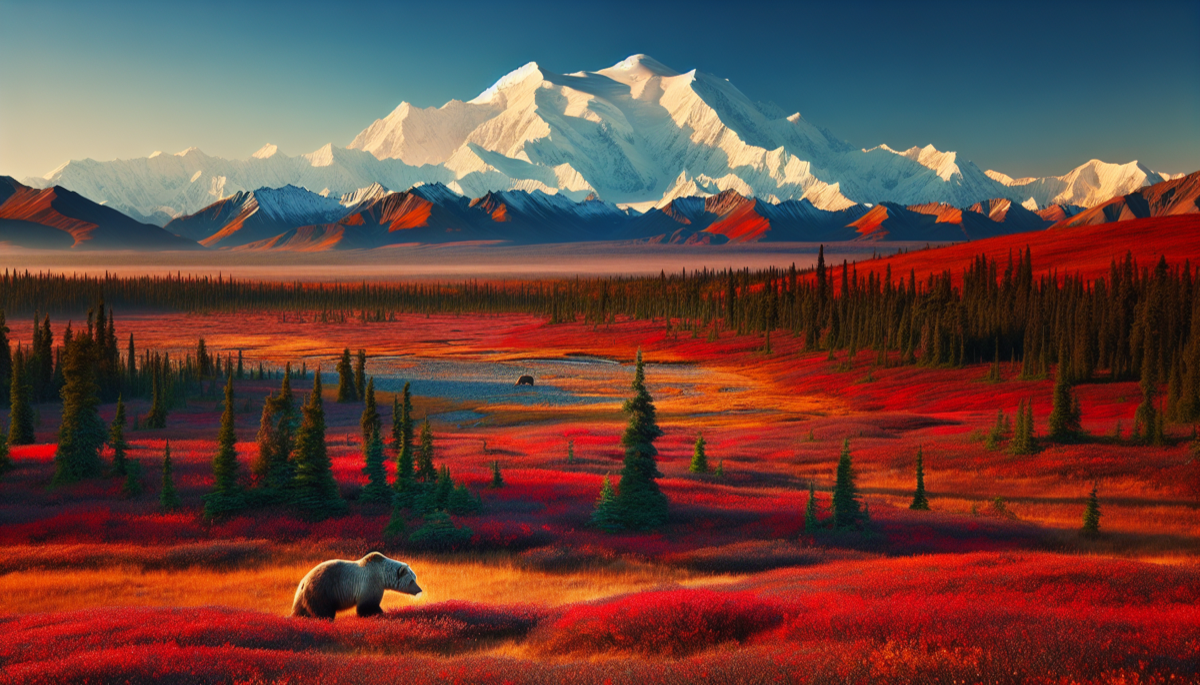
Is Denali National Park Safe?
Denali National Park in Alaska is a well-managed wilderness destination with strict National Park Service safety protocols. The park is vast and remote, with limited road access, creating genuine wilderness conditions. The main risks are bear encounters, extreme weather, and the remoteness of backcountry areas. The park road system and bus tours keep most visitors safe.
Safety Assessment
Detailed breakdown of risks for visitors to Denali National Park
Wildlife Safety
🟡 Medium RiskGrizzly bears are common in Denali, and all visitors should carry bear spray on hikes. Store food in bear-proof containers. Maintain at least 300 yards (275 metres) from bears and moose. Moose can be aggressive, especially cows with calves in spring. Wolves are present but rarely seen and pose minimal risk. Dall sheep and caribou are generally not dangerous. Never approach or feed any wildlife.
Health Risks
🟢 Low RiskHypothermia is possible even in summer, as temperatures can drop rapidly. Altitude sickness is not a concern for most visitors (park road elevation is 600 to 1,200 metres). Mosquitoes and biting insects are intense from June to August. Bring strong repellent and a head net. Giardia is present in backcountry water sources. The park has a medical clinic at the entrance area.
Crime & Security
🟢 Low RiskCrime is virtually non-existent in Denali. The park is patrolled by National Park Service rangers. The nearest town, Healy, is small and safe. Standard precautions with belongings are sufficient. Cell service is extremely limited in the park.
Transport Safety
🟢 Low RiskPrivate vehicles are only permitted on the first 15 miles of the park road. Beyond that, transit and tour buses are the only option. The park road is narrow, unpaved, and follows cliff edges. Buses are driven by experienced park service drivers. Winter access is limited to dog sled, ski, or snowshoe. Flightseeing tours are popular and generally safe but use small aircraft.
Weather Hazards
🟡 Medium RiskWeather is highly unpredictable. Summer temperatures range from 5 to 25 degrees Celsius, but sudden drops and rain are common. Snow is possible any month of the year. Winter temperatures reach minus 30 to minus 40 degrees Celsius. Denali (the mountain) creates its own weather systems. Pack layers and rain gear even in July.
Water Safety
🟡 Medium RiskGlacial rivers have extremely cold water and dangerous currents. River crossings in the backcountry require experience. Never attempt to cross glacial rivers in high water. All backcountry water should be filtered or treated for giardia. There is no recreational swimming in the park.
📞 Emergency Numbers
Save these numbers before your trip
| Service | Number |
|---|---|
| US Emergency | 911 |
| Denali National Park Dispatch | +1 907 683 9100 |
| Alaska State Troopers | +1 907 683 2232 |
| Interior Community Health Center | +1 907 683 2211 |
💉 Recommended Vaccinations
Consult your travel doctor at least 6 weeks before departure
🛡️ Travel Insurance
Travel insurance with emergency evacuation coverage is strongly recommended. Denali is extremely remote, and helicopter rescue from backcountry areas is expensive. The nearest major hospital is in Fairbanks (2 hours by road). Ensure your policy covers backcountry hiking and flightseeing. Search and rescue operations in Alaska can cost thousands of dollars.
Get a Quote from World Nomads →Is Denali National Park Safe? FAQ
Denali is safe for visitors who follow bear safety protocols. Carry bear spray on all hikes and store food in bear-proof containers.
No special vaccinations are required for the United States. Always consult your doctor or a travel health clinic at least 6 weeks before departure.
There is no malaria risk in Alaska or anywhere in the United States.
Denali is safe for solo travellers. The park bus system makes independent travel easy. Ranger programs and campgrounds are social spaces.