Is Ladakh Safe?
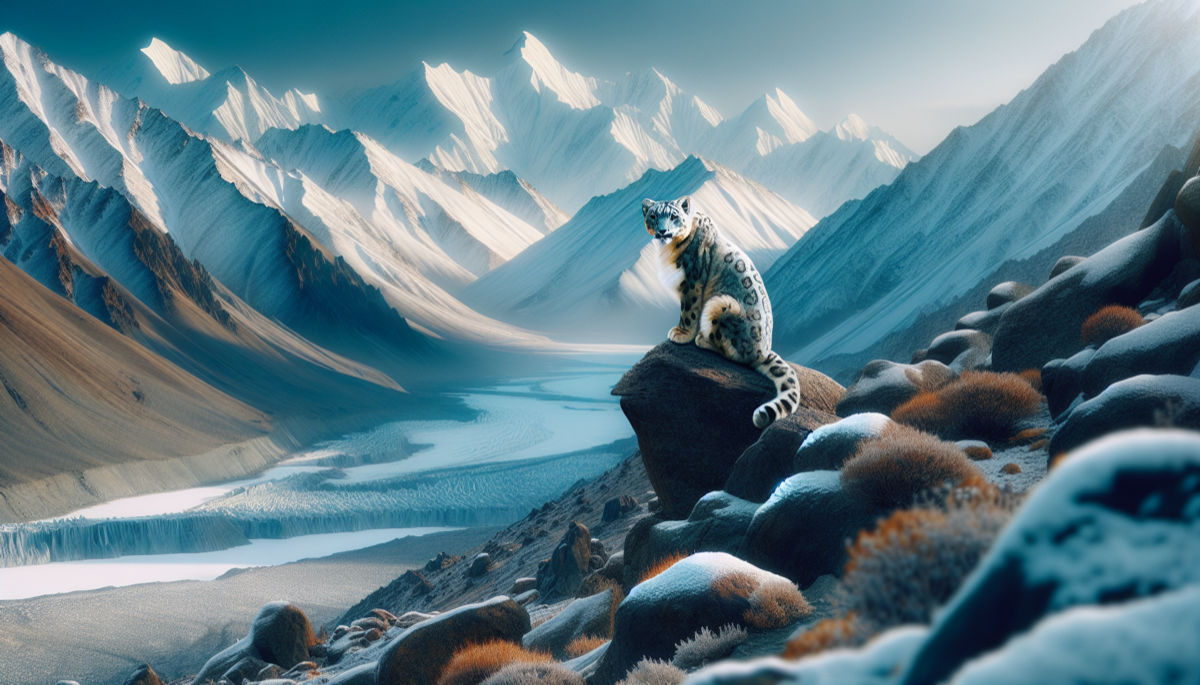
Ladakh is a high-altitude desert region in northern India, famous for snow leopard tracking and Buddhist monasteries. The region sits at 3,000 to 5,500 metres elevation, making altitude sickness the primary health risk. Infrastructure is improving but remains basic in remote valleys. The political situation near the Line of Control requires awareness, but tourist areas are safe and well-patrolled.
Safety Assessment
Detailed breakdown of risks for visitors to Ladakh
Wildlife Safety
🟢 Low RiskSnow leopard treks involve long days at high altitude in cold conditions, but the animals pose no direct threat to humans. Wolves and Tibetan wild dogs (dhole) are present but avoid humans. Marmots can carry plague, so do not touch them. Golden eagles and lammergeiers are observed from a distance. Domestic yaks and horses used for transport can be unpredictable. Always follow your guide on wildlife treks.
Health Risks
🔴 High RiskAltitude sickness (AMS) is the primary health risk. Leh sits at 3,500 metres, and most snow leopard treks go higher. Spend at least 2 to 3 days acclimatising in Leh before trekking. Diamox can help with acclimatisation. High Altitude Pulmonary Edema (HAPE) and High Altitude Cerebral Edema (HACE) are life-threatening conditions. Descend immediately if symptoms worsen. UV radiation is extreme at altitude. The nearest adequate hospital is the SNM Hospital in Leh.
Crime & Security
🟢 Low RiskLadakh is one of the safest regions in India. The Buddhist culture is welcoming and peaceful. Leh has negligible crime. The area near the Line of Control with Pakistan and the border with China has military restrictions. Permits are required for some areas (Nubra Valley, Pangong Lake). Always carry your passport and permits.
Transport Safety
🔴 High RiskRoads in Ladakh are among the most dramatic and dangerous in the world. Mountain passes exceed 5,000 metres and roads are narrow, unpaved, and prone to landslides. The Manali-Leh and Srinagar-Leh highways are seasonal (open approximately June to October). Hire experienced local drivers. Domestic flights to Leh from Delhi are safe but can be cancelled due to weather.
Weather Hazards
🔴 High RiskWinter temperatures in Ladakh drop to minus 25 to minus 35 degrees Celsius. Snow leopard season (January to March) means extreme cold, especially at high camps. Summer temperatures in Leh are pleasant (20 to 30 degrees Celsius) but nights are always cold. Sudden snowfall can block passes. Flash floods from glacial melt can affect valleys in summer.
Water Safety
🟡 Medium RiskGlacial rivers and streams are extremely cold and can have strong currents. River rafting on the Zanskar and Indus rivers should only be done with reputable operators. Do not drink untreated water. Bottled water is available in Leh but may be scarce in remote valleys. Carry purification tablets on treks.
📞 Emergency Numbers
Save these numbers before your trip
| Service | Number |
|---|---|
| India Emergency | 112 |
| Police | 100 |
| Ambulance | 108 |
| SNM Hospital Leh | +91 1982 252 012 |
💉 Recommended Vaccinations
Consult your travel doctor at least 6 weeks before departure
🛡️ Travel Insurance
Travel insurance with high-altitude trekking and emergency evacuation coverage is essential. Helicopter evacuation from remote valleys to Leh may be necessary for altitude sickness emergencies. The nearest major hospitals are in Delhi (1.5-hour flight from Leh). Ensure your policy covers trekking above 4,000 metres and trip cancellation due to weather or road closures.
Get a Quote from World Nomads →Is Ladakh Safe? FAQ
Ladakh is safe for tourists with experienced guides. Snow leopard treks are conducted by local experts who know the terrain and weather conditions.
Hepatitis A and typhoid are recommended for India. Altitude sickness medication is essential for the 3,000 to 5,000 metre elevations in Ladakh. Always consult your doctor or a travel health clinic at least 6 weeks before departure.
There is no malaria risk at Ladakh elevations. The altitude is too high for malaria-carrying mosquitoes.
Solo travellers should join an organised snow leopard expedition for safety and logistics. The terrain is remote and requires experienced guides and spotters.