Is Yala National Park Safe?
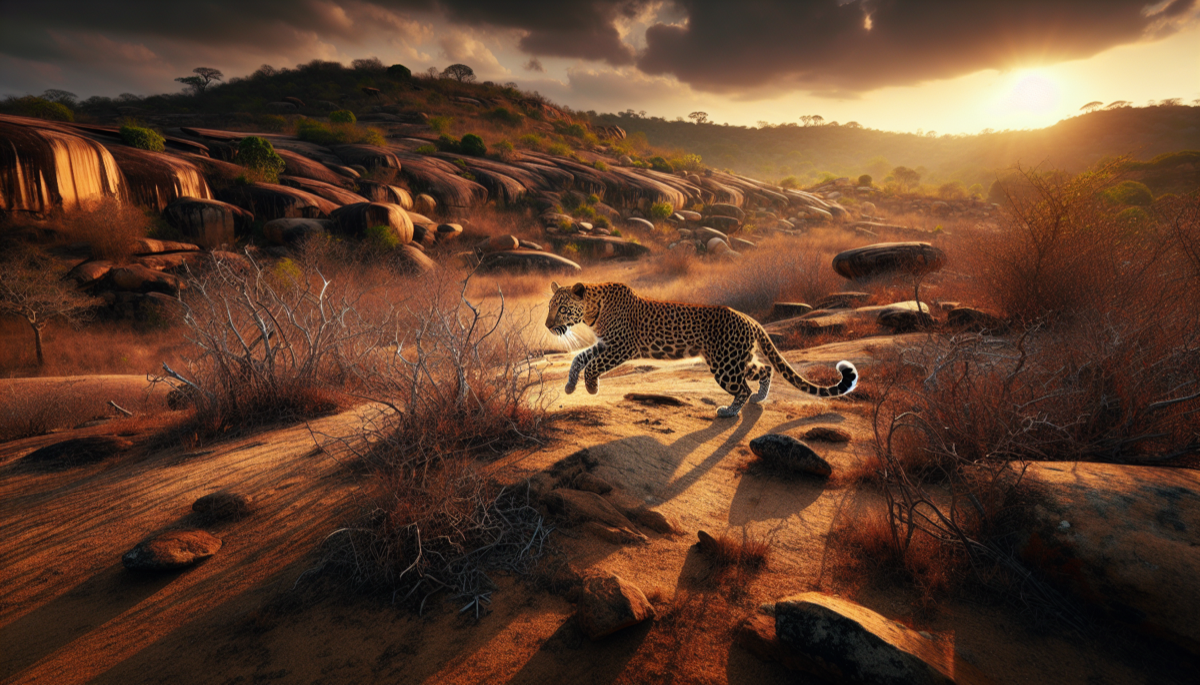
Yala is Sri Lanka's most visited national park and has the highest density of leopards in the world. It is well-managed by the Department of Wildlife Conservation, with mandatory jeep safaris and registered drivers. The main risks are the aggressive driving culture on safari and tropical health concerns. The park is compact and easily accessible from the south coast.
Safety Assessment
Detailed breakdown of risks for visitors to Yala National Park
Wildlife Safety
🟡 Medium RiskLeopards are the star attraction but rarely pose a threat from inside a jeep. Wild elephants are a more immediate concern, as they can be aggressive, particularly lone bulls. Stay in your vehicle at all times. Sloth bears are present and can be unpredictable. Crocodiles inhabit the park's water bodies. Monkeys at the entrance area may grab food and belongings. Follow your driver-guide's instructions.
Health Risks
🟢 Low RiskDengue fever is the main mosquito-borne risk. Use insect repellent. Malaria has been eliminated from Sri Lanka. The heat can be intense, with temperatures exceeding 35 degrees Celsius. Drink plenty of water. Dust on safari roads can irritate eyes and lungs. Rabies exists, so avoid stray dogs in nearby towns. Medical facilities in Tissamaharama (nearby town) are basic.
Crime & Security
🟢 Low RiskYala and the surrounding area are safe for tourists. Petty scams (overcharging by unofficial guides, inflated prices) are more common than crime. Book jeep safaris through your hotel or a reputable operator. The park has ranger patrols and security at entry points.
Transport Safety
🟡 Medium RiskSafari jeeps in Yala are open-top and can be driven aggressively by drivers competing to reach leopard sightings. Choose a driver who prioritises safety over speed. The roads inside the park are rough and dusty. The drive from the south coast (Mirissa, Tangalle) takes 2 to 3 hours. The road from Colombo takes approximately 5 to 6 hours.
Weather Hazards
🟢 Low RiskThe dry season (February to July) is the best time for wildlife viewing. The northeast monsoon (October to January) brings rain and the park may close during heavy flooding. Afternoon heat can be extreme. Carry sun protection, a hat, and at least 2 litres of water on each safari.
📞 Emergency Numbers
Save these numbers before your trip
| Service | Number |
|---|---|
| Sri Lanka Emergency | 110 / 119 |
| Police | 119 |
| Ambulance | 110 |
| Wildlife Dept Emergency | +94 11 288 8585 |
💉 Recommended Vaccinations
Consult your travel doctor at least 6 weeks before departure
🛡️ Travel Insurance
Travel insurance is recommended. Private hospitals in Colombo offer excellent care, but are 5 to 6 hours from Yala by road. For closer facilities, Matara District General Hospital is about 2 hours away. Ensure your policy covers safari jeep activities and medical evacuation to Colombo if needed.
Get a Quote from World Nomads →Is Yala National Park Safe? FAQ
Yala is safe for visitors. All safaris use guided jeeps with experienced drivers. The park has no walking trails, so you remain in the vehicle throughout.
Hepatitis A and typhoid are recommended for Sri Lanka. Routine vaccinations should be up to date. Always consult your doctor or a travel health clinic at least 6 weeks before departure.
Sri Lanka is malaria-free. There is no need for antimalarial medication, though dengue fever remains a concern in some areas.
Solo travellers can easily join shared jeep safaris for lower costs. Guesthouses near the park are welcoming to individual visitors.