Chimpanzee
Pan troglodytes
About the Chimpanzee
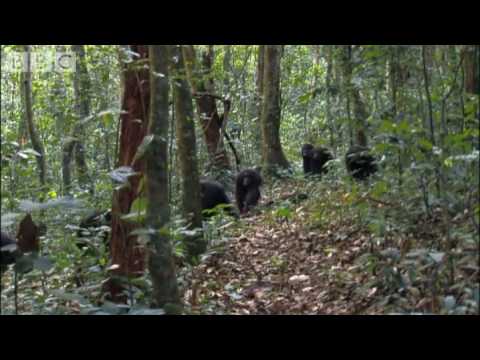
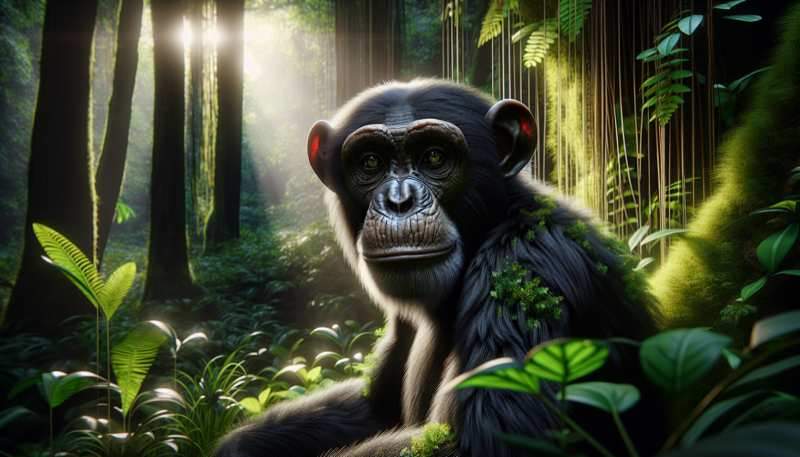
Chimpanzees are our closest living relatives, sharing 98.7% of human DNA. They live in complex social communities of up to 150 individuals, use tools, wage wars, mourn their dead, and display a range of emotions remarkably similar to our own. Chimpanzee trekking in the forests of East Africa is a profoundly moving experience.
Biology & Stats
Migration: Non-migratory. Communities maintain 5-50 km² territories, defend lethally.
Best time of day: Early morning (6-9am) descending from night nests. Also late afternoon.
Typical viewing distance: 8-15 metres for habituated groups
Camera settings: 1/250s-1/500s, f/2.8-f/4, ISO 1600-6400, 70-200mm
Fun Facts
- Chimpanzees make and use tools — stripping sticks to fish for termites.
- They can learn sign language and communicate complex ideas.
- Chimps laugh when tickled, just like humans.
Where to See Chimpanzee in the Wild
Kibale Forest
UgandaThe "primate capital of the world" with the highest density of chimpanzees in East Africa.
Gombe Stream
TanzaniaJane Goodall's legendary research site on the shores of Lake Tanganyika.
Mahale Mountains
TanzaniaRemote and spectacular chimpanzee trekking on the shores of Lake Tanganyika.
Featured Destinations to See Chimpanzee
Compare practical destination guides with seasonal timing, travel logistics, other wildlife, tours, and places to stay.
Explore Chimpanzee by Country
Country guides connect the species with other wildlife, featured places, planning context, and responsible-viewing advice.
Habitats Used by Chimpanzee
Species may rely on several ecosystems across their range. Explore how conditions and conservation pressures differ.
Responsible Chimpanzee Experiences
Compare activity formats, physical conditions, operator questions, animal-welfare risks, and relevant destinations before choosing a tour.
Where to See Chimpanzee at Zoos
Edinburgh Zoo
Edinburgh, UK
Lincoln Park Zoo
Chicago, USA
Support Independent Conservation Work
These third-party programmes offer relevant ways to adopt symbolically, foster, donate, or learn. We do not process contributions or receive commission.
Jane Goodall Institute Chimpanzee Guardian
A symbolic Chimpanzee Guardian offer linked to rescue and rehabilitation at Tchimpounga, reserve protection, conservation education, and the institute's wider community-centred work.
Review programme →Due DiligenceCheck Before You Contribute
Understand symbolic adoption, verify the organisation, and review current terms and use of funds.
Open the programme directory →Browse Chimpanzee Tours & Experiences
Current Viator listings matched to this species. Confirm where the activity operates, its wildlife policy, recent reviews, availability, and cancellation terms before booking.

Experience Chimpanzee Trekking in Budongo Forest
4 hours
1 Day Ngamba Island chimpanzee tour
6 hours
4 Days Rwanda Tour with Gorilla and Chimpanzee Trekking
96 hours
5 Days Gorilla and Chimpanzee Trekking in Uganda
120 hours
2 Days of Chimpanzee Trekking - Nyungwe National Park
48 hours
Gombe National Park Chimpanzee Trekking
5 hoursSafari Packages to See Chimpanzee
Safari.com itinerary examples that may include chimpanzee habitat. Request a current quote and confirm the operator, exact route, wildlife policy, recent reviews, and cancellation terms before booking.
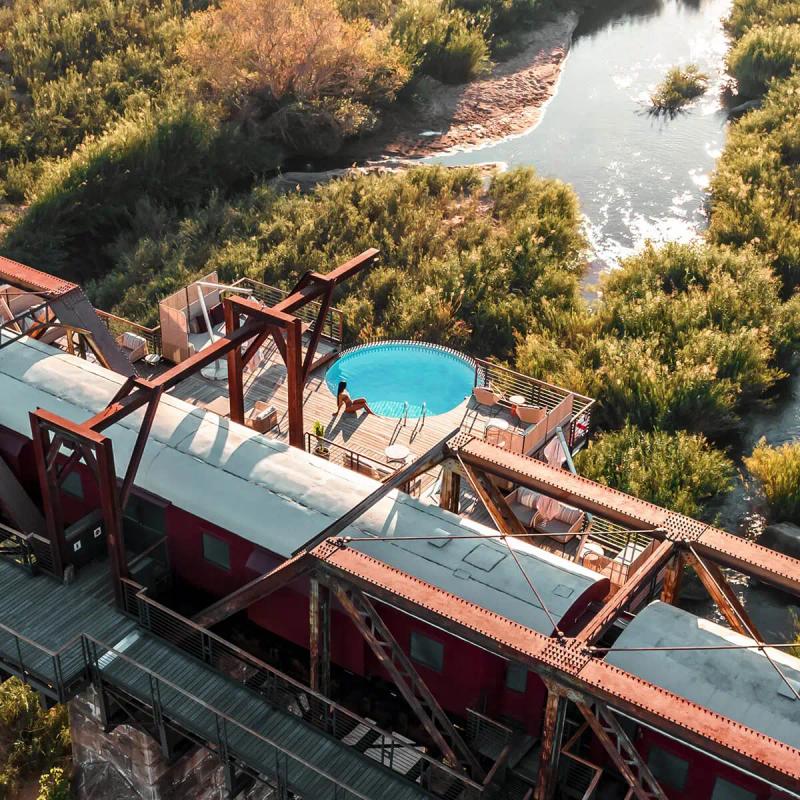
3 Day Unrivaled Views of the Kruger & Sabie River Safari
Experience the Kruger National Park, suspended over the Sabie River.
- 2 nights aboard Kruger Shalati, a luxury train stationed on a bridge over the Sabie River
- Twice-daily game drives in southern Kruger in search of the Big Five
- Swim in the overhanging pool above crocodiles, hippos and elephants
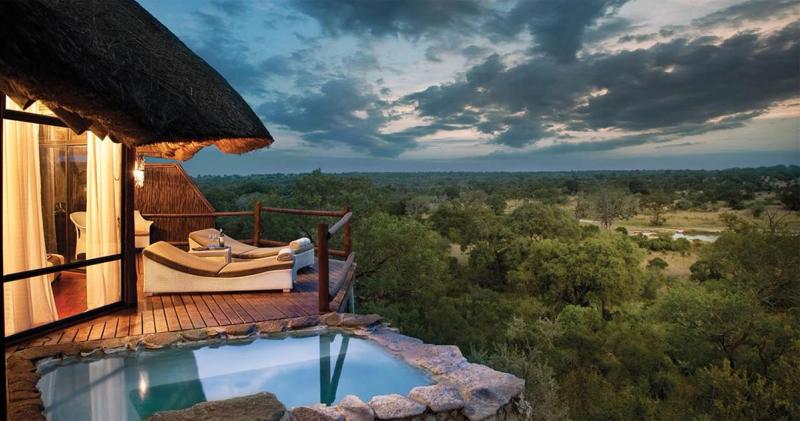
5 Day Luxury Sabi Sands Promotion
Travelling soon? Enjoy a 42% last-minute discounted price when booking this 5-day Premier Sabi Sands luxury safari package. You'll be in the...
- 4 nights at 5-star Leopard Hills Lodge in the Sabi Sands
- Twice-daily game drives with off-roading for close-up Big Five sightings
- Guided bush walks and wildlife photography tips from expert rangers
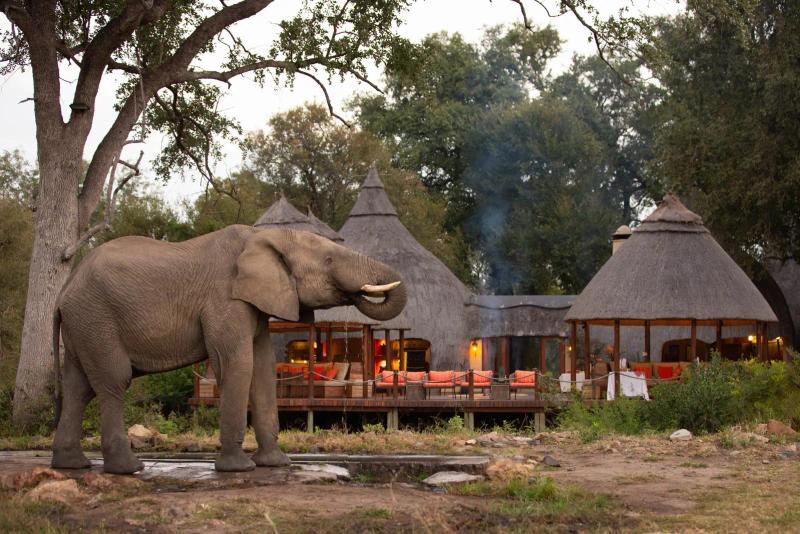
4 Day All-Inclusive Kruger Safari with Hoyo Hoyo
Enjoy an All-inclusive 4-day Kruger National Park safari! Round-trip flights from Johannesburg, airport transfers, luxury accommodation, mea...
- 3 nights at 5-star Hoyo Hoyo Safari Lodge in Kruger National Park
- Twice-daily Big Five game drives in open 4x4 vehicles with ranger and tracker
- Three-course dinner under the stars
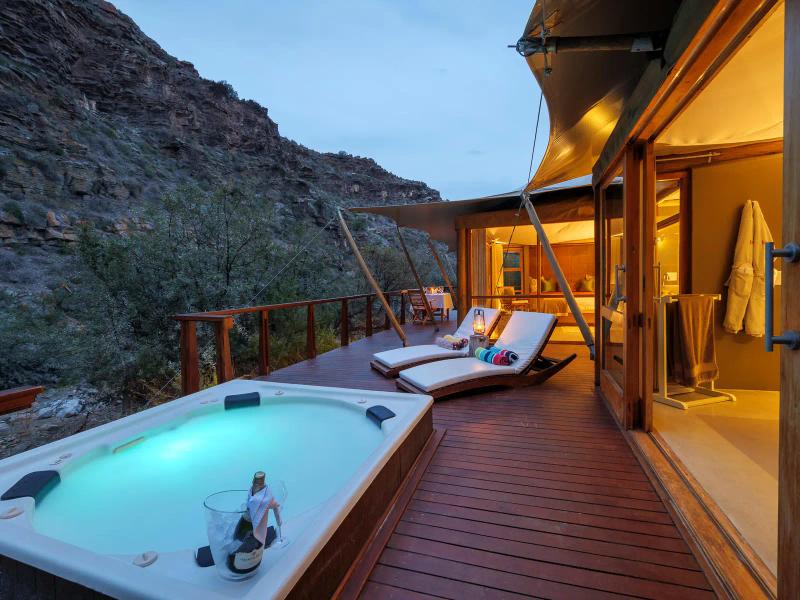
3-Day BIG 5 Safari at Sanbona Wildlife Reserve (Combine with Cape Town)
Experience three days at Sanbona Wildlife Reserve on a 5-star BIG 5 safari - offering an exclusive and unique malaria-free safari, with the ...
- 2 nights at Dwyka Tented Lodge in malaria-free Sanbona Wildlife Reserve
- Big Five game drives across open plains and Cape Fold Mountains
- Guided wilderness walks, ancient San rock art and Karoo stargazing
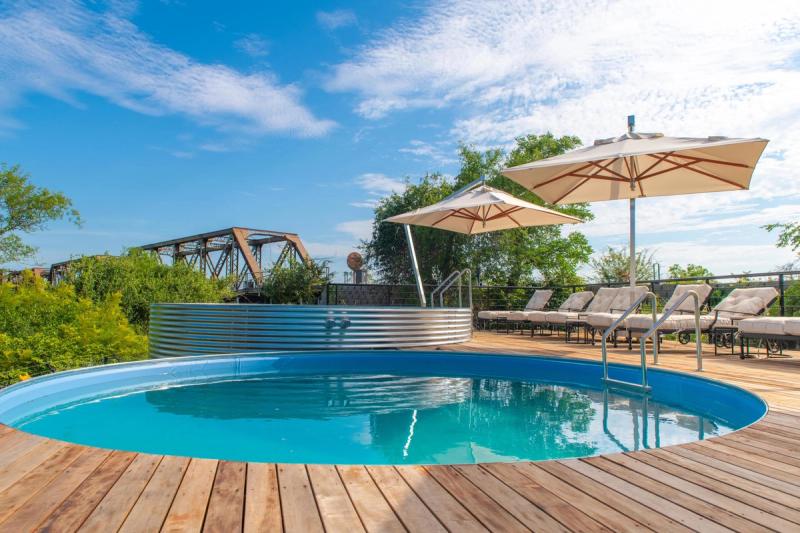
7-Day Kruger Park and Vic Falls Combo
Experience the ultimate safari adventure with a 7-day journey through Kruger National Park and Victoria Falls.
- 3 nights aboard Kruger Shalati, the train on the bridge over the Sabie River
- Twice-daily game drives in open Land Rovers across Kruger National Park
- 3 nights at The Wallow Lodge in Victoria Falls
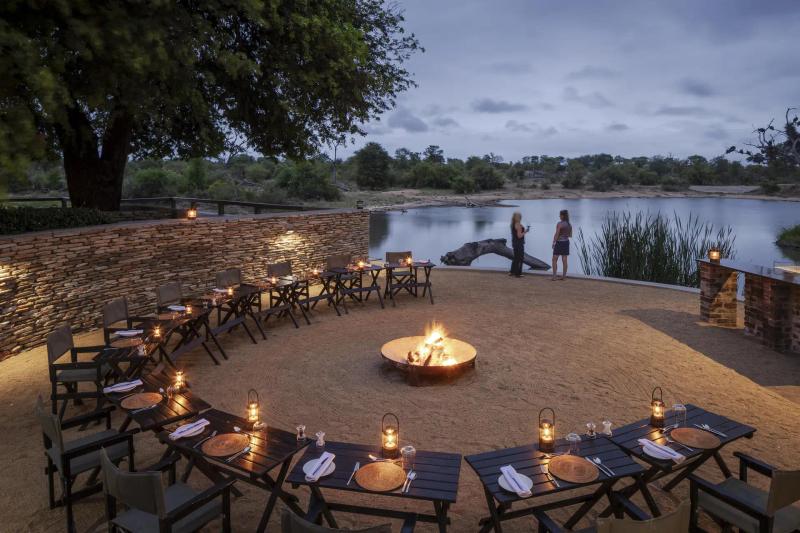
7-Day Fly-In Cape Town to Kruger Luxury Safari
Embark on a luxury safari from the stunning Cape Town Waterfront Village to the deep wilderness of Simbavati Waterside Klaserie Nature Reser...
- 3 nights at Waterfront Village on Cape Town's V&A Marina
- Walking distance to Two Oceans Aquarium, Watershed and Food Market
- Fly to Hoedspruit for 3 nights at Simbavati Waterside Lodge
Photography Tips for Chimpanzee
Fast lens (f/2.8) essential for dark forest floor. Watch for grooming sessions and play — these are the most photogenic moments.
Safety Guide
Maintain 8 metres minimum distance. Chimpanzees are much stronger than humans. Never make direct eye contact or show teeth (interpreted as aggression). Follow tracker instructions.
You Might Also Like
Watch in the Wild
Chimpanzees: Our Closest Relatives