Where to See
Where to See Mountain Gorillas: Trek Planning Guide
Compare Uganda and Rwanda gorilla trekking, official permit routes, terrain, health checks, responsible viewing, costs, packing, and conservation support.
Read guide →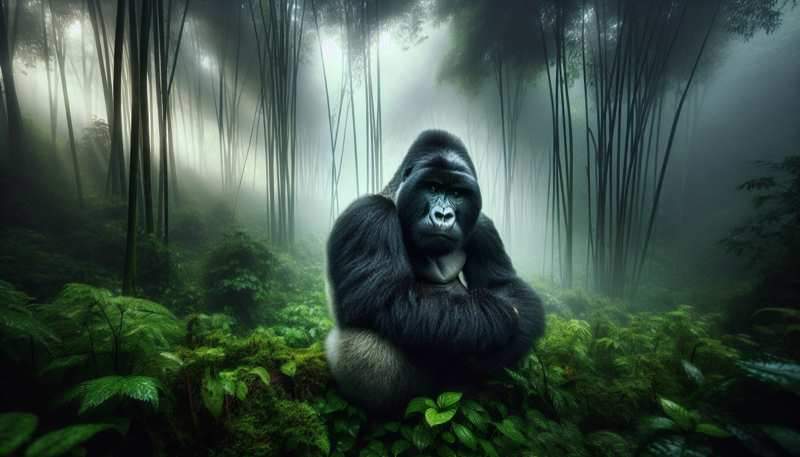
Gorilla beringei beringei
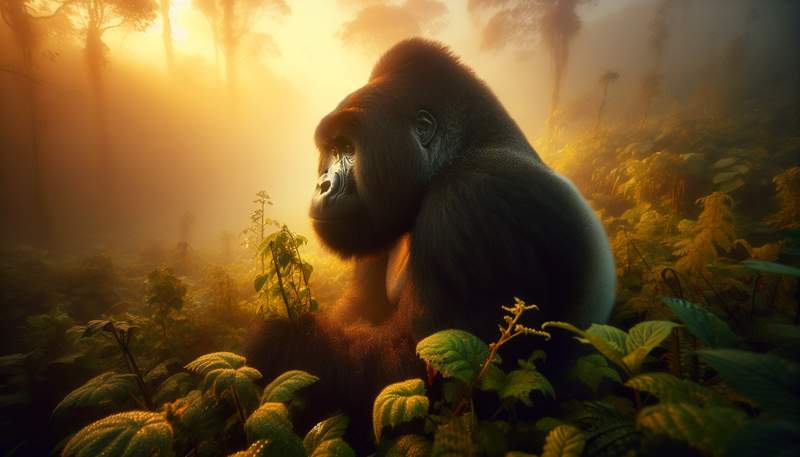
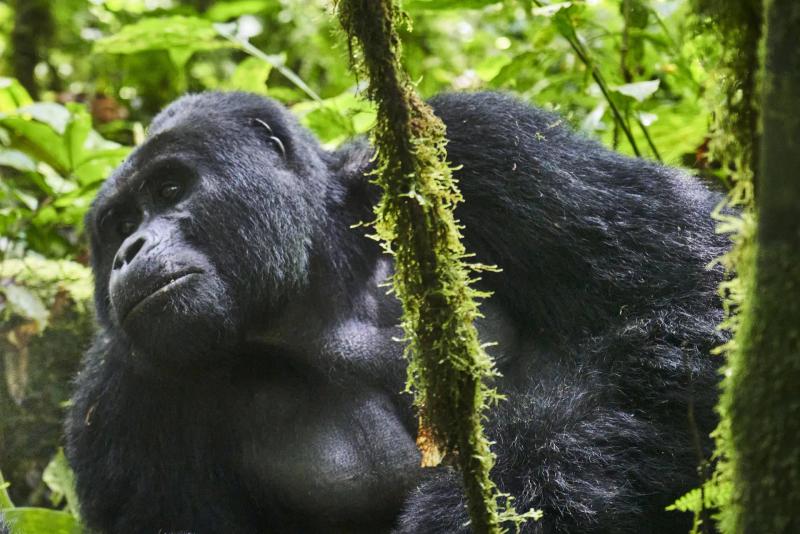
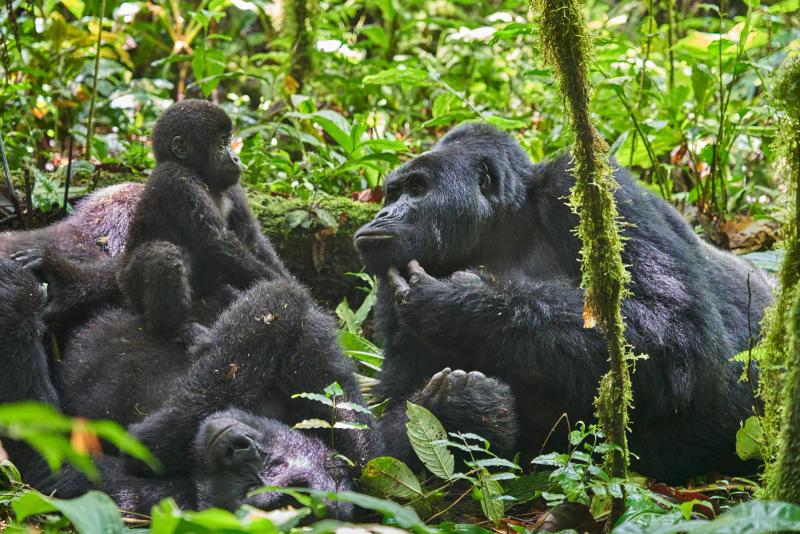
Mountain gorillas are a forest-dwelling subspecies of eastern gorilla found in Uganda, Rwanda, and the Democratic Republic of the Congo. Carefully managed tracking can connect visitors with protected landscapes, but permits, health rules, distance, terrain, and current travel advice must all be checked through official sources.
Migration: Groups move between feeding areas rather than making a long-distance seasonal migration.
Best time of day: Your permit and official park briefing set the reporting and tracking time.
Typical viewing distance: Follow the current park rule and ranger instruction; distance and health requirements can change.
Camera settings: Use a fast lens and higher ISO in dim forest; a zoom helps frame animals without moving closer.
Official tracking is organised through designated sectors, dates, entry points, permits, and ranger-led groups.
Uganda's Virunga-sector tracking option, managed through the national wildlife authority.
Rwanda's official gorilla-tracking destination, with permits handled through the Rwanda Development Board.
Virunga's official visitor site said gorilla and Nyiragongo treks were closed until further notice at the 15 July 2026 review. Do not plan access from an old itinerary; recheck official park operations and government travel advice.
Compare practical destination guides with seasonal timing, travel logistics, other wildlife, tours, and places to stay.
Country guides connect the species with other wildlife, featured places, planning context, and responsible-viewing advice.
Species may rely on several ecosystems across their range. Explore how conditions and conservation pressures differ.
Compare activity formats, physical conditions, operator questions, animal-welfare risks, and relevant destinations before choosing a tour.
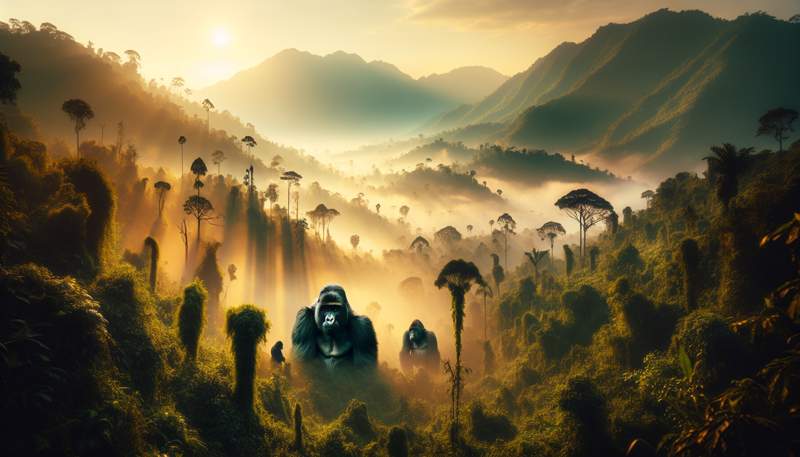
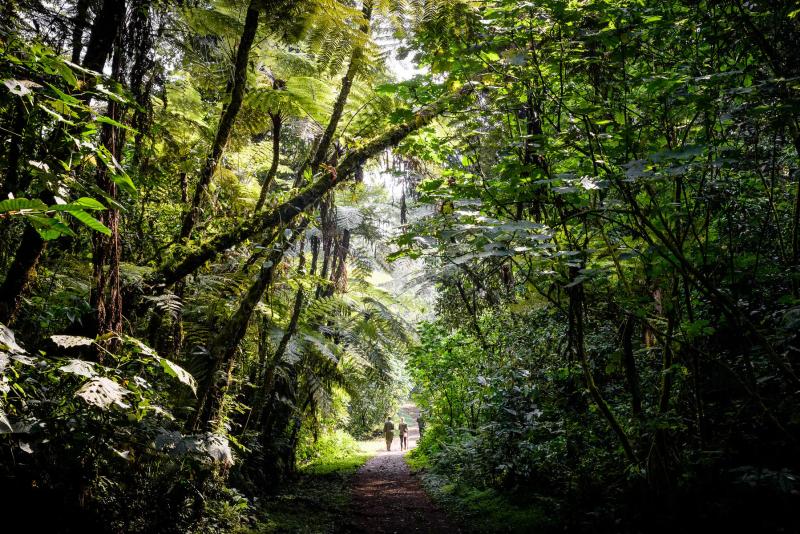
Gorilla trekking is a guided forest visit to a habituated gorilla group under a permit system. The walk may be short or may involve hours on steep,…
Plan the experience →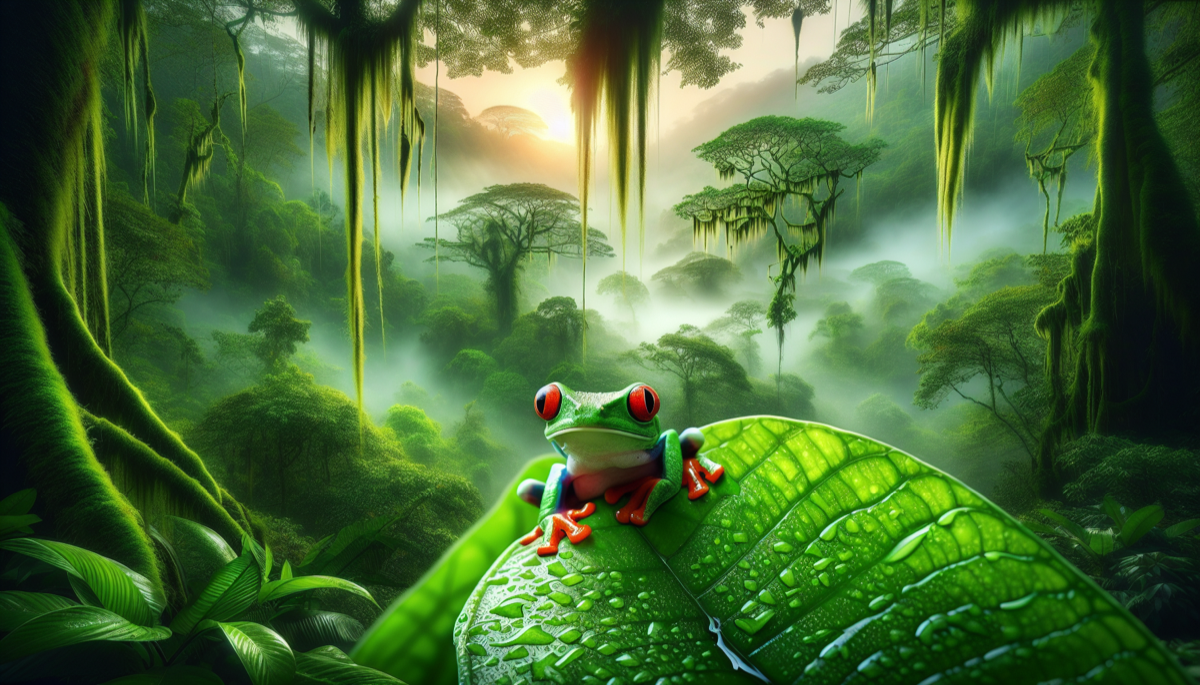
Rainforest wildlife trips reward attention to sound, movement, tracks, fruit, and forest layers more than long-distance vistas. A guide may locate…
Plan the experience →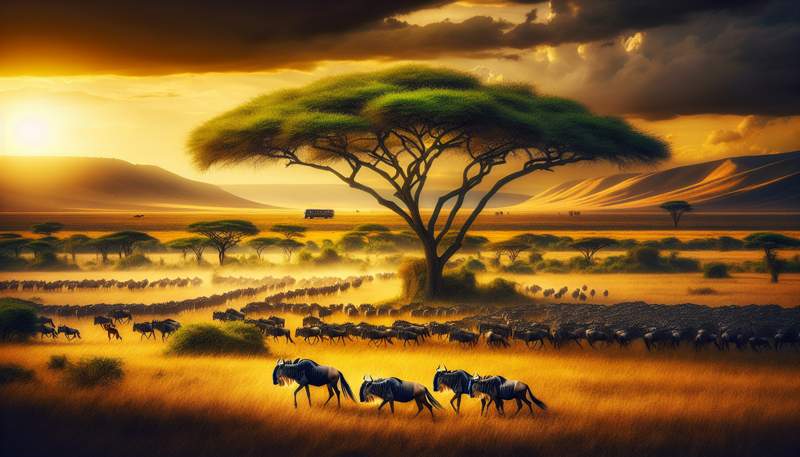
A wildlife photography tour should improve access, fieldcraft, and learning without turning animal welfare into a competition for the closest frame.…
Plan the experience →These third-party programmes offer relevant ways to adopt symbolically, foster, donate, or learn. We do not process contributions or receive commission.
A symbolic gorilla adoption connected to the organisation's long-term protection, research, education, and community work for wild gorillas and their forest habitat.
Review programme →Due DiligenceUnderstand symbolic adoption, verify the organisation, and review current terms and use of funds.
Open the programme directory →Current Viator listings matched to this species. Confirm where the activity operates, its wildlife policy, recent reviews, availability, and cancellation terms before booking.


Only species-relevant partner routes are shown. Confirm the exact location, wildlife policy, availability, current price, and cancellation terms before booking.
These links open third-party searches. Verify the exact operator, route, guide team, wildlife policy, field time, and no-sighting terms.
Search stays only after the gateway and field route are confirmed.
Compare current routes, baggage rules, buffers, and total booking terms.
Check medical, cancellation, activity, altitude, equipment, and evacuation terms for the exact itinerary.
Match equipment to guide advice, distance, weather, baggage limits, and safe handling.
Premium tailor-made packages from Africa's top operators. High-value bookings with expert planning.
Safari.com itinerary examples that may include mountain gorilla habitat. Request a current quote and confirm the operator, exact route, wildlife policy, recent reviews, and cancellation terms before booking.
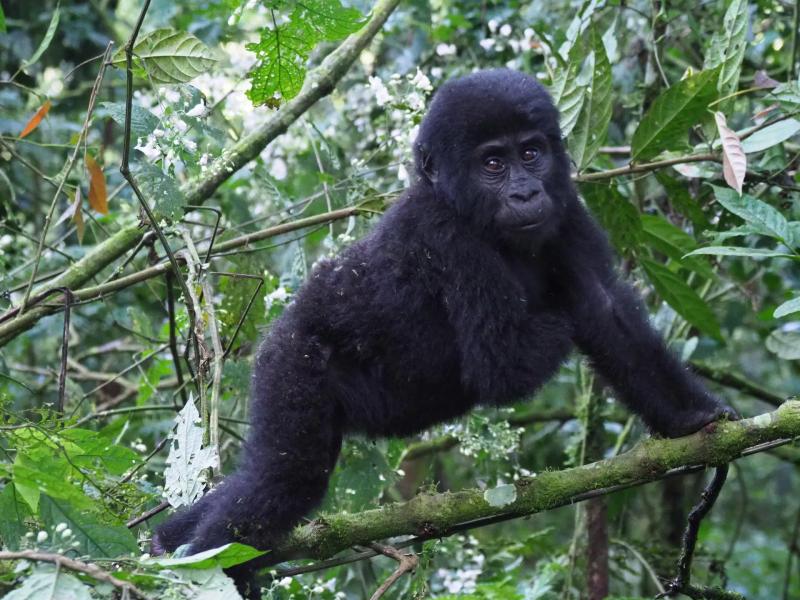
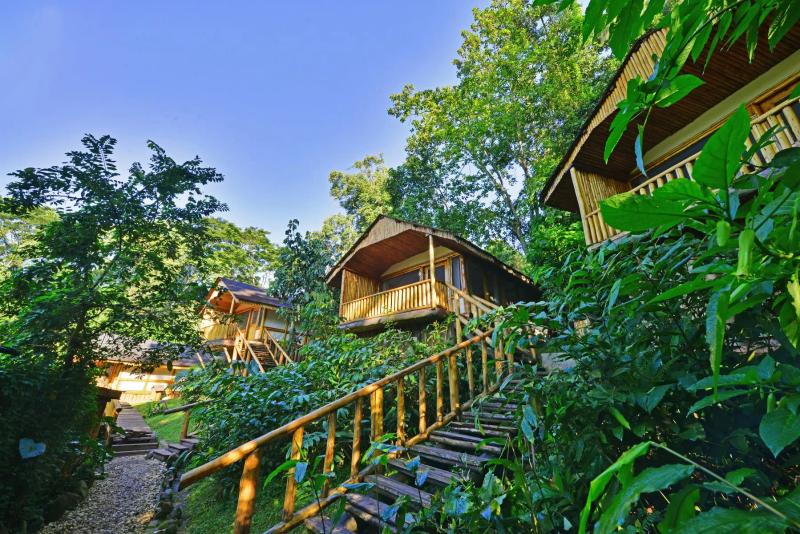
Buhoma is a small village located at the northern entrance of Bwindi Impenetrable National Park in Uganda, known primarily as a gateway for ...
This short trip is tailored for those who are short of time or those looking for a great post-trip extension after a wildlife safari in Keny...
This short trip is tailored for those who are short of time or those looking for a great post-trip extension after a wildlife safari in Keny...
This 9-day adventure combines the best of Kenya’s legendary wildlife and landscapes with Rwanda’s lush forests and gorilla trekking experien...
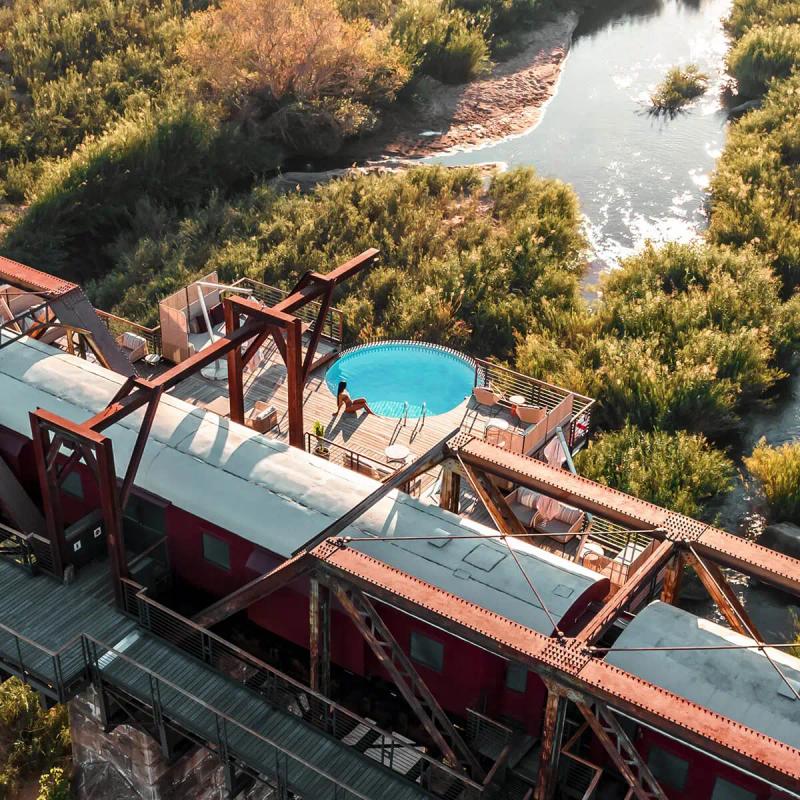
Experience the Kruger National Park, suspended over the Sabie River.
Forest light is dim — use a fast lens (f/2.8) and high ISO. Flash is prohibited. Keep your distance as instructed by rangers.
Follow every ranger instruction about illness, face coverings, distance, food, movement, photography, and encounter duration. Never trek while unwell or improvise if a gorilla changes direction or approaches the group.
See how Mountain Gorilla compares to other animals
Use these in-depth guides to compare destinations, timing, costs, photography, and responsible wildlife-viewing choices.
Compare Uganda and Rwanda gorilla trekking, official permit routes, terrain, health checks, responsible viewing, costs, packing, and conservation support.
Read guide →The complete guide to gorilla trekking clothing and gear. From waterproof layers to gardening gloves, learn exactly what to wear for a comfortable trek in the jungle.
Read guide →Understand the Uganda gorilla permit process, booking routes, date and sector choices, availability, operator questions, and which details to verify officially.
Read guide →
This guide currently identifies Bwindi Impenetrable National Park (Uganda), Mgahinga Gorilla National Park (Uganda), Volcanoes National Park (Rwanda). A species range is not automatically a visitor area, so confirm public access, closures, permits, and wildlife rules with the relevant authority before travelling. No wild sighting is guaranteed.
Our species-level planning note is: Year-round tracking may operate; compare rainfall, permit availability, and current park conditions. The listed location windows are Bwindi Impenetrable National Park: Check UWA permit and park guidance; Mgahinga Gorilla National Park: Check UWA permit and park guidance; Volcanoes National Park: Check RDB permit and park guidance. Treat these as starting points and verify current weather, access, and local wildlife guidance for the exact destination.
Build a current total from transport, permits or entry fees, guiding or hides, accommodation, insurance, equipment, and enough field sessions for an uncertain sighting. Prices and currencies vary too much by region and date for one daily figure to be reliable; use official booking pages and written operator terms.
Follow every ranger instruction about illness, face coverings, distance, food, movement, photography, and encounter duration. Never trek while unwell or improvise if a gorilla changes direction or approaches the group. Local rules and ranger instructions take priority over general advice, and a guide should never manufacture proximity by feeding, calling, chasing, or blocking an animal.
Forest light is dim — use a fast lens (f/2.8) and high ISO. Flash is prohibited. Keep your distance as instructed by rangers. The image is secondary to legal access, safe distance, natural behaviour, and the privacy of sensitive locations.