Svalbard is one of the most extraordinary places on Earth to witness the northern lights. Positioned between 74 and 81 degrees north latitude, this Norwegian archipelago sits squarely within the auroral oval, offering some of the most consistent and spectacular aurora borealis displays anywhere in the world. But timing your visit correctly makes all the difference.
This guide covers the best months, viewing conditions, and practical tips for seeing the northern lights in Svalbard, plus how to combine your aurora trip with the region's remarkable Arctic wildlife.
The Best Months for Northern Lights in Svalbard
Svalbard's northern lights season runs from late September to mid-March. However, not all months within this window are equal.
October: The Opening Act
October marks the beginning of the polar night approach. By late October, Svalbard receives only a few hours of twilight, creating increasingly dark skies. Aurora activity is typically strong as the autumn equinox amplifies geomagnetic storms. The weather can be relatively mild (by Arctic standards), with temperatures around -5 to -10C.
November to January: Peak Darkness
From late November to late January, Svalbard experiences the polar night, with 24 hours of complete darkness. This is the prime window for northern lights. The aurora can appear at any time of day, not just at night, because it is always dark. The downside is extreme cold (-15 to -25C) and the possibility of heavy cloud cover and storms.
February to March: The Sweet Spot
Many experienced aurora chasers consider late February and early March the ideal time for Svalbard. The returning twilight creates stunning colour gradients on the horizon that contrast beautifully with the aurora overhead. Temperatures begin to moderate, polar wildlife becomes more active, and the blend of blue light and dancing greens makes for extraordinary photographs.
What Affects Northern Lights Visibility
Solar Activity
The aurora borealis is caused by charged particles from the sun interacting with Earth's magnetic field. Solar activity follows an approximately 11-year cycle, and 2026 sits near the peak of Solar Cycle 25. This means aurora activity is expected to be strong and frequent throughout the season, making 2026 an excellent year for northern lights viewing.
Cloud Cover
The biggest obstacle to seeing the northern lights in Svalbard is cloud cover, not darkness or solar activity. Svalbard's maritime climate means clouds can persist for days. Allow at least 3-5 nights on the archipelago to increase your chances of clear skies. Local guides monitor weather patterns and can advise on the best viewing windows.
Moon Phase
A full moon can wash out fainter aurora displays. If possible, plan your visit around the new moon for the darkest possible skies. That said, a bright aurora is visible even under a full moon, and the moonlight can actually illuminate the snowy landscape beautifully beneath the aurora.
Where to Watch from Svalbard
Longyearbyen
The main settlement and your base for most Svalbard visits. Light pollution from the town is minimal by most standards, but heading even a few hundred metres outside the settlement dramatically improves viewing. Several tour operators offer snowmobile or dog-sled excursions to prime viewing locations away from any artificial light.
Adventdalen Valley
Just outside Longyearbyen, this broad glacial valley offers dark skies and panoramic views of the horizon in all directions. Many aurora tours head here by snowmobile.
Camp Barentz and Wilderness Lodges
Remote wilderness lodges accessible by snowmobile or boat offer the ultimate aurora experience with zero light pollution and guides who wake you if the lights appear while you sleep.
Combining Northern Lights with Arctic Wildlife
One of Svalbard's greatest advantages over other aurora destinations is the opportunity to see incredible Arctic wildlife during the same trip. The archipelago is home to:
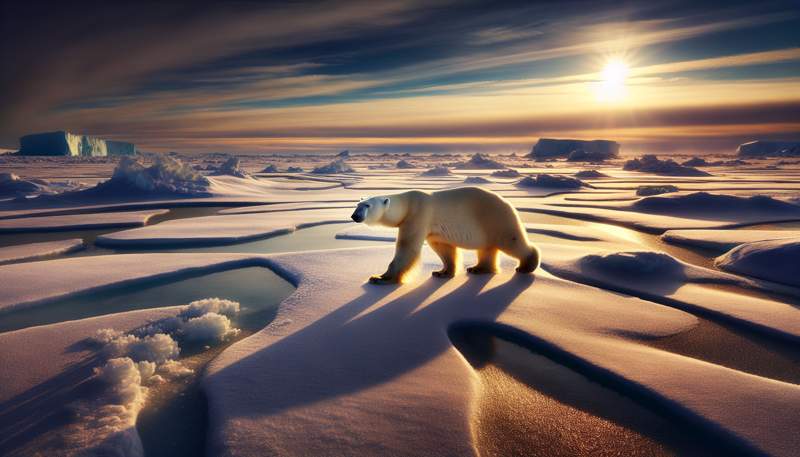
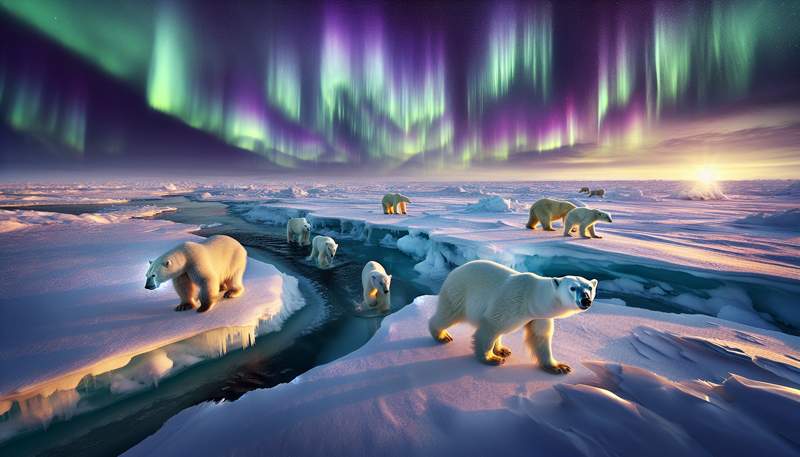
- Polar bears: Svalbard has a significant polar bear population. While bear sightings near Longyearbyen are less common in winter, dedicated wildlife tours into the surrounding wilderness can yield encounters
- Arctic foxes: Frequently spotted around Longyearbyen, particularly in winter when they scavenge near human settlements
- Svalbard reindeer: A unique subspecies that remains on the islands year-round and is often seen grazing near town
- Walrus: More common in summer, but occasionally seen at certain haul-out sites during the aurora season
For polar bear viewing combined with aurora watching, February and March provide the best overlap. Learn more about polar bear habitats and viewing opportunities across the Arctic.
Practical Tips for Your Svalbard Aurora Trip
Getting There
Flights to Svalbard's Longyearbyen Airport (LYR) operate from Oslo and Tromso. Book flights through Expedia for competitive fares and flexible booking options.
What to Wear
Arctic-grade clothing is essential. Temperatures during the aurora season range from -10 to -30C. Layer extensively: thermal base layers, insulating mid-layers, and a windproof, insulated outer shell. Many tour operators provide or rent Arctic-grade outerwear. Browse cold-weather outdoor gear to prepare for the extreme conditions.
Photography Tips
Use a tripod, a wide-angle lens (14-24mm), and manual focus set to infinity. Set your camera to a high ISO (1600-6400), wide aperture (f/2.8 or wider), and a shutter speed of 5-15 seconds. Bring spare batteries, as cold temperatures drain them quickly. Keep batteries warm in your pocket until ready to shoot.
Safety
Svalbard has a significant polar bear population, and armed guides are required outside Longyearbyen. Never venture into the wilderness alone, even for aurora viewing. All tour operators provide armed escort for excursions beyond the town limits.
For organized northern lights and wildlife tours in Svalbard, check GetYourGuide for vetted excursions led by experienced Arctic guides who know the best viewing spots and wildlife hotspots.