Where to See
Polar Bear Viewing in Churchill: The Complete Experience
Everything you need to know about seeing polar bears in Churchill, Manitoba. When to go, how to get there, tundra buggy tours, and what to expect.
Read guide →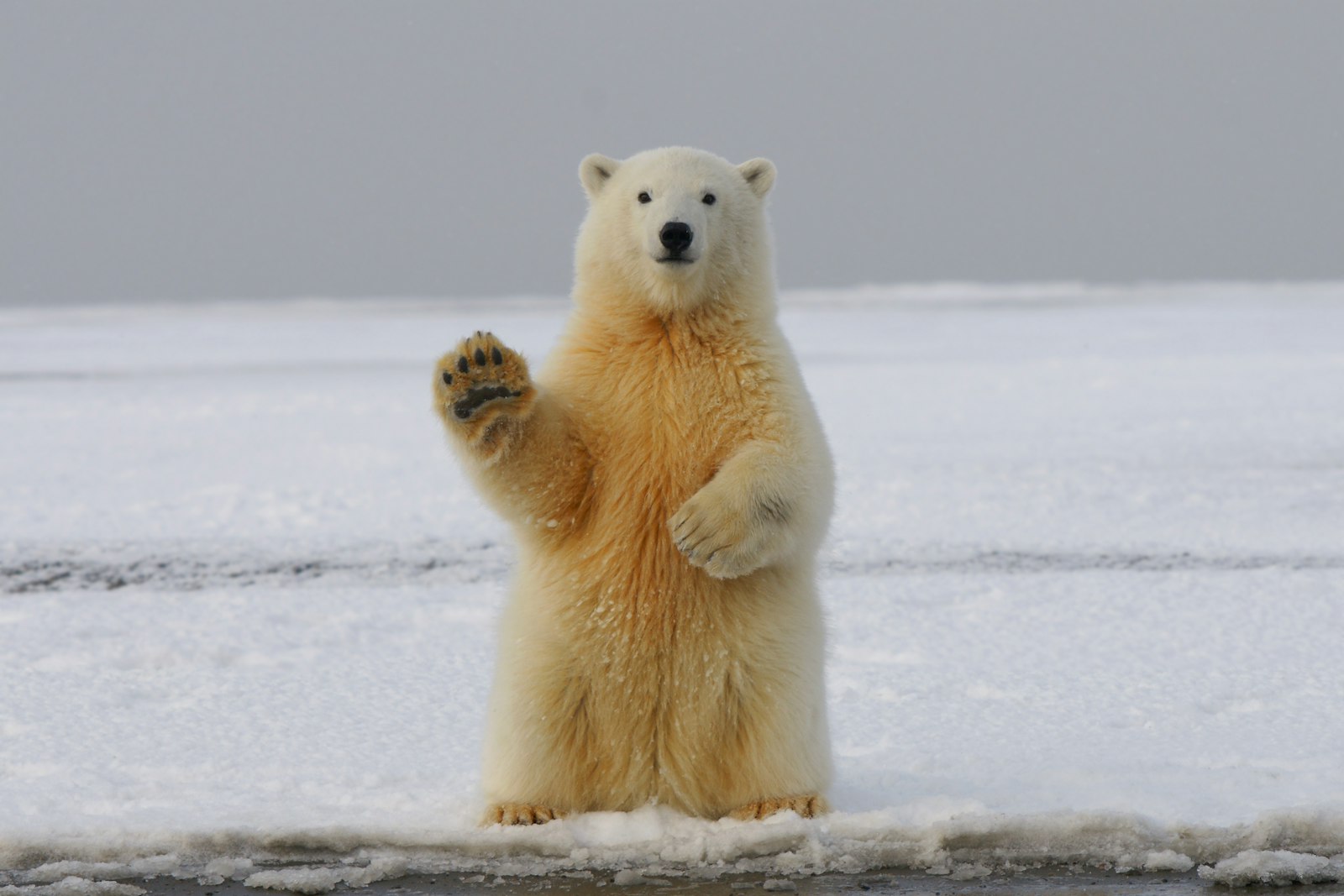
Ursus maritimus
The polar bear is a sea-ice-dependent Arctic marine mammal whose conservation picture cannot be reduced to one range-wide count or trend. Canada manages the species through subpopulations and jurisdictions; the 2022 Polar Bear Technical Committee map assessed Western Hudson Bay, the subpopulation relevant to Churchill, as likely declined. Responsible viewing starts with a named route, current local conditions, and official bear-safety rules rather than a promised sighting.
Migration: Movement follows changing sea ice, coastlines, denning areas, prey access, and individual condition. Routes and time on land differ among subpopulations and years.
Best time of day: Use the lawful operator schedule, current visibility, weather, bear movement, and authority guidance. There is no universal range-wide viewing hour or guaranteed Churchill session.
Typical viewing distance: Use the authority and operator's current route and separation rule. Remain inside or on the approved platform when instructed; never approach on foot or ask a driver or guide to crowd, follow, or block a bear.
Camera settings: Expose for the actual snow and sky, monitor the histogram, and use a shutter speed suited to the animal and platform. A longer lens is a framing tool, never a reason to seek a closer encounter.
A remote town-based route where on-land bear movement changes with sea ice, weather, and distribution. Use an established operator and follow Manitoba Polar Bear Alert guidance throughout the trip.
A protected subarctic landscape south and east of Churchill with tightly controlled access. Parks Canada says a licensed operator is required for all visitor activities in the park.
Compare practical destination guides with seasonal timing, travel logistics, other wildlife, tours, and places to stay.
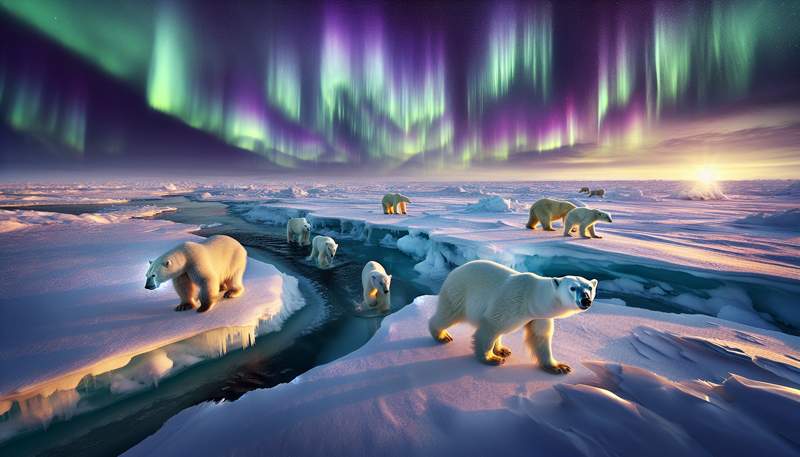
Churchill is a remote Hudson Bay community reached by train or air, with no road connection to the wider Manitoba network. Autumn polar-bear view...
Plan your visit →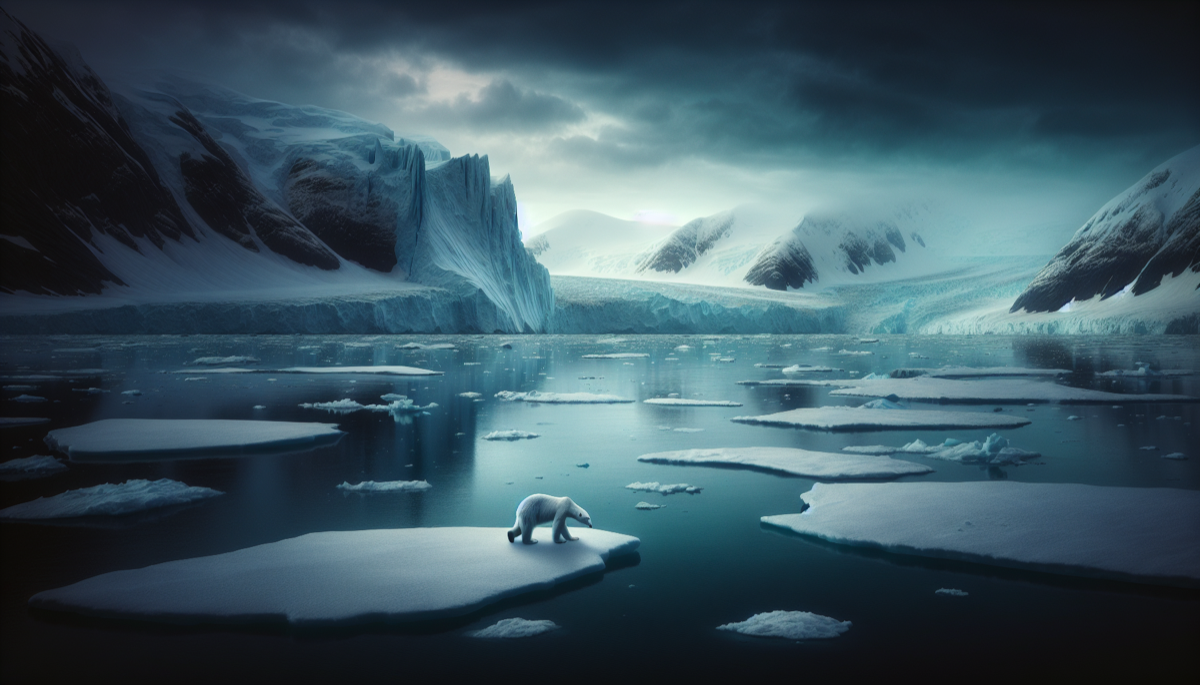
Svalbard is a Norwegian Arctic archipelago reached by most independent visitors through Longyearbyen. It rewards a route-first plan: a town-based...
Plan your visit →Country guides connect the species with other wildlife, featured places, planning context, and responsible-viewing advice.
Species may rely on several ecosystems across their range. Explore how conditions and conservation pressures differ.
Compare activity formats, physical conditions, operator questions, animal-welfare risks, and relevant destinations before choosing a tour.
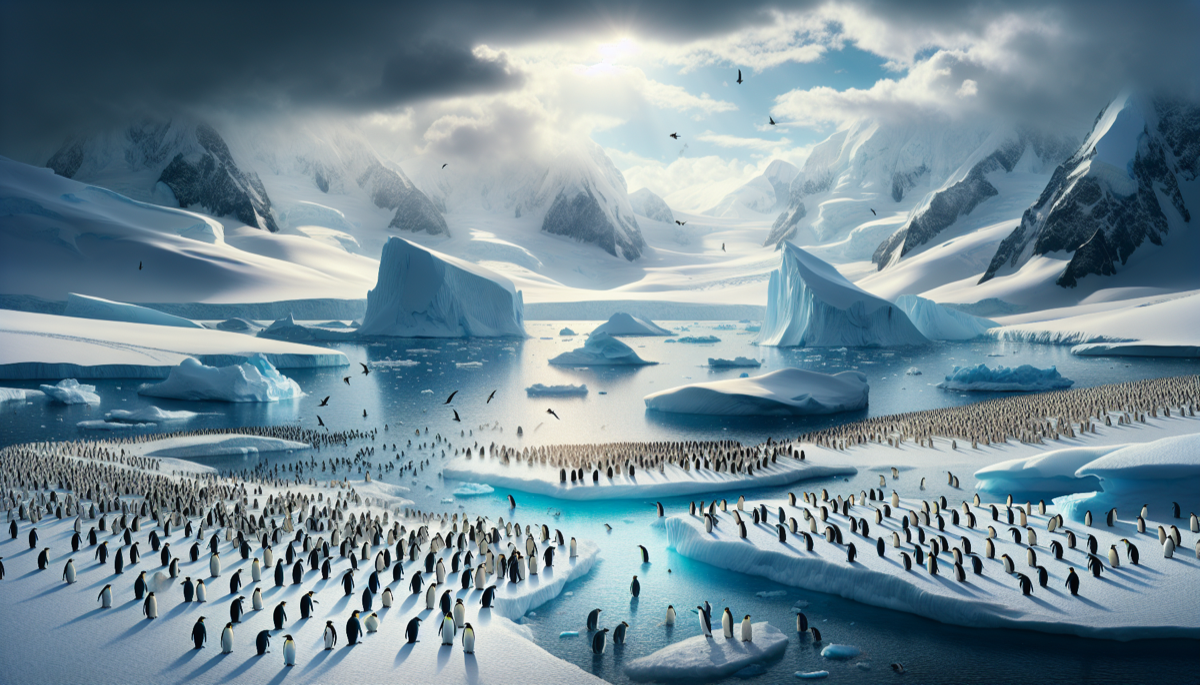
Polar wildlife travel covers two different ends of the planet. Arctic trips may search for polar bears, walruses, whales, and tundra wildlife around…
Plan the experience →
A wildlife photography tour should improve access, fieldcraft, and learning without turning animal welfare into a competition for the closest frame.…
Plan the experience →These third-party programmes offer relevant ways to adopt symbolically, foster, donate, or learn. We do not process contributions or receive commission.
A symbolic eco-adoption route supporting an organisation focused on polar bears and sea ice through research, education, field partnerships, and public action.
Review programme →Due DiligenceUnderstand symbolic adoption, verify the organisation, and review current terms and use of funds.
Open the programme directory →Current Viator listings matched to this species. Confirm where the activity operates, its wildlife policy, recent reviews, availability, and cancellation terms before booking.
Only species-relevant partner routes are shown. Confirm the exact location, wildlife policy, availability, current price, and cancellation terms before booking.
These links open third-party searches. Verify the exact operator, route, guide team, wildlife policy, field time, and no-sighting terms.
Search stays only after the gateway and field route are confirmed.
Compare current routes, baggage rules, buffers, and total booking terms.
Check medical, cancellation, activity, altitude, equipment, and evacuation terms for the exact itinerary.
Match equipment to guide advice, distance, weather, baggage limits, and safe handling.
Photograph only from the position set by the authority and operator. Check the histogram for bright snow, use enough shutter speed for movement, and change exposure or focal length before asking for a closer position.
Never approach, follow, feed, attract, or try to pass a polar bear. In Churchill, check current Polar Bear Alert information, obey closures and local instructions, manage food and other attractants, and do not assume an independent walk is safe. Use a qualified operator for wildlife travel outside the town and let the guide or authority end or reroute an encounter.
Use these in-depth guides to compare destinations, timing, costs, photography, and responsible wildlife-viewing choices.
Everything you need to know about seeing polar bears in Churchill, Manitoba. When to go, how to get there, tundra buggy tours, and what to expect.
Read guide →
This guide currently identifies Churchill and the Western Hudson Bay coast (Canada), Wapusk National Park (Canada). A species range is not automatically a visitor area, so confirm public access, closures, permits, and wildlife rules with the relevant authority before travelling. No wild sighting is guaranteed.
Our species-level planning note is: Route-specific: match sea ice, access, activity, and operator dates; no season guarantees a sighting. The listed location windows are Churchill and the Western Hudson Bay coast: Autumn is the established land-based viewing period; verify current ice, bear movement, operator dates, and safety alerts; Wapusk National Park: Only on a current licensed-operator departure approved for the activity and conditions. Treat these as starting points and verify current weather, access, and local wildlife guidance for the exact destination.
Build a current total from transport, permits or entry fees, guiding or hides, accommodation, insurance, equipment, and enough field sessions for an uncertain sighting. Prices and currencies vary too much by region and date for one daily figure to be reliable; use official booking pages and written operator terms.
Never approach, follow, feed, attract, or try to pass a polar bear. In Churchill, check current Polar Bear Alert information, obey closures and local instructions, manage food and other attractants, and do not assume an independent walk is safe. Use a qualified operator for wildlife travel outside the town and let the guide or authority end or reroute an encounter. Local rules and ranger instructions take priority over general advice, and a guide should never manufacture proximity by feeding, calling, chasing, or blocking an animal.
Photograph only from the position set by the authority and operator. Check the histogram for bright snow, use enough shutter speed for movement, and change exposure or focal length before asking for a closer position. The image is secondary to legal access, safe distance, natural behaviour, and the privacy of sensitive locations.