The Galápagos Islands stand as one of Earth's last great wilderness frontiers, where fearless wildlife and pristine ecosystems create an unparalleled natural theater. This UNESCO World Heritage site, located 600 miles off Ecuador's coast, offers wildlife encounters so extraordinary that they inspired Darwin's theory of evolution. Planning the perfect Galápagos Islands wildlife itinerary requires careful consideration of seasonal patterns, island-specific species, and strategic timing to maximize your once-in-a-lifetime encounters with some of the planet's most unique creatures.
Understanding Galápagos Seasons and Wildlife Patterns
The Galápagos experiences two distinct seasons that dramatically influence wildlife behavior and visibility. The warm season (December to May) brings calmer seas, occasional tropical showers, and peak breeding activity for many species. March, our current month, falls perfectly within this optimal period when Galápagos tortoises are most active and marine life thrives in warmer waters.
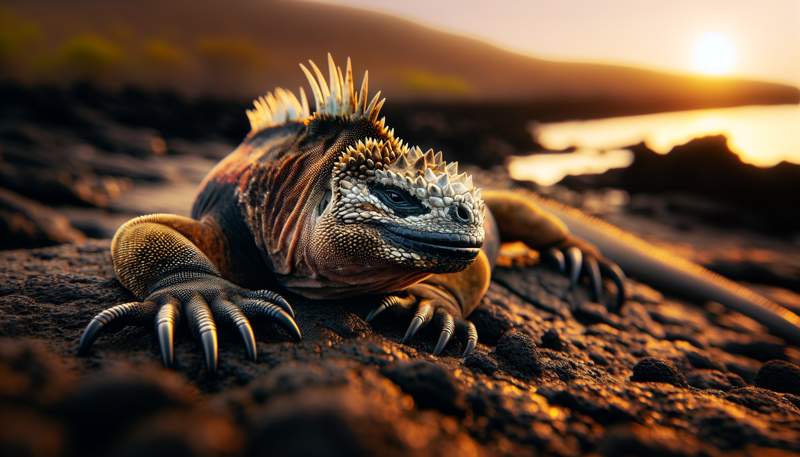
During the warm season, you'll witness incredible wildlife spectacles: Galápagos sea lions give birth to playful pups, marine iguanas display vibrant breeding colors, and blue-footed boobies perform their famous courtship dances. The cool season (June to November) offers different advantages, including migrating whale species and optimal conditions for observing the islands' famous Galápagos penguins.
Weather patterns directly impact your wildlife viewing opportunities. March 2026's warm temperatures create ideal conditions for snorkeling with green sea turtles, reef sharks, and the occasional hammerhead shark. The calmer seas also make inter-island travel more comfortable, allowing you to maximize your wildlife encounters across multiple islands.
Essential Islands for Your Wildlife Itinerary
A comprehensive Galápagos wildlife itinerary should include 4-6 islands over 7-10 days to experience the archipelago's incredible biodiversity. Find wildlife experiences on GetYourGuide to discover expertly guided tours that maximize your wildlife encounters while supporting conservation efforts.
Santa Cruz Island serves as the perfect starting point, home to the Charles Darwin Research Station where you can observe giant tortoises up close and learn about ongoing conservation efforts. The island's highlands offer opportunities to see tortoises in their natural habitat, while the coast provides excellent marine wildlife viewing.
Isabela Island, the largest in the archipelago, hosts an incredible diversity of wildlife across its varied landscapes. The Tintoreras islets nearby offer some of the best marine iguana colonies and white-tip reef shark encounters. Wall of Tears hiking trail provides opportunities to spot Galápagos hawks and various finch species.
Floreana Island delivers exceptional snorkeling experiences at Devil's Crown, where you'll encounter sea lions, rays, and tropical fish in crystal-clear waters. The island's pink flamingo lagoons create picture-perfect wildlife photography opportunities.
Day-by-Day Wildlife Itinerary Planning
Days 1-2: Santa Cruz Foundation
Begin your adventure at Puerto Ayora, visiting the Charles Darwin Research Station to understand the islands' conservation story. Spend your afternoon at Tortuga Bay Beach, where marine iguanas bask on black lava rocks and Sally Lightfoot crabs scurry across the shoreline. Day two should include a highlands excursion to observe giant tortoises roaming freely through misty forests.
Days 3-4: Isabela Island Immersion
Ferry to Isabela Island early morning (approximately $30 USD). Explore the Flamingo Lagoons where these magnificent pink birds feed alongside other waterbirds. Afternoon snorkeling at Concha de Perla offers encounters with sea turtles, rays, and colorful reef fish. Day four includes a visit to the Wall of Tears historical site and the Giant Tortoise Breeding Center.
Days 5-6: Northern Islands Adventure
Join a day tour to North Seymour or Bartolomé Island, depending on your cruise or tour operator. North Seymour hosts magnificent frigatebird colonies and blue-footed booby nesting sites. Bartolomé offers the iconic Pinnacle Rock view and excellent opportunities to swim with Galápagos sea lions and penguins.
Day 7: Floreana Island Marine Life
Conclude your wildlife adventure with snorkeling at Devil's Crown, often considered the best snorkeling site in the Galápagos. The underwater volcanic crater hosts an incredible diversity of marine life, including white-tip reef sharks, eagle rays, and schools of tropical fish.
Wildlife Photography and Equipment Essentials
Capturing the Galápagos' incredible wildlife requires proper preparation and equipment. Check prices on Amazon for professional-grade camera equipment that can handle the islands' challenging conditions, from bright tropical sun to underwater environments.
Essential photography gear includes a weatherproof camera body, telephoto lens (200-400mm) for wildlife portraits, and underwater housing or waterproof camera for marine life encounters. The islands' fearless wildlife allows for incredible close-up shots, but respecting the mandatory 6-foot distance rule ensures both animal welfare and visitor safety.
Consider the unique lighting conditions throughout your itinerary. Early morning and late afternoon provide the best lighting for wildlife photography, while midday sun creates excellent conditions for underwater photography. Pack extra batteries and memory cards, as charging opportunities may be limited during multi-day cruises.
Our comprehensive wildlife photography guide offers detailed techniques for capturing different species behaviors, from the elaborate courtship displays of blue-footed boobies to the graceful underwater movements of sea turtles.
Budget Planning and Practical Considerations
A well-planned Galápagos wildlife itinerary requires significant financial investment, but the experience delivers unmatched value for serious wildlife enthusiasts. Budget approximately $3,000-$6,000 USD per person for a comprehensive 7-10 day experience, including flights, accommodation, tours, and meals.
Major expenses include:
- Round-trip flights from mainland Ecuador: $400-600 USD
- Galápagos National Park entrance fee: $200 USD
- Transit Control Card: $20 USD
- 8-day cruise: $2,500-4,500 USD per person
- Land-based accommodation: $100-300 USD per night
- Daily tours and activities: $150-250 USD per day
Compare flights on Expedia to find the best deals for travel to Ecuador, typically connecting through Quito or Guayaquil before reaching the islands.
Consider purchasing adventure travel insurance from World Nomads to protect your significant investment and ensure coverage for the remote location and adventure activities like snorkeling and hiking.
Conservation and Responsible Wildlife Viewing
The Galápagos Islands' pristine condition depends on responsible tourism practices and strict conservation guidelines. All visitors must follow designated trails, maintain minimum distances from wildlife, and travel with certified naturalist guides who ensure both safety and educational value.
Your wildlife itinerary should prioritize operators committed to conservation. Many tour companies contribute directly to research and protection efforts, while local guides provide invaluable knowledge about species behavior and conservation challenges. The islands' unique ecosystem faces ongoing threats from climate change, invasive species, and increasing tourism pressure.
Participate in citizen science opportunities during your visit, such as wildlife monitoring programs that contribute valuable data to ongoing research. These experiences enhance your wildlife itinerary while supporting the scientific understanding necessary for long-term conservation success.
Planning your ultimate Galápagos Islands wildlife itinerary requires balancing ambitious wildlife goals with realistic logistics and conservation responsibility. The archipelago's incredible biodiversity and fearless wildlife create memories that last a lifetime, making every planning detail worthwhile. For additional inspiration and detailed destination guides, explore our Ecuador wildlife destinations page and discover how this remarkable destination fits into broader South American wildlife adventures. Find specialized Galápagos wildlife experiences on GetYourGuide to ensure your journey supports both incredible wildlife encounters and vital conservation efforts.