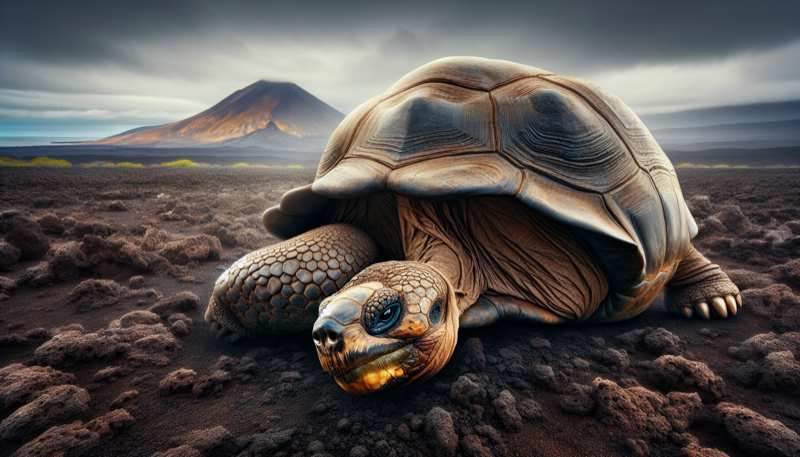
Galapagos Giant Tortoise
Chelonoidis nigra
About the Galapagos Giant Tortoise
Galapagos giant tortoises are the largest tortoises in the world, weighing up to 417 kg and living for over 100 years. These gentle giants were instrumental in Charles Darwin's development of the theory of evolution. Each island's tortoise population evolved distinct shell shapes adapted to local vegetation.
Biology & Stats
Migration: Seasonal movements between highlands (wet) and lowlands (dry).
Best time of day: Morning when most active. Rest in shade during midday heat.
Typical viewing distance: 2-10 metres (on marked trails)
Camera settings: 1/250s, f/5.6-f/8, ISO 200-800, wide-angle for landscape context
Fun Facts
- The oldest known Galapagos tortoise, Harriet, lived to 175 years old.
- They can survive up to a year without food or water.
- Lonesome George, the last Pinta Island tortoise, died in 2012, making his subspecies extinct.
Where to See Galapagos Giant Tortoise in the Wild
Santa Cruz Island
Ecuador (Galapagos)Charles Darwin Research Station with captive breeding and wild populations in the highlands.
Isabela Island
Ecuador (Galapagos)Arnaldo Tupiza Breeding Centre and wild tortoises on the slopes of Alcedo Volcano.
Featured Destinations to See Galapagos Giant Tortoise
Compare practical destination guides with seasonal timing, travel logistics, other wildlife, tours, and places to stay.
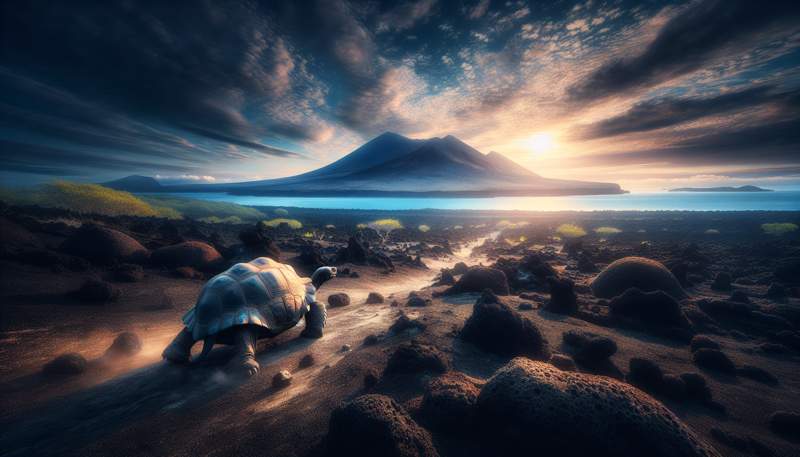
Explore Galapagos Giant Tortoise by Country
Country guides connect the species with other wildlife, featured places, planning context, and responsible-viewing advice.
Habitats Used by Galapagos Giant Tortoise
Species may rely on several ecosystems across their range. Explore how conditions and conservation pressures differ.
Where to See Galapagos Giant Tortoise at Zoos
Support Independent Conservation Work
These third-party programmes offer relevant ways to adopt symbolically, foster, donate, or learn. We do not process contributions or receive commission.
Galápagos Giant Tortoise Adoption
An adoption programme described by Galápagos Conservancy as support for the care of an individual giant tortoise in a breeding centre until release into the wild.
Review programme →Due DiligenceCheck Before You Contribute
Understand symbolic adoption, verify the organisation, and review current terms and use of funds.
Open the programme directory →Browse Galapagos Giant Tortoise Tours & Experiences
Current Viator listings matched to this species. Confirm where the activity operates, its wildlife policy, recent reviews, availability, and cancellation terms before booking.

Bay Tour in Santa Cruz - Galapagos Islands
3 hours
BiciTour Giant Turtles and Lava Tunnel in Galapagos
4h 30m
Islas Ballestas - Paracas Boat Tour at the Galapagos of Peru
2 hours
Snorkeling in Cabo Rosa Tunnels Isabela Island
5 hours
Transfer Airport-hotel in Galapagos Santa Cruz with visit to Giant Tortoises
3h 30m
Isabela Island Tour in Galapagos with Kayak
2 hoursPhotography Tips for Galapagos Giant Tortoise
Get low for eye-level portraits. Wide-angle lenses show their massive scale against volcanic landscapes. They are slow — take your time composing.
Safety Guide
Do not touch, feed, or get closer than 2 metres to tortoises. Stay on marked trails. Follow Galapagos National Park rules at all times.
You Might Also Like
Watch in the Wild
Giant Tortoises of the Galapagos
