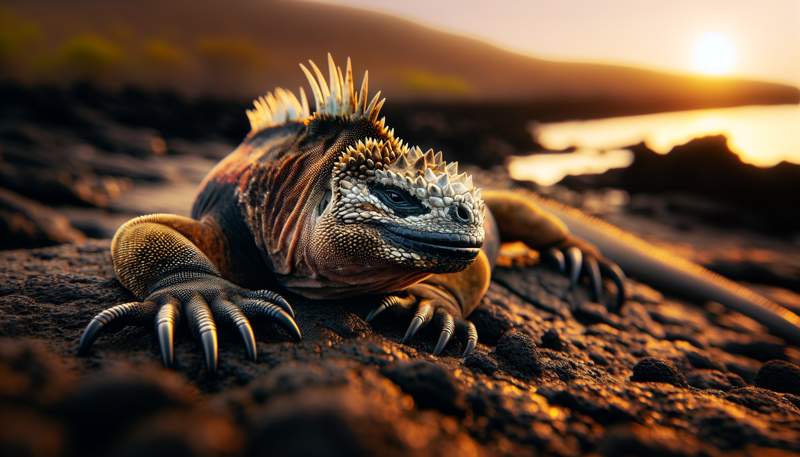
The Galapagos Islands, once considered an exclusive destination for the wealthy, are becoming increasingly accessible to budget-conscious travelers. With careful planning and smart choices, you can experience the incredible wildlife and pristine landscapes of this UNESCO World Heritage site for under $3,000 in 2026. This comprehensive guide will show you exactly how to make your Galapagos dream trip affordable while still enjoying unforgettable encounters with giant tortoises, marine iguanas, and other unique species found nowhere else on Earth.
Breaking Down the $3,000 Galapagos Budget
To visit the Galapagos Islands for under $3,000, you'll need to carefully allocate your funds across several key categories. Here's a realistic breakdown of costs for a 7-day trip:
- Flights to Ecuador: $400-800
- Flights to Galapagos: $300-500
- Accommodation (land-based): $700-1,200
- National Park Entrance Fee: $200
- Transit Control Card: $20
- Daily tours and activities: $800-1,000
- Meals not included in tours: $200-300
- Miscellaneous expenses: $150-280
This budget assumes you'll stay in modest accommodations, eat at local restaurants, and choose day tours over expensive cruise packages. While luxury cruises can cost $5,000-10,000 per person, land-based exploration offers exceptional value without sacrificing wildlife experiences.
Finding Affordable Flights to the Galapagos
Your flight costs will likely represent the largest portion of your budget. Start by booking your international flight to Quito (UIO) or Guayaquil (GYE) in Ecuador well in advance. Use flight comparison tools on Expedia to find the best deals, and consider flying during shoulder seasons (April-May and September-November) when prices drop significantly.
For domestic flights to the Galapagos, you'll need to book separately with LATAM or Avianca. These flights typically cost $300-500 roundtrip from mainland Ecuador. Book these as early as possible, as prices increase closer to your travel date. Remember that all flights to the Galapagos depart from either Quito or Guayaquil, so plan your international arrival accordingly.
Budget Accommodation Options
While luxury eco-lodges command premium prices, the Galapagos offers several affordable accommodation options that provide comfort without breaking the bank. Focus your search on Expedia for hostels, guesthouses, and budget hotels in Puerto Ayora (Santa Cruz Island) or Puerto Baquerizo Moreno (San Cristóbal Island).
Budget accommodations typically cost $40-80 per night for a private room or $15-25 for dormitory beds. Look for places that include breakfast, as restaurant meals can add up quickly. Some recommended budget-friendly options include:
- Hostels: Galapagos Dreams Hostel, Lava House Lodge
- Guesthouses: Casa Natura Galapagos Lodge, Red Booby Hostal
- Budget Hotels: Hotel Solymar, Villa Laguna
Consider staying on Santa Cruz Island as your base, since it offers the most budget accommodation options and serves as a central hub for day trips to other islands. This strategy aligns well with exploring diverse Galapagos destinations while maintaining cost control.
Smart Strategies for Tours and Activities
Day tours and activities will consume a significant portion of your budget, but you can maximize value by choosing wisely. Instead of booking expensive multi-day cruises, opt for day trips that allow you to return to your budget accommodation each evening.
Essential Day Tours Under $150 Each
Several tour operators offer excellent day trips for under $150 per person. These typically include transportation, guide services, snorkeling equipment, and lunch. Priority tours for budget travelers include:
- Bartolomé Island Day Trip: Famous for its iconic Pinnacle Rock and excellent snorkeling
- North Seymour Island: Best spot for observing blue-footed boobies and frigatebirds
- South Plaza Island: Perfect for seeing land iguanas and sea lions
- Santa Fe Island: Outstanding snorkeling and unique Santa Fe land iguanas
Book these tours through GetYourGuide or local operators in Puerto Ayora to compare prices and read recent reviews. Local booking often provides better rates than advance online booking, but popular tours can sell out during peak season.
Free and Low-Cost Activities
Not every memorable Galapagos experience requires expensive tours. Several free or low-cost activities provide incredible wildlife encounters:
- Las Grietas: Free natural swimming hole with crystal-clear water
- Tortuga Bay: Free beach perfect for spotting marine iguanas and white-tip reef sharks
- Charles Darwin Research Station: $10 entry fee to see giant tortoises up close
- Interpretation Center (San Cristóbal): Free museum with excellent exhibits on island ecology
- La Lobería Beach: Free beach for observing sea lions and marine iguanas
Money-Saving Tips for Food and Dining
Food costs in the Galapagos can quickly escalate if you're not strategic. While tour packages often include lunch, you'll need to budget for breakfasts, dinners, and snacks. Here's how to eat well without overspending:
Budget Dining Strategies
Local "almuerzos" (set lunch menus) typically cost $8-12 and include soup, main course, drink, and sometimes dessert. These meals provide excellent value and authentic Ecuadorian flavors. For dinner, seek out local restaurants away from the main tourist strips where prices drop significantly.
Stock up on snacks, water, and breakfast items at local supermarkets like Proinsular or Super TIA. A week's worth of breakfast supplies and snacks typically costs $30-50, much less than restaurant prices. Consider accommodations with kitchenette access to prepare simple meals.
Transportation Between Islands
Inter-island transportation represents another significant cost consideration. Water taxis between inhabited islands cost $25-30 per person each way, while speedboat transfers for day tours typically run $40-60. Budget for these transfers when planning multi-island stays or day trips.
For detailed information about transportation costs and logistics, check our comprehensive Galapagos travel expenses guide, which breaks down all transportation options and their associated costs.
Essential Travel Insurance and Safety Considerations
Don't overlook travel insurance, especially for adventure activities like snorkeling, hiking, and boat transfers. Comprehensive coverage through World Nomads typically costs $100-200 for a week-long trip but provides essential protection for medical emergencies, trip cancellation, and gear replacement.
The Galapagos' remote location means medical evacuation can be extremely expensive without proper coverage. Choose policies that specifically cover adventure activities and water sports, as these are integral to most Galapagos experiences.
Best Time to Visit for Budget Travelers
Timing your visit strategically can save hundreds of dollars on flights and accommodation. The Galapagos has two distinct seasons, each offering unique advantages for budget travelers:
- Dry Season (June-December): Cooler temperatures, less rainfall, but higher prices and crowds
- Wet Season (January-May): Warmer weather, occasional showers, lower prices, and excellent wildlife activity
For the best balance of cost savings and wildlife experiences, consider visiting during April-May or September-November. These shoulder periods offer moderate weather, fewer crowds, and significantly lower accommodation and flight prices.
Planning Your Itinerary
A well-planned 7-day itinerary allows you to experience the Galapagos' highlights without rushing. Base yourself on Santa Cruz Island for 4-5 nights, with day trips to nearby islands, then spend 2-3 nights on either San Cristóbal or Isabela Island for different wildlife experiences.
This approach minimizes inter-island transportation costs while maximizing wildlife diversity. You'll encounter different species on each island, from the famous blue-footed boobies to marine iguanas and giant tortoises, ensuring a comprehensive Galapagos experience within your budget constraints.
With careful planning, smart choices, and realistic expectations, experiencing the incredible wildlife and landscapes of the Galapagos Islands for under $3,000 in 2026 is entirely achievable. Focus on land-based accommodation, day tours instead of cruises, local dining, and strategic timing to make your dream trip financially feasible. The memories of swimming with sea lions, observing giant tortoises, and exploring volcanic landscapes will last a lifetime, proving that some of the world's most extraordinary experiences don't require unlimited budgets.