The Great Migration is one of nature's most spectacular phenomena, offering wildlife enthusiasts an unparalleled opportunity to witness millions of animals moving across the African landscape in an ancient rhythm of survival. Planning your safari around this incredible natural event requires careful timing, as the herds follow predictable patterns throughout the year based on rainfall, grass growth, and calving seasons.
Whether you're dreaming of witnessing the dramatic river crossings or hoping to see newborn calves taking their first steps, understanding where the herds will be each month is crucial for planning the perfect wildlife adventure. This comprehensive guide will help you track the Great Migration month by month throughout 2026, ensuring you're in the right place at the right time to witness this breathtaking spectacle.
Understanding the Great Migration Pattern
The Great Migration follows a roughly circular route between Tanzania's Serengeti National Park and Kenya's Maasai Mara, covering approximately 1,800 miles annually. This massive movement involves over 1.5 million wildebeest, 200,000 zebras, and 400,000 Thomson's gazelles, along with numerous predators that follow the herds.
The migration is driven primarily by the search for fresh grazing and water, with animals following the rains and seasonal grass growth. While the pattern is generally predictable, exact timing can vary by several weeks depending on weather conditions, making flexibility in your travel plans essential.
January 2026: Calving Season in the Southern Serengeti
January marks one of the most exciting times in the migration calendar. The herds congregate in the southern Serengeti plains around the Ndutu area and northern Ngorongoro Conservation Area. This is calving season, when approximately 400,000 wildebeest calves are born within a six-week period.
What to Expect:
- Massive herds spread across the short grass plains
- Newborn calves learning to walk within minutes of birth
- Intense predator activity as lions, cheetahs, and hyenas take advantage of vulnerable young animals
- Excellent photographic opportunities with dramatic predator-prey interactions
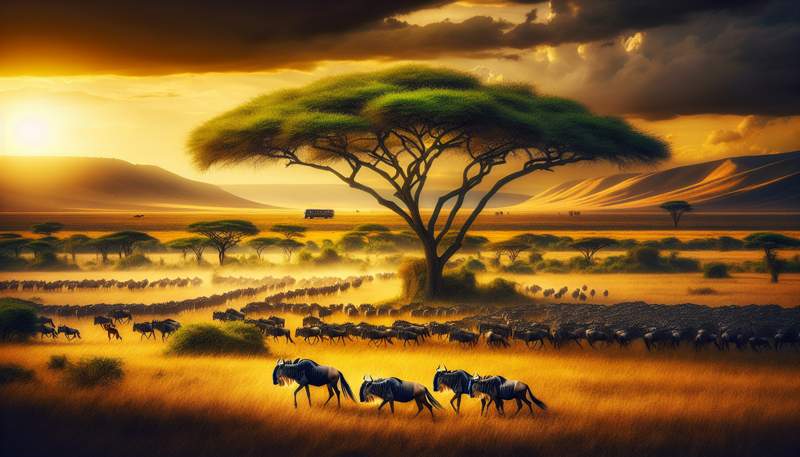
The southern Serengeti offers some of the best wildebeest viewing during this period, with herds often visible from a single vantage point stretching to the horizon.
February 2026: Peak Calving and Early Movement
February continues the calving spectacle, with the herds remaining concentrated in the southern Serengeti. This month often provides the most reliable wildlife viewing, as animals are less mobile and concentrated in smaller areas.
Planning Tip:
February is considered peak season for migration viewing, so book accommodations well in advance. Consider staying in mobile camps that move with the herds for the most authentic experience. Check out Safari.com for exclusive mobile camping options that follow the migration.
Late February may see the beginning of northward movement as the southern plains start to dry out, but the bulk of the herds typically remain in the calving areas through the end of the month.
March 2026: The Journey Begins
As the southern plains begin to dry out, the herds start their journey northward. March represents a transition month, with animals moving through the central Serengeti toward the western corridor.
Key Locations:
- Central Serengeti around Seronera area
- Beginning movement toward western corridor
- Some herds may still be in southern regions if rains persist
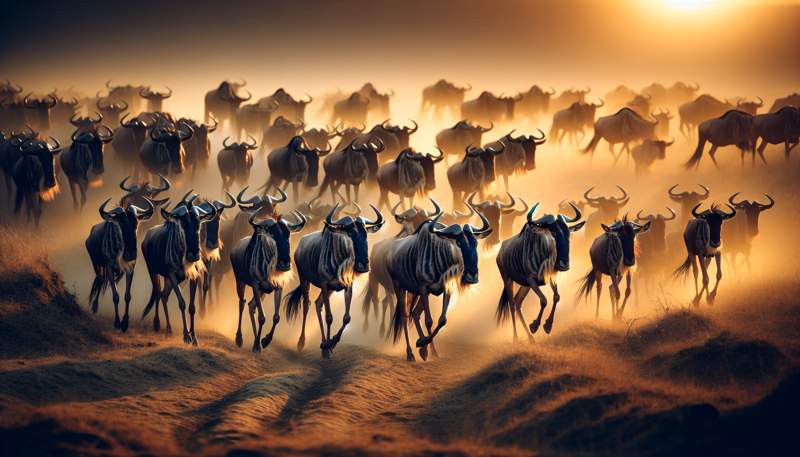
This month offers excellent opportunities to see the herds on the move, creating dramatic dust clouds and river of animals across the landscape. For detailed information about planning your visit to this region, check our comprehensive guide on Serengeti National Park.
April-May 2026: Western Corridor and River Crossings
The herds typically reach the western corridor of the Serengeti during April and May, where they encounter their first major obstacle: the Grumeti River. While not as famous as the Mara River crossings, Grumeti crossings can be equally dramatic.
April Highlights:
- Herds spread throughout western Serengeti
- First river crossing attempts at Grumeti River
- Excellent game viewing with less crowded conditions
- Rutting season begins for wildebeest
May Expectations:
May often sees the herds building up along the Grumeti River, creating tension and anticipation before crossing attempts. The western corridor also offers excellent opportunities to see large crocodiles that have been waiting patiently for the herds' arrival.
June-July 2026: The Northern Migration
By June, the herds are typically moving into the northern Serengeti, approaching the Mara River. July marks the beginning of the famous Mara River crossings, though timing can be unpredictable.
Crossing Strategy Tip:
River crossings are unpredictable and can happen multiple times per day or not at all for several days. Plan for at least 4-5 days in the northern Serengeti or Maasai Mara to increase your chances of witnessing a crossing. Book flexible safari packages through GetYourGuide that allow for extended stays if crossings are imminent.
The northern Serengeti and southern Maasai Mara offer some of the most dramatic wildlife viewing opportunities during this period, with herds often massing near crossing points for days before attempting the dangerous journey across crocodile-infested waters.
August-September 2026: Maasai Mara Spectacle
August and September represent the peak season in Kenya's Maasai Mara, where the herds spread across the reserve's grasslands. This period offers exceptional game viewing opportunities with high concentrations of predators following the herds.
What Makes This Special:
- Peak predator activity with large pride formations
- Multiple river crossing opportunities
- Excellent weather conditions for safari activities
- Hot air balloon safaris offer spectacular aerial views
September often provides the most reliable Mara River crossing viewing, as herds may cross back and forth multiple times. For budget planning information for this peak season, visit our detailed breakdown of Kenya safari costs.
October 2026: The Return Journey Begins
As the short rains begin in Tanzania, the herds start their journey back south. October sees the beginning of the return migration, with animals moving from the Maasai Mara back into the northern Serengeti.
This month offers unique opportunities to witness the herds in transition, often spread across both sides of the Kenya-Tanzania border. Consider booking accommodations through BookAllSafaris for competitive rates on border-region lodges that maximize your viewing opportunities.
November-December 2026: Eastern Return Route
The herds typically take a more eastern route on their return journey, moving through the central and eastern Serengeti. November and December see animals spreading out across the plains as they make their way back to the southern calving grounds.
End-of-Year Viewing:
- Herds spread across eastern Serengeti
- Beginning concentration in southern areas
- Excellent predator viewing as animals prepare for calving season
- Less crowded conditions compared to peak season
Planning Your Great Migration Safari
Successful migration viewing requires careful planning and flexibility. Consider these essential factors when booking your adventure:
Essential Safari Gear
Proper equipment can make or break your migration experience. Invest in quality binoculars, cameras with telephoto lenses, and appropriate clothing for varying weather conditions. Browse essential safari gear on Amazon to ensure you're properly equipped for this once-in-a-lifetime experience.
Accommodation Strategy
Book accommodations that match the herds' location during your planned visit dates. Mobile camps offer the advantage of staying close to the action, while permanent lodges provide more amenities but may require longer game drives to reach the herds.
Transportation and Logistics
Consider fly-in safaris to maximize your time with the herds rather than spending days driving between locations. Many operators offer specialized migration packages that include charter flights between key viewing areas.
The Great Migration represents one of Earth's last great natural spectacles, offering visitors an unparalleled connection to the rhythms of wild Africa. By understanding the month-by-month movements of the herds and planning accordingly, you can position yourself to witness this incredible phenomenon at its peak. Whether you choose to experience the drama of river crossings, the tenderness of calving season, or the raw power of predator-prey interactions, the Great Migration promises memories that will last a lifetime. Start planning your 2026 migration safari today, and prepare to witness one of nature's most extraordinary events unfold before your eyes.