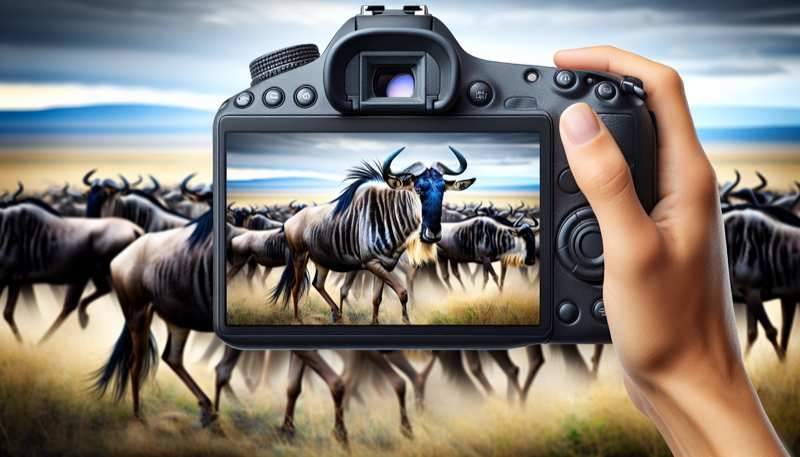
Wildebeest
Connochaetes taurinus
About the Wildebeest
The blue wildebeest is the star of the Great Migration, the largest overland wildlife movement on Earth. Each year, over 1.5 million wildebeest travel a circular route through the Serengeti-Mara ecosystem, braving crocodile-infested river crossings and predator gauntlets. Their synchronised calving season — roughly 500,000 calves born within a three-week window — is one of nature's most extraordinary survival strategies.
Fun Facts
- Over 250,000 wildebeest die during the annual migration from drowning, predation, and exhaustion.
- Newborn calves can stand and run within minutes of birth — essential for surviving on the open plains.
- Wildebeest are actually a species of antelope, not cattle, despite their bovine appearance.
Where to See Wildebeest in the Wild
Masai Mara National Reserve
KenyaThe iconic Mara River crossings during the Great Migration draw photographers from around the world.
Browse Tours →Serengeti National Park
TanzaniaThe southern Serengeti hosts the calving season; the western corridor sees Grumeti River crossings.
Ngorongoro Crater
TanzaniaA resident population of wildebeest lives year-round in the crater alongside other plains game.
Explore Wildebeest by Country
Country guides connect the species with other wildlife, featured places, planning context, and responsible-viewing advice.
Habitats Used by Wildebeest
Species may rely on several ecosystems across their range. Explore how conditions and conservation pressures differ.
Where to See Wildebeest at Zoos
San Diego Zoo Safari Park
San Diego, USA
Disney's Animal Kingdom
Orlando, USA
Browse Wildebeest Tours & Experiences
Current Viator listings matched to this species. Confirm where the activity operates, its wildlife policy, recent reviews, availability, and cancellation terms before booking.

7 Days Great Migration Serengeti Safari
168 hours
8 Day Spectacular Migration Serengeti mid -Range Tanzania Safari
192 hours
Private 6-Day Great Migration Ndutu Serengeti Safari Tour
144 hours
Serengeti Safari Adventure to Witness the Great Migration
120 hours
Tanzania Safari - The Great Migration in the North of the Serengeti and Lake Natron
192 hours
4-Day Masai Mara Great Migration & Lake Nakuru ~ Group 4×4 Safari
96 hoursSafari Packages to See Wildebeest
Safari.com itinerary examples that may include wildebeest habitat. Request a current quote and confirm the operator, exact route, wildlife policy, recent reviews, and cancellation terms before booking.
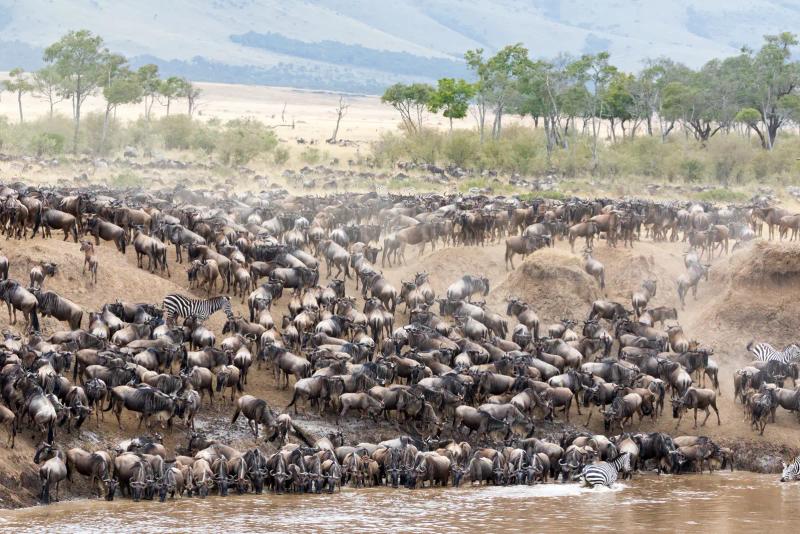
4 Day Fly-in Masai Mara Safari
The Masai Mara is well known for its year-round concentration of animals, big cat sightings and the Great Mammal Migration which occurs annu...
- 3 nights at &Beyond Kichwa Tembo Tented Camp in the Masai Mara
- Dawn and dusk game drives tracking lion, cheetah, elephant and buffalo
- Hot-air balloon safari at sunrise with champagne breakfast on the plains
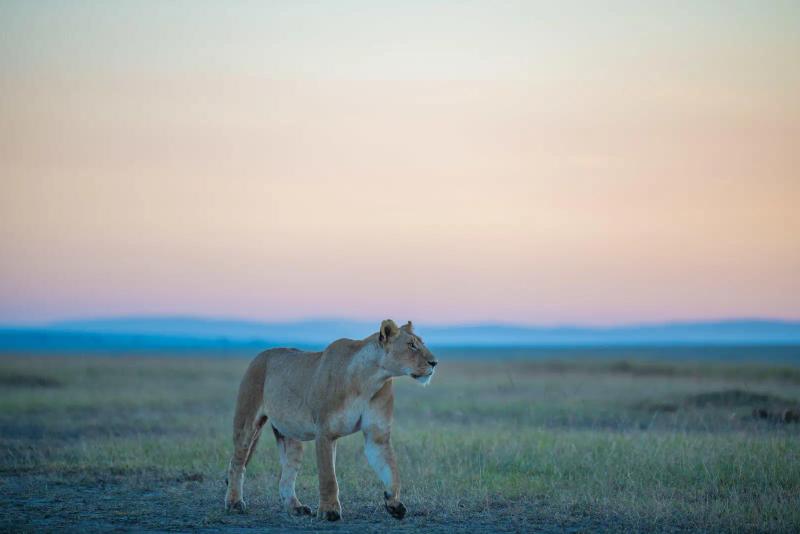
3-Day Masai Mara Fly-in Safari with Governors Camp
- 2 nights at Governors' Camp on the banks of the Mara River
- 45-minute scenic flight from Wilson Airport over the Great Rift Valley
- Morning, afternoon and sunrise game drives across the Masai Mara Reserve
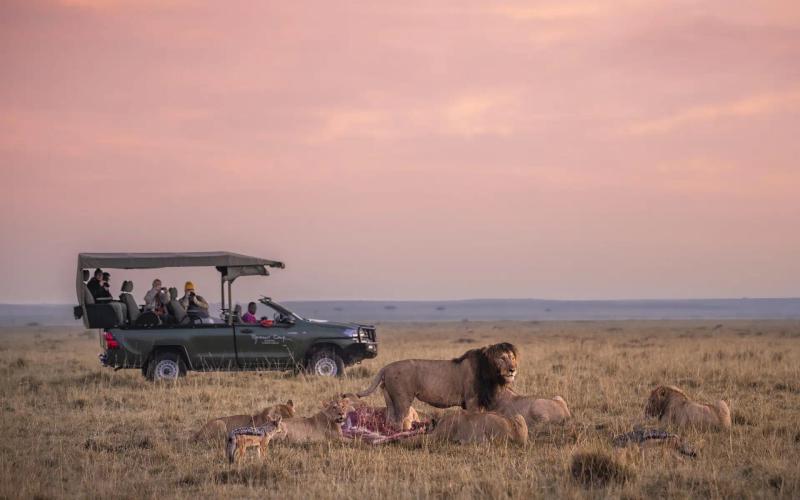
7-Day All-Inclusive Masai Mara to Zanzibar Safari
This 7-day bush and beach safari delivers an unforgettable journey, blending the wild, open plains of the Masai Mara with the serene, turquo...
- 3 nights at Governors' Camp on the Masai Mara, then 3 at Nungwi Dreams in Zanzibar
- Twice-daily game drives and guided bush walks in the Masai Mara
- Big cat and plains game viewing from open Landcruisers
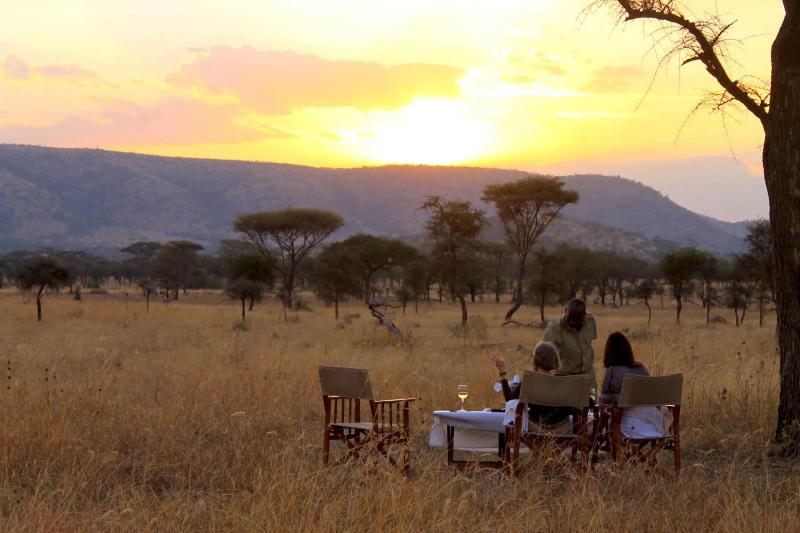
10 Day Luxury Fly-in Kenya & Tanzania Tour
Embark on the ultimate East Africa safari with this 10-day journey through Kenya and Tanzania’s top game reserves. Stay in luxury safari lod...
- 1 night at Gran Meliá Arusha, then 2 nights at Meliá Ngorongoro Lodge
- Guided game drive on the floor of the Ngorongoro Crater
- 3 nights at Nimali Serengeti in the heart of the migration corridor
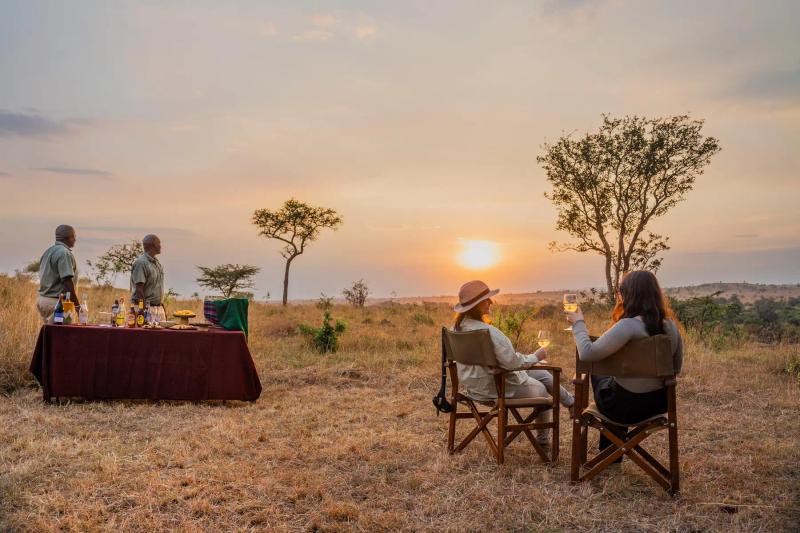
10-Day Best of East Africa Migration Safari
Your adventure starts in Nairobi, showcasing modern Kenyan style, before heading to the Masai Mara to see the Big Five, Mara Cats, and the G...
- 2 nights at Karen Blixen Cottages with visits to David Sheldrick Trust and Giraffe Centre
- 2 nights at Kichwa Tembo in the Masai Mara for Big Five game drives
- 2 nights at Simbavati Grumeti Camp in the Serengeti with private guide
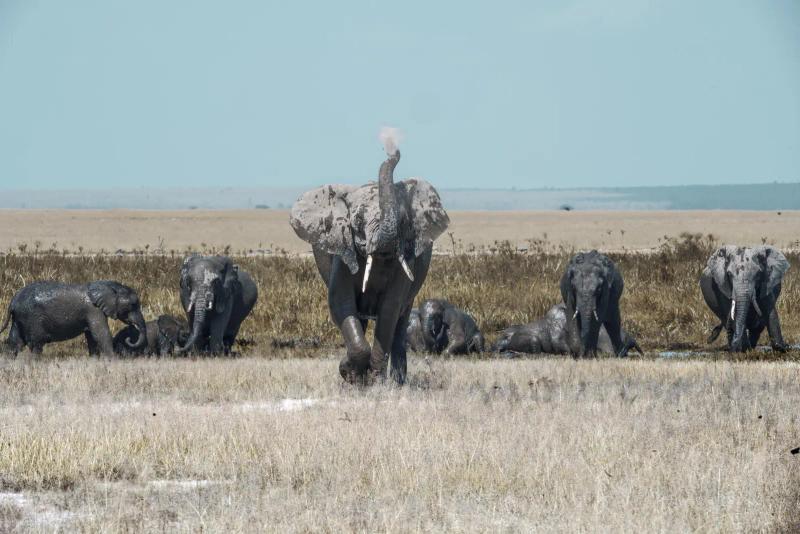
8 Day Amboseli, Mount Kenya & Masai Mara Flying Safari
This 8-day tour explores the capital city of Nairobi, the Amboseli National Park which offers spectacular views of Tanzania's Mt Kilimanjaro...
- 1 night at Nairobi Tented Camp inside Nairobi National Park
- 2 nights at Porini Amboseli Camp with Kilimanjaro views and night game drives
- 2 nights at Porini Rhino Camp in Ol Pejeta, visiting the Chimpanzee Sanctuary and Baraka the Black Rhino
Photography Tips for Wildebeest
River crossings are the money shot — use a fast shutter speed (1/2000+) and continuous burst mode. Position yourself at crossing points early for the best angles.
Safety Guide
During river crossings, stay well back from the bank — crocodiles are present and stampeding wildebeest are unpredictable. Keep inside your vehicle at all times on safari.