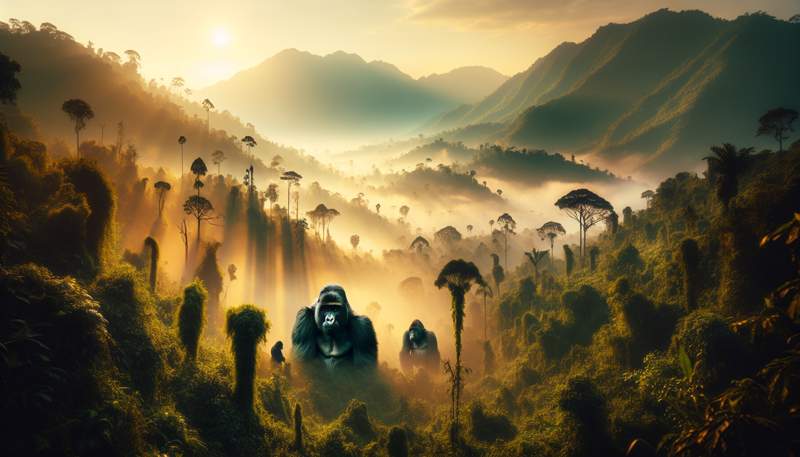
One of the most common concerns about gorilla trekking is fitness. The jungle terrain of Uganda, Rwanda, and the Democratic Republic of Congo is no walk in the park, but it is also not the extreme mountaineering challenge that some overblown travel blogs suggest. Understanding exactly what is involved will help you prepare properly and set realistic expectations.
What the Trek Actually Involves
Gorilla trekking in Bwindi Impenetrable Forest or Volcanoes National Park involves walking through dense tropical rainforest on unofficial trails that rangers cut as they go. The terrain is steep, muddy, and often slippery. You will climb over roots, duck under branches, push through vegetation, and occasionally scramble up or down slopes using your hands for support.
The trek duration varies enormously, from as short as 30 minutes to as long as 6-8 hours, depending on where the gorillas are that day. The average trek takes 2-4 hours each way, with one hour spent with the gorillas once you find them.
Altitude
Gorilla trekking takes place at altitudes between 2,000 and 3,500 metres above sea level. At these elevations, you will notice the thinner air, particularly on steep uphill sections. If you live at sea level, the altitude can make moderate exertion feel significantly harder than it would at home.
Honest Fitness Assessment
You Are Fit Enough If You Can:
- Walk uphill for 2-3 hours at a steady, slow pace
- Navigate uneven terrain like forest trails, rocky paths, or muddy hillsides
- Climb 2-3 flights of stairs without needing to stop and catch your breath
- Carry a small daypack (3-5 kg) for several hours
- Get up from the ground without assistance if you slip
You May Struggle If:
- You have significant knee or hip problems that affect downhill walking
- You cannot walk for more than 30 minutes without resting
- You have severe breathing difficulties at sea level
- You have mobility issues that prevent walking on uneven ground
That said, people of all ages and many fitness levels complete gorilla treks successfully. Trekkers in their 70s and 80s do it regularly. The key is preparation, pacing, and using the support systems available.
How to Prepare Physically
8-12 Weeks Before Your Trek
Start a focused preparation programme at least two months before your departure:
- Walking and hiking: Walk for 60-90 minutes at least 3-4 times per week. Include hills whenever possible. If you have access to hiking trails, use them. If not, stair climbing is an excellent substitute.
- Stair training: Climb 10-20 flights of stairs, 2-3 times per week. This builds the specific leg strength and cardiovascular fitness needed for jungle trekking.
- Leg strengthening: Squats, lunges, and step-ups strengthen the muscles that will work hardest on the trail. Focus on controlled, slow repetitions rather than heavy weights.
- Core work: A strong core helps with balance on uneven terrain. Planks, dead bugs, and bird-dogs are effective and low-impact.
- Balance exercises: Stand on one leg while brushing your teeth. Practice walking along narrow lines. These simple exercises improve the stability you need on slippery trails.
4 Weeks Before
Increase your walk duration to 2-3 hours at least once per week, ideally on hilly terrain with a loaded daypack. Practice walking on uneven ground, wet surfaces, and muddy trails if possible.
Support Options on the Trail
Porters
Hiring a porter is the single best thing you can do to make your trek easier. Porters carry your daypack, offer a hand on steep sections, and generally ensure you can focus on the trail instead of your luggage. The cost is $10-15 plus a tip, and the money goes directly to local communities.
Do not let pride prevent you from hiring a porter. Even fit, experienced hikers use them. It is not a sign of weakness. It is smart trekking and meaningful community support.
Walking Poles
Trekking poles are available for loan at the park headquarters. They make a significant difference on muddy descents and steep climbs. If you have your own adjustable poles, bring them.
The Guide and Ranger Team
Your trekking group is accompanied by rangers and trackers who set the pace. They will stop for rest breaks, help you over difficult sections, and adjust the pace to suit the slowest member of the group. There is no rush. The gorillas are not going anywhere.
Specific Considerations
Knee Problems
Knee issues are the most common concern. The downhill sections are harder on knees than the uphill climbs. If you have knee problems, use trekking poles, consider knee braces, and hire a porter. Ask to be assigned a gorilla group at lower altitude with less descent.
Heart and Lung Conditions
Consult your doctor before booking. The combination of altitude and exertion places real demands on the cardiovascular system. Most people with well-managed conditions can trek safely, but medical clearance is important.
Age
There is no upper age limit for gorilla trekking. Trekkers in their 70s and 80s complete the experience regularly. The minimum age is 15 years.
What About the Gorilla Habituation Experience?
Uganda offers a "Gorilla Habituation Experience" in Bwindi's Rushaga sector. This involves spending four hours (instead of one) with a gorilla family that is still being habituated to human presence. The trek is often longer and more demanding, and a higher level of fitness is recommended. This is not ideal for first-time trekkers with fitness concerns.
For complete gorilla trekking planning, including permits, costs, and what to wear, see our Bwindi Impenetrable Forest guide. To book a package that includes permits and appropriate accommodation near the trailheads, check BookAllSafaris or GetYourGuide for guided gorilla trekking experiences.