

Seasonal
Best Time for Gorilla Trekking in Uganda: Month-by-Month
Month-by-month guide to gorilla trekking conditions in Bwindi Impenetrable Forest, Uganda.
Read guide →Best time: Year-round planning; compare rainfall, trail conditions, permit availability, and assigned sector
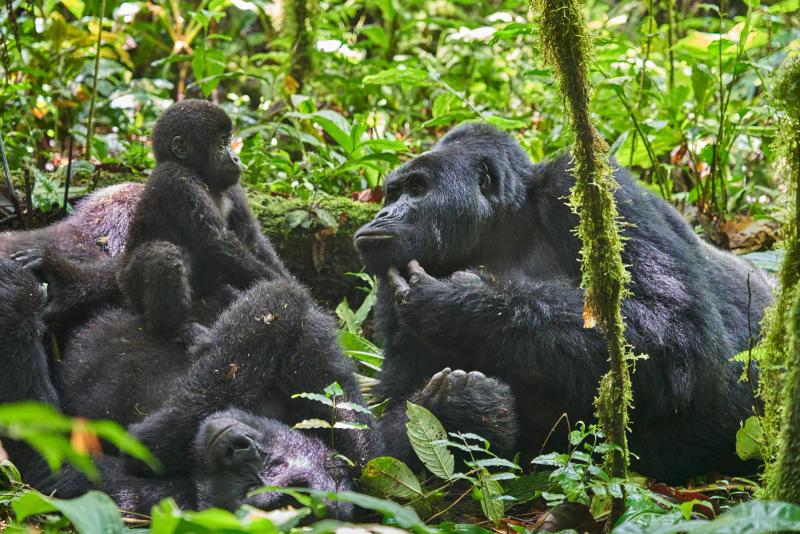
Bwindi Impenetrable National Park is a UNESCO World Heritage forest in south-western Uganda and one of two landscapes where mountain gorillas live. Uganda Wildlife Authority manages permit-based tracking from multiple sectors. The newest Bwindi gorilla census analysis was still pending at the 15 July 2026 review, so use current UWA results instead of repeating an older population share.
Confirm your UWA tracking sector before booking transport. Kihihi and Kisoro serve different approaches; verify current flight or road schedules, baggage limits, 4WD transfer, and lodge-to-briefing time for your exact date.
Nearest airport: Kihihi or Kisoro, depending on assigned sector and current service
Dry season: Drier periods can make trails more manageable, but mountain-forest rain remains possible. Compare current local conditions rather than treating a month as a guarantee.
Wet season: Rain can make steep forest trails muddier and transfers slower. Confirm current sector, road, and trail conditions.
Temperature: Conditions vary with elevation; pack for cool, wet forest and check a current forecast.
At the 15 July 2026 review, the CDC Uganda page carried time-sensitive outbreak notices. Recheck CDC and your government's Uganda advice immediately before travel, arrange a pre-travel clinical review, and follow every current UWA primate-health and safety instruction.
Tipping: Ask the authority or operator for current local guidance. Treat tips as discretionary and keep them separate from mandatory permit, porter, guide, tax, and service charges.
Local transport: Obtain a dated route quote that names the airport, park sector, vehicle or flight, baggage limits, fuel, driver, border time, and every transfer.
Country guides connect this destination with other habitats, species, planning considerations, and responsible-viewing advice.
Habitat guides explain the viewing conditions and conservation pressures shared with similar ecosystems elsewhere.
These editorial guides explain the activity format, physical conditions, animal-welfare questions, and operator checks to make before booking.
Gorilla trekking is a guided forest visit to a habituated gorilla group under a permit system. The walk may be short or may involve hours on steep,…
Read the responsible guide →
Rainforest wildlife trips reward attention to sound, movement, tracks, fruit, and forest layers more than long-distance vistas. A guide may locate…
Read the responsible guide →
A wildlife photography tour should improve access, fieldcraft, and learning without turning animal welfare into a competition for the closest frame.…
Read the responsible guide →Go deeper on itineraries, seasonal decisions, trip costs, photography, and responsible ways to experience wildlife in this region.
Month-by-month guide to gorilla trekking conditions in Bwindi Impenetrable Forest, Uganda.
Read guide →Understand the Uganda gorilla permit process, booking routes, date and sector choices, availability, operator questions, and which details to verify officially.
Read guide →
Compare Uganda and Rwanda gorilla trekking, official permit routes, terrain, health checks, responsible viewing, costs, packing, and conservation support.
Read guide →Current Viator listings matched to this destination. Confirm the itinerary, operator, recent reviews, availability, and cancellation terms before booking.


Share your preferences for possible referral to an independent Africa safari-planning partner. There is no fee to submit this request; any trip proposal is separate and optional.
Safari.com itinerary examples matched to Bwindi Impenetrable Forest. Request a current quote and confirm the operator, exact route, inclusions, recent reviews, and cancellation terms before booking.
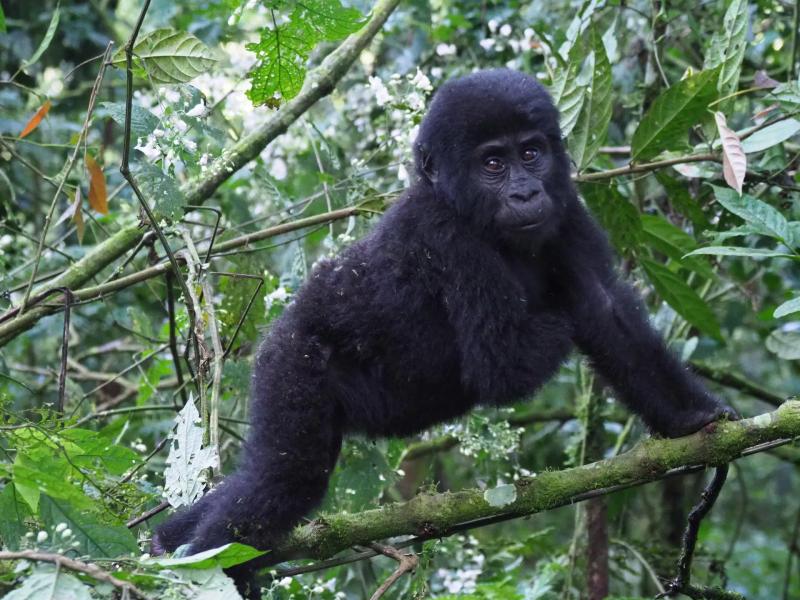
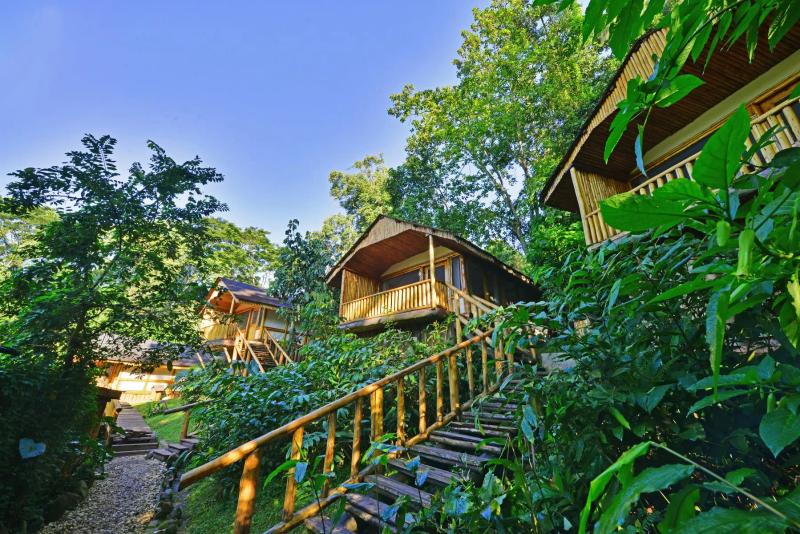
Buhoma is a small village located at the northern entrance of Bwindi Impenetrable National Park in Uganda, known primarily as a gateway for ...
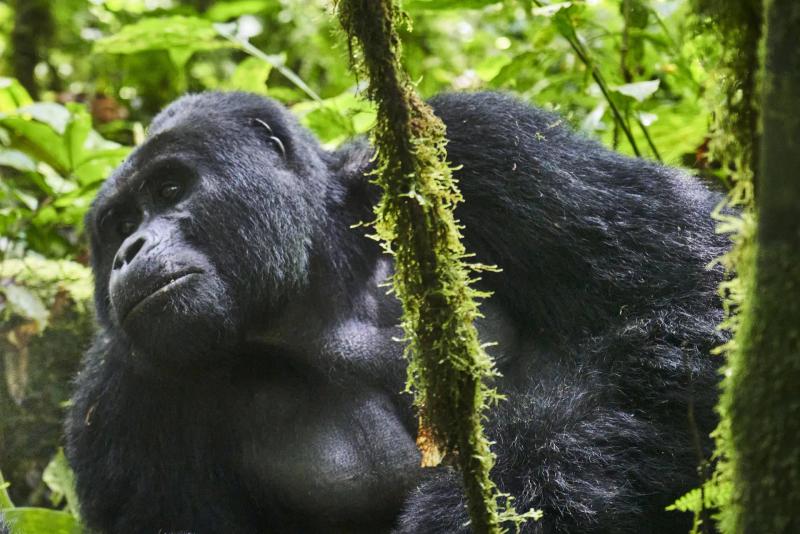
This short trip is tailored for those who are short of time or those looking for a great post-trip extension after a wildlife safari in Keny...
This short trip is tailored for those who are short of time or those looking for a great post-trip extension after a wildlife safari in Keny...
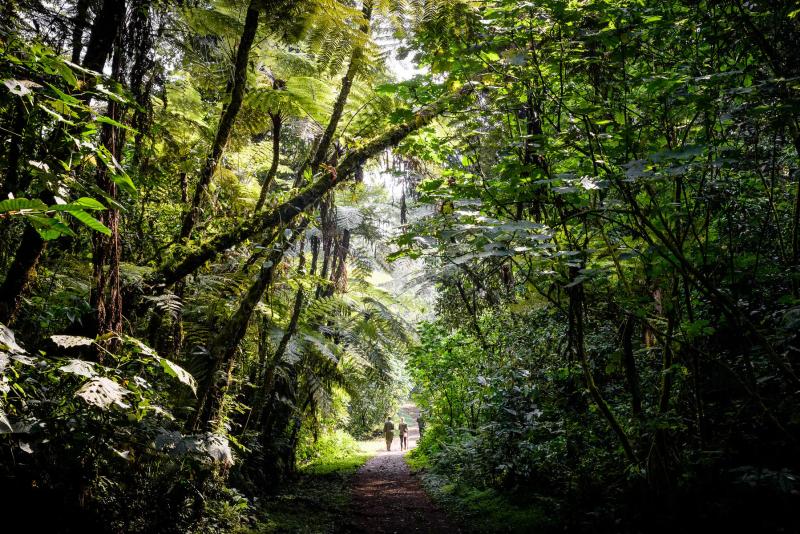
This 9-day adventure combines the best of Kenya’s legendary wildlife and landscapes with Rwanda’s lush forests and gorilla trekking experien...
Build your complete trip with our free trip builder. We'll help you find flights, hotels, and tours.
Build Your Trip →
The planning window currently listed for Bwindi Impenetrable Forest is Year-round planning; compare rainfall, trail conditions, permit availability, and assigned sector. Use it as a starting point, not a sighting promise: weather, animal movement, access, and local rules can change. Check current conditions with the relevant park or protected-area authority before booking.
Build a current total for transport, entry fees or permits, guiding, accommodation, meals, insurance, equipment, and taxes. Prices and currencies change too often for a generic daily figure to be dependable. Compare dated quotes with the same inclusions and confirm official fees and cancellation terms before paying.
Our current route note is: Confirm your UWA tracking sector before booking transport. Kihihi and Kisoro serve different approaches; verify current flight or road schedules, baggage limits, 4WD transfer, and lodge-to-briefing time for your exact date. Verify operating schedules, border or entry requirements, road and seasonal access, baggage limits, and transfers with the relevant authorities and providers for your travel dates.
This guide connects Bwindi Impenetrable Forest, Uganda, with Mountain Gorilla, Chimpanzee. The list is a planning aid rather than a complete inventory or guarantee. Ask a current local authority or responsible operator which species and public areas are realistic for your dates.
Use legal public access and follow the current instructions of park staff, guides, and local communities. Keep a safe distance, never feed, call, chase, or block wildlife, and do not ask for sensitive nesting, den, or release locations. Choose operators that explain group size, viewing rules, community benefit, and what happens when animals move away.