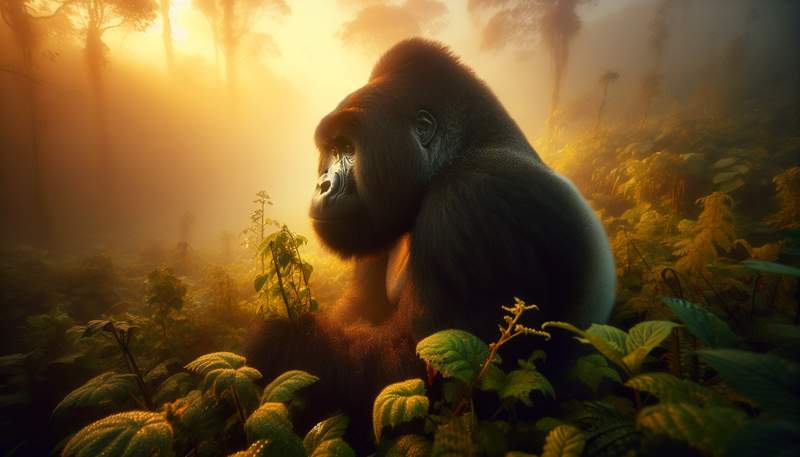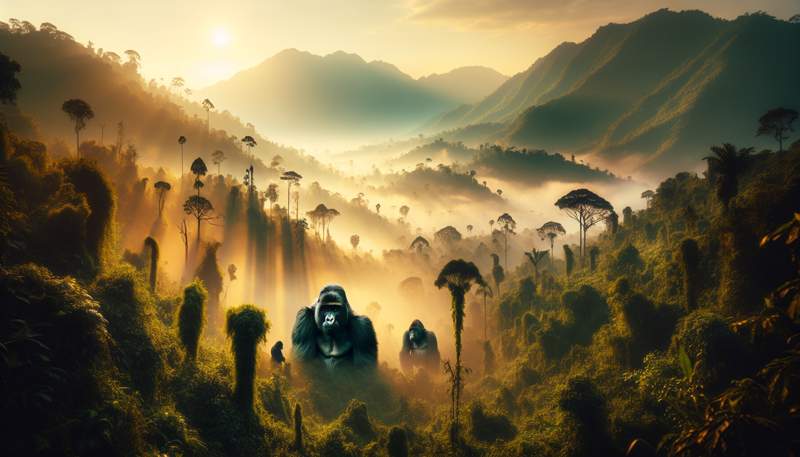
Planning what to wear on a gorilla trek is one of the most common questions first-time trekkers ask, and for good reason. The dense rainforests of Uganda, Rwanda, and the Democratic Republic of Congo present a unique set of challenges that require thoughtful clothing choices. Get it wrong, and you could spend your once-in-a-lifetime encounter with mountain gorillas feeling miserable instead of mesmerized.
This complete clothing guide covers everything you need to wear from head to toe, based on real trekking conditions in Bwindi Impenetrable Forest and Volcanoes National Park. Whether you are trekking in dry season or rainy season, these recommendations will keep you comfortable, protected, and ready to enjoy every moment with the gorillas.
The Essential Layering System
Gorilla trekking environments are unpredictable. You might start your hike in cool morning mist, push through hot and humid jungle, then sit in drizzle while observing gorillas. A layering system is the only approach that works reliably.
Base Layer
Start with a moisture-wicking long-sleeve shirt. Cotton is a poor choice because it absorbs sweat and stays wet, leading to chafing and chills. Synthetic materials or merino wool are far better options. Choose a snug fit that sits comfortably under your other layers without bunching.
Mid Layer
A lightweight fleece or softshell jacket works perfectly as your insulating layer. The altitude at gorilla trekking sites ranges from 2,000 to 3,500 metres, so mornings can be genuinely cold. Your mid layer should be easy to remove and stuff into your daypack when the trail gets steep and you start warming up.
Outer Layer
A waterproof, breathable rain jacket is the single most important item you will pack. Rain can arrive without warning in the tropical rainforest, and there is nowhere to shelter on the trail. Look for a jacket with a hood, sealed seams, and pit zips for ventilation. This is not the place to cut corners with a cheap poncho.
You can find quality waterproof hiking jackets and safari gear that are lightweight enough for tropical trekking yet fully waterproof for sudden downpours.
Lower Body: Trousers and Gaiters
Wear long trousers, not shorts. This is non-negotiable. The trail passes through dense vegetation with stinging nettles, thorny bushes, and biting ants. Lightweight hiking trousers with a water-resistant finish are ideal. Many trekkers recommend tucking your trousers into your socks or wearing gaiters to prevent ants and debris from getting inside.
Canvas or nylon gaiters are highly recommended. They protect your lower legs from mud, nettles, and the occasional army ant column. If you do not own gaiters, you can often rent them at the park headquarters before your trek.
Footwear: The Foundation of Your Trek
Sturdy, waterproof hiking boots with ankle support are essential. The terrain is steep, muddy, and often slippery. Trail runners and low-cut hiking shoes simply do not provide enough grip or ankle protection for these conditions. Break in your boots well before your trip to avoid blisters on the trail.
Pair your boots with thick, moisture-wicking hiking socks. Bring a spare pair in a waterproof bag in case your first pair gets soaked, which is quite likely during rainy season treks.
Hand Protection
This is the tip that surprises most first-time trekkers: bring gardening gloves. Thick, rubber-coated gardening gloves are far better than expensive hiking gloves for gorilla trekking. You will grab branches, vines, and vegetation to pull yourself up steep slopes, and many of these plants have thorns or rough bark. Gardening gloves give excellent grip and protection at a fraction of the cost.
Head and Face Protection
A wide-brimmed hat or baseball cap shields your face from rain and helps keep insects at bay. If trekking during rainy season, a waterproof hat is preferable. Some trekkers also bring a lightweight buff or neck gaiter that can double as a face covering in dusty conditions.
Apply insect repellent containing DEET to exposed skin, particularly your neck and wrists. While gorilla trekking areas are generally at altitude and have fewer mosquitoes than lowland areas, biting flies and other insects are still present.
Colours: What to Choose
Wear neutral, earth-toned colours: khaki, olive green, brown, dark grey. Avoid bright colours, particularly white and neon shades, which can startle gorillas. Camouflage patterns are not allowed in some countries (notably Rwanda), so stick with solid neutral tones to be safe everywhere.
What NOT to Wear
- Shorts or skirts - Stinging nettles and thorny vegetation will make this a painful mistake
- Cotton t-shirts - They absorb sweat, stay wet, and cause chafing on long treks
- Flip-flops or sandals - The terrain requires proper ankle support and grip
- Perfume or cologne - Strong scents can disturb gorillas and attract insects
- Jeans - Heavy when wet, restrictive, and very slow to dry
- Bright or white clothing - Can alarm gorillas and makes you more visible to insects
Season-Specific Adjustments
Dry Season (June to September, December to February)
The dry season offers more comfortable trekking conditions, but "dry" is relative in a rainforest. You should still bring full waterproof gear. The main advantage is that trails are less muddy and the temperature is slightly more predictable. You might get away with a lighter rain jacket, but always have it with you.
Rainy Season (March to May, October to November)
During the rainy season, waterproofing becomes even more critical. Consider waterproof trousers in addition to your rain jacket. Gaiters are practically mandatory, and an extra pair of socks is essential. The trails will be muddier and more slippery, so ensure your boot tread is in good condition.
For more details on planning your gorilla trekking experience, including permits and costs, see our comprehensive guide on Bwindi Impenetrable Forest and learn about gorilla trekking costs in Uganda.
A Complete Gorilla Trekking Clothing Checklist
- Moisture-wicking long-sleeve base layer
- Lightweight fleece or softshell jacket
- Waterproof, breathable rain jacket with hood
- Long hiking trousers (water-resistant preferred)
- Waterproof trousers (rainy season)
- Gaiters
- Waterproof hiking boots with ankle support
- Two pairs of moisture-wicking hiking socks
- Gardening gloves with rubber coating
- Wide-brimmed hat or waterproof cap
- Buff or neck gaiter
- Daypack with waterproof liner
The right clothing transforms gorilla trekking from an endurance test into one of the most extraordinary wildlife experiences on Earth. Dress properly, and you will barely notice the trail conditions. Instead, your full attention will be on the incredible moment when you sit just metres from a silverback mountain gorilla in the wild.
Ready to book your gorilla trek? Check BookAllSafaris for packages that include permits, accommodation, and expert guides.