Is Etosha National Park Safe?
Etosha is one of Africa's safest safari destinations, with well-maintained roads, fenced rest camps, and excellent self-drive infrastructure. Namibia is a politically stable country with low crime rates. The main risks are heat exhaustion, long driving distances, and the usual precautions around large wildlife at waterholes.
Safety Assessment
Detailed breakdown of risks for visitors to Etosha National Park
Wildlife Safety
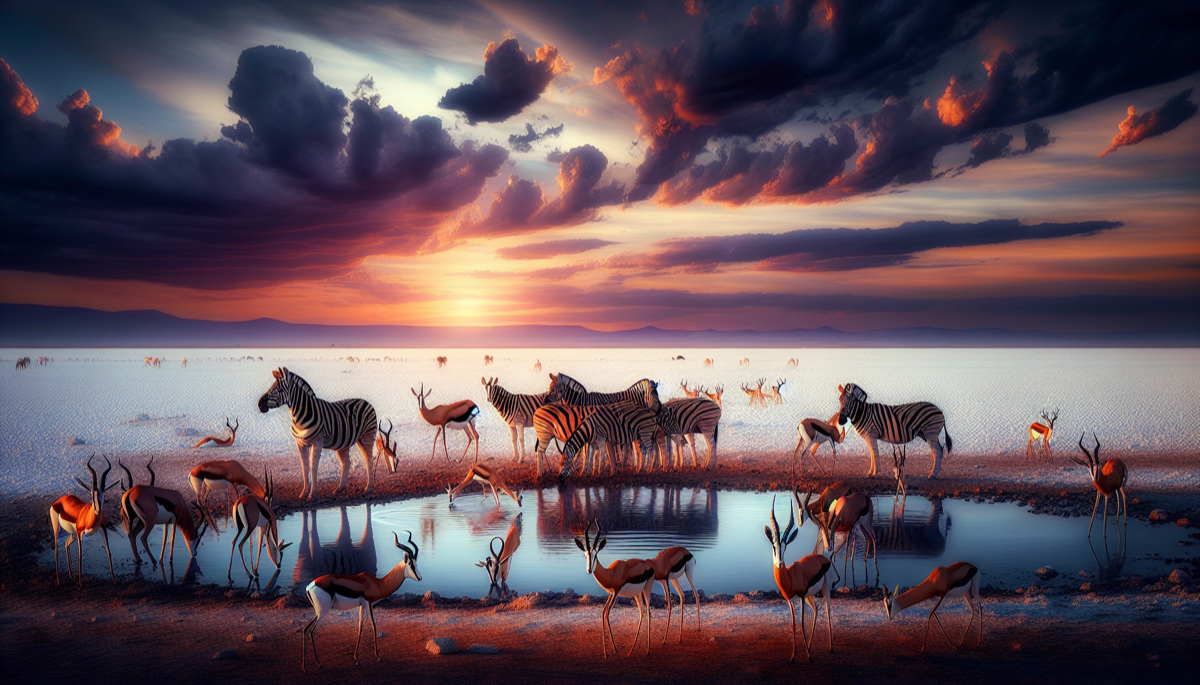
🟢 Low RiskEtosha's waterholes attract large concentrations of elephants, lions, and rhinos. Stay in your vehicle at all times within the park. The floodlit waterholes at rest camps allow safe nighttime viewing from behind stone walls. Never approach animals on foot. Elephants can be aggressive at waterholes, so keep your engine off and maintain distance. Black rhinos are rare and potentially dangerous.
Health Risks
🟢 Low RiskEtosha is in a malaria zone, particularly in the wetter northern areas. Antimalarial prophylaxis is recommended during the rainy season (November to April). The extreme dry heat (up to 40 degrees Celsius) causes dehydration. Carry plenty of water on game drives. The white salt pan reflects intense sunlight, so UV protection is essential. Tap water at rest camps is safe to drink.
Crime & Security
🟢 Low RiskEtosha and the surrounding area are extremely safe. Namibia has very low rates of violent crime against tourists. Windhoek, the capital, is one of Africa's safest cities. Standard precautions are sufficient. Rest camps have gates that close at sunset for safety.
Transport Safety
🟢 Low RiskRoads inside Etosha are a mix of tar and well-graded gravel, suitable for 2WD vehicles in the dry season. A 4WD is recommended in the wet season. Speed limits (60 km/h) are strictly enforced. The drive from Windhoek to Etosha takes approximately 4 to 5 hours. Watch for springbok and other wildlife on roads. Gates open at sunrise and close at sunset.
Weather Hazards
🟢 Low RiskSummer temperatures can exceed 40 degrees Celsius, making morning and late afternoon drives essential. The rainy season (January to March) brings spectacular thunderstorms and can flood sections of the pan. Dust storms occasionally reduce visibility near the pan. Winter nights drop to near freezing.
Water Safety
🟢 Low RiskThere is no natural swimming in Etosha. Rest camp swimming pools are safe. Waterholes attract predators and should only be observed from your vehicle or the designated viewing areas at camps. Tap water at NWR rest camps is treated and potable.
📞 Emergency Numbers
Save these numbers before your trip
| Service | Number |
|---|---|
| Namibia Emergency | 10111 |
| Police | 10111 |
| Ambulance | 211 111 |
| MedRescue Namibia | +264 81 924 6 |
💉 Recommended Vaccinations
Consult your travel doctor at least 6 weeks before departure
🛡️ Travel Insurance
Standard travel insurance with medical coverage is sufficient for Etosha. The nearest private hospitals are in Windhoek (4 to 5 hours) and Tsumeb (1.5 hours). International SOS and MedRescue Namibia provide air evacuation services. Ensure your policy covers self-drive activities.
Get a Quote from World Nomads →Is Etosha National Park Safe? FAQ
Etosha is safe for self-drive visitors. The park has well-maintained roads, clear signage, and fenced rest camps with good facilities.
No special vaccinations are required for Namibia, though hepatitis A and typhoid are recommended by most travel clinics. Always consult your doctor or a travel health clinic at least 6 weeks before departure.
Etosha is in a low-to-moderate malaria risk zone. The risk is higher in the wet summer months. Consult your doctor about prophylaxis.
Etosha is excellent for solo self-drive travellers. Rest camps are sociable places with communal waterholes where you can meet other visitors.