Etosha National Park
Best time: May - October (dry season, wildlife concentrates at waterholes)
About Etosha National Park
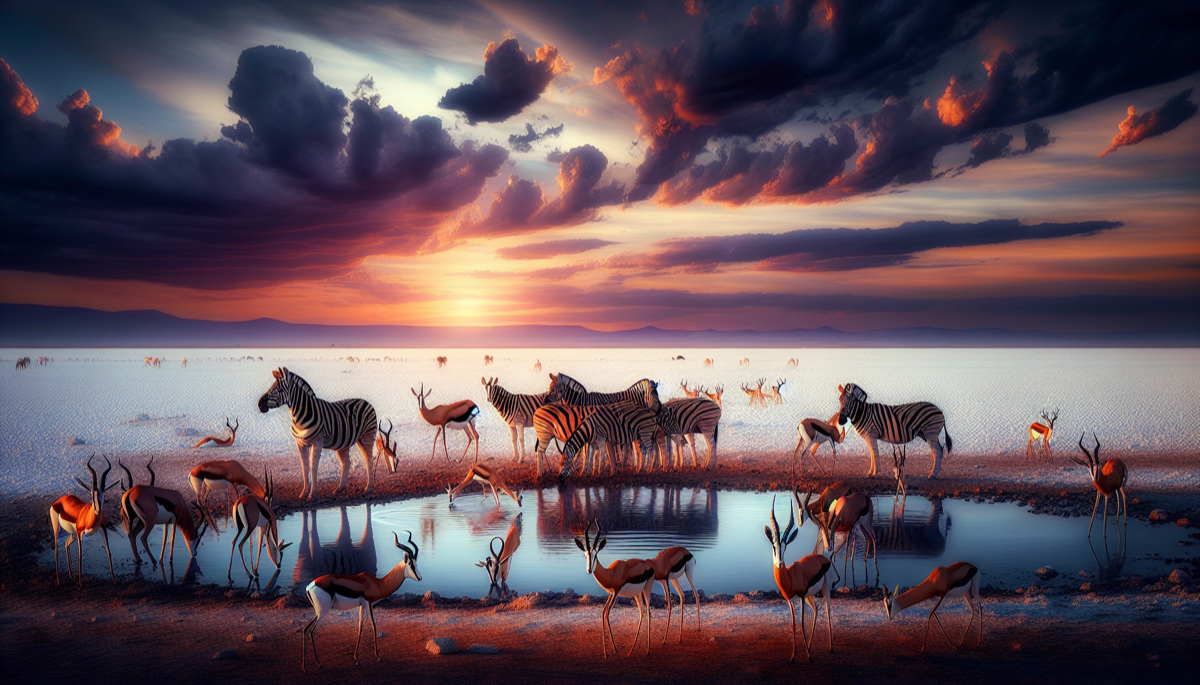
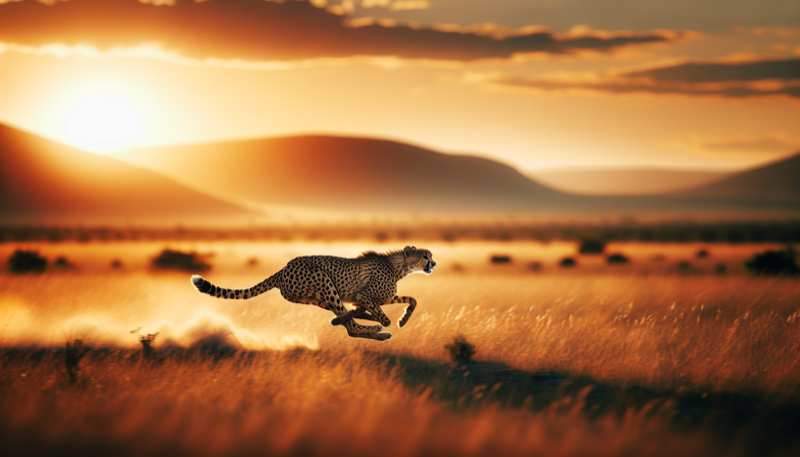
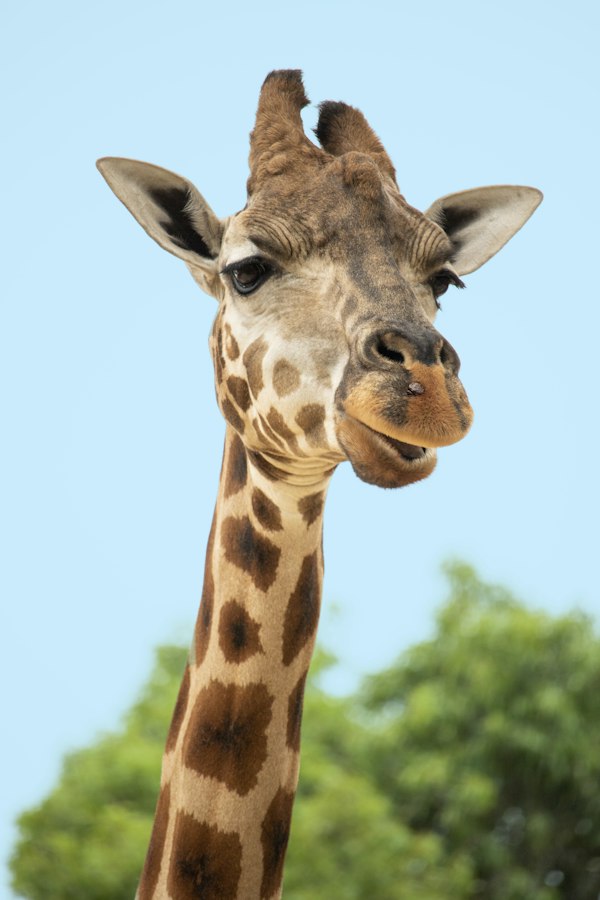
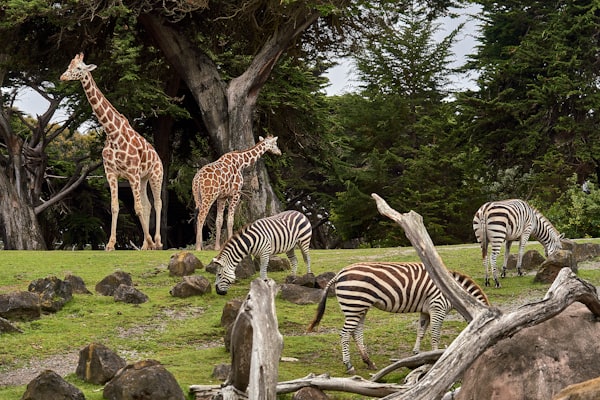
Etosha National Park is Namibia's premier wildlife destination, centred around a vast, shimmering salt pan that stretches 120 km across the park's heart. Covering 22,270 km2, Etosha is one of the largest national parks in Africa. The park's greatest strength is its network of floodlit waterholes, where visitors can sit and watch a parade of animals come to drink, from elephants and rhinos to lions and giraffes. During the dry season, these waterholes become magnets for wildlife, creating extraordinary game viewing opportunities without needing to drive long distances. Etosha is one of the best places in southern Africa to see the endangered black rhinoceros, with a population of around 300 that regularly visit waterholes at dusk and after dark. The park also supports large populations of cheetahs, zebras, springbok, and gemsbok. Self-drive safaris are straightforward, with well-maintained gravel roads connecting rest camps equipped with their own floodlit waterholes. The stark, minimalist landscape of the salt pan creates a unique photographic environment unlike any other African safari destination.
Highlights
- Floodlit waterhole game viewing at night
- Endangered black rhinoceros sightings
- Self-drive safari with excellent rest camp infrastructure
- Stark salt pan landscape for unique photography
Getting There
Fly into Windhoek (WDH) and drive 4-5 hours to Etosha, or fly to Ondangwa in the north for quicker access.
Nearest airport: Hosea Kutako International, Windhoek (WDH) - 4-5 hour drive
Travel Essentials
Vaccinations
- Hepatitis A & B
- Typhoid
- Rabies
- Tetanus
Budget Guide
Weather & Climate
Dry season: May-Oct: Cool, dry. Animals cluster at waterholes. Best game viewing.
Wet season: Nov-Apr: Hot, rainy. Flamingos on the pan. Lush green landscape. Migratory birds.
Temperature: 5°C-40°C (41°F-104°F). Desert climate with hot days and cool nights.
Sample 5-Day Itinerary
- Day 1: Fly to Windhoek. Drive to southern Etosha (Andersson Gate). Afternoon waterhole watching.
- Day 2: Full-day self-drive loop: Okaukuejo to Halali via Nebrownii and Gemsbokvlakte waterholes.
- Day 3: Drive to Namutoni (eastern Etosha). Fischer's Pan. Klein Namutoni waterhole.
- Day 4: Morning drive. Afternoon floodlit waterhole at Okaukuejo (rhinos at night).
- Day 5: Sunrise drive. Exit park. Depart or continue to Damaraland.
Safety & Tips
Stay in vehicle. Speed limit 60 km/h. Gate times strictly enforced. Fill fuel at every opportunity. Carry water.
Tipping: Guide: N$100-200/day. Lodge staff: N$50-100/day. Restaurant: 10%. Tips in NAD.
Local transport: Self-drive on well-maintained gravel roads. 2WD sufficient for main routes. Car rental at Windhoek airport.
Explore Wildlife Beyond Etosha National Park
Country guides connect this destination with other habitats, species, planning considerations, and responsible-viewing advice.
Ecosystems at This Destination
Habitat guides explain the viewing conditions and conservation pressures shared with similar ecosystems elsewhere.
Responsible Wildlife Experiences in Etosha National Park
These editorial guides explain the activity format, physical conditions, animal-welfare questions, and operator checks to make before booking.
Safari Game Drives
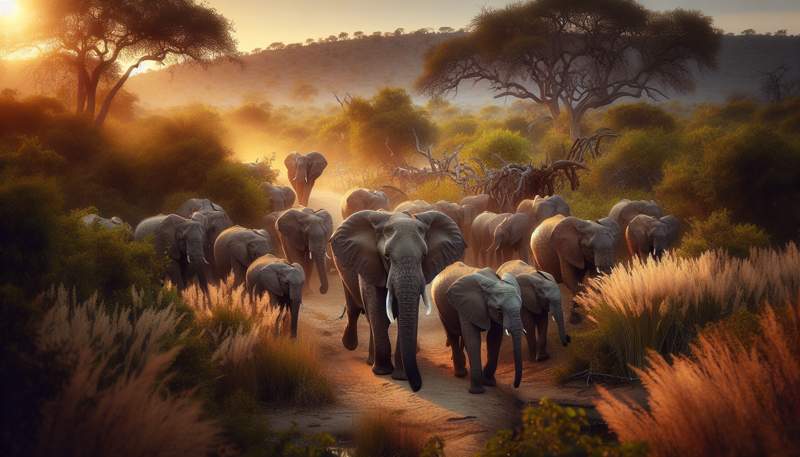
A game drive uses a vehicle to explore protected landscapes with a guide or, where rules allow, as a self-drive visitor. It is the most accessible…
Read the responsible guide →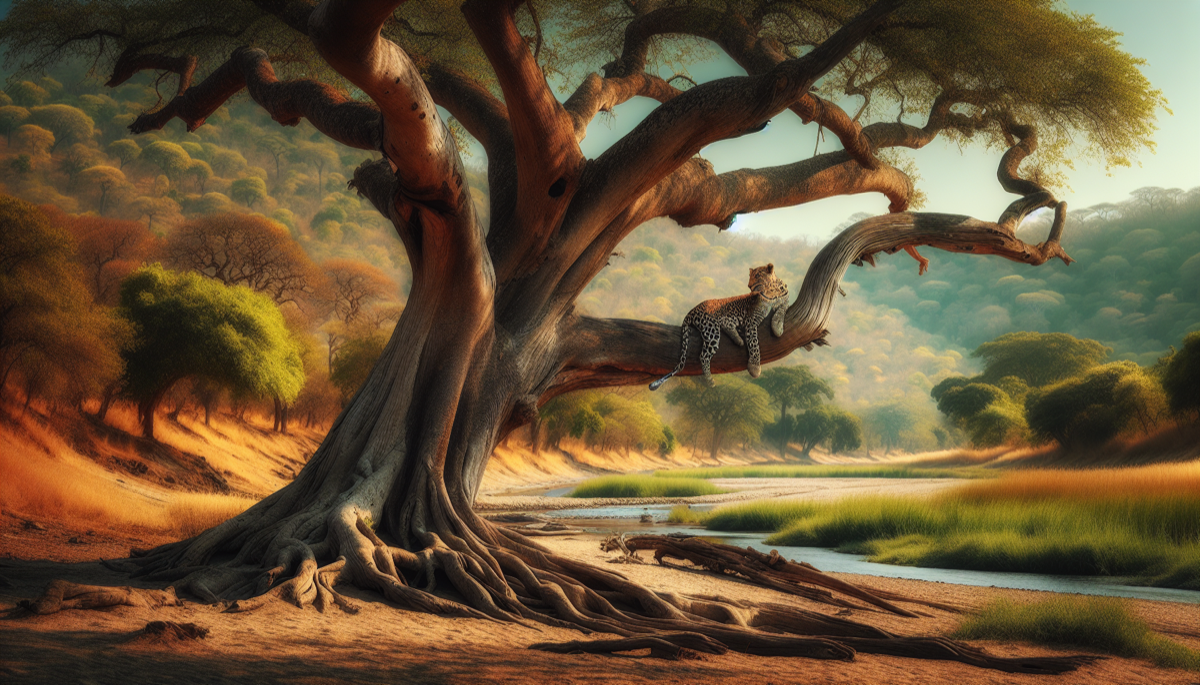
Walking Safaris
A walking safari shifts attention from covering distance to reading an ecosystem at ground level. Tracks, dung, plants, insects, alarm calls, wind,…
Read the responsible guide →Book Etosha National Park Tours & Experiences
Current Viator listings matched to this destination. Confirm the itinerary, operator, recent reviews, availability, and cancellation terms before booking.

Safari in Etosha national park with professional tour guides born in Etosha.
10 hours
ETOSHA PARK SAFARI with local guides in 9-seater 4x4s
10 hours
06 Days Etosha, Swakopmund and Sossusvlei | Guided Lodge
144 hours
7 Day Namibia Desert, Swakopmund and Etosha National Park Camping
168 hours
10 DAYS BEAUTY OF NAMIBIA | Guided Lodge
240 hours
Private Transfer from Windhoek to Lodge near Etosha National Park
4 hoursRequest Etosha National Park Safari Planning Options
Share your preferences for possible referral to an independent Africa safari-planning partner. There is no fee to submit this request; any trip proposal is separate and optional.
Etosha National Park Safari Packages
Safari.com itinerary examples matched to Etosha National Park. Request a current quote and confirm the operator, exact route, inclusions, recent reviews, and cancellation terms before booking.
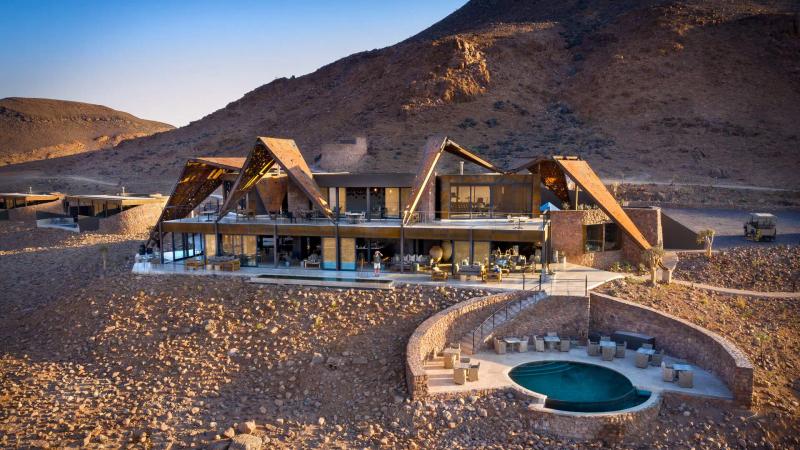
9 Day Ultra-Lux Fly-in Namibia
On this Ultra-lux adventure, you will discover Namibia in an extravagant and unique way. Visiting the iconic canyon landscapes along the Fis...
- 2 nights each at Fish River Lodge, &Beyond Sossusvlei Desert Lodge, Shipwreck Lodge and Ongava Lodge
- Aerial views of Fish River Canyon on the safari flight in
- Stargazing through suite skylights between the red dunes of Sossusvlei
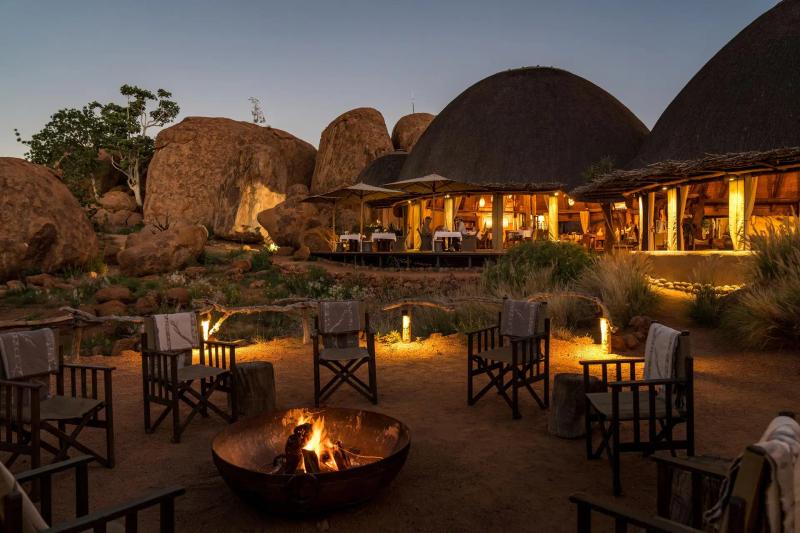
10 day Namibia North (Bush & Beach)
This itinerary combines the best of Namibia's wildlife, landscapes, and coastal beauty. Enjoy your Namibia adventure!
- 1 night at Okonjima Plains Camp with optional cheetah and leopard tracking
- 2 nights at Onguma The Fort in Etosha East with sundowner drive
- 2 nights at Ongava Lodge in Etosha West with twice-daily game drives
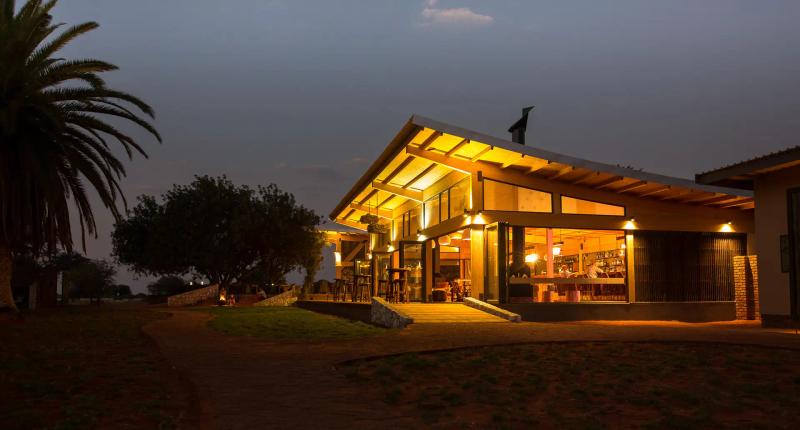
10-Day Namibian Highlights Tour
Enjoy Namibia’s most popular destinations on this compact guided tour that incorporates visits to the Kalahari and Namib deserts – including...
- Overnights at Kalahari Anib, Namib Desert Lodge, The Delight, Damara Mopane and Etosha Safari Camp
- Climb Big Daddy and walk the camelthorns of Dead Vlei at Sossusvlei
- Free day in Swakopmund for kayaking, sandboarding or Walvis Bay excursions
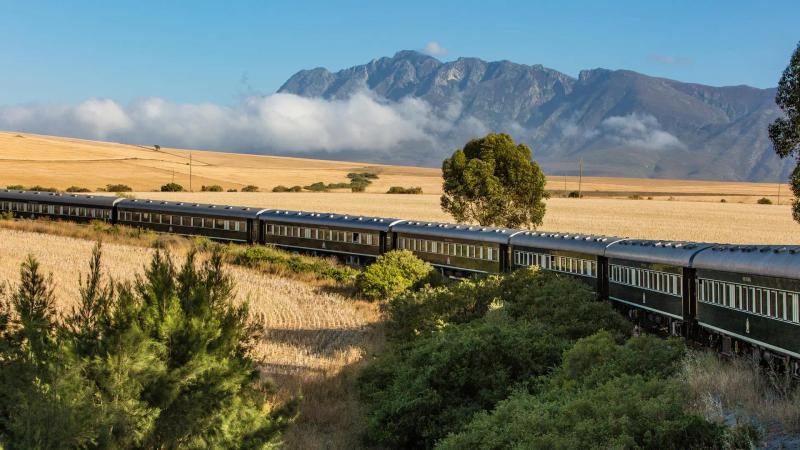
12-Day Rovos Rail Namibia to South Africa Safari
This journey commences in Walvis Bay, Namibia, traversing the Namib Desert to Otjiwarongo, where guests can observe desert-adapted wildlife ...
- 9 nights aboard Rovos Rail from Walvis Bay to Pretoria
- 1 night at Etosha Lodge with afternoon and morning game drives
- Visit to the Cheetah Conservation Fund in Otjiwarongo
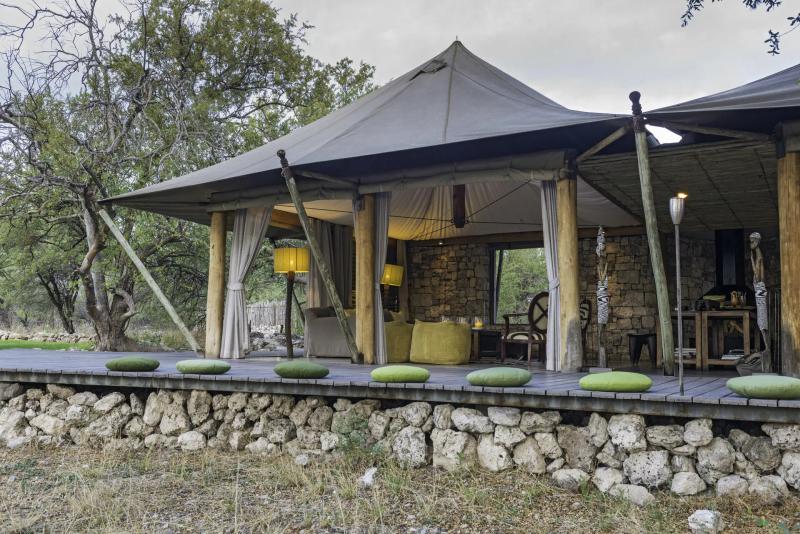
4-Day Onguma Tented Camp Fly-in
This 3-night fly-in package at Onguma Tented Camp offers an intimate and luxurious wildlife experience. Onguma Tented Camp, located on the p...
- 3 nights at Onguma Tented Camp on the private Onguma Game Reserve
- Twice-daily game drives across Etosha and Onguma Nature Reserve
- Sundowner drives followed by four-course dinners under the stars
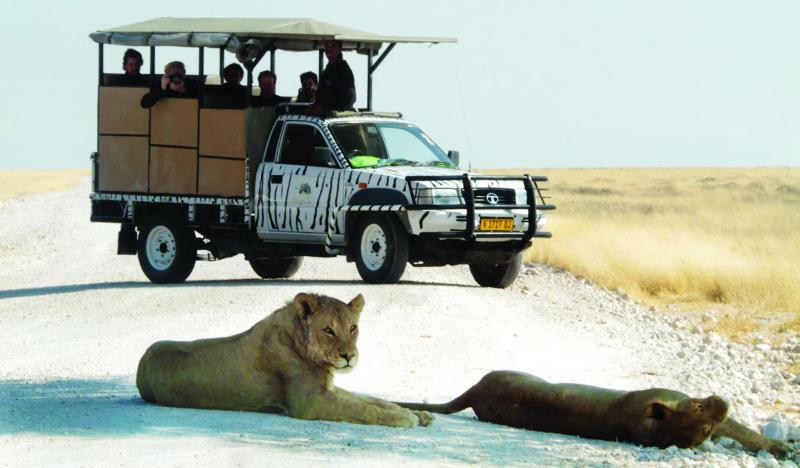
7-Day Northern Namibian Adventure Tour
Okapuka, meaning “small animal” in Herero lives up to its name already at first glance. The iconic game drive, however, will take your breat...
- 2 nights at The Delight in coastal Swakopmund
- 2 nights at Damara Mopane Lodge with visits to Twyfelfontein rock engravings and the Petrified Forest
- Himba village visit en route to Etosha National Park
Ready to Visit Etosha National Park?
Build your complete trip with our free trip builder. We'll help you find flights, hotels, and tours.
Build Your Trip →Etosha National Park FAQ
The planning window currently listed for Etosha National Park is May - October (dry season, wildlife concentrates at waterholes). Use it as a starting point, not a sighting promise: weather, animal movement, access, and local rules can change. Check current conditions with the relevant park or protected-area authority before booking.
Build a current total for transport, entry fees or permits, guiding, accommodation, meals, insurance, equipment, and taxes. Prices and currencies change too often for a generic daily figure to be dependable. Compare dated quotes with the same inclusions and confirm official fees and cancellation terms before paying.
Our current route note is: Fly into Windhoek (WDH) and drive 4-5 hours to Etosha, or fly to Ondangwa in the north for quicker access. Verify operating schedules, border or entry requirements, road and seasonal access, baggage limits, and transfers with the relevant authorities and providers for your travel dates.
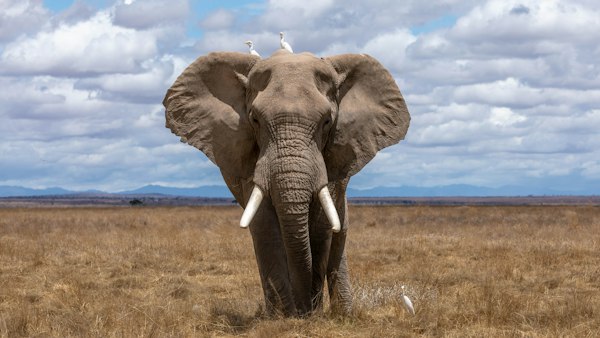
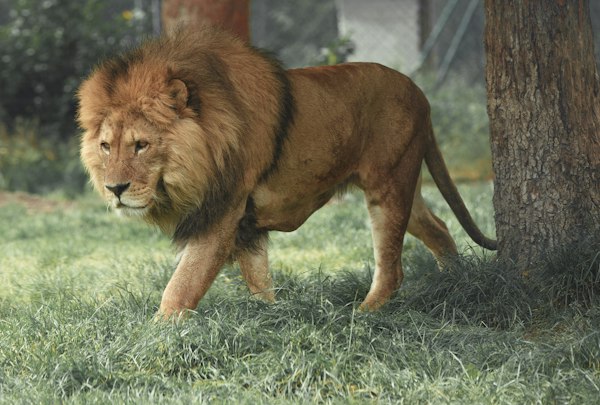
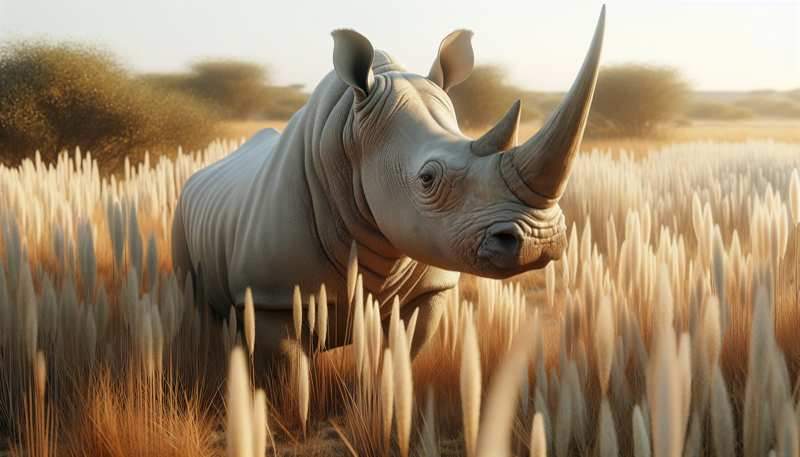
This guide connects Etosha National Park, Namibia, with African Elephant, Lion, Rhinoceros, Cheetah, Giraffe, Zebra. The list is a planning aid rather than a complete inventory or guarantee. Ask a current local authority or responsible operator which species and public areas are realistic for your dates.
Use legal public access and follow the current instructions of park staff, guides, and local communities. Keep a safe distance, never feed, call, chase, or block wildlife, and do not ask for sensitive nesting, den, or release locations. Choose operators that explain group size, viewing rules, community benefit, and what happens when animals move away.