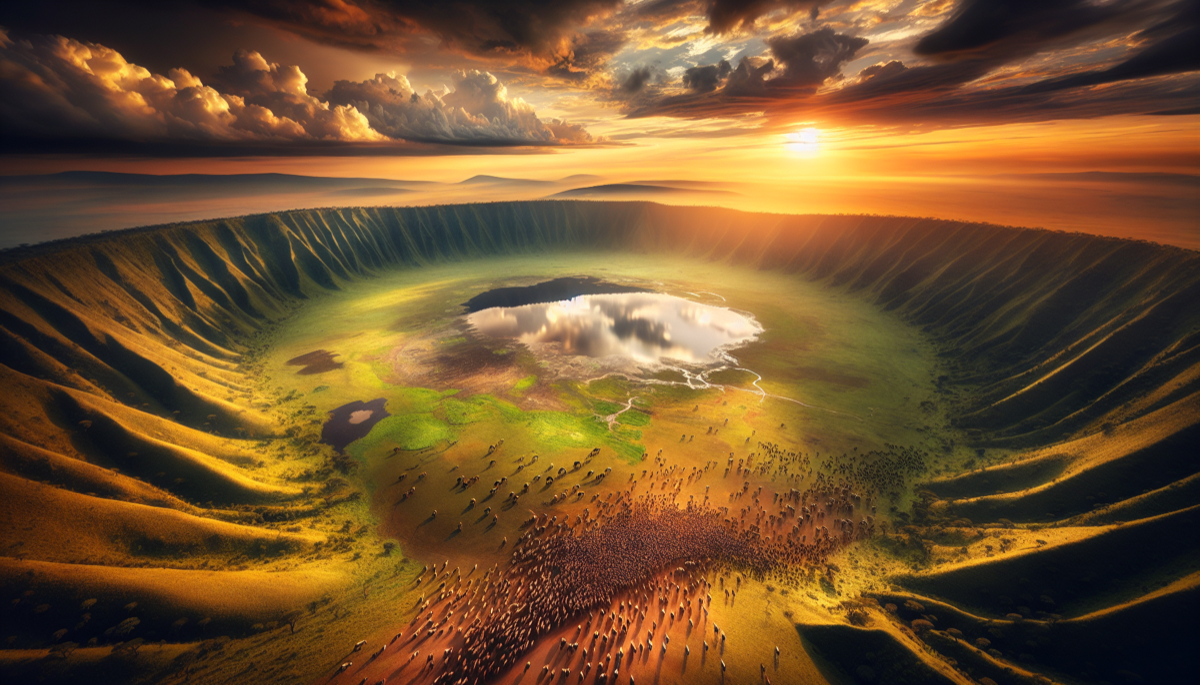
Is Ngorongoro Crater Safe?
The Ngorongoro Crater is a well-managed UNESCO World Heritage Site with excellent ranger patrols and established tourism infrastructure. Tanzania treats this area as a premium conservation zone, and safety standards are high. The main risks are altitude-related issues on the crater rim, wildlife encounters, and tropical health concerns.
Safety Assessment
Detailed breakdown of risks for visitors to Ngorongoro Crater
Wildlife Safety
🟡 Medium RiskThe crater floor has one of the densest concentrations of large predators in Africa. Lions, hyenas, and buffalo are common. Stay in your vehicle at all times on the crater floor. The ascent and descent roads are steep and winding. Elephants frequent the crater rim forests and can appear on roads without warning. At lodges, do not walk unescorted after dark.
Health Risks
🟡 Medium RiskThe crater rim sits at approximately 2,300 metres, and mild altitude symptoms such as headache and breathlessness are possible, especially for those arriving directly from sea level. Malaria risk is lower at altitude but still present in surrounding lowlands. Ensure hepatitis A, typhoid, and yellow fever vaccinations are current. Drink bottled or purified water only.
Crime & Security
🟢 Low RiskThe Ngorongoro Conservation Area is safe for tourists, with a well-funded authority managing security. Petty theft can occur in Arusha and Karatu, the nearest towns. Choose licensed safari operators and keep valuables locked away. The Maasai communities within the conservation area are welcoming to visitors.
Transport Safety
🟢 Low RiskThe roads descending into the crater are steep, unpaved, and can be slippery when wet. Only licensed safari vehicles with experienced drivers are permitted on the crater floor. The drive from Arusha takes around 3 to 4 hours. Bush flights to nearby airstrips use small aircraft on grass runways.
Weather Hazards
🟢 Low RiskThe crater rim is cooler and often misty, with temperatures dropping to near freezing at night during the dry season (June to October). Rain can make the descent road treacherous. The rainy season (March to May) brings heavy downpours that can reduce visibility. Afternoon thunderstorms are common in the wet season.
Water Safety
🟡 Medium RiskDo not approach the crater's soda lakes or hippo pools on foot. Crocodiles may be present in some waterways. Swimming in natural water is not recommended. Drink only bottled or camp-provided water. Lodge swimming pools are safe.
📞 Emergency Numbers
Save these numbers before your trip
| Service | Number |
|---|---|
| Tanzania Emergency | 112 |
| Police | 112 / +255 22 211 7714 |
| Flying Doctors (AMREF) | +254 20 699 2000 |
| NCAA (Ngorongoro Conservation) | +255 27 253 7006 |
💉 Recommended Vaccinations
Consult your travel doctor at least 6 weeks before departure
🛡️ Travel Insurance
Travel insurance with air evacuation coverage is essential. The nearest major hospital is in Arusha (3 to 4 hours by road). AMREF Flying Doctors offers tourist memberships covering emergency flights from remote Tanzanian locations to Nairobi or Dar es Salaam.
Get a Quote from World Nomads →Is Ngorongoro Crater Safe? FAQ
Ngorongoro is safe for tourists on guided safaris. A mandatory guide accompanies all vehicles descending into the crater.
Yellow fever vaccination is recommended for Tanzania. Hepatitis A and typhoid are also advised. Always consult your doctor or a travel health clinic at least 6 weeks before departure.
The crater rim is at high altitude with lower malaria risk than lowland Tanzania. However, prophylaxis is still recommended, especially if visiting other parks.
Solo travellers can join group safaris to share costs for the $300 crater vehicle fee. Lodges on the rim are welcoming to individual guests.