
Trip Planning
What Vaccinations Do You Need for Tanzania Safari?
Complete vaccination and health guide for Tanzania safaris. Yellow fever, malaria prophylaxis, routine boosters, and practical health tips for 2026 travelers.
Read guide →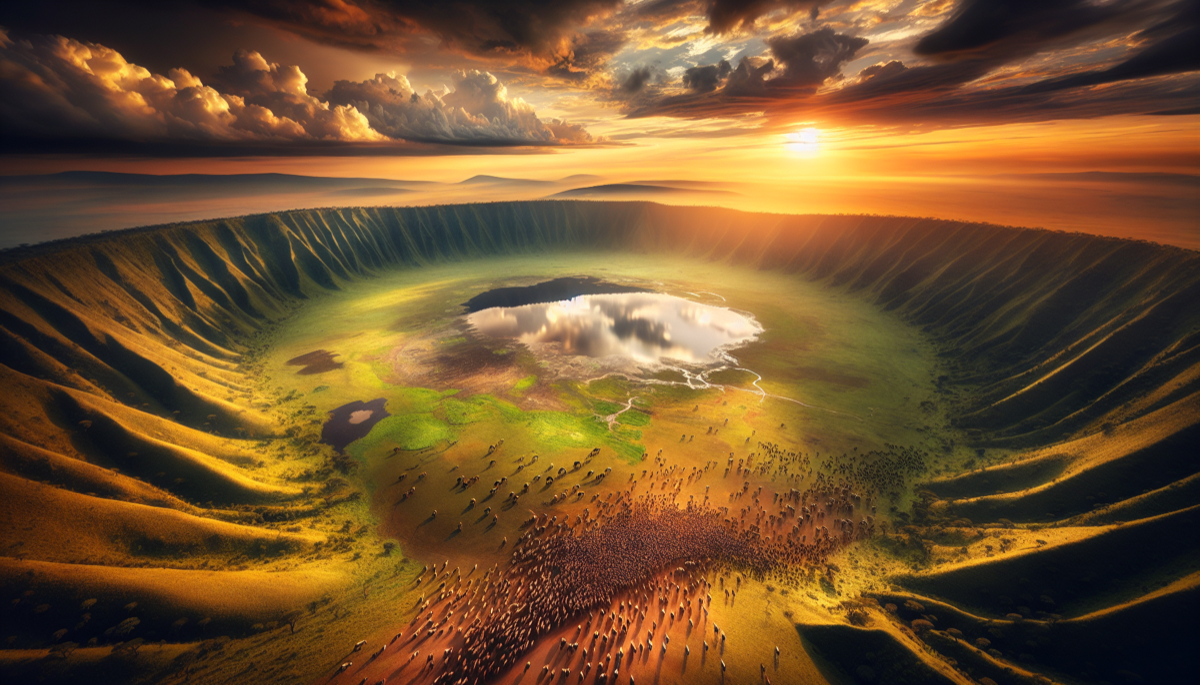
Best time: June - October (dry season, best game viewing)
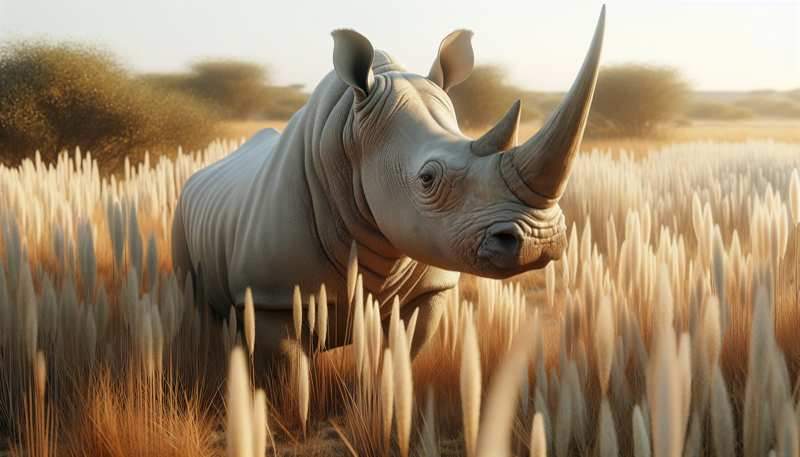
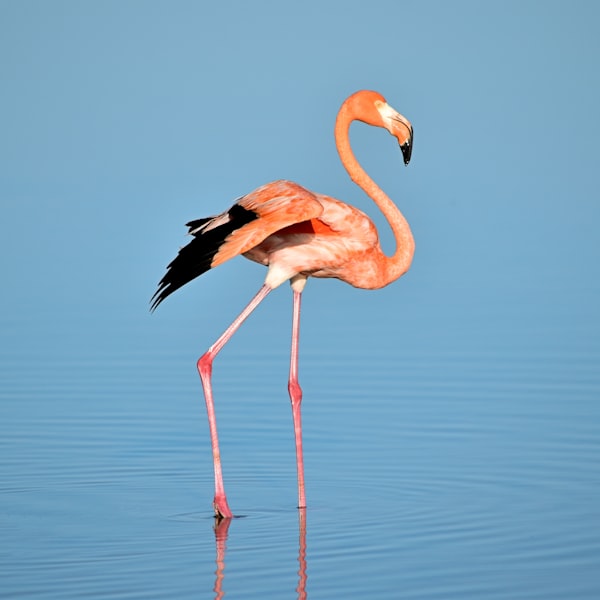
The Ngorongoro Crater is the world's largest unbroken volcanic caldera and one of Africa's most spectacular wildlife destinations. This natural amphitheatre, roughly 20 km across and 600 metres deep, creates a self-contained ecosystem that supports approximately 25,000 large animals within its 260 km2 floor. All of the Big Five can be found here, making it one of the most reliable places in Africa for diverse game viewing in a single day. The crater floor features a mix of grassland, swamp, forest, and a shallow soda lake that attracts thousands of flamingos during the wet season. The critically endangered black rhinoceros is one of the crater's most prized sightings, with a small but closely monitored population. Beyond the crater rim, the broader Ngorongoro Conservation Area supports Maasai pastoralists who live alongside wildlife in a unique coexistence model. The area also includes Olduvai Gorge, one of the most important paleoanthropological sites on Earth where early human fossils were discovered.
Fly into Kilimanjaro International Airport (JRO) and drive 3-4 hours to the crater. Often combined with a Serengeti safari.
Nearest airport: Kilimanjaro International (JRO)
Dry season: Jun-Oct: Clear skies, cool at the rim. Best game viewing on crater floor.
Wet season: Nov-May: Short rains Nov-Dec, long rains Mar-May. Green, lush crater. Flamingos at Lake Magadi.
Temperature: 5°C-25°C (41°F-77°F). The rim sits at 2,200m so nights are cold.
Stay in vehicle on the crater floor. Maximum 6 hours inside the crater per visit. Travel insurance with evacuation coverage essential.
Tipping: Guide: $20-30/day. Lodge staff: $10-20/day shared tip box. Tips in USD small bills.
Local transport: 4x4 required for crater descent. Park-approved vehicles only. 3-4 hour drive from Arusha.
Country guides connect this destination with other habitats, species, planning considerations, and responsible-viewing advice.
Habitat guides explain the viewing conditions and conservation pressures shared with similar ecosystems elsewhere.
These editorial guides explain the activity format, physical conditions, animal-welfare questions, and operator checks to make before booking.
Go deeper on itineraries, seasonal decisions, trip costs, photography, and responsible ways to experience wildlife in this region.
Complete vaccination and health guide for Tanzania safaris. Yellow fever, malaria prophylaxis, routine boosters, and practical health tips for 2026 travelers.
Read guide →Detailed comparison of Kenya and Tanzania safaris covering wildlife, cost, accessibility, and when to go.
Read guide →Current Viator listings matched to this destination. Confirm the itinerary, operator, recent reviews, availability, and cancellation terms before booking.


Share your preferences for possible referral to an independent Africa safari-planning partner. There is no fee to submit this request; any trip proposal is separate and optional.
Safari.com itinerary examples matched to Ngorongoro Crater. Request a current quote and confirm the operator, exact route, inclusions, recent reviews, and cancellation terms before booking.
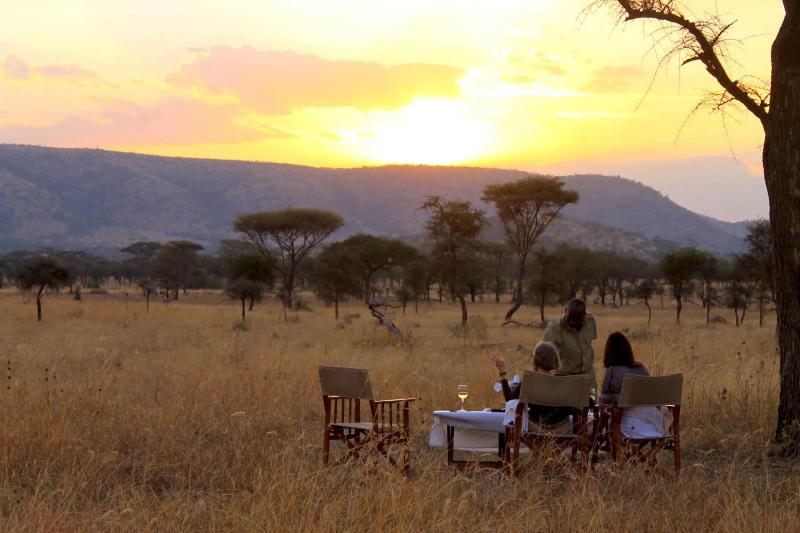
Embark on the ultimate East Africa safari with this 10-day journey through Kenya and Tanzania’s top game reserves. Stay in luxury safari lod...
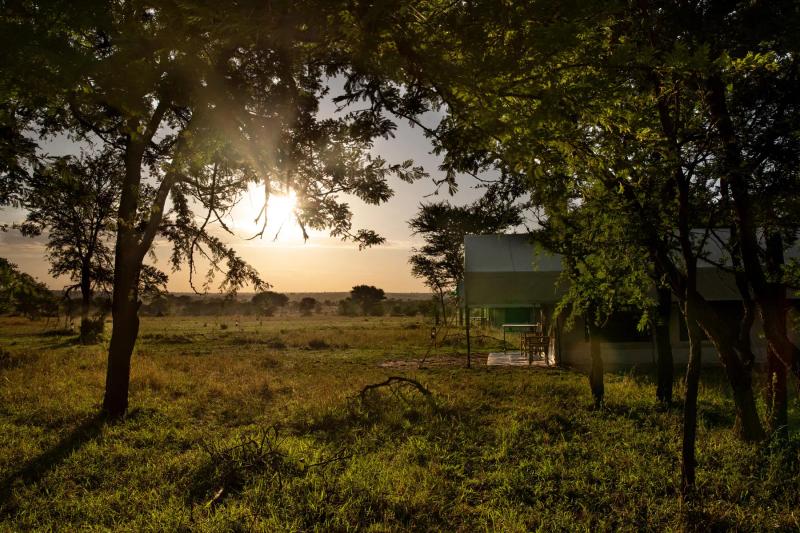
Embark on a 10-day journey of a lifetime that combines thrilling safaris with barefoot luxury. From iconic wildlife encounters in the heart ...
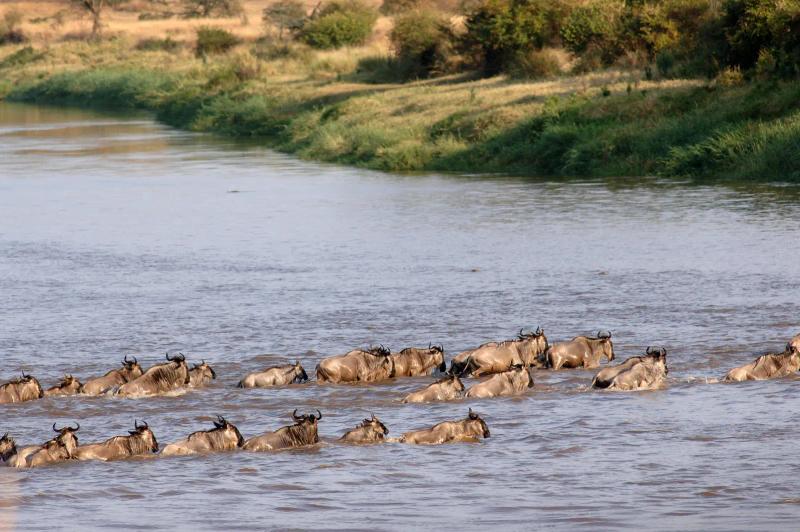
Watch thousands of wildebeests and zebras crossing the grassland savannah is an experience to behold and surely one of Africa’s natural wond...
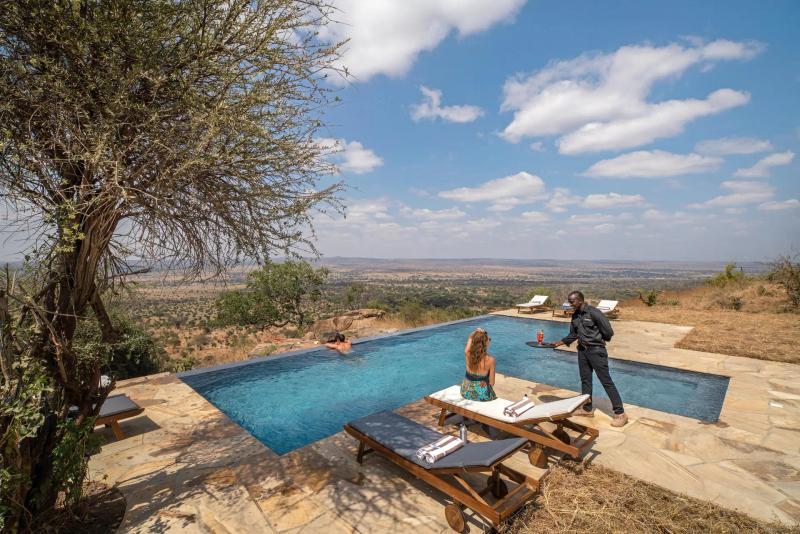
Embark on a luxurious safari through Tanzania, discovering the breathtaking beauty of the "Garden of Eden," the vast wilderness, and Tanzani...
Build your complete trip with our free trip builder. We'll help you find flights, hotels, and tours.
Build Your Trip →
The planning window currently listed for Ngorongoro Crater is June - October (dry season, best game viewing). Use it as a starting point, not a sighting promise: weather, animal movement, access, and local rules can change. Check current conditions with the relevant park or protected-area authority before booking.
Build a current total for transport, entry fees or permits, guiding, accommodation, meals, insurance, equipment, and taxes. Prices and currencies change too often for a generic daily figure to be dependable. Compare dated quotes with the same inclusions and confirm official fees and cancellation terms before paying.
Our current route note is: Fly into Kilimanjaro International Airport (JRO) and drive 3-4 hours to the crater. Often combined with a Serengeti safari. Verify operating schedules, border or entry requirements, road and seasonal access, baggage limits, and transfers with the relevant authorities and providers for your travel dates.
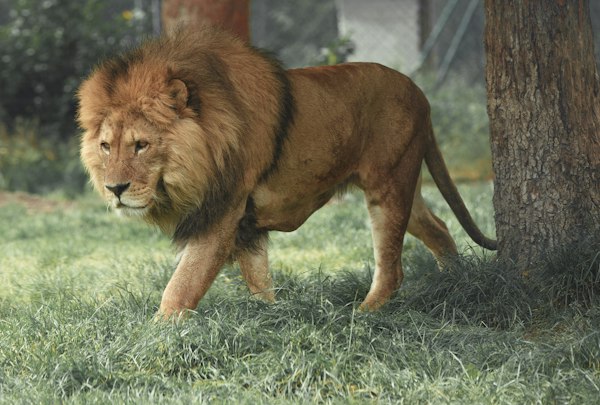
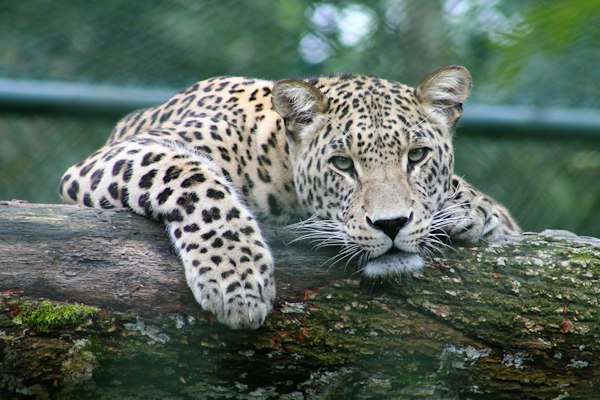
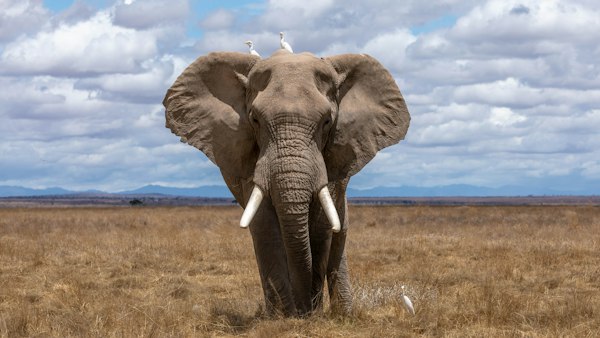
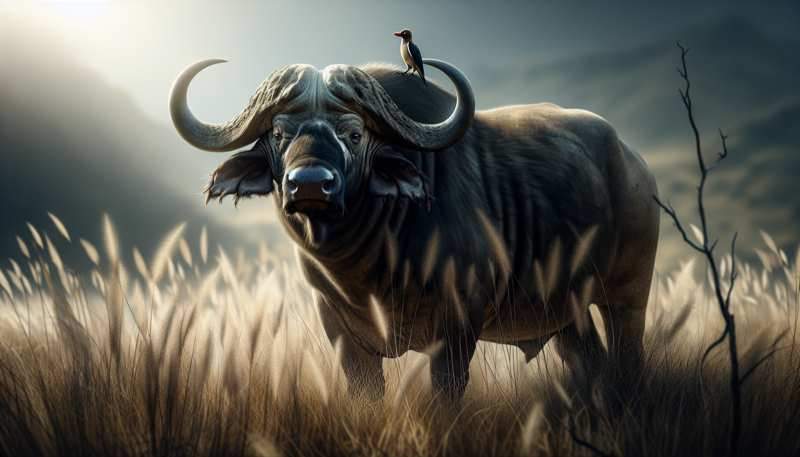
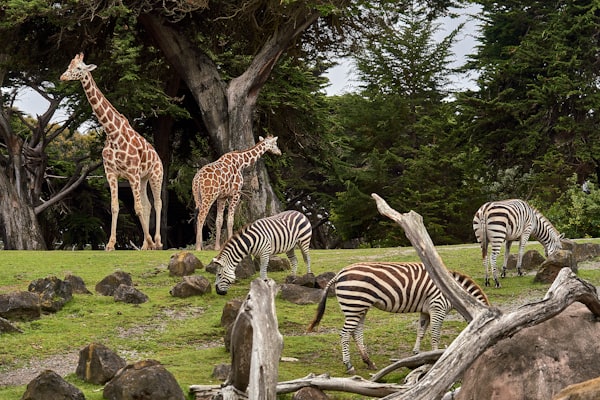
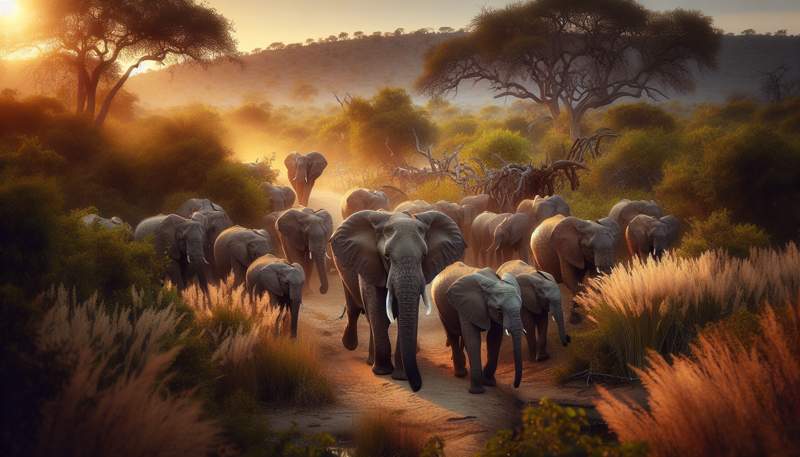
This guide connects Ngorongoro Crater, Tanzania, with Lion, Leopard, Rhinoceros, African Elephant, Cape Buffalo, Hippopotamus, Greater Flamingo, Zebra. The list is a planning aid rather than a complete inventory or guarantee. Ask a current local authority or responsible operator which species and public areas are realistic for your dates.
Use legal public access and follow the current instructions of park staff, guides, and local communities. Keep a safe distance, never feed, call, chase, or block wildlife, and do not ask for sensitive nesting, den, or release locations. Choose operators that explain group size, viewing rules, community benefit, and what happens when animals move away.