Is South Luangwa National Park Safe?
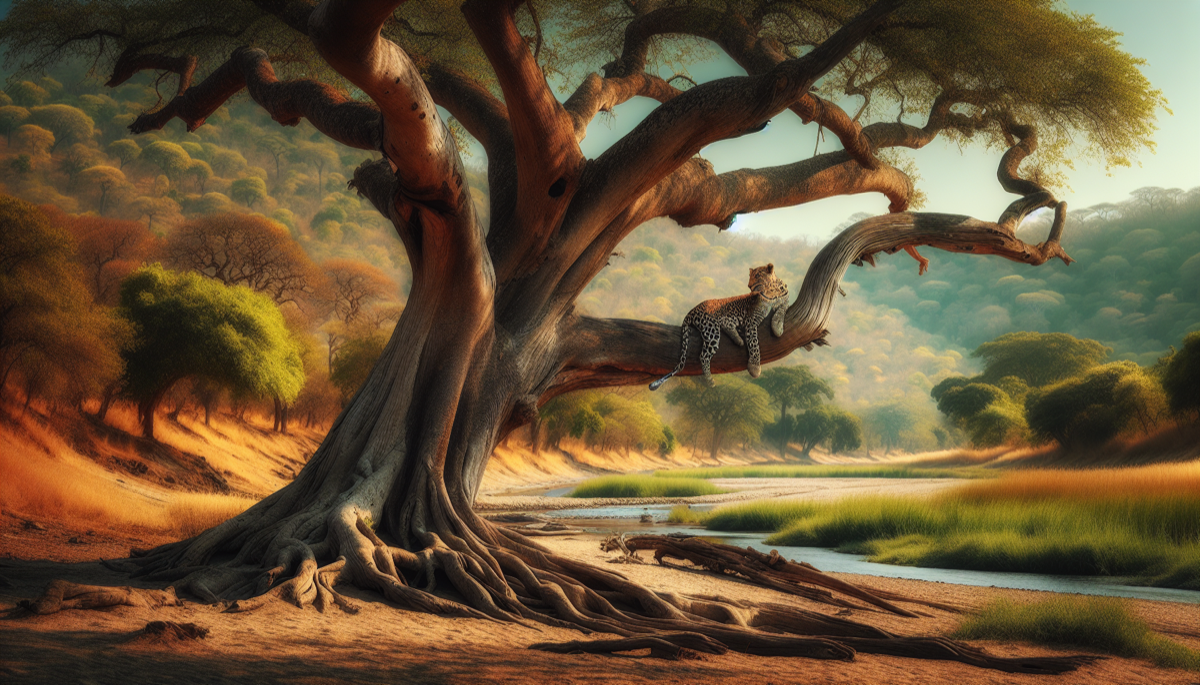
South Luangwa is a premier safari destination in Zambia, renowned for walking safaris and the concentration of leopards. The park is remote, and infrastructure is basic compared to East African parks. Safety standards are high at reputable camps, but the remoteness means medical help is far away. Walking safaris carry inherent wildlife risks.
Safety Assessment
Detailed breakdown of risks for visitors to South Luangwa National Park
Wildlife Safety
🔴 High RiskWalking safaris are South Luangwa's signature activity, and you will be on foot in the presence of elephants, buffalo, hippos, and lions. Armed rangers always accompany walking groups. Follow your guide's instructions precisely. Hippos are responsible for more human fatalities in Africa than any other large animal, and they are abundant along the Luangwa River. Never approach the riverbank without your guide.
Health Risks
🔴 High RiskMalaria is a serious risk throughout the Luangwa Valley. Antimalarial prophylaxis is essential. Tsetse flies are present and their bites are painful, though the risk of sleeping sickness is extremely low. Bilharzia is present in the river. Ensure hepatitis A, typhoid, and rabies vaccinations are current. Drink only treated or bottled water.
Crime & Security
🟢 Low RiskCrime against tourists in South Luangwa is virtually unheard of. The town of Mfuwe is safe and friendly. Camps are located in private concessions with controlled access. Zambia is one of Africa's most peaceful countries. Standard precautions with valuables at lodges are sufficient.
Transport Safety
🟡 Medium RiskMost visitors fly from Lusaka to Mfuwe airport (1.5 hours). The road from Lusaka to Mfuwe is long (about 8 hours) and the final stretch is unpaved. Within the park, roads can become impassable during the wet season (December to April), and many camps close. River crossings may be required.
Weather Hazards
🟡 Medium RiskThe wet season (November to April) brings heavy rains, flooding, and extreme humidity. Many camps close during this period. The dry season (May to October) is best for wildlife viewing but temperatures can exceed 40 degrees Celsius in October. Winter mornings (June to July) can be cold, dropping to 5 degrees Celsius.
Water Safety
🔴 High RiskThe Luangwa River is home to large populations of crocodiles and hippos. Never swim in the river. Bilharzia is present, so avoid prolonged skin contact with river water. Drink only treated or bottled water. Lodge pools are safe.
📞 Emergency Numbers
Save these numbers before your trip
| Service | Number |
|---|---|
| Zambia Emergency | 999 / 112 |
| Police | 999 |
| Medical Air Rescue Service (MARS) | +260 977 770 302 |
| Mfuwe Hospital | +260 216 245 047 |
💉 Recommended Vaccinations
Consult your travel doctor at least 6 weeks before departure
🛡️ Travel Insurance
Travel insurance with emergency air evacuation is critical. South Luangwa is extremely remote, and the nearest hospital with adequate facilities is in Lusaka (8 hours by road). Medical Air Rescue Service (MARS) provides medevac flights within Zambia. Ensure your policy covers walking safari activities.
Get a Quote from World Nomads →Is South Luangwa National Park Safe? FAQ
South Luangwa is safe for tourists. Walking safaris, the park specialty, are led by armed, experienced guides who follow strict safety protocols.
Yellow fever vaccination may be required depending on your origin. Hepatitis A, typhoid, and rabies vaccines are recommended. Always consult your doctor or a travel health clinic at least 6 weeks before departure.
South Luangwa is a high malaria risk area. Antimalarial prophylaxis is essential. Use strong DEET repellent and sleep under treated mosquito nets.
Solo travellers are safe and welcome. Lodges pair solo guests with small groups for walking safaris and game drives.