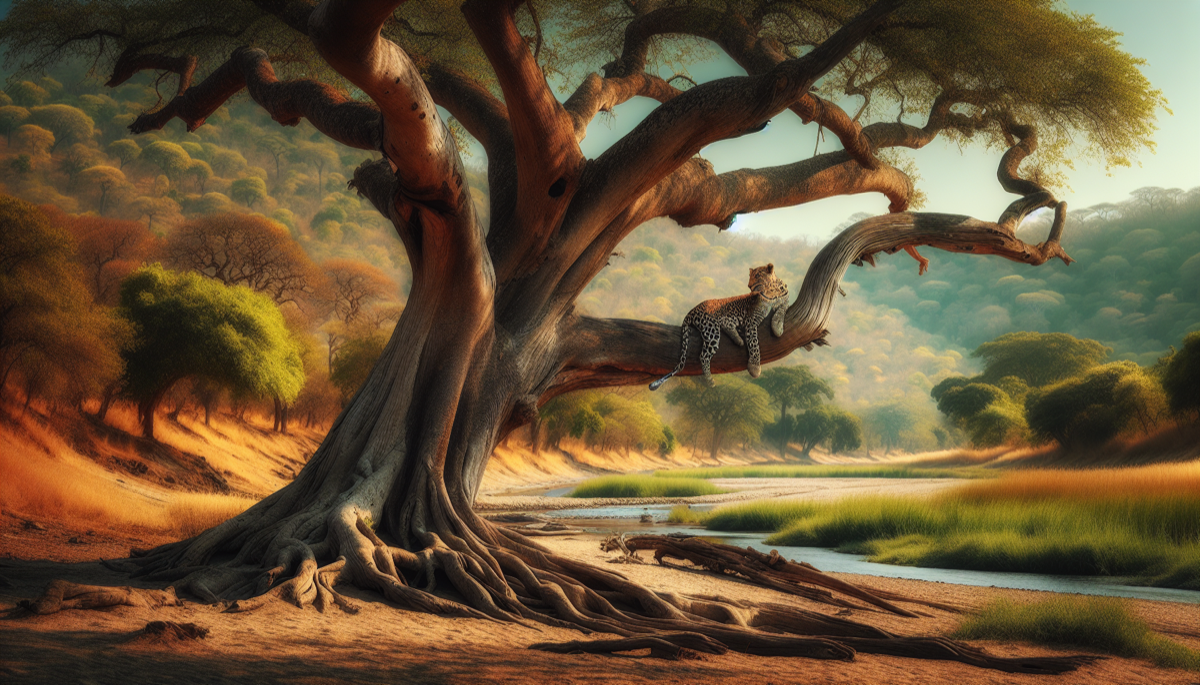
South Luangwa National Park
Best time: May - October (dry season, animals concentrate near the river)
About South Luangwa National Park
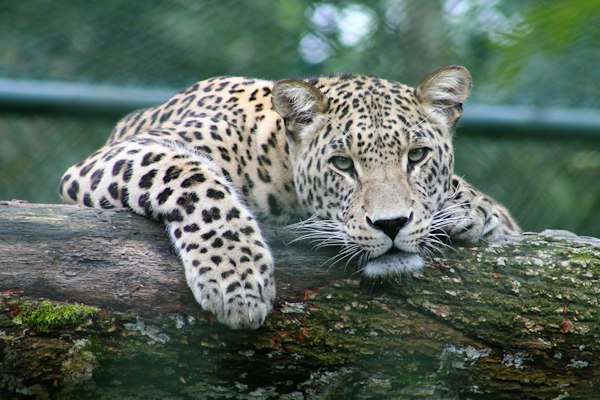
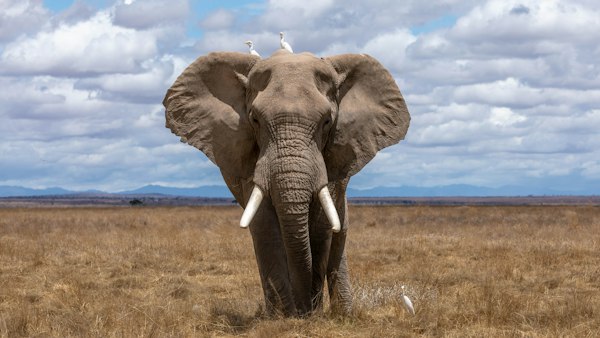
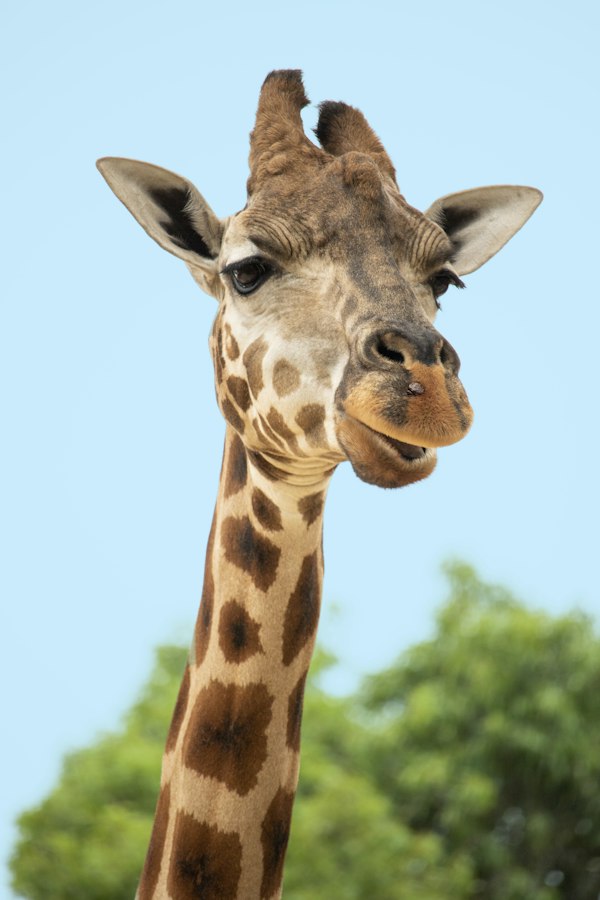
South Luangwa National Park is one of Africa's finest wildlife sanctuaries, located in eastern Zambia along the winding Luangwa River. Often called the birthplace of the walking safari, the park offers an intimate, ground-level approach to game viewing that few other destinations can match. Covering 9,050 km2 of diverse habitat, including miombo woodland, mopane forest, and expansive floodplains, the park draws large concentrations of wildlife to the river during the dry season. South Luangwa is particularly renowned for its leopard sightings, earning it the nickname "Valley of the Leopard." The park also hosts significant populations of wild dogs, elephants, hippos, and one of the densest concentrations of Thornicroft's giraffe, a subspecies found nowhere else on Earth. Night drives are permitted here, offering chances to spot rarely seen nocturnal species. The Luangwa River is home to enormous pods of hippos and large Nile crocodiles, making boat safaris along its banks a thrilling experience. Remote bush camps provide an authentic, off-the-grid safari immersion.
Highlights
- Walking safaris, the birthplace of this iconic experience
- Exceptional leopard sightings on night drives
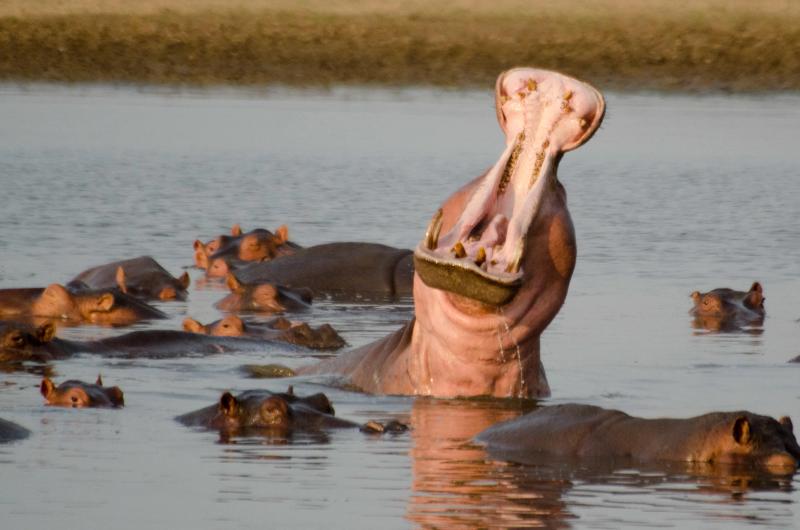
- Enormous hippo pods in the Luangwa River
- Thornicroft's giraffe, found nowhere else on Earth
Getting There
Fly into Lusaka (LUN) and take a domestic flight to Mfuwe Airport (MFU), the park's gateway.
Nearest airport: Mfuwe Airport (MFU)
Travel Essentials
Vaccinations
- Yellow Fever (if arriving from endemic country)
- Hepatitis A & B
- Typhoid
- Rabies
- Cholera
Budget Guide
Weather & Climate
Dry season: May-Oct: Vegetation thins, animals gather at the Luangwa River. Prime season.
Wet season: Nov-Apr: Green season. Many camps close. Heavy rains, flooding. Great birding.
Temperature: 10°C-40°C (50°F-104°F). October is extremely hot before the rains.
Sample 5-Day Itinerary
- Day 1: Fly to Mfuwe. Transfer to camp. Afternoon game drive along the Luangwa River.
- Day 2: Dawn walking safari with armed scout. Afternoon game drive, leopard spotting.
- Day 3: Full-day drive exploring oxbow lagoons. Night drive for genets, civets, and leopards.
- Day 4: Morning walk in dry riverbed. Afternoon visit to local community or hippo pools.
- Day 5: Final sunrise drive. Fly back to Lusaka for departure.
Safety & Tips
Walking safaris require experienced armed scouts. Hippos are a major hazard near the river. Never walk alone outside camp.
Tipping: Guide: $15-25/day. Camp staff: $10-15/day. Scout (walking safari): $10/day. Tips in USD.
Local transport: Light aircraft to Mfuwe (1.5 hrs from Lusaka). 4x4 transfers to camps. Walking safaris pioneered here.
Animals You Can See Here


Explore Wildlife Beyond South Luangwa National Park
Country guides connect this destination with other habitats, species, planning considerations, and responsible-viewing advice.
Ecosystems at This Destination
Habitat guides explain the viewing conditions and conservation pressures shared with similar ecosystems elsewhere.
Responsible Wildlife Experiences in South Luangwa National Park
These editorial guides explain the activity format, physical conditions, animal-welfare questions, and operator checks to make before booking.
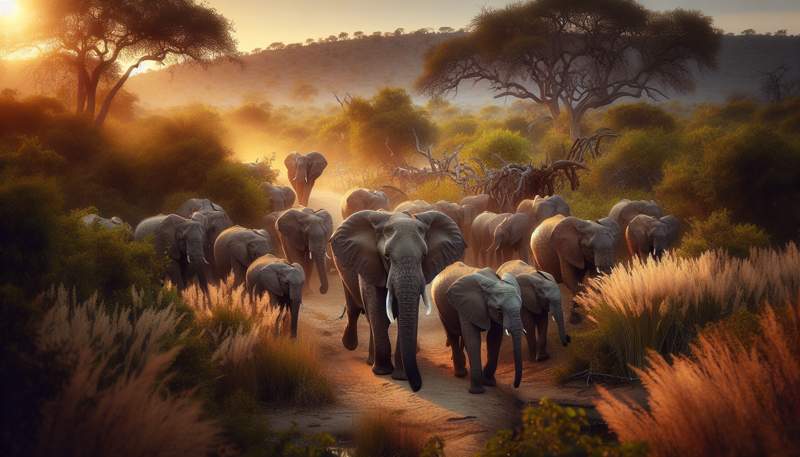
Safari Game Drives
A game drive uses a vehicle to explore protected landscapes with a guide or, where rules allow, as a self-drive visitor. It is the most accessible…
Read the responsible guide →Walking Safaris
A walking safari shifts attention from covering distance to reading an ecosystem at ground level. Tracks, dung, plants, insects, alarm calls, wind,…
Read the responsible guide →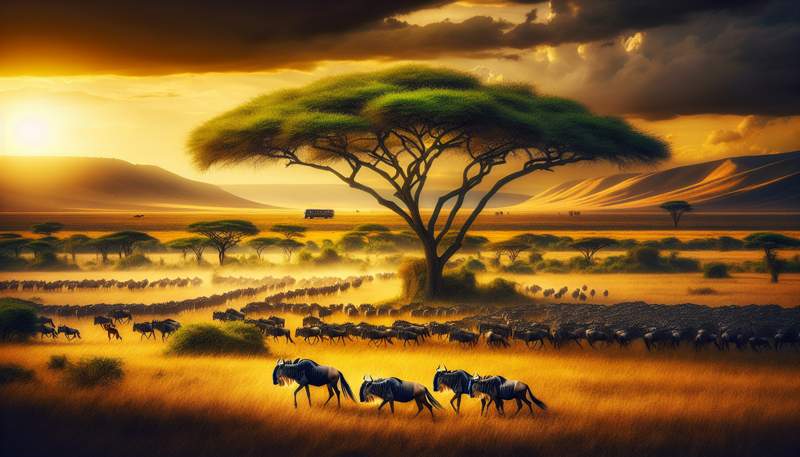
Wildlife Photography Tours
A wildlife photography tour should improve access, fieldcraft, and learning without turning animal welfare into a competition for the closest frame.…
Read the responsible guide →Book South Luangwa National Park Tours & Experiences
Current Viator listings matched to this destination. Confirm the itinerary, operator, recent reviews, availability, and cancellation terms before booking.

Request South Luangwa National Park Safari Planning Options
Share your preferences for possible referral to an independent Africa safari-planning partner. There is no fee to submit this request; any trip proposal is separate and optional.
South Luangwa National Park Safari Packages
Safari.com itinerary examples matched to South Luangwa National Park. Request a current quote and confirm the operator, exact route, inclusions, recent reviews, and cancellation terms before booking.
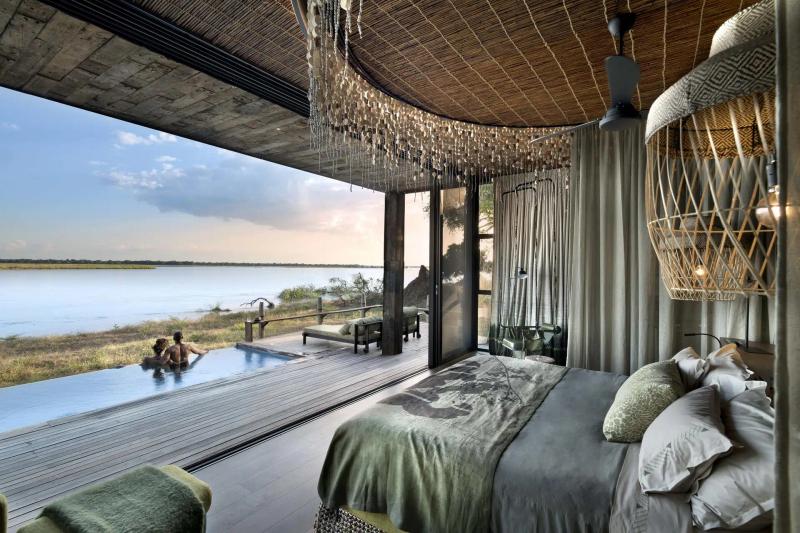
10-Day Ultra Lux Zambia Safari
Spend 9 nights at Zambia’s top luxury camps, including Lolebezi and Thorntree River Lodge, on a curated safari through lesser-known parks ri...
- 3 nights each at Sungani Lodge, Lolebezi and Thorntree River Lodge
- Game drives and walking safaris in South Luangwa National Park
- Boat safaris and canoeing on the Zambezi at Lolebezi
6-Day South Luangwa Fly-in Safari Adventure
For a complete South Luangwa National Park experience, indulge in a 5-night stay that combines the luxurious Kafunta River Lodge with either...
- 3 nights at Kafunta River Lodge on the Luangwa floodplains
- 2 nights at remote Three Rivers Camp or Island Bush Camp
- Twice-daily game drives plus spotlit night drives in South Luangwa
Ready to Visit South Luangwa National Park?
Build your complete trip with our free trip builder. We'll help you find flights, hotels, and tours.
Build Your Trip →Plan Your South Luangwa National Park Trip
South Luangwa National Park FAQ
The planning window currently listed for South Luangwa National Park is May - October (dry season, animals concentrate near the river). Use it as a starting point, not a sighting promise: weather, animal movement, access, and local rules can change. Check current conditions with the relevant park or protected-area authority before booking.
Build a current total for transport, entry fees or permits, guiding, accommodation, meals, insurance, equipment, and taxes. Prices and currencies change too often for a generic daily figure to be dependable. Compare dated quotes with the same inclusions and confirm official fees and cancellation terms before paying.
Our current route note is: Fly into Lusaka (LUN) and take a domestic flight to Mfuwe Airport (MFU), the park's gateway. Verify operating schedules, border or entry requirements, road and seasonal access, baggage limits, and transfers with the relevant authorities and providers for your travel dates.
This guide connects South Luangwa National Park, Zambia, with Leopard, African Wild Dog, Hippopotamus, African Elephant, Giraffe. The list is a planning aid rather than a complete inventory or guarantee. Ask a current local authority or responsible operator which species and public areas are realistic for your dates.
Use legal public access and follow the current instructions of park staff, guides, and local communities. Keep a safe distance, never feed, call, chase, or block wildlife, and do not ask for sensitive nesting, den, or release locations. Choose operators that explain group size, viewing rules, community benefit, and what happens when animals move away.