Is Sri Lanka Safe?
Sri Lanka is a compact, beautiful island nation with diverse wildlife, including elephants, leopards, and marine life. The country has recovered well from its civil conflict, and tourism infrastructure is steadily improving. The main risks are road safety, tropical health concerns, and seasonal weather hazards. Wildlife encounters in national parks are well-managed.
Safety Assessment
Detailed breakdown of risks for visitors to Sri Lanka
Wildlife Safety
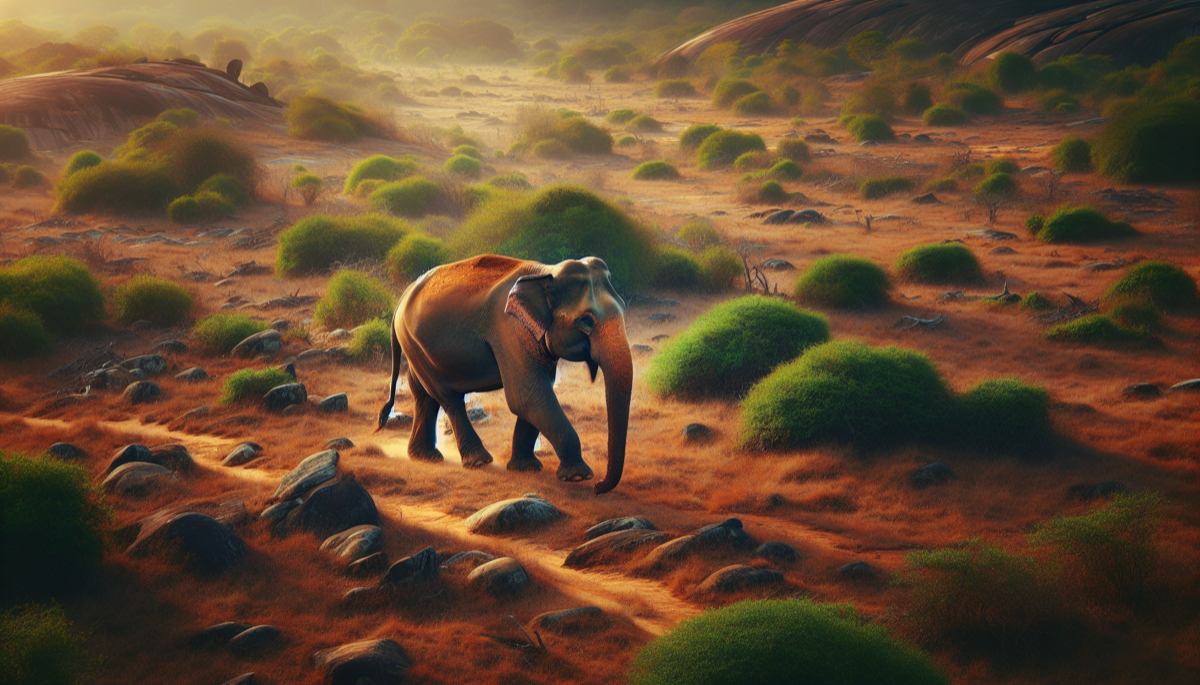
🟢 Low RiskWild elephants are encountered both in national parks and occasionally on rural roads. Maintain a safe distance and never provoke or approach them. Sri Lanka has the highest density of leopards in the world (Yala National Park), but they are elusive and not a threat to tourists in vehicles. Saltwater crocodiles inhabit some lagoons. Watch for monkeys stealing food at temples and cultural sites.
Health Risks
🟡 Medium RiskDengue fever is the primary mosquito-borne risk, especially during the monsoon season. Use insect repellent and wear long sleeves. Malaria has been eliminated from Sri Lanka (since 2016). Rabies exists, so avoid stray dogs. Stomach illness is common for visitors. Drink only bottled water and be cautious with street food. Medical care in Colombo is good, but rural facilities are basic.
Crime & Security
🟢 Low RiskViolent crime against tourists is rare. Petty theft, bag-snatching (especially from tuk-tuks), and scams are the main concerns. Avoid walking alone at night in unfamiliar areas. The former conflict zone in the north is safe for tourists. Be respectful at Buddhist sites. Solo female travellers should take extra precautions, particularly on empty beaches.
Transport Safety
🟡 Medium RiskSri Lankan roads are congested and driving standards are poor. Hiring a driver is strongly recommended over self-driving. Tuk-tuks are ubiquitous and generally safe for short trips. Trains are a scenic and safe alternative for longer journeys. Domestic flights operate between Colombo and a few destinations. Road accidents are one of the biggest risks for tourists.
Weather Hazards
🟡 Medium RiskSri Lanka has two monsoon seasons affecting different coasts. The southwest monsoon (May to September) hits the west and south coasts. The northeast monsoon (October to January) affects the east coast. Flooding and landslides occur during heavy rains. The seas can be rough and dangerous during monsoon, with strong rip currents.
Water Safety
🟡 Medium RiskStrong rip currents and rough seas claim lives annually on Sri Lankan beaches. Swim only where lifeguards are present. Crocodiles inhabit some lagoons and river mouths. Coral reefs at snorkelling sites can cause cuts. Drink only bottled water. Hotel pools are safe.
📞 Emergency Numbers
Save these numbers before your trip
| Service | Number |
|---|---|
| Sri Lanka Emergency | 110 / 119 |
| Police | 119 |
| Ambulance | 110 |
| Tourist Police | +94 11 242 1052 |
💉 Recommended Vaccinations
Consult your travel doctor at least 6 weeks before departure
🛡️ Travel Insurance
Travel insurance is recommended. Private hospitals in Colombo (Asiri, Nawaloka) offer good care at reasonable cost. For national parks and remote areas, ensure your policy covers medical evacuation to Colombo. Adventure activities such as surfing and white-water rafting should also be covered.
Get a Quote from World Nomads →Is Sri Lanka Safe? FAQ
Sri Lanka is safe for tourists. The country has a well-developed tourism infrastructure, friendly locals, and low violent crime rates.
Hepatitis A and typhoid are recommended. Japanese encephalitis is advised if visiting rural areas. Routine vaccinations should be up to date. Always consult your doctor or a travel health clinic at least 6 weeks before departure.
Sri Lanka was certified malaria-free by the WHO in 2016. There is no malaria risk, though dengue fever from mosquitoes remains a concern in some areas.
Sri Lanka is very safe and popular with solo travellers. The country is compact, well-connected by train and bus, and locals are welcoming.