
Where to See
Best Wildlife Destinations in Asia
Compare Borneo, Indian tiger reserves, Sri Lanka, Komodo, Ladakh, and Shiretoko by wildlife, access, season, safety, field method, and responsible trip fit.
Read guide →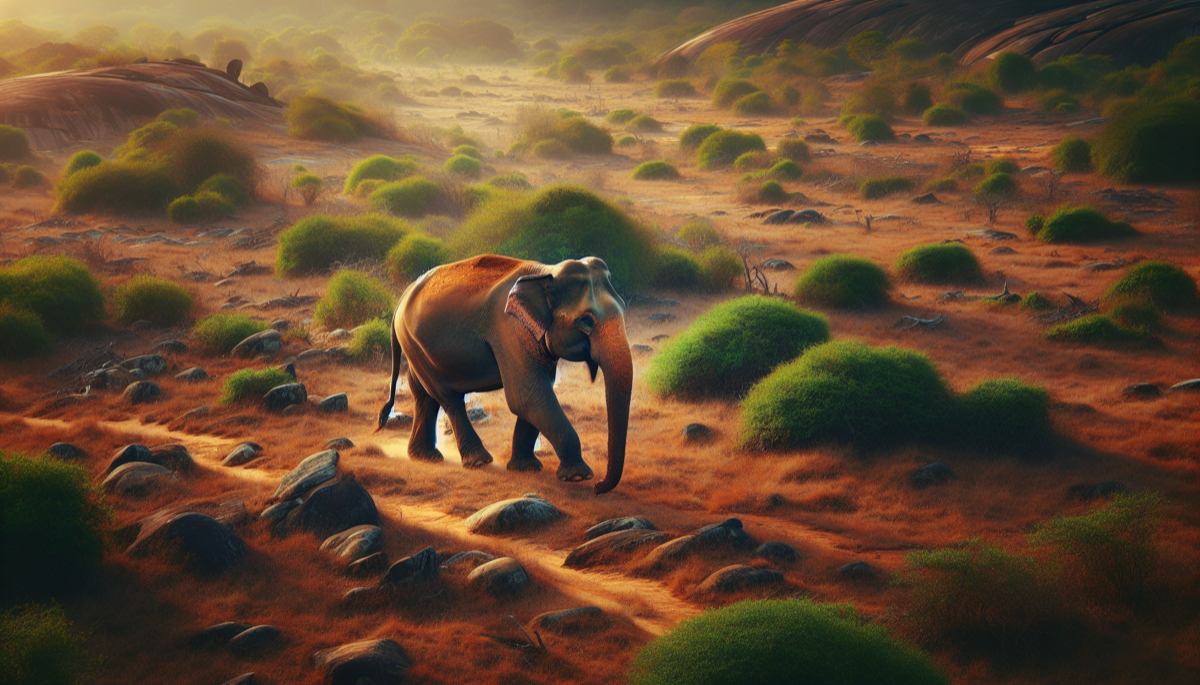
Best time: February - July (Yala dry season) & November - April (whale watching)
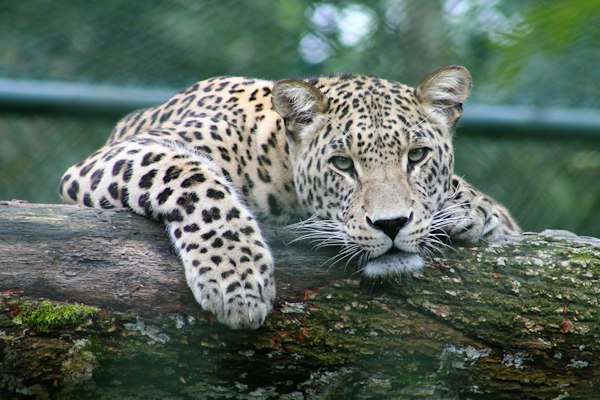
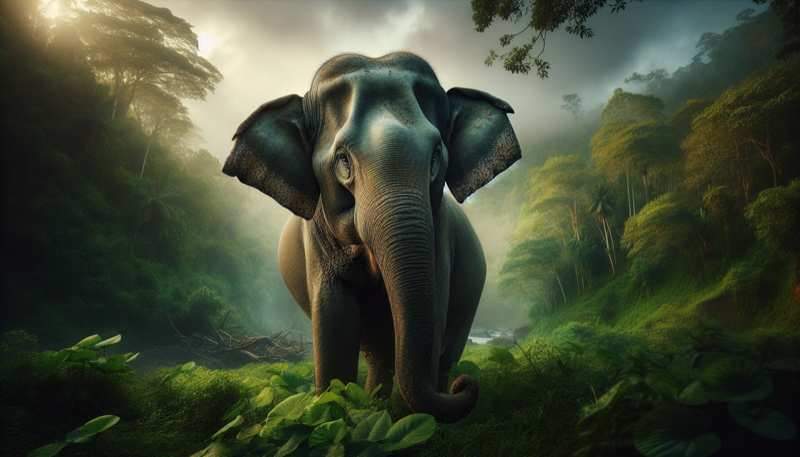
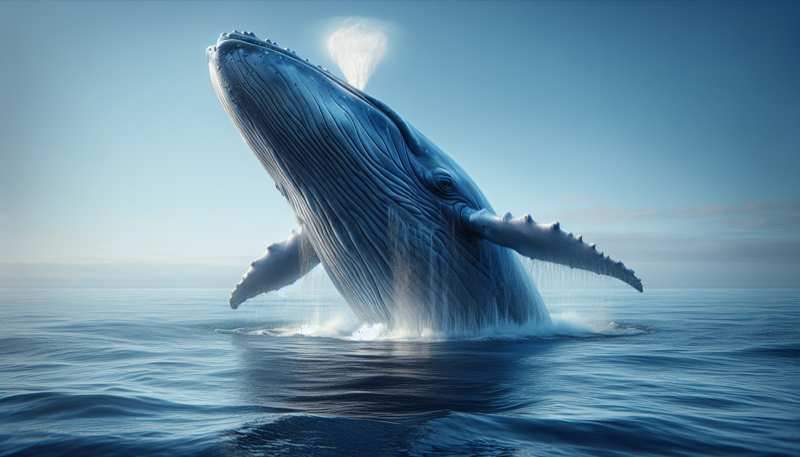
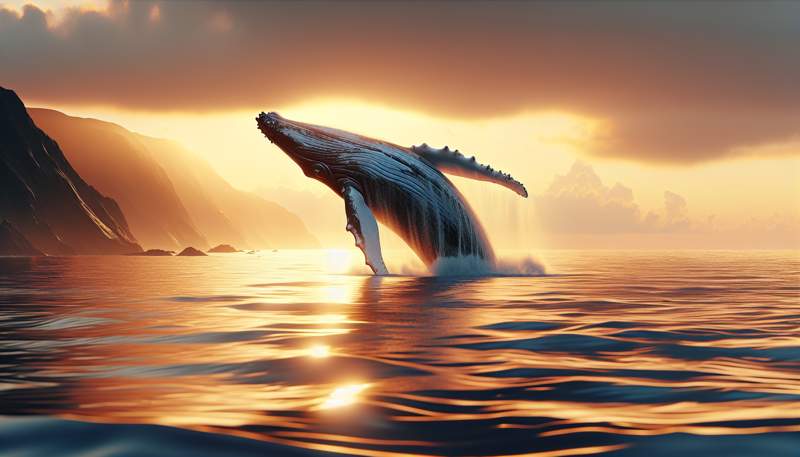
Sri Lanka is a compact island nation in the Indian Ocean that punches far above its weight as a wildlife destination. Despite its small size, the island supports a remarkable diversity of habitats and species, from leopards prowling dry-zone national parks to blue whales feeding off the southern coast. The island is home to approximately 5,800 wild Asian elephants, one of the densest populations in Asia, with herds commonly seen at Udawalawe, Minneriya, and Kaudulla national parks. The Gathering at Minneriya, where up to 300 elephants congregate around a drying reservoir between August and September, is one of Asia's greatest wildlife spectacles. Off the coast of Mirissa, Sri Lanka offers some of the most reliable blue whale watching in the world, with sightings possible from November through April. The island's diverse birdlife includes over 30 endemic species, making it a premier birding destination. Sinharaja Forest Reserve, a UNESCO World Heritage Site, protects the last significant area of primary tropical rainforest on the island and is a hotspot for endemic birds, reptiles, and amphibians.
Fly into Colombo (CMB). Domestic transfers to Yala, Udawalawe, and other parks are by road (3-6 hours) or seaplane.
Nearest airport: Bandaranaike International (CMB)
Dry season: Dec-Mar best for south and west coast. Jun-Sep best for east coast and cultural triangle.
Wet season: Apr-Jun (southwest monsoon), Oct-Nov (northeast monsoon). Wildlife still viewable.
Temperature: 24°C-32°C (75°F-90°F) at coast. Hill country 15°C-22°C. Humid year-round.
Very safe for tourists. Remove shoes at temples. Cover shoulders and knees. Watch for monkeys stealing food. Drive carefully (chaotic traffic).
Tipping: Driver: LKR 1,000-2,000/day. Safari guide: LKR 500-1,000. Restaurant: 10%. Tips in LKR.
Local transport: Private driver-guide ($40-60/day including car) is most practical. Scenic train rides (Kandy to Ella). Tuk-tuks in towns.
Country guides connect this destination with other habitats, species, planning considerations, and responsible-viewing advice.
Habitat guides explain the viewing conditions and conservation pressures shared with similar ecosystems elsewhere.
These editorial guides explain the activity format, physical conditions, animal-welfare questions, and operator checks to make before booking.
Go deeper on itineraries, seasonal decisions, trip costs, photography, and responsible ways to experience wildlife in this region.
Compare Borneo, Indian tiger reserves, Sri Lanka, Komodo, Ladakh, and Shiretoko by wildlife, access, season, safety, field method, and responsible trip fit.
Read guide →Current Viator listings matched to this destination. Confirm the itinerary, operator, recent reviews, availability, and cancellation terms before booking.


Build your complete trip with our free trip builder. We'll help you find flights, hotels, and tours.
Build Your Trip →
The planning window currently listed for Sri Lanka is February - July (Yala dry season) & November - April (whale watching). Use it as a starting point, not a sighting promise: weather, animal movement, access, and local rules can change. Check current conditions with the relevant park or protected-area authority before booking.
Build a current total for transport, entry fees or permits, guiding, accommodation, meals, insurance, equipment, and taxes. Prices and currencies change too often for a generic daily figure to be dependable. Compare dated quotes with the same inclusions and confirm official fees and cancellation terms before paying.
Our current route note is: Fly into Colombo (CMB). Domestic transfers to Yala, Udawalawe, and other parks are by road (3-6 hours) or seaplane. Verify operating schedules, border or entry requirements, road and seasonal access, baggage limits, and transfers with the relevant authorities and providers for your travel dates.
This guide connects Sri Lanka, Sri Lanka, with Leopard, Asian Elephant, Blue Whale. The list is a planning aid rather than a complete inventory or guarantee. Ask a current local authority or responsible operator which species and public areas are realistic for your dates.
Use legal public access and follow the current instructions of park staff, guides, and local communities. Keep a safe distance, never feed, call, chase, or block wildlife, and do not ask for sensitive nesting, den, or release locations. Choose operators that explain group size, viewing rules, community benefit, and what happens when animals move away.