Is Yellowstone National Park Safe?
Yellowstone is one of the world's most iconic national parks, with excellent infrastructure and well-maintained trails. The National Park Service enforces strict safety regulations. The main risks come from geothermal features (scalding water, unstable ground), wildlife encounters with bison and bears, and the park's remote, high-altitude terrain.
Safety Assessment
Detailed breakdown of risks for visitors to Yellowstone National Park
Wildlife Safety
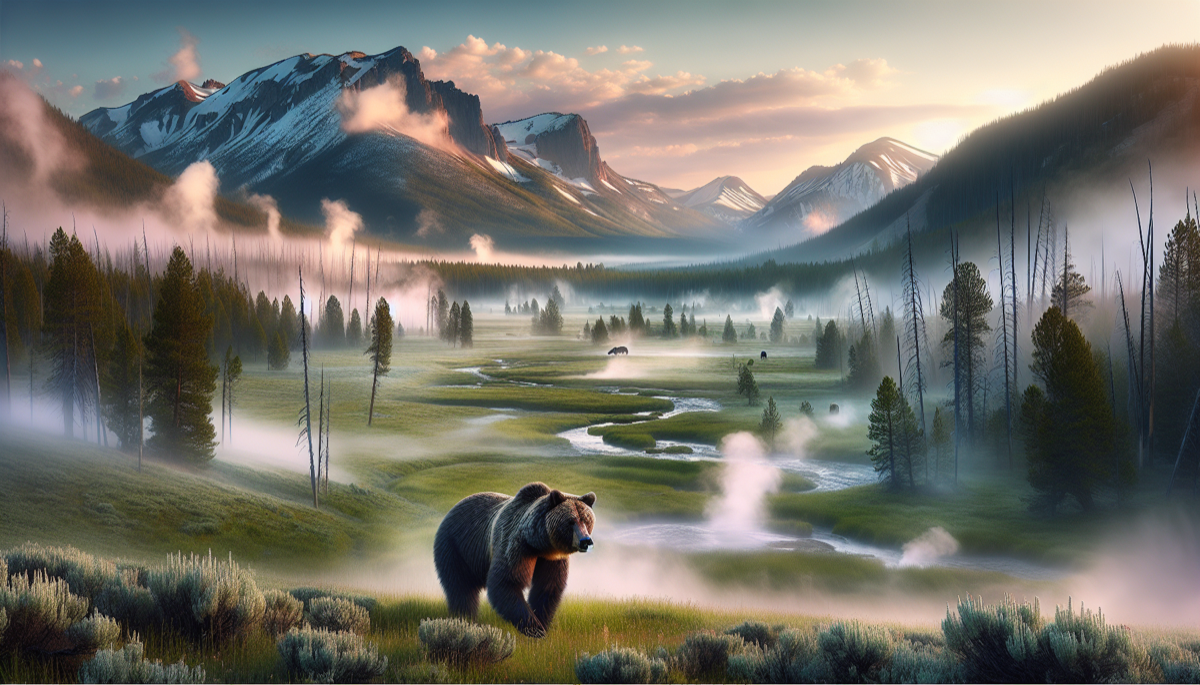
🟡 Medium RiskBison injure more visitors than any other animal in Yellowstone. Maintain at least 25 yards (23 metres) from bison and elk, and 100 yards (91 metres) from bears and wolves. Grizzly bears are present throughout the park. Carry bear spray, know how to use it, and store food in bear-proof containers. Never approach or feed any wildlife. Moose can also be aggressive, especially cows with calves.
Health Risks
🟢 Low RiskYellowstone sits at 2,000 to 2,700 metres elevation, and altitude sickness can affect some visitors. Dehydration is common in the dry mountain air. Hypothermia is possible even in summer at higher elevations. Tick-borne illnesses exist in the region. No tropical disease risks. Medical facilities are available at Mammoth Hot Springs and Lake Village clinics.
Crime & Security
🟢 Low RiskYellowstone is extremely safe in terms of crime. The park is patrolled by National Park Service rangers. Vehicle break-ins occasionally occur at popular trailheads, so do not leave valuables visible in your car. Cell service is limited throughout the park.
Transport Safety
🟢 Low RiskPark roads are well-maintained but can be narrow, winding, and congested in summer. Wildlife jams (especially bison on the road) cause frequent delays. Winter driving requires snow chains or snow tyres. Road closures due to snow are common from November through May. Gas stations are available at several locations inside the park.
Weather Hazards
🟡 Medium RiskWeather changes rapidly at Yellowstone's elevation. Snow is possible any month of the year. Summer afternoon thunderstorms with lightning are common, posing a risk to hikers in exposed terrain. Winter temperatures regularly drop below minus 20 degrees Celsius. Sudden fog and ice can make roads hazardous.
Geothermal Safety
🔴 High RiskYellowstone's hot springs, geysers, and mud pots are extremely dangerous. Water temperatures exceed 90 degrees Celsius in many pools. Stay on boardwalks and designated trails at all times. The ground near thermal features can be thin and break through to scalding water. Several visitors have died from falling into hot springs. Keep children closely supervised near all thermal areas.
📞 Emergency Numbers
Save these numbers before your trip
| Service | Number |
|---|---|
| US Emergency | 911 |
| Yellowstone Dispatch | +1 307 344 7381 |
| Mammoth Clinic | +1 307 344 7965 |
| Lake Clinic | +1 307 242 7241 |
💉 Recommended Vaccinations
Consult your travel doctor at least 6 weeks before departure
🛡️ Travel Insurance
Travel insurance with medical coverage is recommended, as US healthcare costs are extremely high. The park has basic medical clinics, but serious injuries require evacuation to hospitals in Bozeman, Montana (90 minutes) or Idaho Falls, Idaho. Ensure your policy covers helicopter evacuation from backcountry areas.
Get a Quote from World Nomads →Is Yellowstone National Park Safe? FAQ
Yellowstone is safe for visitors who follow park rules. Keep 90 metres from bears and wolves, and 23 metres from bison and elk.
No special vaccinations are required for visiting the United States. Always consult your doctor or a travel health clinic at least 6 weeks before departure.
There is no malaria risk in the United States.
Yellowstone is very safe for solo travellers. Campgrounds and visitor centres are welcoming, and ranger programs offer great socialising opportunities.