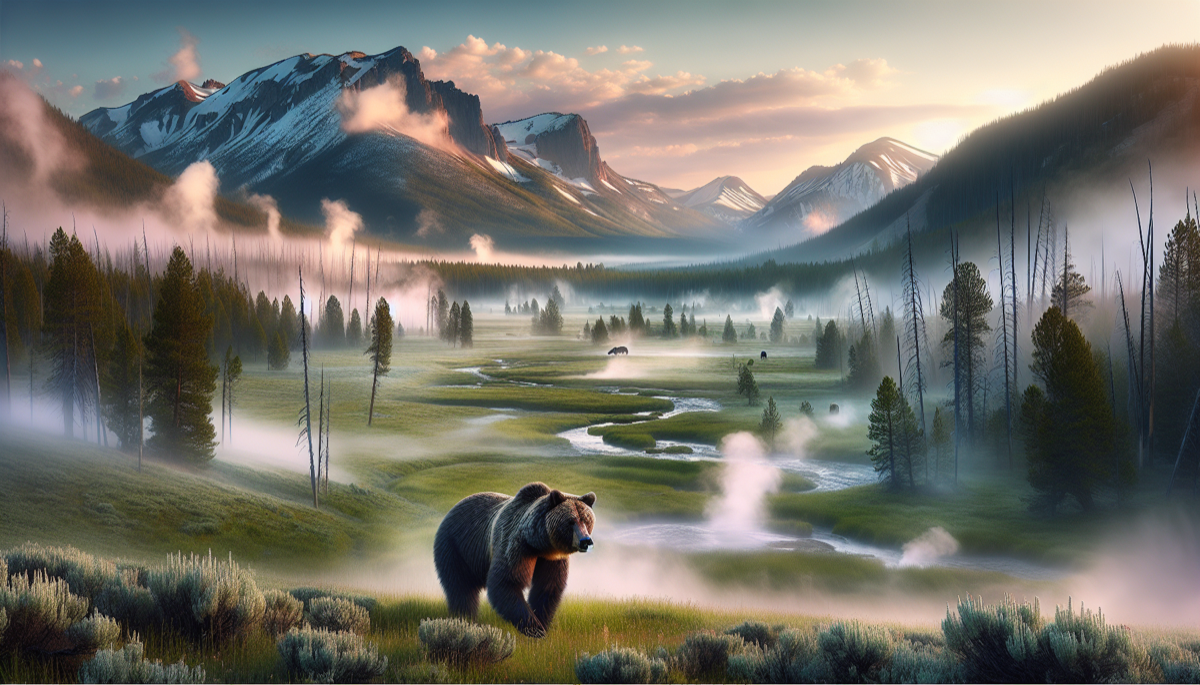
Yellowstone National Park
Best time: May - June & September - October (fewer crowds, active wildlife)
About Yellowstone National Park
Yellowstone National Park is America's first and most famous national park, established in 1872 across 8,983 km2 of volcanic plateau in Wyoming, Montana, and Idaho. While world-renowned for its geothermal features, including Old Faithful geyser and the Grand Prismatic Spring, Yellowstone is equally significant as a premier wildlife destination. The park supports the largest concentration of large mammals in the lower 48 states, including grizzly bears, gray wolves, bison, elk, moose, and mountain lions. The reintroduction of gray wolves in 1995 is one of conservation's greatest success stories, triggering a trophic cascade that transformed the park's entire ecosystem. The Lamar Valley, often called "America's Serengeti," offers outstanding wolf and bear viewing, particularly during early morning and evening hours. Winter visits offer a unique experience, with wolves hunting in deep snow and bison steaming in geothermal areas. The park also hosts the largest free-roaming bison herd in the United States, with approximately 5,000 animals. Over 300 bird species have been recorded within the park boundaries.
Highlights
- Wolf watching in the Lamar Valley at dawn
- Grizzly bear sightings in Hayden and Lamar valleys
- Geothermal wonders including Old Faithful and Grand Prismatic Spring
- Free-roaming bison herds numbering 5,000+
Getting There
Fly into Bozeman (BZN) or Jackson Hole (JAC) and drive to the park. West Yellowstone is the most popular gateway town.
Nearest airport: Bozeman Yellowstone International (BZN) - 90 min drive
Travel Essentials
Vaccinations
- Routine vaccines
- COVID-19 up to date
Budget Guide
Weather & Climate
Dry season: Jun-Sep: Warm days, wildlife active. Peak season. Book months ahead.
Wet season: Oct-May: Snow from October. Roads close Nov-Apr except Mammoth-Cooke City. Spring muddy.
Temperature: -20°C to 28°C (-4°F to 82°F). High altitude (2,400m). Cold nights even in summer.
Sample 5-Day Itinerary
- Day 1: Fly to Bozeman. Drive to West Yellowstone. Evening drive through Lamar Valley for wolves.
- Day 2: Old Faithful, Grand Prismatic Spring, Biscuit Basin. Afternoon Upper Geyser Basin walk.
- Day 3: Lamar Valley dawn wildlife watching (wolves, bison, bears). Tower Fall. Mammoth Hot Springs.
- Day 4: Grand Canyon of the Yellowstone. Hayden Valley for bison herds. Mud Volcano. Lake area.
- Day 5: Final Lamar Valley dawn drive. Depart via Bozeman.
Safety & Tips
Stay 100 yards from bears and wolves, 25 yards from bison and elk. Stay on boardwalks near geothermal features. Carry bear spray ($50 at park stores).
Tipping: Restaurant: 18-20%. Guided tours: $10-20/person. Tips in USD.
Local transport: Self-drive essential. Grand Loop Road connects all major features. Gas available at several stations inside the park.
Animals You Can See Here
Explore Wildlife Beyond Yellowstone National Park
Country guides connect this destination with other habitats, species, planning considerations, and responsible-viewing advice.
Ecosystems at This Destination
Habitat guides explain the viewing conditions and conservation pressures shared with similar ecosystems elsewhere.
Responsible Wildlife Experiences in Yellowstone National Park
These editorial guides explain the activity format, physical conditions, animal-welfare questions, and operator checks to make before booking.
Book Yellowstone National Park Tours & Experiences
Current Viator listings matched to this destination. Confirm the itinerary, operator, recent reviews, availability, and cancellation terms before booking.

Guided Yellowstone Wildlife Tour
8 hours
From Jackson Hole: Yellowstone Old Faithful, Waterfalls and Wildlife Day Tour
13 hours
Winter in Yellowstone Wildlife Tour
8 hours
Yellowstone Wildlife Tour
7 hours
Self-Guided Audio Driving Tour in Yellowstone National Park
7 hours
Yellowstone Lake & Hot Springs / 3 Hour Morning or Twilight Tour
3 hoursReady to Visit Yellowstone National Park?
Build your complete trip with our free trip builder. We'll help you find flights, hotels, and tours.
Build Your Trip →Plan Your Yellowstone National Park Trip
See Yellowstone National Park
Yellowstone National Park Wildlife

Yellowstone National Park FAQ
The planning window currently listed for Yellowstone National Park is May - June & September - October (fewer crowds, active wildlife). Use it as a starting point, not a sighting promise: weather, animal movement, access, and local rules can change. Check current conditions with the relevant park or protected-area authority before booking.
Build a current total for transport, entry fees or permits, guiding, accommodation, meals, insurance, equipment, and taxes. Prices and currencies change too often for a generic daily figure to be dependable. Compare dated quotes with the same inclusions and confirm official fees and cancellation terms before paying.
Our current route note is: Fly into Bozeman (BZN) or Jackson Hole (JAC) and drive to the park. West Yellowstone is the most popular gateway town. Verify operating schedules, border or entry requirements, road and seasonal access, baggage limits, and transfers with the relevant authorities and providers for your travel dates.
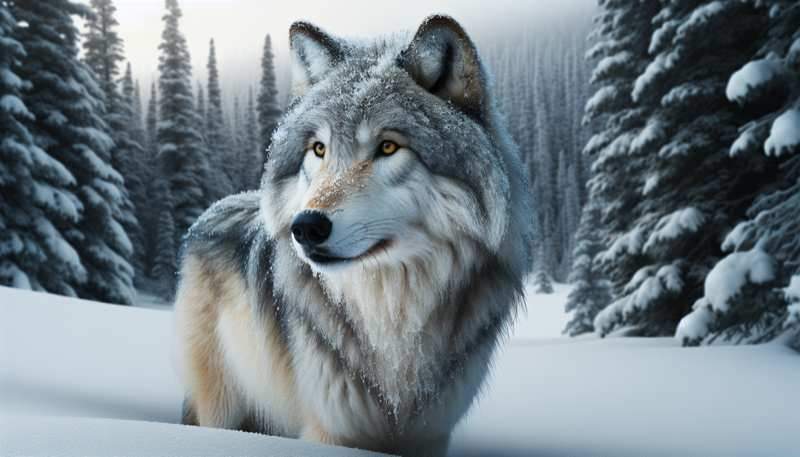
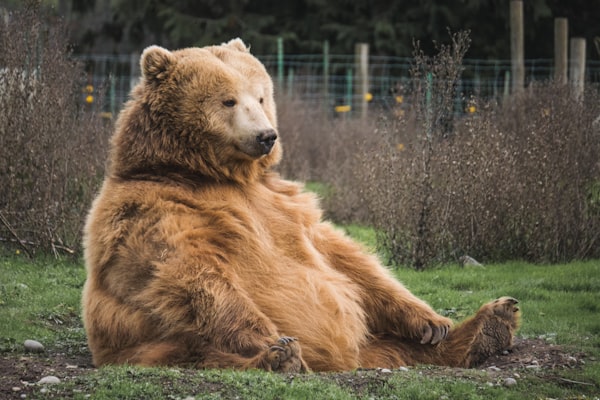
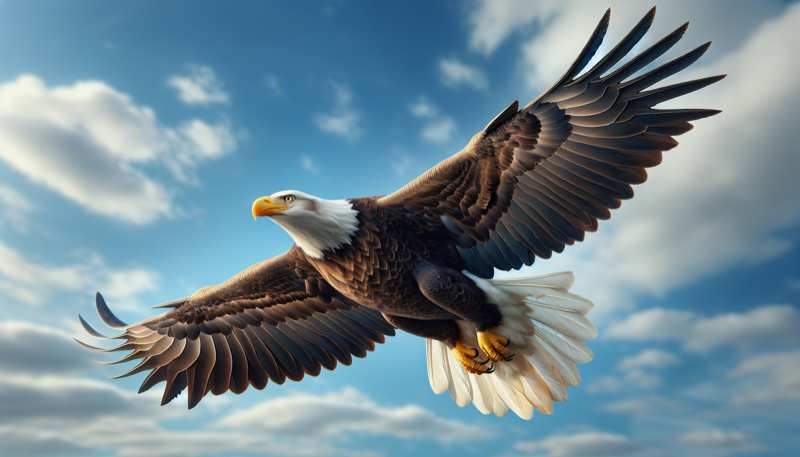
This guide connects Yellowstone National Park, USA, with Gray Wolf, Grizzly Bear, Bald Eagle. The list is a planning aid rather than a complete inventory or guarantee. Ask a current local authority or responsible operator which species and public areas are realistic for your dates.
Use legal public access and follow the current instructions of park staff, guides, and local communities. Keep a safe distance, never feed, call, chase, or block wildlife, and do not ask for sensitive nesting, den, or release locations. Choose operators that explain group size, viewing rules, community benefit, and what happens when animals move away.