Where to See
Where to See Emperor Penguins
Compare Snow Hill, Antarctic Peninsula, and Ross Sea routes for emperor penguins, with access reality, expedition standards, safety, and alternatives.
Read guide →Aptenodytes forsteri
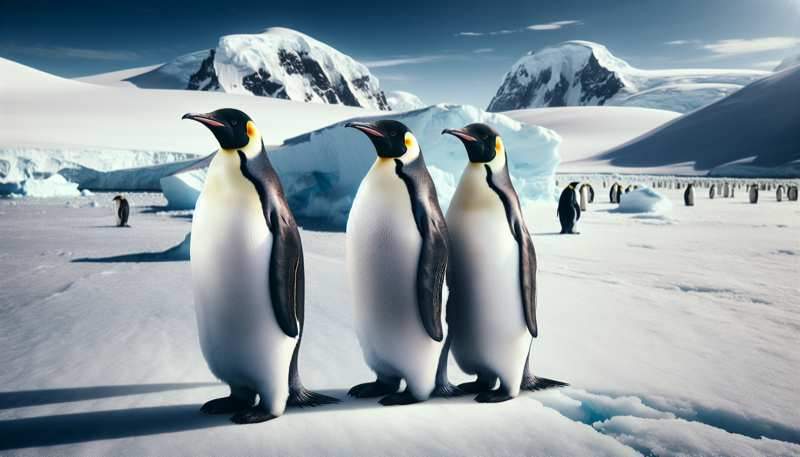
The emperor penguin is the largest living penguin and an Antarctic sea-ice specialist. It breeds during the austral winter, usually on stable fast ice attached to the coast, and adults later depend on sea ice for moult. The IUCN moved the species from Near Threatened to Endangered in April 2026 because climate-driven sea-ice loss is expected to cause a severe long-term decline. Males incubate a single egg on their feet while fasting, but the familiar breeding story should not hide the central conservation fact: chicks need the ice to last until they are ready to enter the sea.
Migration: Adults move between coastal breeding or moulting ice and marine feeding areas. Distances and routes vary with colony, season, sea ice, prey, and ocean conditions; there is no single visitor-facing migration timetable.
Best time of day: The expedition plan, ice, weather, light, wildlife behaviour, and site authorisation determine access. Do not expect a fixed daily “active” window.
Typical viewing distance: Current emperor-penguin guidance uses at least 5 metres, increasing whenever birds respond, and 15 metres from commuting routes and ice-edge access points; the expedition leader or site rule may require more.
Camera settings: Begin with a shutter speed that controls bird, platform, and wind movement, protect batteries and equipment from cold and moisture, and use a telephoto from the guide-assigned position. Do not lower the camera angle by crouching, sitting, lying down, or moving off the authorised route.
The established specialist visitor route for an emperor breeding colony. It receives relatively few expedition visits, and sea ice, weather, environmental authorisation, vessel capability, landing method, wildlife response, and safety can change or cancel access. The historic Snow Hill Hut visitor site is a different place and product.
The main expedition-cruise region and a realistic route for gentoo, chinstrap, and Adélie penguins, seals, seabirds, ice, and scenery. It is not a dependable emperor-colony route; any emperor sighting should be treated as incidental rather than the basis of the booking.
Very remote expedition routes may encounter emperor penguins within their wider range, but route access is complex and a general voyage should not imply a reliable colony visit. Research-station colonies and protected areas are not ordinary tourist attractions.
Compare practical destination guides with seasonal timing, travel logistics, other wildlife, tours, and places to stay.
Country guides connect the species with other wildlife, featured places, planning context, and responsible-viewing advice.
Species may rely on several ecosystems across their range. Explore how conditions and conservation pressures differ.
Compare activity formats, physical conditions, operator questions, animal-welfare risks, and relevant destinations before choosing a tour.
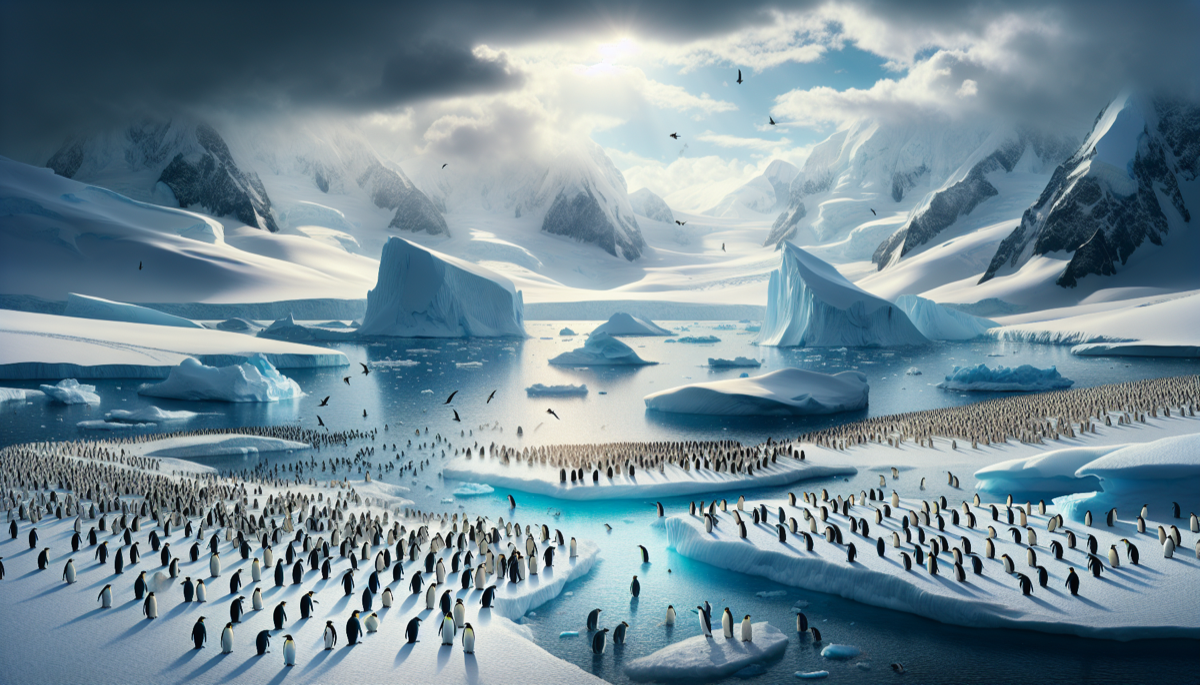
Polar wildlife travel covers two different ends of the planet. Arctic trips may search for polar bears, walruses, whales, and tundra wildlife around…
Plan the experience →
A wildlife photography tour should improve access, fieldcraft, and learning without turning animal welfare into a competition for the closest frame.…
Plan the experience →These third-party programmes offer relevant ways to adopt symbolically, foster, donate, or learn. We do not process contributions or receive commission.
A donation route for coalition-based Antarctic conservation and policy work, paired with an official campaign focused on stronger protection for emperor penguins and their sea-ice and marine habitat.
Review programme →Due DiligenceUnderstand symbolic adoption, verify the organisation, and review current terms and use of funds.
Open the programme directory →Current Viator listings matched to this species. Confirm where the activity operates, its wildlife policy, recent reviews, availability, and cancellation terms before booking.


Only species-relevant partner routes are shown. Confirm the exact location, wildlife policy, availability, current price, and cancellation terms before booking.
These links open third-party searches. Verify the exact operator, route, guide team, wildlife policy, field time, and no-sighting terms.
Search stays only after the gateway and field route are confirmed.
Compare current routes, baggage rules, buffers, and total booking terms.
Check medical, cancellation, activity, altitude, equipment, and evacuation terms for the exact itinerary.
Match equipment to guide advice, distance, weather, baggage limits, and safe handling.
Carry a manageable weather-protected camera and practise exposure compensation before the trip, but let the guide choose every viewing position. Do not crouch, sit, lie down, surround birds, block commuting routes, or move closer for a low-angle portrait. A longer lens is useful only when it helps you remain within the current site rule.
Use a currently authorised operator with a route-specific contingency, medical-screening process, evacuation arrangements, biosecurity procedure, and wildlife plan. The emperor-penguin visitor guideline uses a precautionary minimum of 5 metres and 15 metres from commuting routes and ice-edge access points, with more space whenever behaviour or the guide requires it. Do not approach in a circle, block a path, touch, feed, call, crouch, sit, lie down, fly over wildlife, or assume a legal minimum is a photography target.
Use these in-depth guides to compare destinations, timing, costs, photography, and responsible wildlife-viewing choices.
Compare Snow Hill, Antarctic Peninsula, and Ross Sea routes for emperor penguins, with access reality, expedition standards, safety, and alternatives.
Read guide →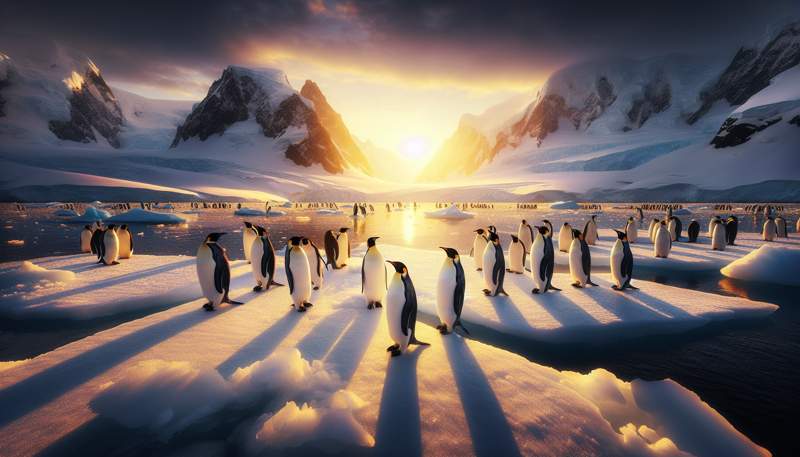
Compare Antarctic expedition routes, penguin viewing, ship and landing questions, packing needs, flexible itineraries, and responsible visitor standards.
Read guide →This guide currently identifies Snow Hill emperor penguin colony (Antarctica), Antarctic Peninsula (Antarctica), Ross Sea region (Antarctica). A species range is not automatically a visitor area, so confirm public access, closures, permits, and wildlife rules with the relevant authority before travelling. No wild sighting is guaranteed.
Our species-level planning note is: Route-specific: specialist Snow Hill voyages generally target the late breeding cycle, while ordinary Peninsula cruises are not emperor-colony trips; ice, weather, permits, and wildlife welfare control every plan. The listed location windows are Snow Hill emperor penguin colony: Late breeding cycle on a specifically advertised, currently authorised itinerary; never a guarantee; Antarctic Peninsula: Austral visitor season for the stated itinerary; choose it for the wider ecosystem, not an emperor promise; Ross Sea region: Only on a route whose operator explains current access, permissions, wildlife plan, and alternatives in writing. Treat these as starting points and verify current weather, access, and local wildlife guidance for the exact destination.
Build a current total from transport, permits or entry fees, guiding or hides, accommodation, insurance, equipment, and enough field sessions for an uncertain sighting. Prices and currencies vary too much by region and date for one daily figure to be reliable; use official booking pages and written operator terms.
Use a currently authorised operator with a route-specific contingency, medical-screening process, evacuation arrangements, biosecurity procedure, and wildlife plan. The emperor-penguin visitor guideline uses a precautionary minimum of 5 metres and 15 metres from commuting routes and ice-edge access points, with more space whenever behaviour or the guide requires it. Do not approach in a circle, block a path, touch, feed, call, crouch, sit, lie down, fly over wildlife, or assume a legal minimum is a photography target. Local rules and ranger instructions take priority over general advice, and a guide should never manufacture proximity by feeding, calling, chasing, or blocking an animal.
Carry a manageable weather-protected camera and practise exposure compensation before the trip, but let the guide choose every viewing position. Do not crouch, sit, lie down, surround birds, block commuting routes, or move closer for a low-angle portrait. A longer lens is useful only when it helps you remain within the current site rule. The image is secondary to legal access, safe distance, natural behaviour, and the privacy of sensitive locations.