Greater Flamingo
Phoenicopterus roseus
About the Greater Flamingo
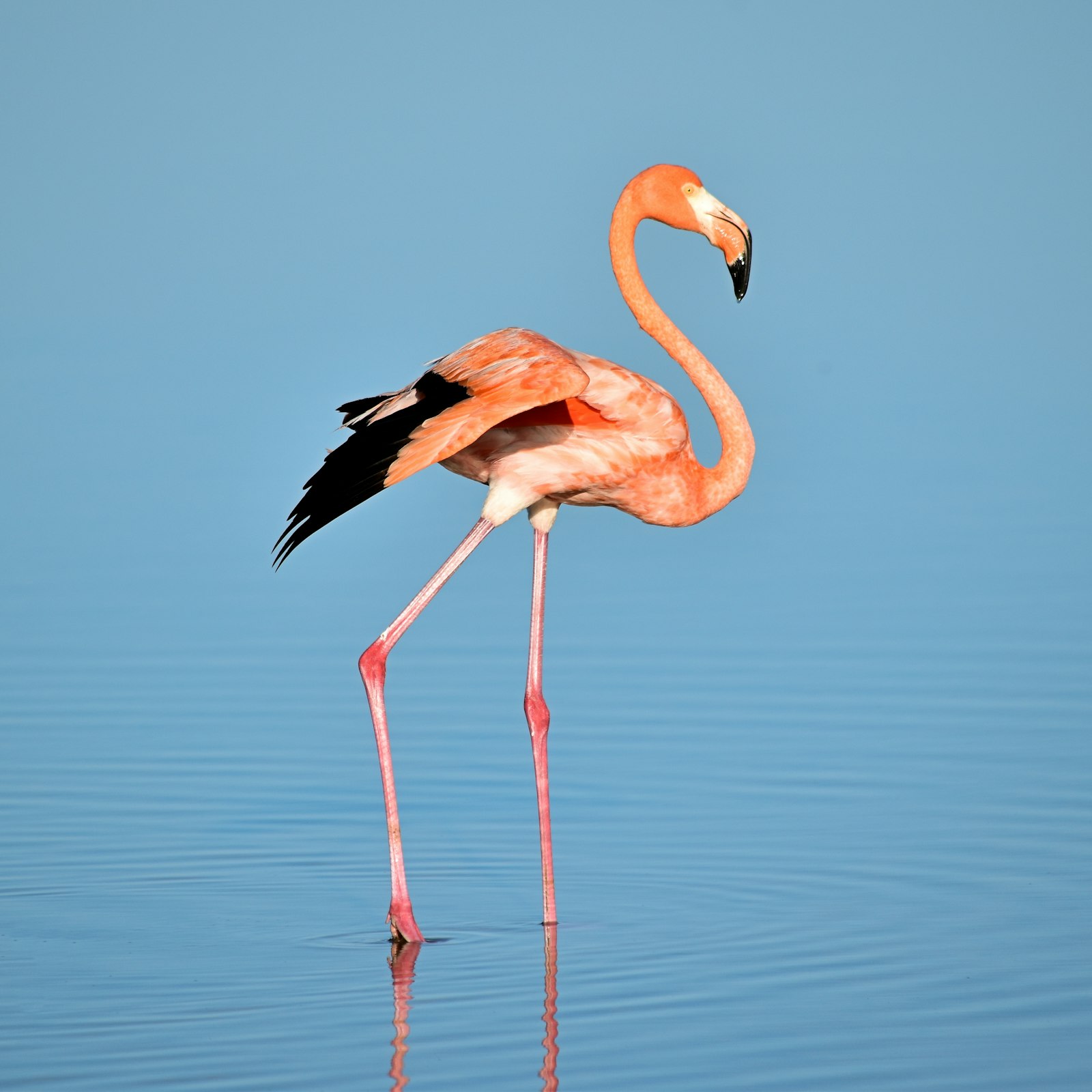
The greater flamingo is the largest and most widespread flamingo species, found from Africa and southern Europe to South Asia. Their iconic pink plumage comes from carotenoid pigments in their diet of brine shrimp and algae — without this diet, they would be white. Vast flocks numbering in the hundreds of thousands create one of the natural world's most spectacular visual displays.
Fun Facts
- Flamingos can only eat with their heads upside down — their beaks are specially designed for filter feeding in this position.
- They can drink boiling-hot water from geothermal springs and survive in highly alkaline lakes that would burn most animals.
- Greater flamingos can live for over 60 years — some captive individuals have reached 80.
Where to See Greater Flamingo in the Wild
Lake Nakuru
KenyaOnce famous for hosting over a million lesser flamingos; greater flamingos still visit regularly.
Camargue
FranceEurope's largest flamingo breeding colony in the Rhône river delta.
Ría Celestún
MexicoBoat tours through mangroves reveal thousands of American flamingos in this Yucatán biosphere reserve.
Featured Destinations to See Greater Flamingo
Compare practical destination guides with seasonal timing, travel logistics, other wildlife, tours, and places to stay.
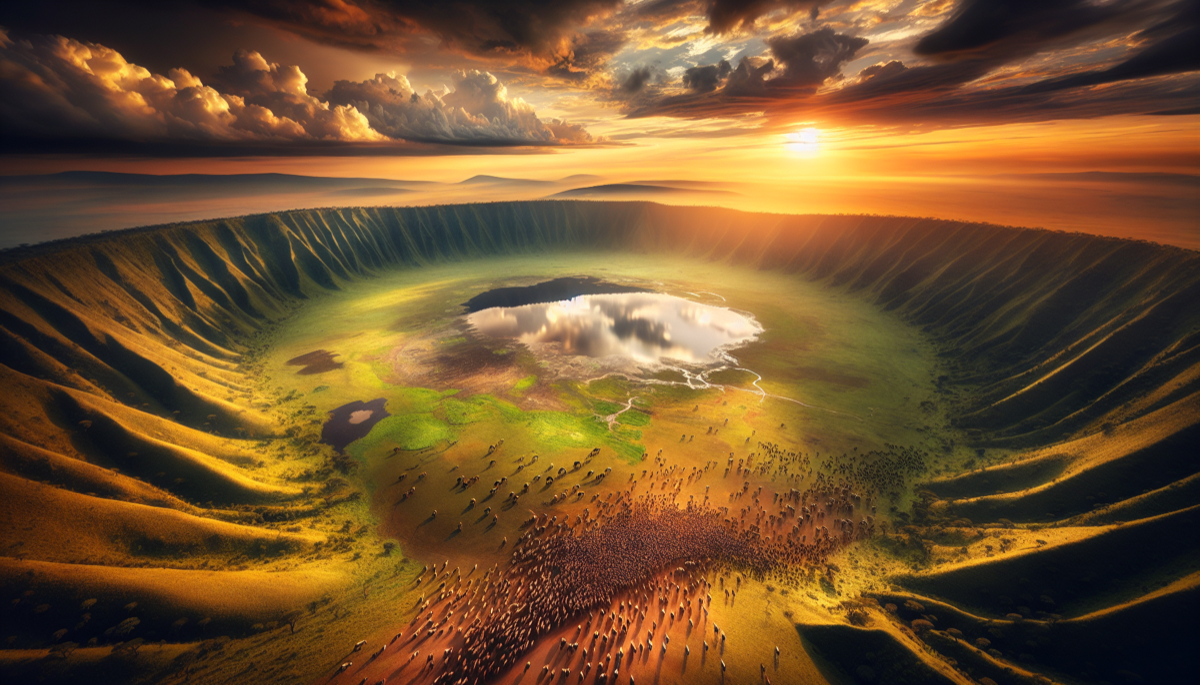
Explore Greater Flamingo by Country
Country guides connect the species with other wildlife, featured places, planning context, and responsible-viewing advice.
Habitats Used by Greater Flamingo
Species may rely on several ecosystems across their range. Explore how conditions and conservation pressures differ.
Where to See Greater Flamingo at Zoos
Slimbridge WWT
Gloucester, UK
Browse Greater Flamingo Tours & Experiences
Current Viator listings matched to this species. Confirm where the activity operates, its wildlife policy, recent reviews, availability, and cancellation terms before booking.

Sunset Catamaran Tour in Playa Flamingo
4 hours
Curaçao Highlights tour: Hato Caves, Flamingos & Beach Time
5 hours
Skip the Line: Flamingo Gardens Admission Ticket in Fort Lauderdale
4 hours
Flamingo Everglades Boat Tours
1h 30m
Flamingo, Guanacaste All Inclusive Catamaran Snorkel Adventure
4 hours
ATV Mountain and Beach Tour from Flamingo Beach
2 hoursSafari Packages to See Greater Flamingo
Safari.com itinerary examples that may include greater flamingo habitat. Request a current quote and confirm the operator, exact route, wildlife policy, recent reviews, and cancellation terms before booking.
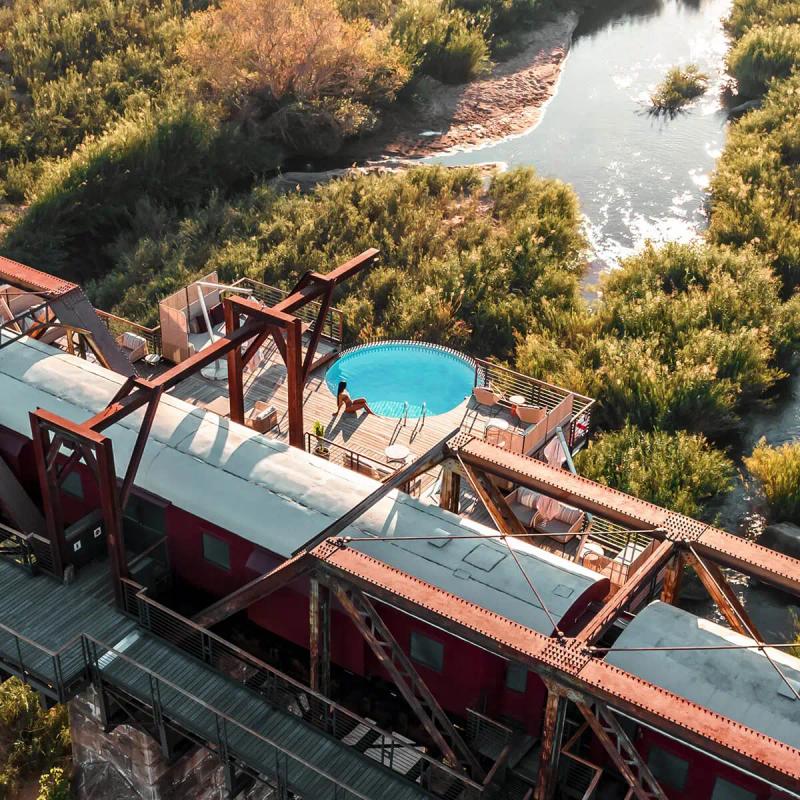
3 Day Unrivaled Views of the Kruger & Sabie River Safari
Experience the Kruger National Park, suspended over the Sabie River.
- 2 nights aboard Kruger Shalati, a luxury train stationed on a bridge over the Sabie River
- Twice-daily game drives in southern Kruger in search of the Big Five
- Swim in the overhanging pool above crocodiles, hippos and elephants
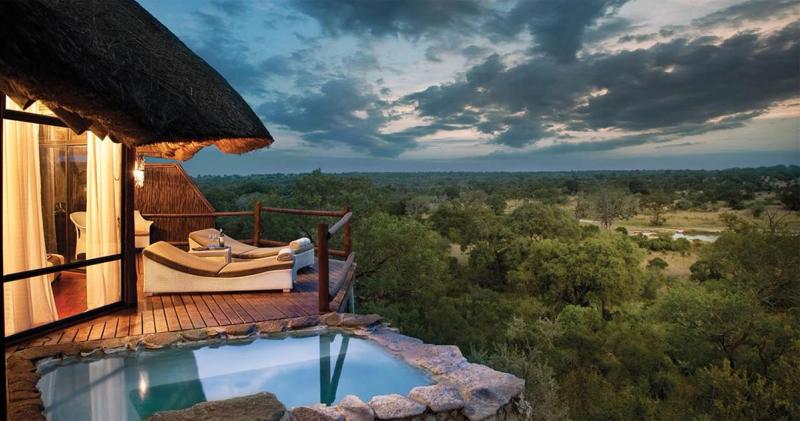
5 Day Luxury Sabi Sands Promotion
Travelling soon? Enjoy a 42% last-minute discounted price when booking this 5-day Premier Sabi Sands luxury safari package. You'll be in the...
- 4 nights at 5-star Leopard Hills Lodge in the Sabi Sands
- Twice-daily game drives with off-roading for close-up Big Five sightings
- Guided bush walks and wildlife photography tips from expert rangers
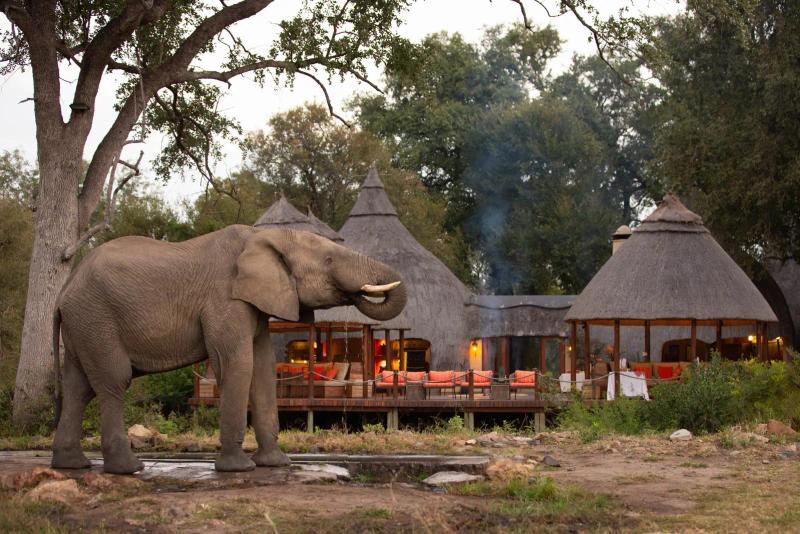
4 Day All-Inclusive Kruger Safari with Hoyo Hoyo
Enjoy an All-inclusive 4-day Kruger National Park safari! Round-trip flights from Johannesburg, airport transfers, luxury accommodation, mea...
- 3 nights at 5-star Hoyo Hoyo Safari Lodge in Kruger National Park
- Twice-daily Big Five game drives in open 4x4 vehicles with ranger and tracker
- Three-course dinner under the stars
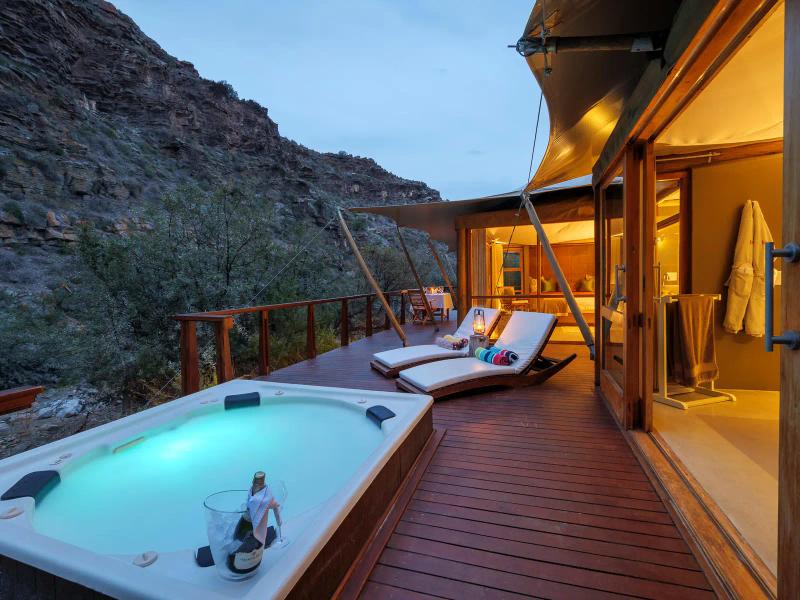
3-Day BIG 5 Safari at Sanbona Wildlife Reserve (Combine with Cape Town)
Experience three days at Sanbona Wildlife Reserve on a 5-star BIG 5 safari - offering an exclusive and unique malaria-free safari, with the ...
- 2 nights at Dwyka Tented Lodge in malaria-free Sanbona Wildlife Reserve
- Big Five game drives across open plains and Cape Fold Mountains
- Guided wilderness walks, ancient San rock art and Karoo stargazing
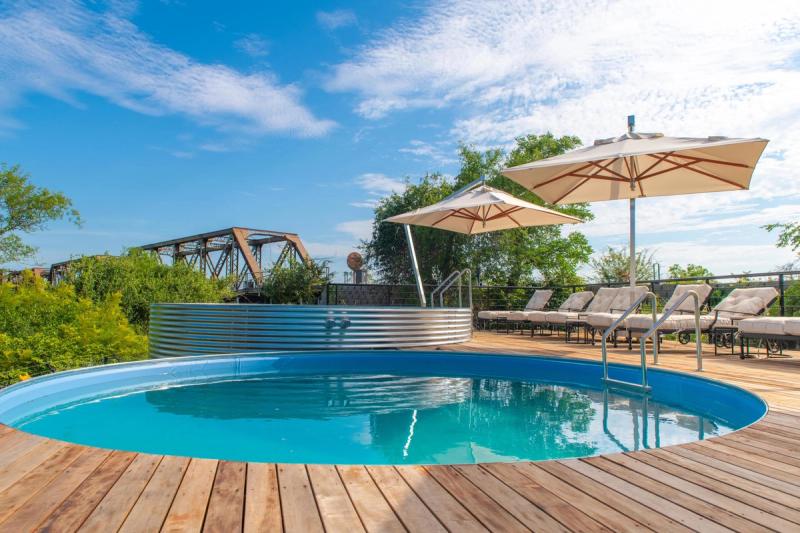
7-Day Kruger Park and Vic Falls Combo
Experience the ultimate safari adventure with a 7-day journey through Kruger National Park and Victoria Falls.
- 3 nights aboard Kruger Shalati, the train on the bridge over the Sabie River
- Twice-daily game drives in open Land Rovers across Kruger National Park
- 3 nights at The Wallow Lodge in Victoria Falls
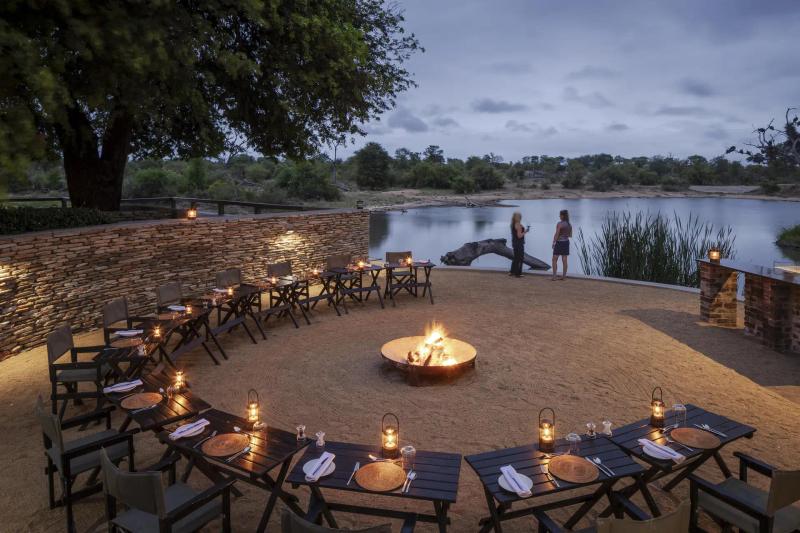
7-Day Fly-In Cape Town to Kruger Luxury Safari
Embark on a luxury safari from the stunning Cape Town Waterfront Village to the deep wilderness of Simbavati Waterside Klaserie Nature Reser...
- 3 nights at Waterfront Village on Cape Town's V&A Marina
- Walking distance to Two Oceans Aquarium, Watershed and Food Market
- Fly to Hoedspruit for 3 nights at Simbavati Waterside Lodge
Photography Tips for Greater Flamingo
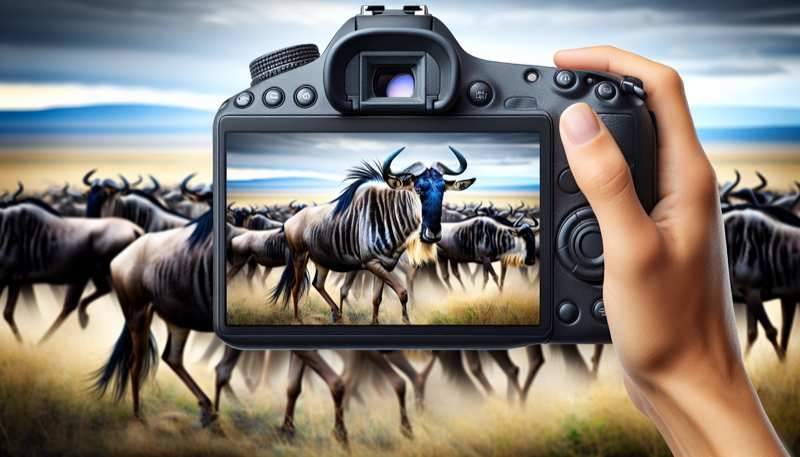
Flamingos are best photographed at dawn and dusk when their pink feathers glow in golden light. Reflections in still water double the impact. Use a 300mm+ lens for individual portraits.
Safety Guide
Flamingos are sensitive to disturbance. Keep quiet and maintain distance — flushing a flock wastes their energy. Use hides and blinds at popular viewing sites for closer observation without disturbance.