Green Sea Turtle
Chelonia mydas
About the Green Sea Turtle
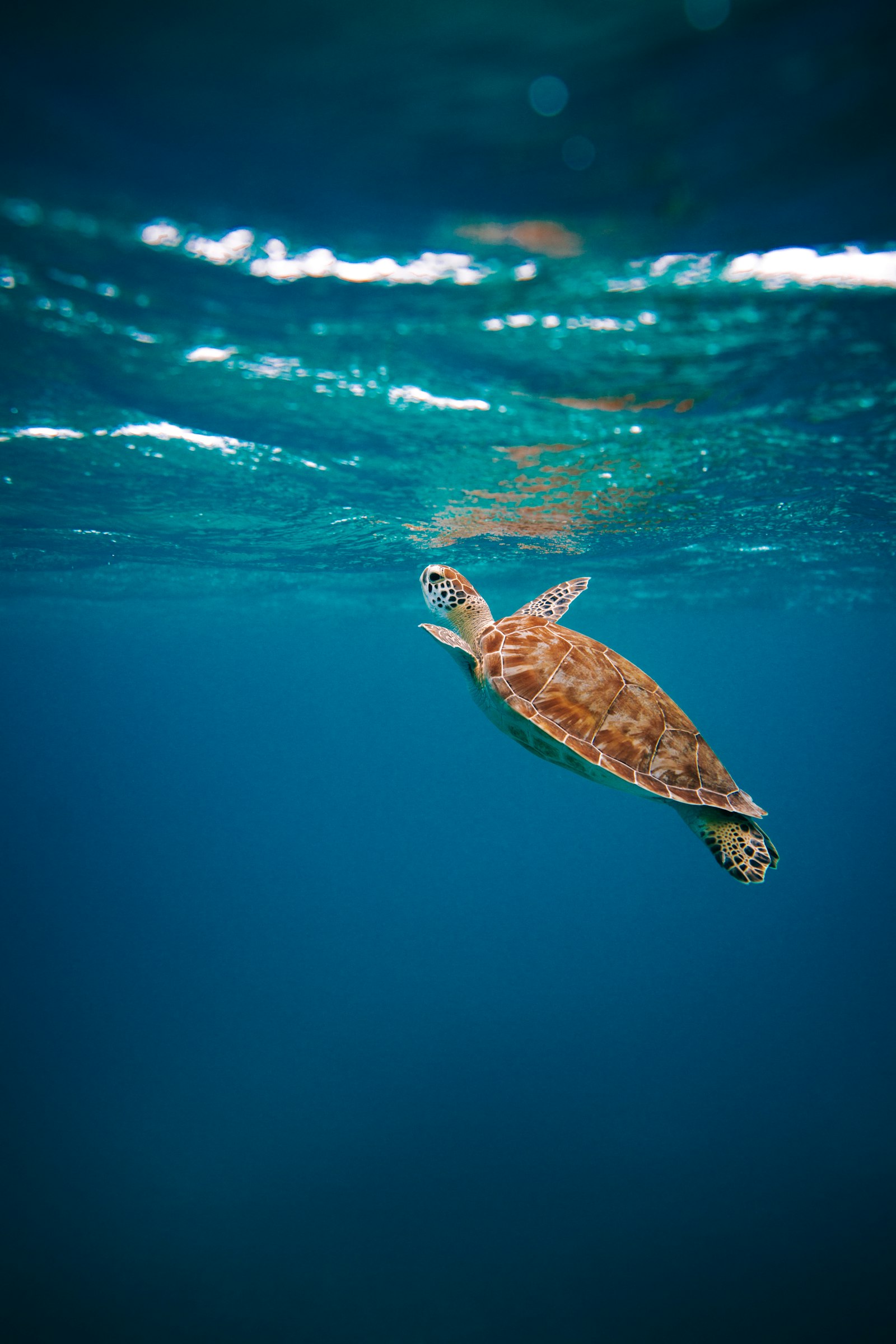
The green sea turtle is one of the largest and most widespread sea turtle species, found in tropical and subtropical oceans worldwide. Named for the green colour of their body fat (from their herbivorous diet of seagrass), these ancient mariners can live for over 80 years and navigate thousands of kilometres to return to the exact beach where they hatched.
Fun Facts
- Green sea turtles can hold their breath for up to 5 hours while sleeping underwater.
- They are the only sea turtle species that is primarily herbivorous as adults, grazing on seagrass and algae.
- Female green sea turtles return to the exact same beach where they were born to lay their eggs — sometimes travelling over 2,000 km.
Where to See Green Sea Turtle in the Wild
Great Barrier Reef
AustraliaSnorkel and dive with green sea turtles on the world's largest coral reef system.
Tortuguero National Park
Costa RicaOne of the most important green sea turtle nesting sites in the Western Hemisphere.
Sipadan Island
MalaysiaWorld-class diving with resident green and hawksbill sea turtles.
Featured Destinations to See Green Sea Turtle
Compare practical destination guides with seasonal timing, travel logistics, other wildlife, tours, and places to stay.
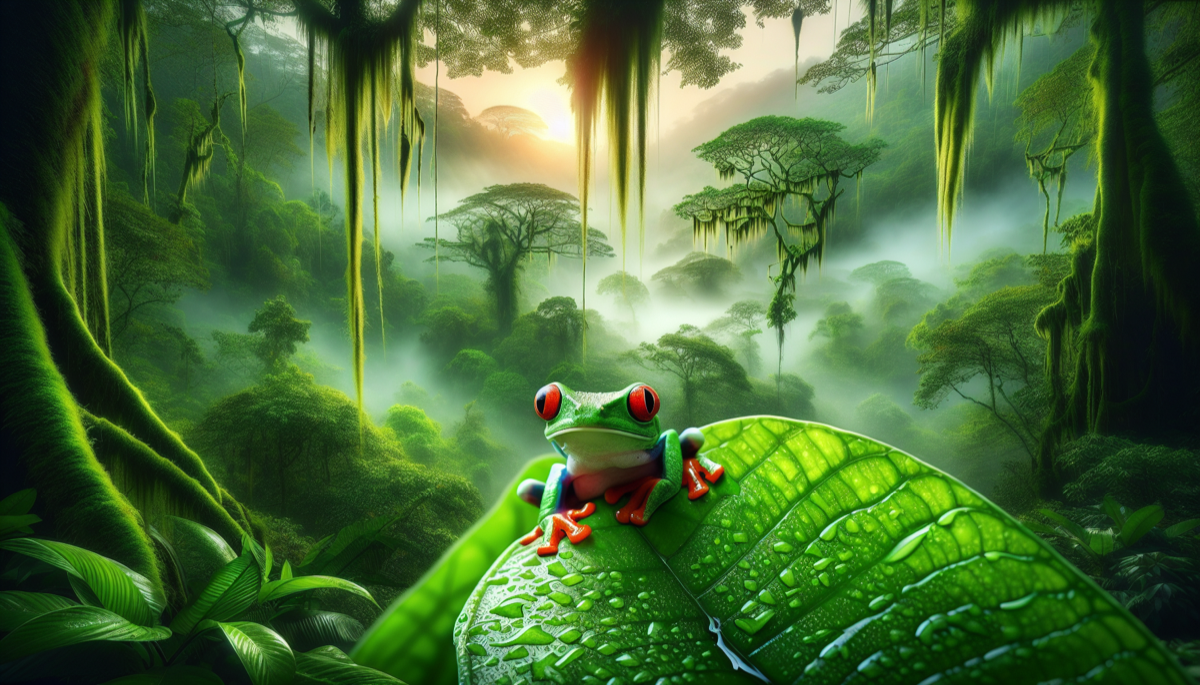
Costa Rica
Costa Rica is one of the most biodiverse countries on Earth, with over 500,000 species packed into a land area smaller than West Virginia. This C...
Plan your visit →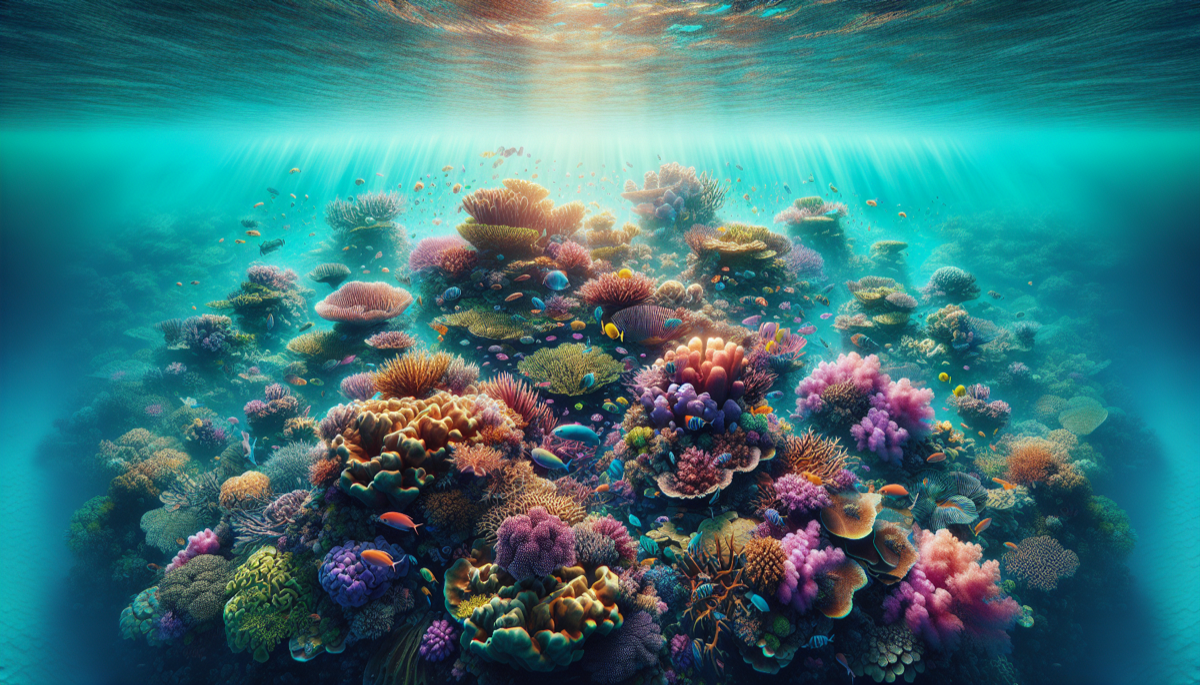
Great Barrier Reef
The Great Barrier Reef is a vast, multi-region marine park and World Heritage Area along Queensland, not one interchangeable Cairns excursion. A ...
Plan your visit →Explore Green Sea Turtle by Country
Country guides connect the species with other wildlife, featured places, planning context, and responsible-viewing advice.
Habitats Used by Green Sea Turtle
Species may rely on several ecosystems across their range. Explore how conditions and conservation pressures differ.
Responsible Green Sea Turtle Experiences
Compare activity formats, physical conditions, operator questions, animal-welfare risks, and relevant destinations before choosing a tour.
Where to See Green Sea Turtle at Zoos
Monterey Bay Aquarium
Monterey, USA
SEA LIFE Sydney Aquarium
Sydney, Australia
Support Independent Conservation Work
These third-party programmes offer relevant ways to adopt symbolically, foster, donate, or learn. We do not process contributions or receive commission.
Sea Turtle Conservancy Adoption
A sea turtle adoption route connected to research, education, advocacy, habitat protection, and tracking projects run by a specialist conservation organisation.
Review programme →Due DiligenceCheck Before You Contribute
Understand symbolic adoption, verify the organisation, and review current terms and use of funds.
Open the programme directory →Browse Green Sea Turtle Tours & Experiences
Current Viator listings matched to this species. Confirm where the activity operates, its wildlife policy, recent reviews, availability, and cancellation terms before booking.

San Juan Guided Turtle Snorkel Tour and Complimentary Videos
1h 30m
Half-Day Sea Turtle and Cenote Snorkeling Tour from Cancun & Riviera Maya
5 hours
Oahu Catamaran Snorkel Tour: See Turtles 100% Guaranteed
2 hours
Turtle Snorkeling Tour in Tres Trapi, Aruba
2 hours
Turtle Town Snorkel With Photo & Video: Turtle Guarantee
2 hours
Oahu 5-in-1 Deluxe Cruise: Turtle Snorkeling & Ocean Activities
3 hoursSafari Packages to See Green Sea Turtle
Safari.com itinerary examples that may include green sea turtle habitat. Request a current quote and confirm the operator, exact route, wildlife policy, recent reviews, and cancellation terms before booking.
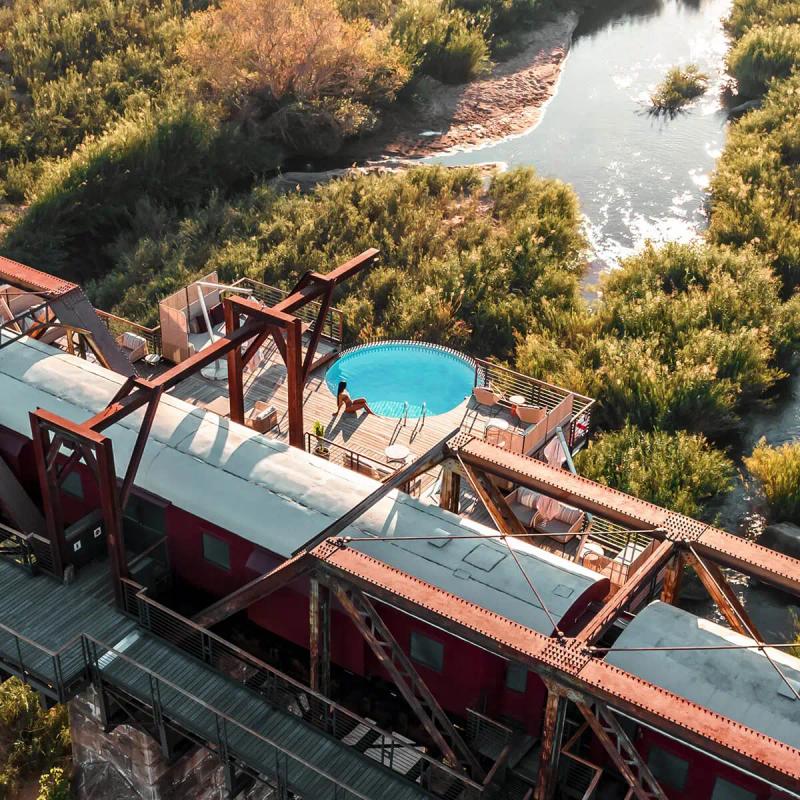
3 Day Unrivaled Views of the Kruger & Sabie River Safari
Experience the Kruger National Park, suspended over the Sabie River.
- 2 nights aboard Kruger Shalati, a luxury train stationed on a bridge over the Sabie River
- Twice-daily game drives in southern Kruger in search of the Big Five
- Swim in the overhanging pool above crocodiles, hippos and elephants
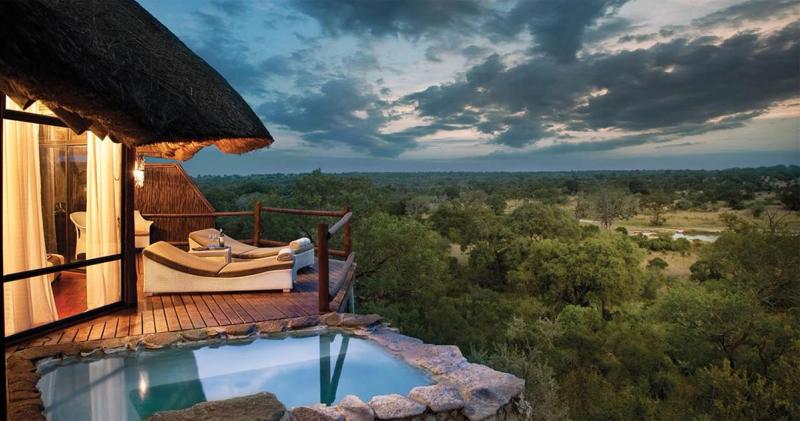
5 Day Luxury Sabi Sands Promotion
Travelling soon? Enjoy a 42% last-minute discounted price when booking this 5-day Premier Sabi Sands luxury safari package. You'll be in the...
- 4 nights at 5-star Leopard Hills Lodge in the Sabi Sands
- Twice-daily game drives with off-roading for close-up Big Five sightings
- Guided bush walks and wildlife photography tips from expert rangers
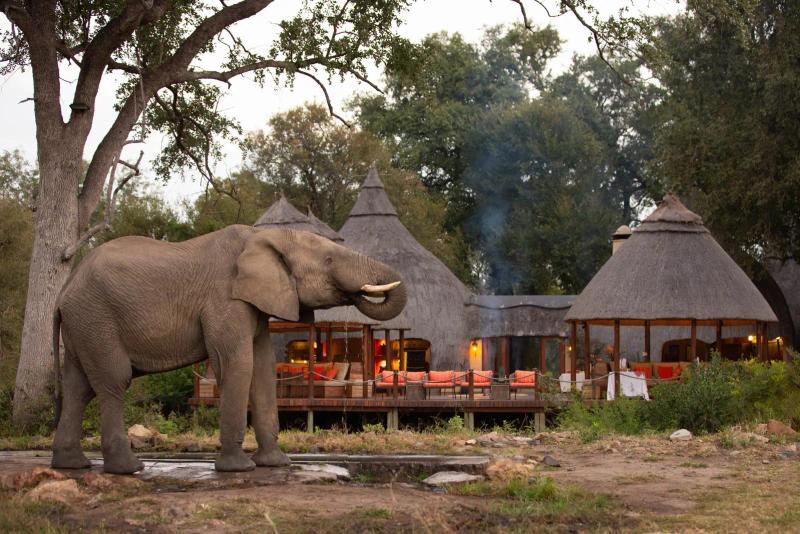
4 Day All-Inclusive Kruger Safari with Hoyo Hoyo
Enjoy an All-inclusive 4-day Kruger National Park safari! Round-trip flights from Johannesburg, airport transfers, luxury accommodation, mea...
- 3 nights at 5-star Hoyo Hoyo Safari Lodge in Kruger National Park
- Twice-daily Big Five game drives in open 4x4 vehicles with ranger and tracker
- Three-course dinner under the stars
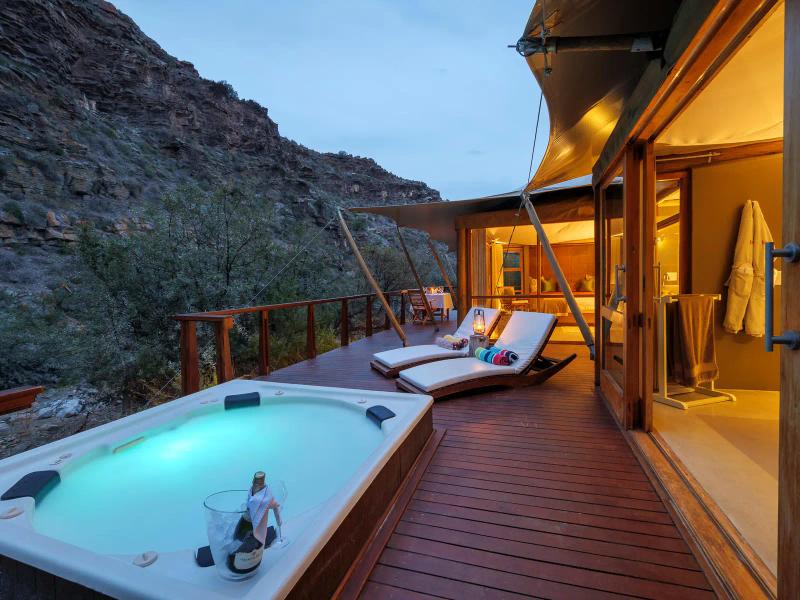
3-Day BIG 5 Safari at Sanbona Wildlife Reserve (Combine with Cape Town)
Experience three days at Sanbona Wildlife Reserve on a 5-star BIG 5 safari - offering an exclusive and unique malaria-free safari, with the ...
- 2 nights at Dwyka Tented Lodge in malaria-free Sanbona Wildlife Reserve
- Big Five game drives across open plains and Cape Fold Mountains
- Guided wilderness walks, ancient San rock art and Karoo stargazing
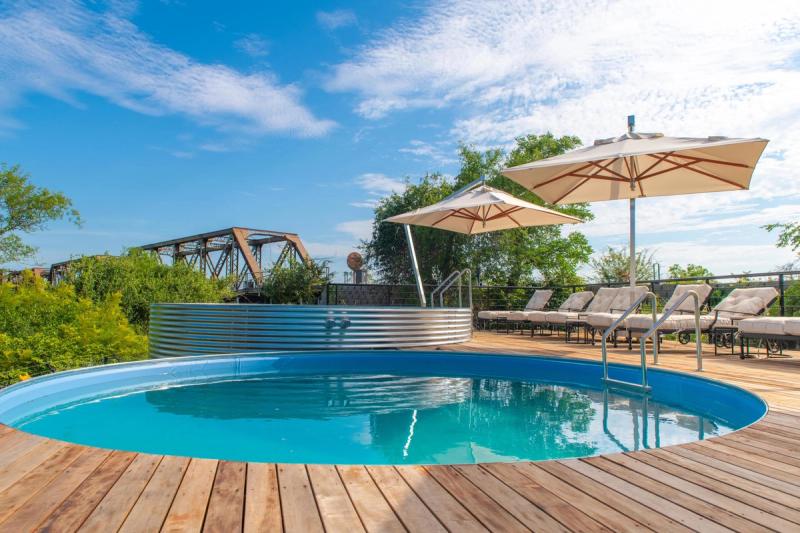
7-Day Kruger Park and Vic Falls Combo
Experience the ultimate safari adventure with a 7-day journey through Kruger National Park and Victoria Falls.
- 3 nights aboard Kruger Shalati, the train on the bridge over the Sabie River
- Twice-daily game drives in open Land Rovers across Kruger National Park
- 3 nights at The Wallow Lodge in Victoria Falls
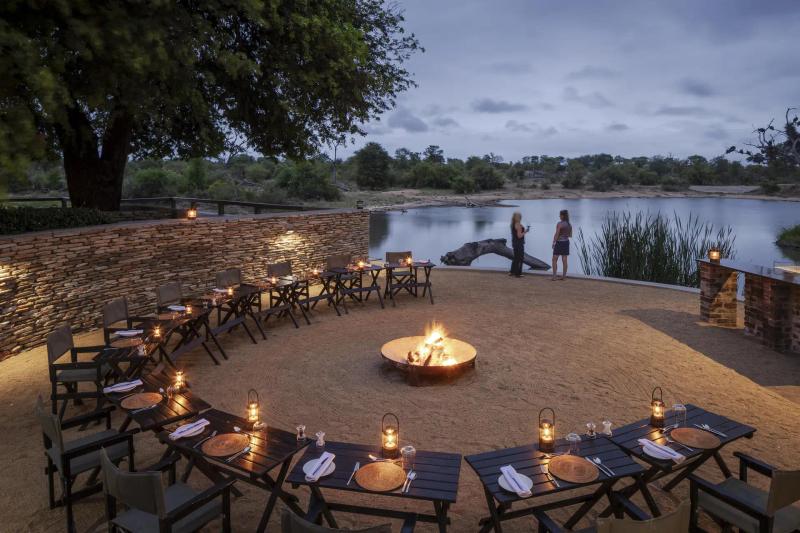
7-Day Fly-In Cape Town to Kruger Luxury Safari
Embark on a luxury safari from the stunning Cape Town Waterfront Village to the deep wilderness of Simbavati Waterside Klaserie Nature Reser...
- 3 nights at Waterfront Village on Cape Town's V&A Marina
- Walking distance to Two Oceans Aquarium, Watershed and Food Market
- Fly to Hoedspruit for 3 nights at Simbavati Waterside Lodge
Photography Tips for Green Sea Turtle
Use a wide-angle lens underwater to capture turtles with their reef habitat. They often rest on the bottom — approach slowly and let them come to you for the best, undisturbed shots.
Safety Guide
Never touch, chase, or ride sea turtles. Maintain a respectful distance while snorkeling. Use reef-safe sunscreen. During nesting season, follow guide instructions and avoid using lights on the beach.