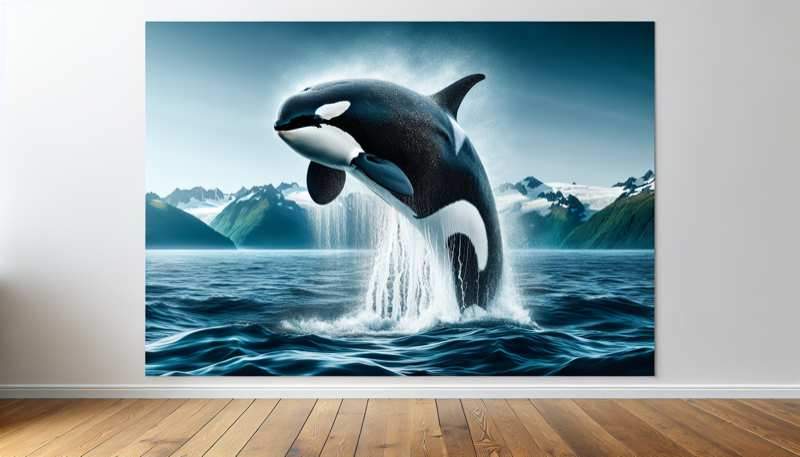
Orca (Killer Whale)
Orcinus orca
About the Orca (Killer Whale)
Orcas are the ocean's apex predators and the largest members of the dolphin family. They live in complex matriarchal pods with distinct cultures, dialects, and hunting techniques. Some populations specialize in salmon, others in seals, and some even hunt great white sharks.
Biology & Stats
Migration: Some resident, others travel 9,000+ km following prey.
Best time of day: Active throughout daylight.
Typical viewing distance: 50-200 metres from boats
Camera settings: 1/1000s-1/2000s, f/5.6-f/8, ISO 400-1600, 100-400mm from boats
Fun Facts
- Orcas are actually the largest species of dolphin, not whale.
- Each orca pod has its own distinct dialect of clicks and calls.
- There has never been a confirmed fatal orca attack on a human in the wild.
Where to See Orca (Killer Whale) in the Wild
San Juan Islands
USAResident orca pods in the Salish Sea (though populations are declining).
Tromso
NorwayOrcas follow herring into fjords in winter for spectacular viewing.
Valdes Peninsula
ArgentinaOrcas beach themselves to catch sea lion pups — unique predatory behaviour.
Featured Destinations to See Orca (Killer Whale)
Compare practical destination guides with seasonal timing, travel logistics, other wildlife, tours, and places to stay.
Explore Orca (Killer Whale) by Country
Country guides connect the species with other wildlife, featured places, planning context, and responsible-viewing advice.
Habitats Used by Orca (Killer Whale)
Species may rely on several ecosystems across their range. Explore how conditions and conservation pressures differ.
Responsible Orca (Killer Whale) Experiences
Compare activity formats, physical conditions, operator questions, animal-welfare risks, and relevant destinations before choosing a tour.
Whale Watching
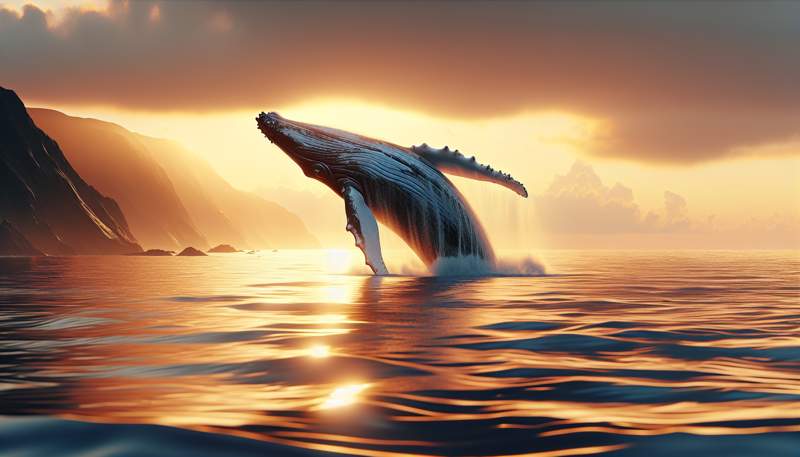
Whale watching can mean a short coastal boat trip, a shore-based migration watch, or several days at sea in a remote region. Success depends on…
Plan the experience →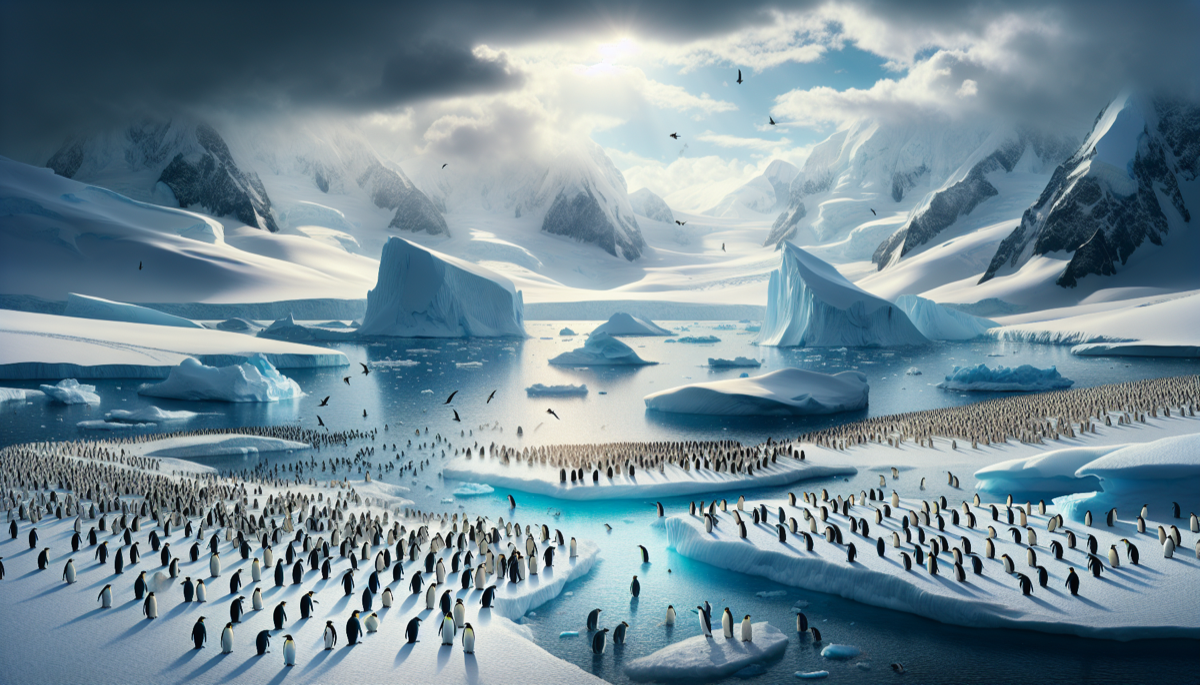
Polar Wildlife Expeditions
Polar wildlife travel covers two different ends of the planet. Arctic trips may search for polar bears, walruses, whales, and tundra wildlife around…
Plan the experience →Support Independent Conservation Work
These third-party programmes offer relevant ways to adopt symbolically, foster, donate, or learn. We do not process contributions or receive commission.
Whale and Dolphin Conservation Support
A support route for whale and dolphin conservation, campaigning, research, rescue, education, action against entanglement and captivity, and work for healthier seas.
Review programme →Due DiligenceCheck Before You Contribute
Understand symbolic adoption, verify the organisation, and review current terms and use of funds.
Open the programme directory →Plan a Orca (Killer Whale) Wildlife Trip
Only species-relevant partner routes are shown. Confirm the exact location, wildlife policy, availability, current price, and cancellation terms before booking.
Guided Tours & Experiences
These links open third-party searches. Verify the exact operator, route, guide team, wildlife policy, field time, and no-sighting terms.
Hotels & Accommodation
Search stays only after the gateway and field route are confirmed.
Flights
Compare current routes, baggage rules, buffers, and total booking terms.
Travel Insurance
Check medical, cancellation, activity, altitude, equipment, and evacuation terms for the exact itinerary.
Camera & Gear
Match equipment to guide advice, distance, weather, baggage limits, and safe handling.
Photography Tips for Orca (Killer Whale)
A 300mm+ lens captures dorsal fins and breaches. Polarizing filters reduce glare on water. Be ready for fast action.
Safety Guide
Orcas are not dangerous to humans in the wild. Maintain legal distance from boats. Do not attempt to swim with wild orcas unless on a permitted tour.
You Might Also Like
Watch in the Wild
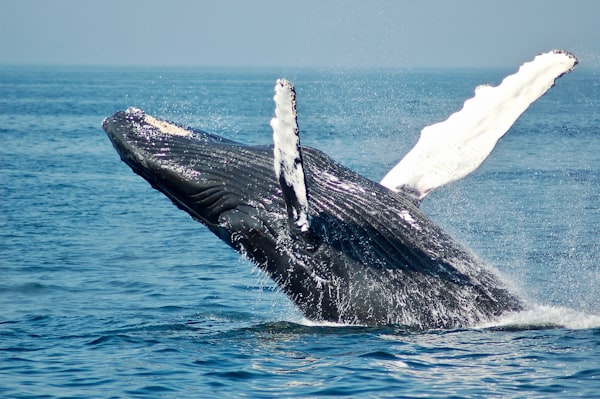
Orcas: Wolves of the Sea
