Marine Life
Best Whale Watching Destinations Around the World
Compare whale watching destinations by species, season, sea conditions, tour format, encounter standards, accessibility, and conservation context.
Read guide →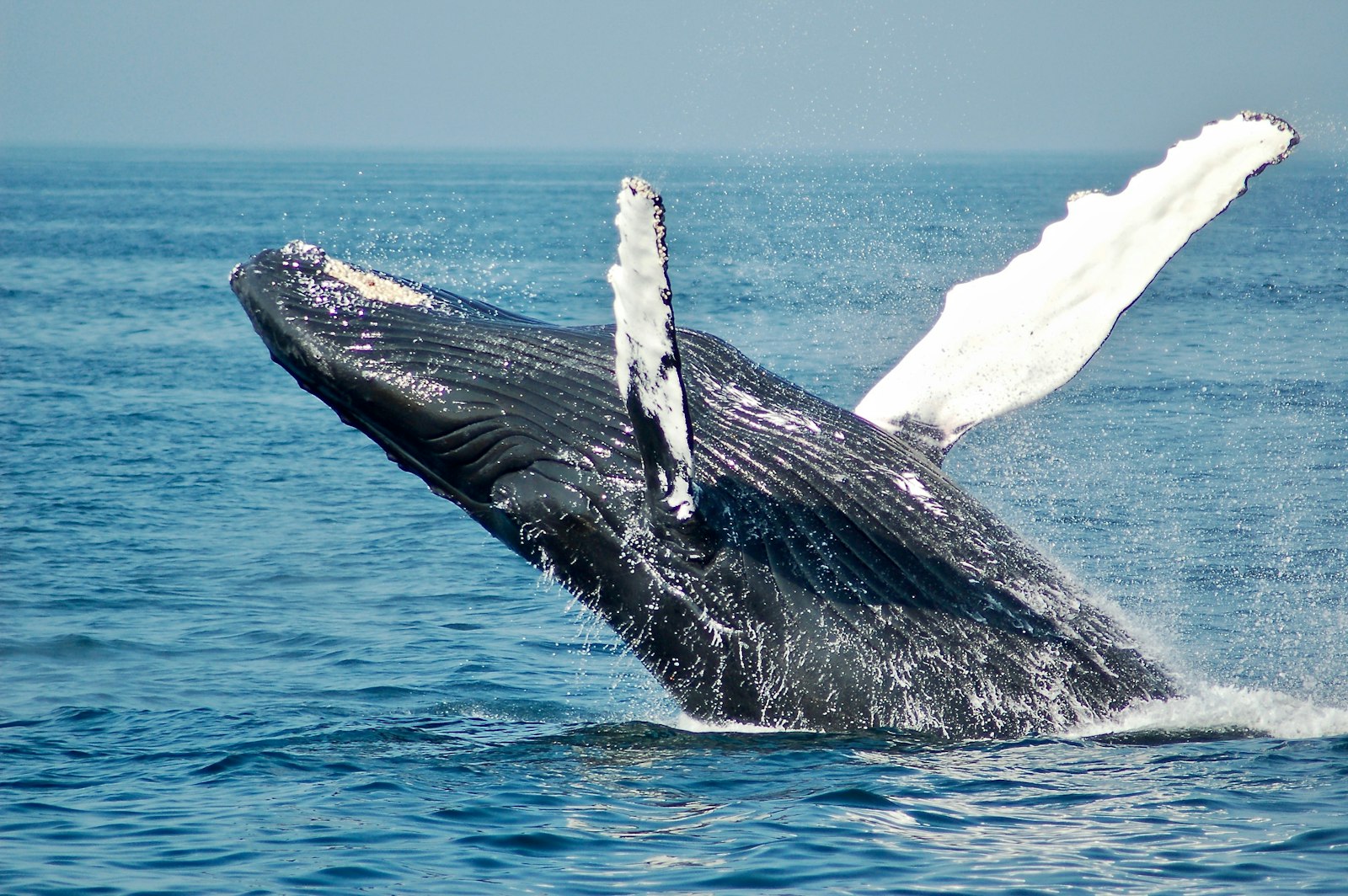
Megaptera novaeangliae
Humpback whales are famous for their spectacular breaching, complex songs, and epic annual migrations of up to 25,000 km. Males produce haunting songs that can last for hours and travel vast distances through the ocean. Their massive pectoral fins — the longest of any whale — span up to 5 metres.
Migration: One of longest mammal migrations: 5,000-8,000 km each way.
Best time of day: Active throughout daylight. Breaching can happen anytime.
Typical viewing distance: 50-100 metres from boats (legal minimum)
Camera settings: 1/1000s-1/2000s for breaching, f/5.6-f/8, ISO 400-1600, 70-200mm from boats
One of the world's premier humpback whale watching destinations.
Shore-based whale watching capital of the world.
One of the few places you can legally swim with humpback whales.
Compare practical destination guides with seasonal timing, travel logistics, other wildlife, tours, and places to stay.
The Ningaloo Coast World Heritage property combines a near-shore coral reef, open ocean, beaches, Cape Range, and an arid coastline in remote Wes...
Plan your visit →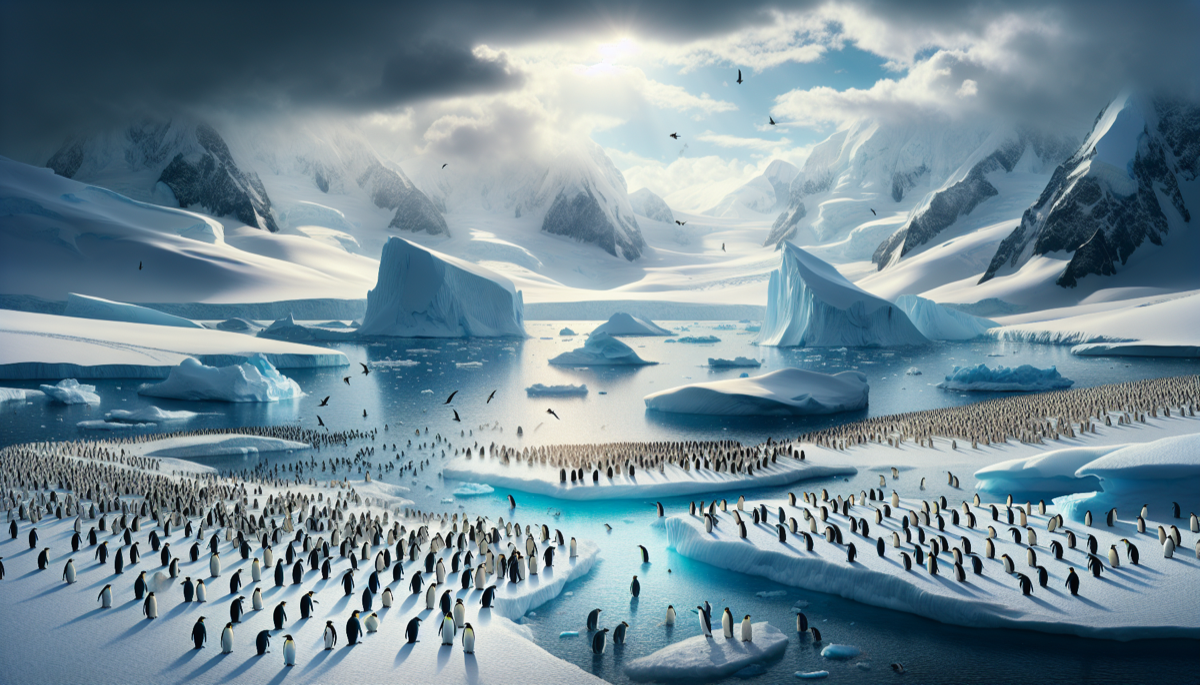
Antarctica is not one interchangeable cruise destination. Most visitors travel by expedition vessel to the Antarctic Peninsula during the austral...
Plan your visit →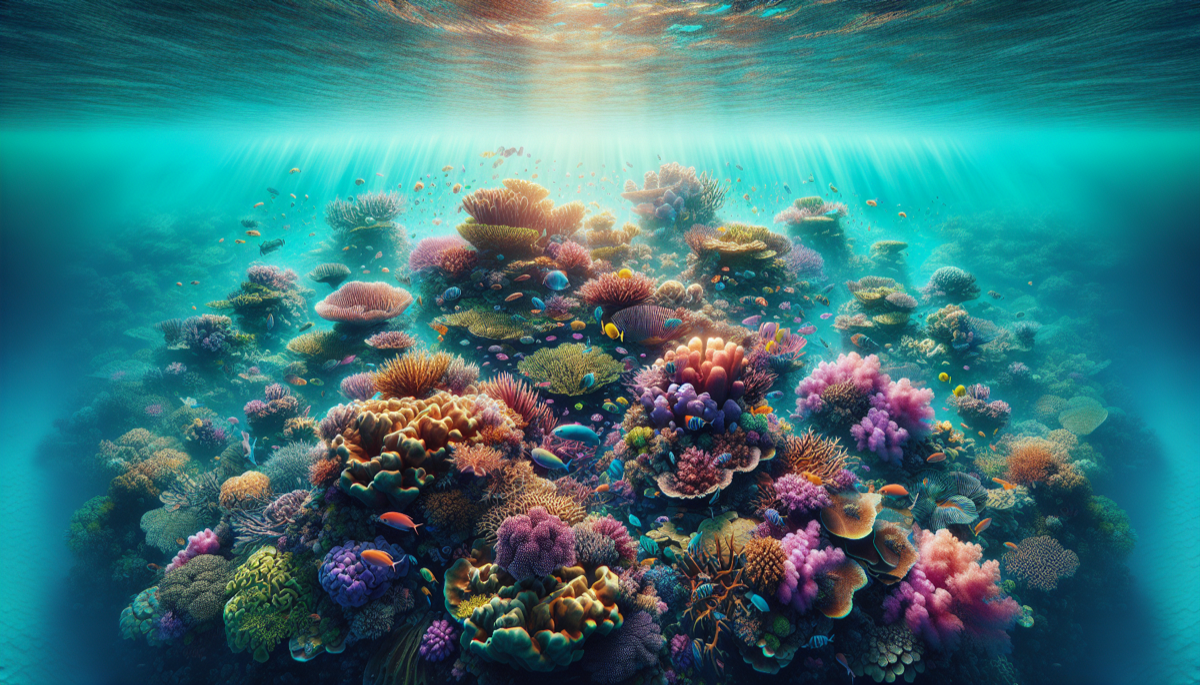
The Great Barrier Reef is a vast, multi-region marine park and World Heritage Area along Queensland, not one interchangeable Cairns excursion. A ...
Plan your visit →Country guides connect the species with other wildlife, featured places, planning context, and responsible-viewing advice.
Species may rely on several ecosystems across their range. Explore how conditions and conservation pressures differ.
Compare activity formats, physical conditions, operator questions, animal-welfare risks, and relevant destinations before choosing a tour.
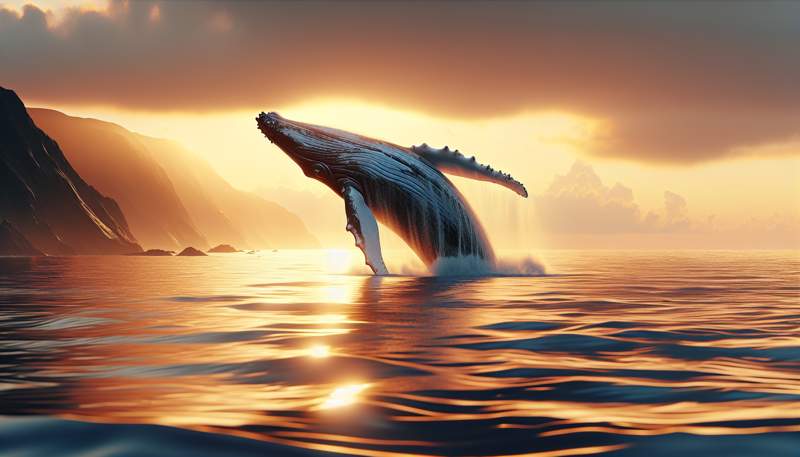
Whale watching can mean a short coastal boat trip, a shore-based migration watch, or several days at sea in a remote region. Success depends on…
Plan the experience →Polar wildlife travel covers two different ends of the planet. Arctic trips may search for polar bears, walruses, whales, and tundra wildlife around…
Plan the experience →
A wildlife photography tour should improve access, fieldcraft, and learning without turning animal welfare into a competition for the closest frame.…
Plan the experience →These third-party programmes offer relevant ways to adopt symbolically, foster, donate, or learn. We do not process contributions or receive commission.
A support route for whale and dolphin conservation, campaigning, research, rescue, education, action against entanglement and captivity, and work for healthier seas.
Review programme →Due DiligenceUnderstand symbolic adoption, verify the organisation, and review current terms and use of funds.
Open the programme directory →Current Viator listings matched to this species. Confirm where the activity operates, its wildlife policy, recent reviews, availability, and cancellation terms before booking.


Only species-relevant partner routes are shown. Confirm the exact location, wildlife policy, availability, current price, and cancellation terms before booking.
These links open third-party searches. Verify the exact operator, route, guide team, wildlife policy, field time, and no-sighting terms.
Search stays only after the gateway and field route are confirmed.
Compare current routes, baggage rules, buffers, and total booking terms.
Check medical, cancellation, activity, altitude, equipment, and evacuation terms for the exact itinerary.
Match equipment to guide advice, distance, weather, baggage limits, and safe handling.
Safari.com itinerary examples that may include humpback whale habitat. Request a current quote and confirm the operator, exact route, wildlife policy, recent reviews, and cancellation terms before booking.
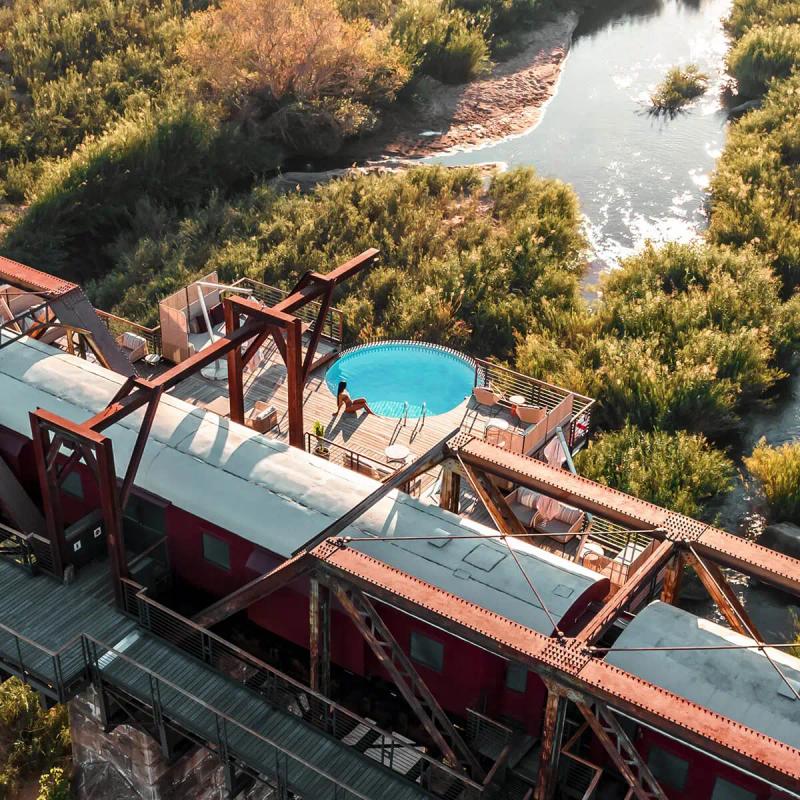
Experience the Kruger National Park, suspended over the Sabie River.
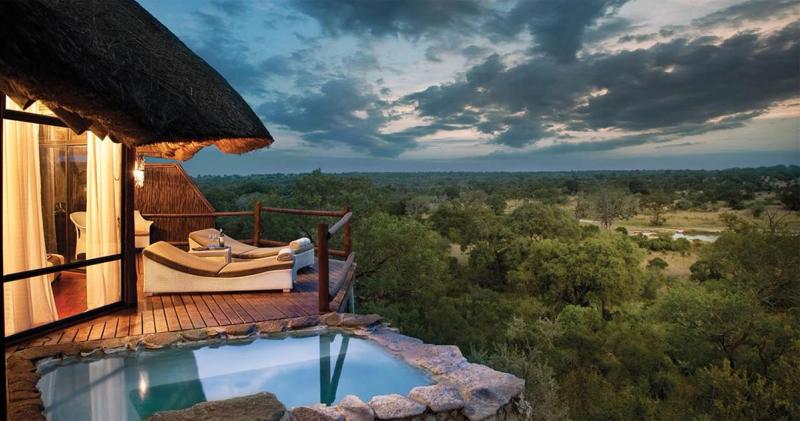
Travelling soon? Enjoy a 42% last-minute discounted price when booking this 5-day Premier Sabi Sands luxury safari package. You'll be in the...
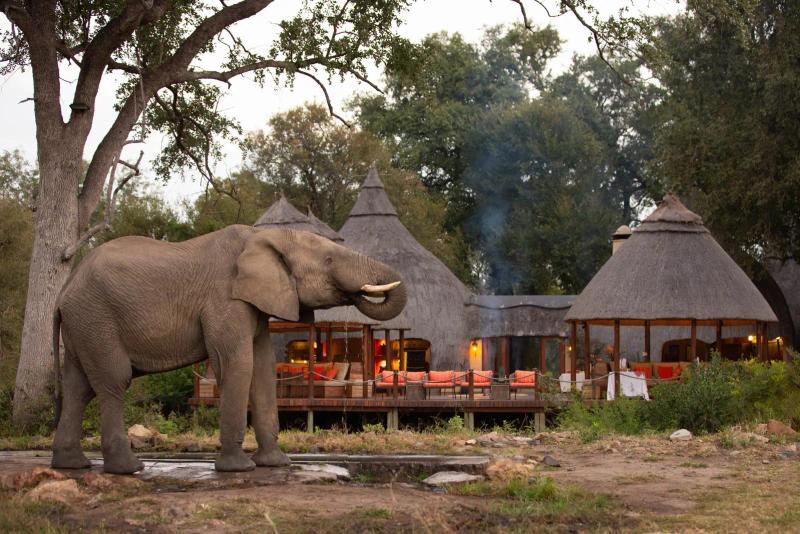
Enjoy an All-inclusive 4-day Kruger National Park safari! Round-trip flights from Johannesburg, airport transfers, luxury accommodation, mea...
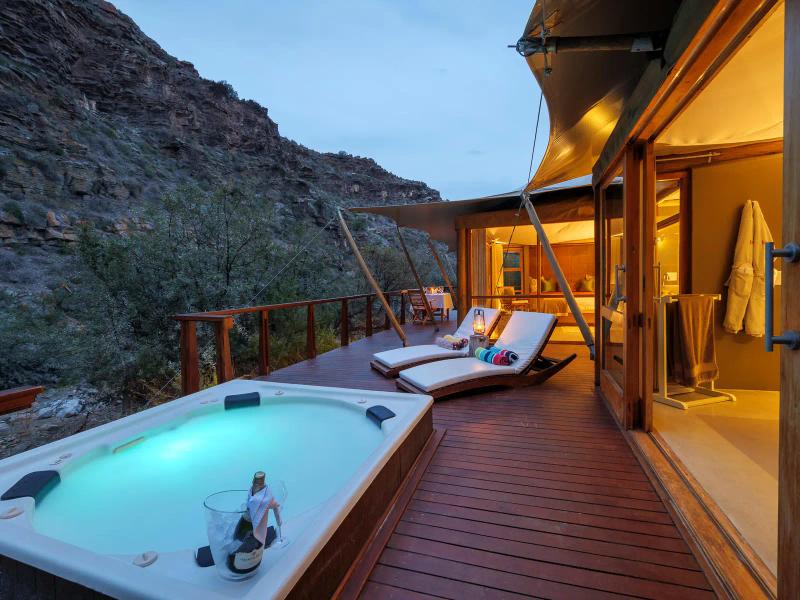
Experience three days at Sanbona Wildlife Reserve on a 5-star BIG 5 safari - offering an exclusive and unique malaria-free safari, with the ...
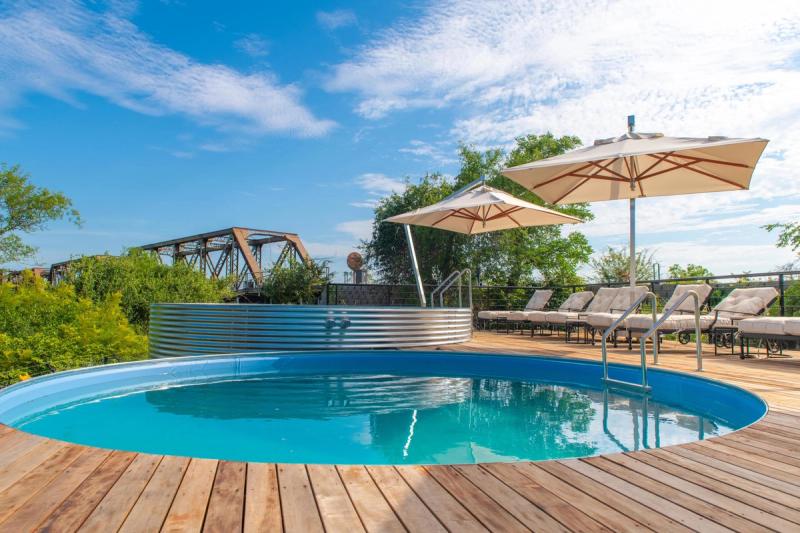
Experience the ultimate safari adventure with a 7-day journey through Kruger National Park and Victoria Falls.
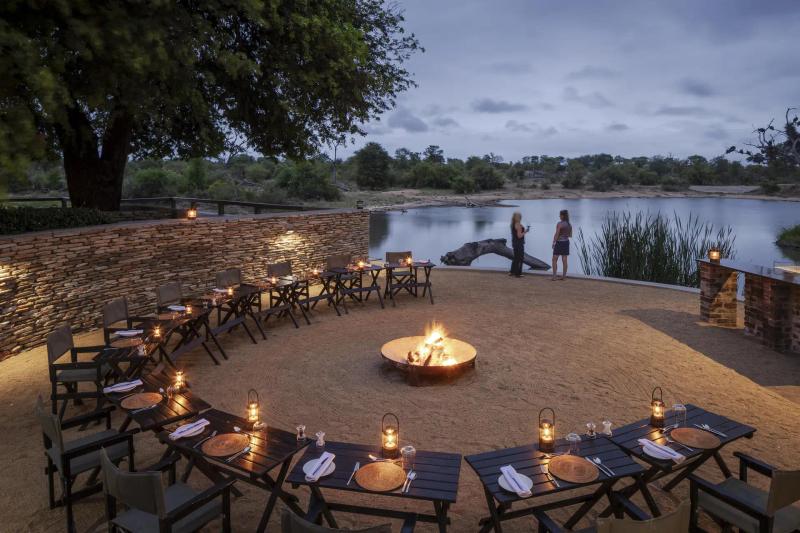
Embark on a luxury safari from the stunning Cape Town Waterfront Village to the deep wilderness of Simbavati Waterside Klaserie Nature Reser...
A 100-400mm zoom lens is ideal for surface shots from boats. Keep your camera ready — breaches happen fast. Use burst mode.
Maintain the legally required distance (varies by country, typically 100m). Never chase or encircle whales. If a whale approaches your boat, put engines in neutral.
Use these in-depth guides to compare destinations, timing, costs, photography, and responsible wildlife-viewing choices.
Compare whale watching destinations by species, season, sea conditions, tour format, encounter standards, accessibility, and conservation context.
Read guide →Compare whale watching regions by species, season, sea conditions, boat access, encounter rules, and responsible operator practices before planning a trip.
Read guide →