Marine Life
Great White Shark Diving in South Africa: Planning Guide
Plan South African shark diving by comparing locations, seasons, cage and vessel safety, operator conduct, weather risk, costs, and conservation context.
Read guide →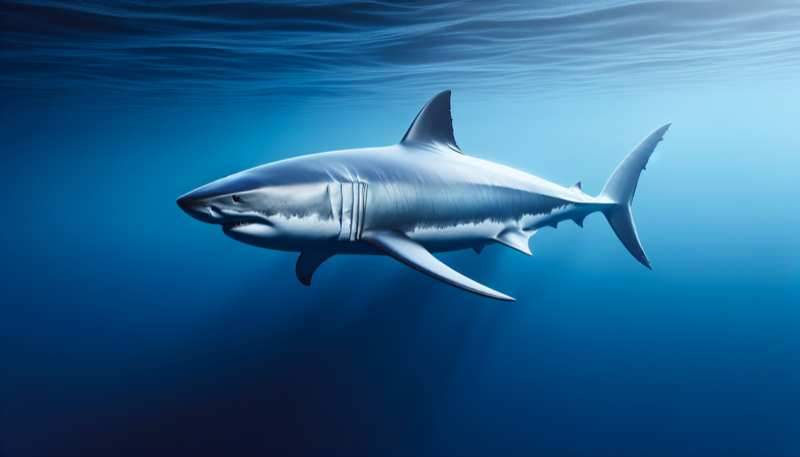
Carcharodon carcharias
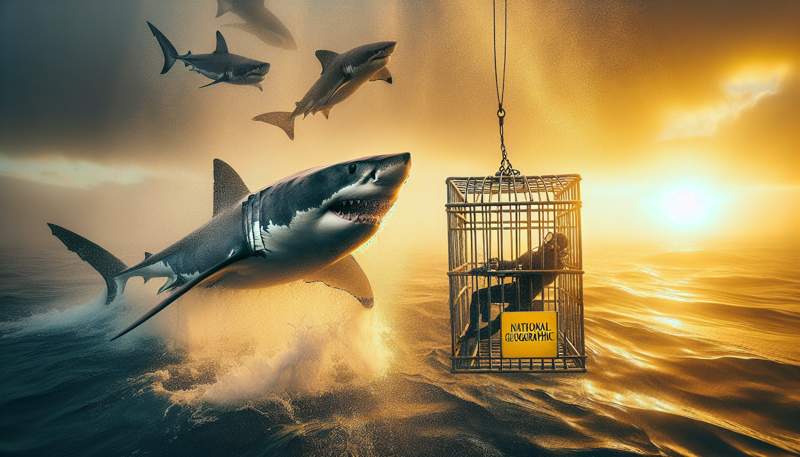
The great white shark is the ocean's most iconic predator, capable of reaching 6 metres in length and weighing over 2 tonnes. Despite their fearsome reputation, attacks on humans are rare — great whites are curious explorers, and most bites are investigatory. Cage diving has become a major ecotourism industry.
The cage diving capital of the world, near "Shark Alley".
Crystal-clear waters offer the best visibility for cage diving with great whites.
Premium cage diving with excellent white shark encounters.
Country guides connect the species with other wildlife, featured places, planning context, and responsible-viewing advice.
Species may rely on several ecosystems across their range. Explore how conditions and conservation pressures differ.
These third-party programmes offer relevant ways to adopt symbolically, foster, donate, or learn. We do not process contributions or receive commission.
A set of worldwide digital shark adoption packs connected to the Shark Trust's conservation campaigns, science, fisheries work, and public education.
Review programme →Due DiligenceUnderstand symbolic adoption, verify the organisation, and review current terms and use of funds.
Open the programme directory →Current Viator listings matched to this species. Confirm where the activity operates, its wildlife policy, recent reviews, availability, and cancellation terms before booking.


Safari.com itinerary examples that may include great white shark habitat. Request a current quote and confirm the operator, exact route, wildlife policy, recent reviews, and cancellation terms before booking.
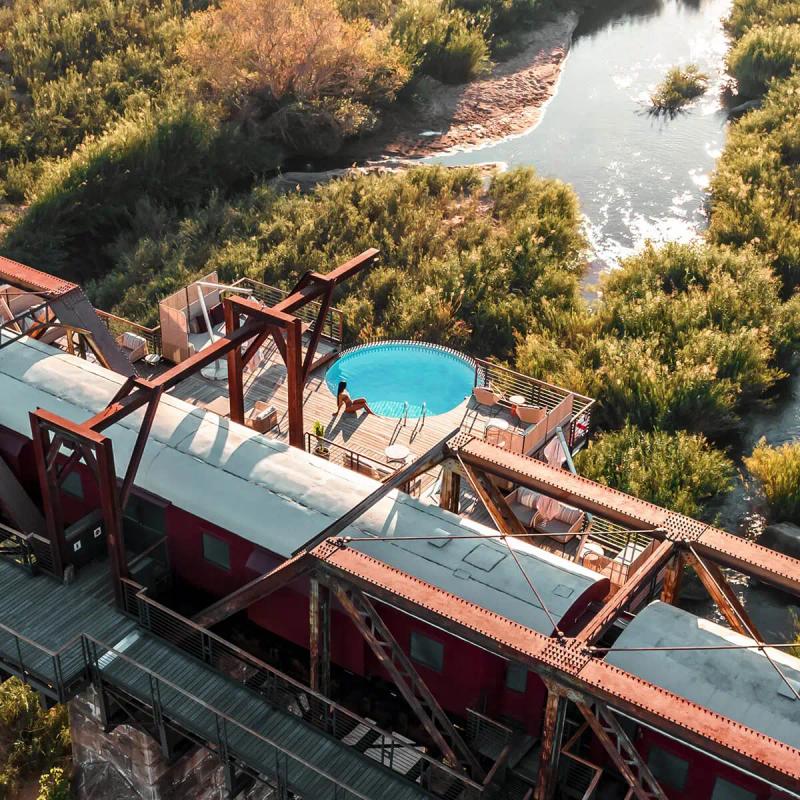
Experience the Kruger National Park, suspended over the Sabie River.
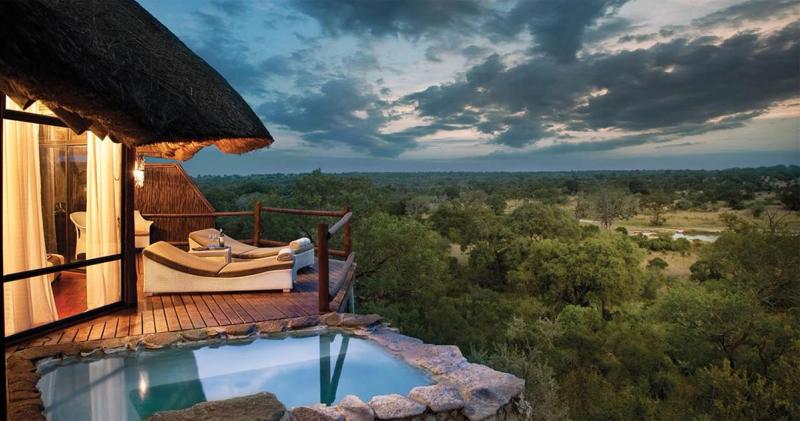
Travelling soon? Enjoy a 42% last-minute discounted price when booking this 5-day Premier Sabi Sands luxury safari package. You'll be in the...
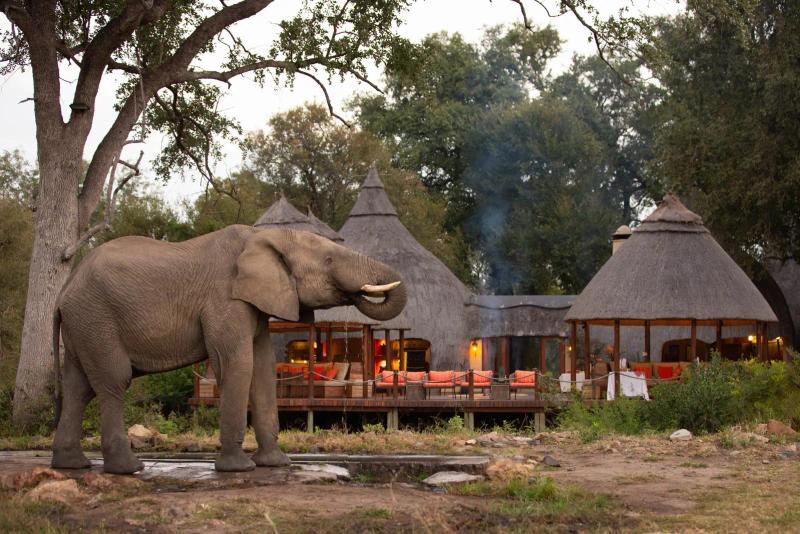
Enjoy an All-inclusive 4-day Kruger National Park safari! Round-trip flights from Johannesburg, airport transfers, luxury accommodation, mea...
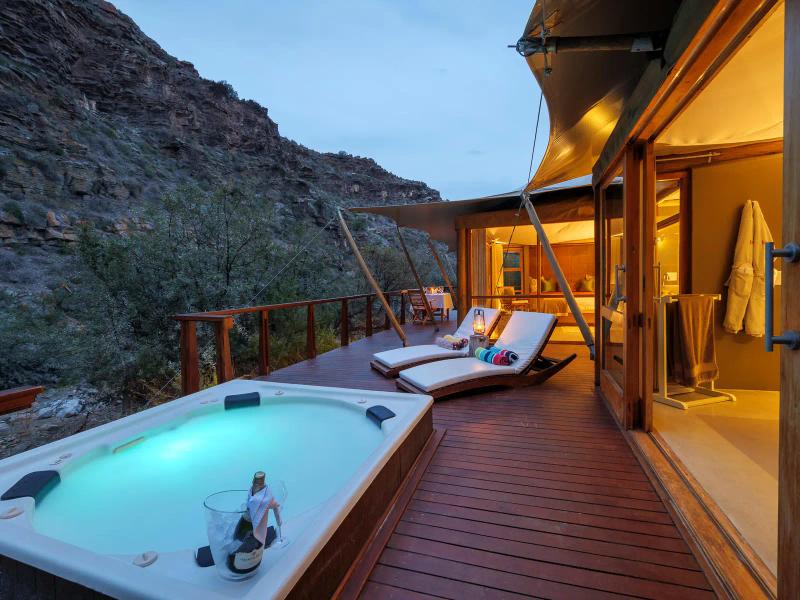
Experience three days at Sanbona Wildlife Reserve on a 5-star BIG 5 safari - offering an exclusive and unique malaria-free safari, with the ...
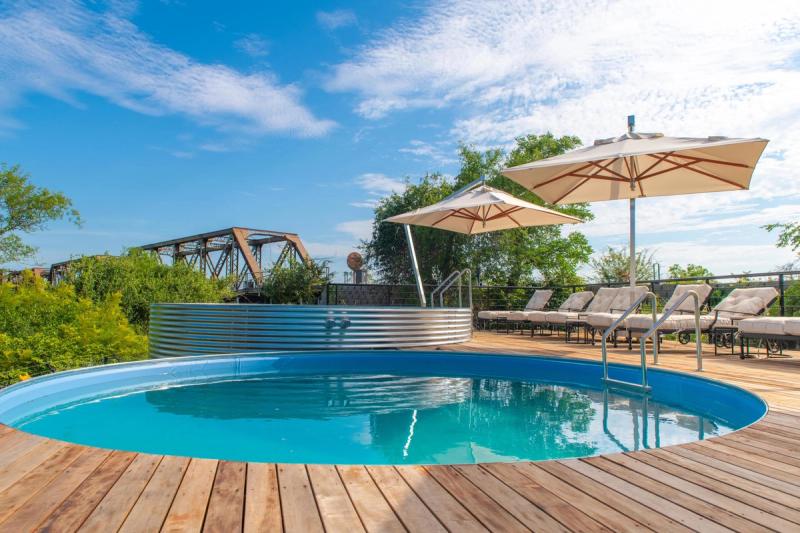
Experience the ultimate safari adventure with a 7-day journey through Kruger National Park and Victoria Falls.
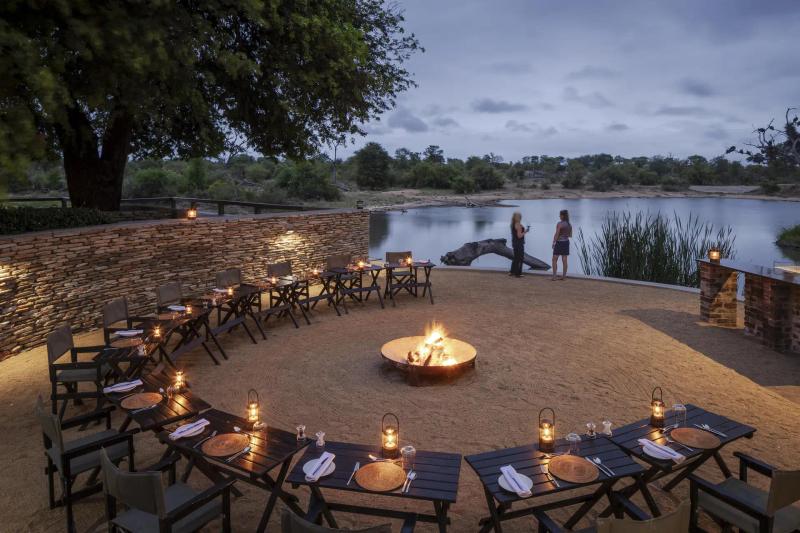
Embark on a luxury safari from the stunning Cape Town Waterfront Village to the deep wilderness of Simbavati Waterside Klaserie Nature Reser...
From a cage, use a wide-angle lens with underwater housing. Water visibility varies — higher ISO may be needed. Pre-focus your lens to reduce shutter lag.
Only view great whites from certified cage diving operators. Do not swim in known great white territories during dawn, dusk, or near seal colonies.
See how Great White Shark compares to other animals
Use these in-depth guides to compare destinations, timing, costs, photography, and responsible wildlife-viewing choices.
Plan South African shark diving by comparing locations, seasons, cage and vessel safety, operator conduct, weather risk, costs, and conservation context.
Read guide →