Where to See
Where to See Pangolins Responsibly
Compare wild pangolin tracking, safari possibilities, education centres, tour red flags, location privacy, trafficking response, and conservation support.
Read guide →Family Manidae — eight living species
Pangolins are eight scale-covered mammal species: four in Africa and four in Asia. Depending on the species, they use forests, woodlands, savannas, grasslands, and scrub while feeding mainly on ants, termites, and other invertebrates. Every species is threatened, with current IUCN assessments ranging from Vulnerable to Critically Endangered. Illegal trade and habitat loss make exact locations sensitive, so this guide deliberately avoids burrows, release sites, research locations, and live sighting coordinates.
Migration: No family-wide migration route or visitor timetable. Local movements, home ranges, burrows, tracking data, and release locations can be highly sensitive.
Best time of day: Several species are often active at night, but activity varies with species, habitat, weather, season, and disturbance. Night-time activity does not justify spotlighting or off-route pursuit.
Typical viewing distance: There is no universal visitor number. Follow the guide and increase space immediately if the animal stops, curls, changes direction, tries to hide, or otherwise responds to the group.
Camera settings: Use a guide-approved low-light setup from the assigned position. Avoid flash, direct or prolonged beams, repeated repositioning, following, and any attempt to handle or uncurl the animal.
Tswalu publicly offers guided on-foot tracking for Temminck's ground pangolins and supports long-running research and approved releases. It describes itself as a leading place to try; that is the reserve's own commercial claim, not a sighting guarantee or an independent global ranking. Guests should expect guide-controlled access and must not request research, burrow, or release locations.
Temminck's ground pangolins occur across parts of southern Africa, and a lawful safari can occasionally encounter one by chance. Build the trip around the protected landscape and its wider wildlife, not a pangolin promise. Reject handling, paid “rescue” add-ons, live-location sharing, release-day access, and any guarantee.
Other pangolin species occupy forests and adjoining habitats across their remaining range, but research sites, camera traps, rehabilitation facilities, burrows, and release locations are not public hotspot maps. A responsible operator will protect sensitive data and will not sell access to field teams or animals in care.
These public education settings are separate from wild viewing, rehabilitation access, research visits, and release sites. Confirm current access and animal visibility directly before travelling.
Cuc Phuong National Park, Vietnam
Save Vietnam’s Wildlife presents permanent, non-releasable animal ambassadors and rescue stories in a public education setting. This is not a wild sighting and does not provide tourist access to animals in rehabilitation or to release sites.
Visitor access: Check the official page for current public opening and whether pangolin ambassadors may be visible; animal welfare and operations can change access without notice.
Check Official Visitor Information →Country guides connect the species with other wildlife, featured places, planning context, and responsible-viewing advice.
Species may rely on several ecosystems across their range. Explore how conditions and conservation pressures differ.
Compare activity formats, physical conditions, operator questions, animal-welfare risks, and relevant destinations before choosing a tour.
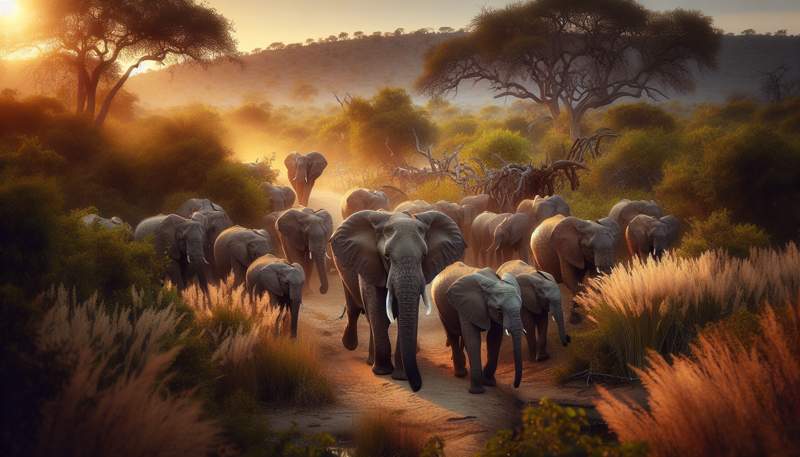
A game drive uses a vehicle to explore protected landscapes with a guide or, where rules allow, as a self-drive visitor. It is the most accessible…
Plan the experience →
Orangutan trips range from guided walks near rehabilitation landscapes to multi-day rainforest journeys and river-based wildlife expeditions. The…
Plan the experience →
Rainforest wildlife trips reward attention to sound, movement, tracks, fruit, and forest layers more than long-distance vistas. A guide may locate…
Plan the experience →These third-party programmes offer relevant ways to adopt symbolically, foster, donate, or learn. We do not process contributions or receive commission.
A programme-focused contribution route for pangolin conservation partners, awareness, research, protection, and work intended to reduce illegal trafficking.
Review programme →Due DiligenceUnderstand symbolic adoption, verify the organisation, and review current terms and use of funds.
Open the programme directory →Current Viator listings matched to this species. Confirm where the activity operates, its wildlife policy, recent reviews, availability, and cancellation terms before booking.


Only species-relevant partner routes are shown. Confirm the exact location, wildlife policy, availability, current price, and cancellation terms before booking.
These links open third-party searches. Verify the exact operator, route, guide team, wildlife policy, field time, and no-sighting terms.
Search stays only after the gateway and field route are confirmed.
Compare current routes, baggage rules, buffers, and total booking terms.
Check medical, cancellation, activity, altitude, equipment, and evacuation terms for the exact itinerary.
Match equipment to guide advice, distance, weather, baggage limits, and safe handling.
Premium tailor-made packages from Africa's top operators. High-value bookings with expert planning.
Safari.com itinerary examples that may include pangolin habitat. Request a current quote and confirm the operator, exact route, wildlife policy, recent reviews, and cancellation terms before booking.
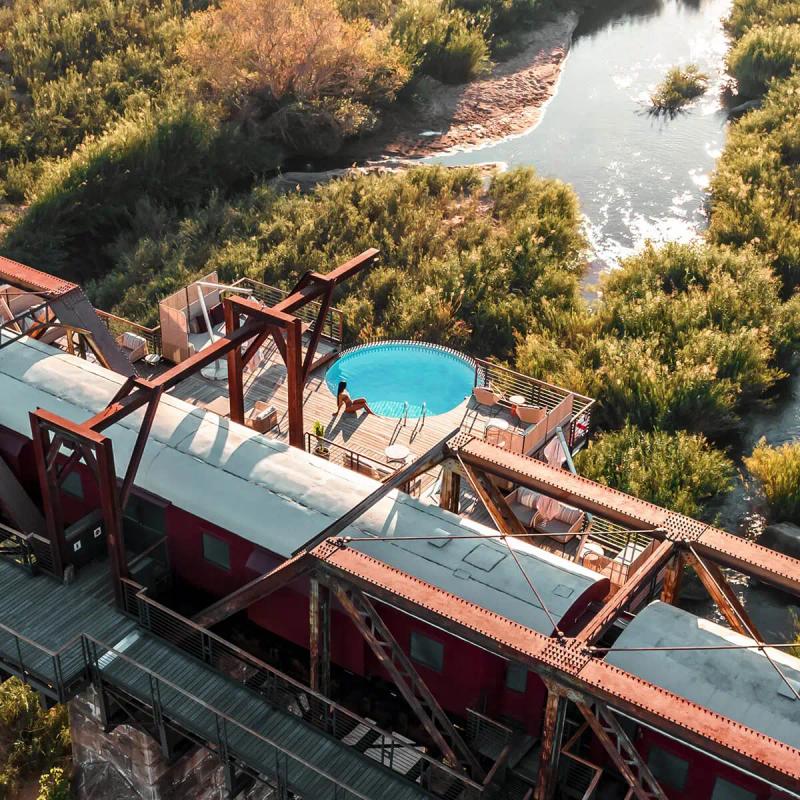
Experience the Kruger National Park, suspended over the Sabie River.
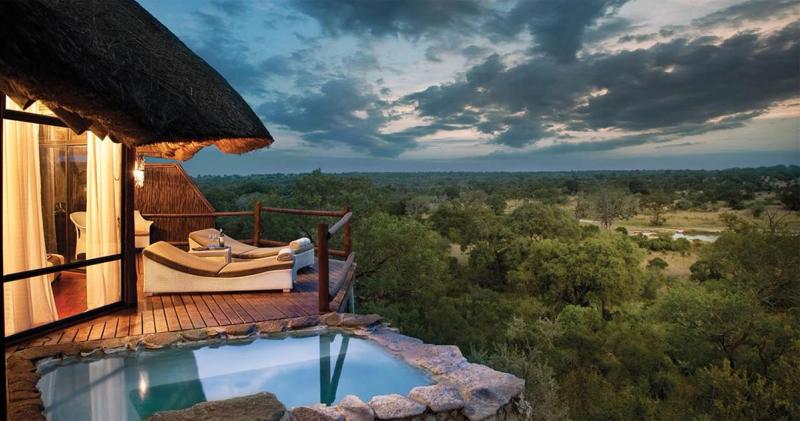
Travelling soon? Enjoy a 42% last-minute discounted price when booking this 5-day Premier Sabi Sands luxury safari package. You'll be in the...
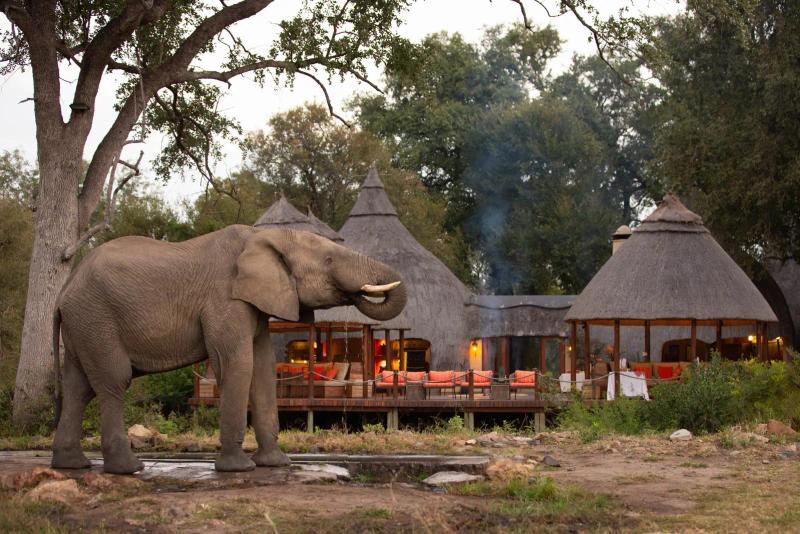
Enjoy an All-inclusive 4-day Kruger National Park safari! Round-trip flights from Johannesburg, airport transfers, luxury accommodation, mea...
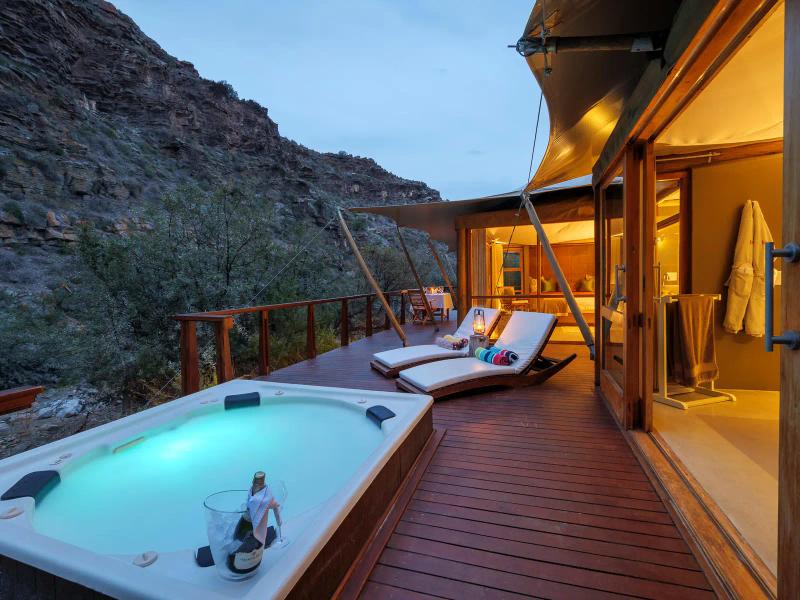
Experience three days at Sanbona Wildlife Reserve on a 5-star BIG 5 safari - offering an exclusive and unique malaria-free safari, with the ...

Experience the ultimate safari adventure with a 7-day journey through Kruger National Park and Victoria Falls.
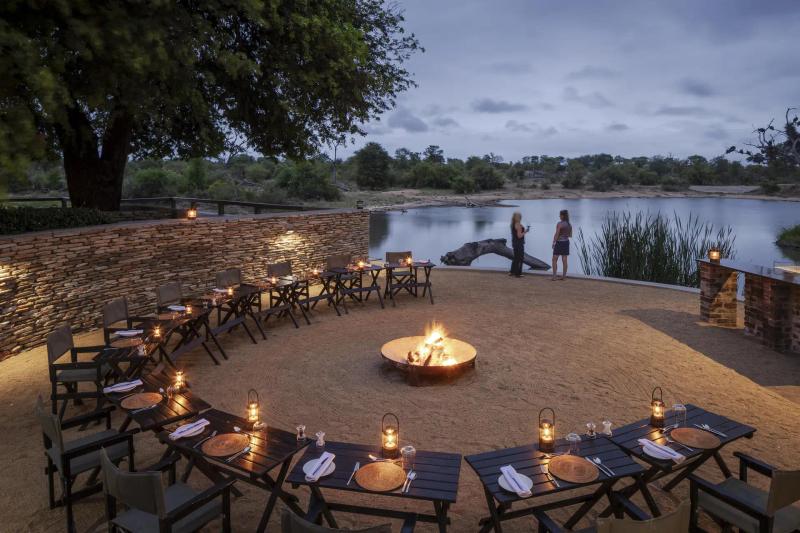
Embark on a luxury safari from the stunning Cape Town Waterfront Village to the deep wilderness of Simbavati Waterside Klaserie Nature Reser...
Let the guide control position and lighting. Do not use flash, hold a bright beam on the animal, surround it, follow it off-route, or share a live location. A distant record shot is better than changing the animal's behaviour for a closer frame.
Stay with the authorised guide and never touch, pick up, feed, buy, transport, pose with, or attempt to release a pangolin. Do not pay someone before a claimed rescue or confront suspected traffickers. From a safe position, record only what local authorities request, report through the protected area or national wildlife-crime channel, and keep exact locations, patrol methods, research sites, rehabilitation details, and release information off social media.
Use these in-depth guides to compare destinations, timing, costs, photography, and responsible wildlife-viewing choices.
Compare wild pangolin tracking, safari possibilities, education centres, tour red flags, location privacy, trafficking response, and conservation support.
Read guide →This guide currently identifies Tswalu Kalahari Reserve (South Africa), Wider Southern African Safari Range (South Africa, Namibia, Botswana, and Zimbabwe), African and Asian Forest Range (Africa and Asia). A species range is not automatically a visitor area, so confirm public access, closures, permits, and wildlife rules with the relevant authority before travelling. No wild sighting is guaranteed.
Our species-level planning note is: No universal pangolin season — choose the wider habitat trip first and treat any wild sighting as uncertain and opportunistic. The listed location windows are Tswalu Kalahari Reserve: Ask the reserve about current field conditions and tracking format; no month guarantees a sighting; Wider Southern African Safari Range: Choose the broader safari by local habitat, access, and climate; pangolin encounters remain incidental; African and Asian Forest Range: No responsible public hotspot season; use established wildlife routes and accept that no sighting may occur. Treat these as starting points and verify current weather, access, and local wildlife guidance for the exact destination.
Build a current total from transport, permits or entry fees, guiding or hides, accommodation, insurance, equipment, and enough field sessions for an uncertain sighting. Prices and currencies vary too much by region and date for one daily figure to be reliable; use official booking pages and written operator terms.
Stay with the authorised guide and never touch, pick up, feed, buy, transport, pose with, or attempt to release a pangolin. Do not pay someone before a claimed rescue or confront suspected traffickers. From a safe position, record only what local authorities request, report through the protected area or national wildlife-crime channel, and keep exact locations, patrol methods, research sites, rehabilitation details, and release information off social media. Local rules and ranger instructions take priority over general advice, and a guide should never manufacture proximity by feeding, calling, chasing, or blocking an animal.
Let the guide control position and lighting. Do not use flash, hold a bright beam on the animal, surround it, follow it off-route, or share a live location. A distant record shot is better than changing the animal's behaviour for a closer frame. The image is secondary to legal access, safe distance, natural behaviour, and the privacy of sensitive locations.