Wildlife Guides
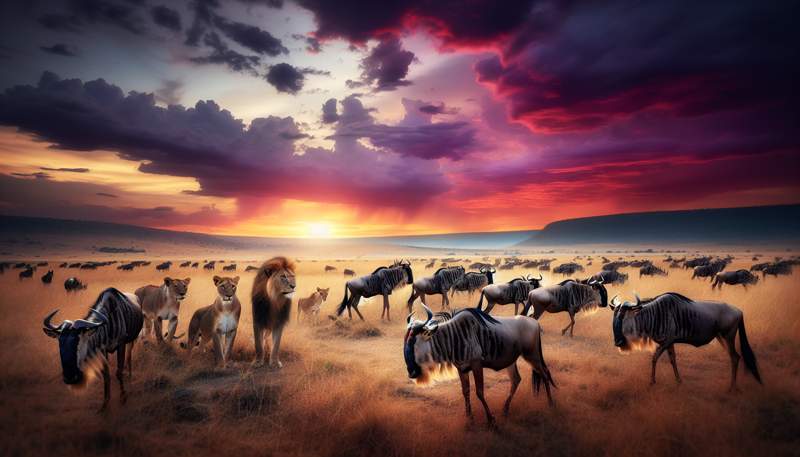
The Big Five Safari Guide: See All Five in One Trip
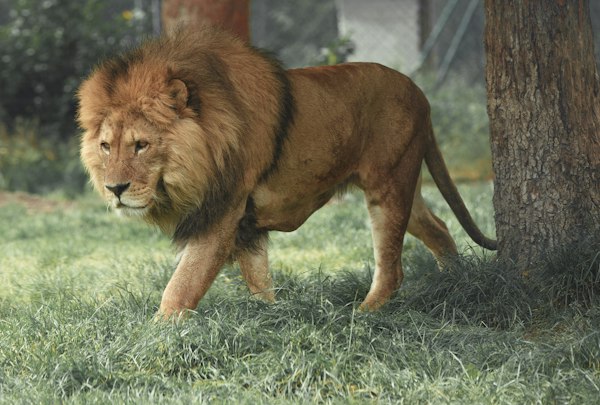
Where and how to see all Big Five animals (lion, leopard, elephant, rhino, buffalo) on a single African safari.
Read guide →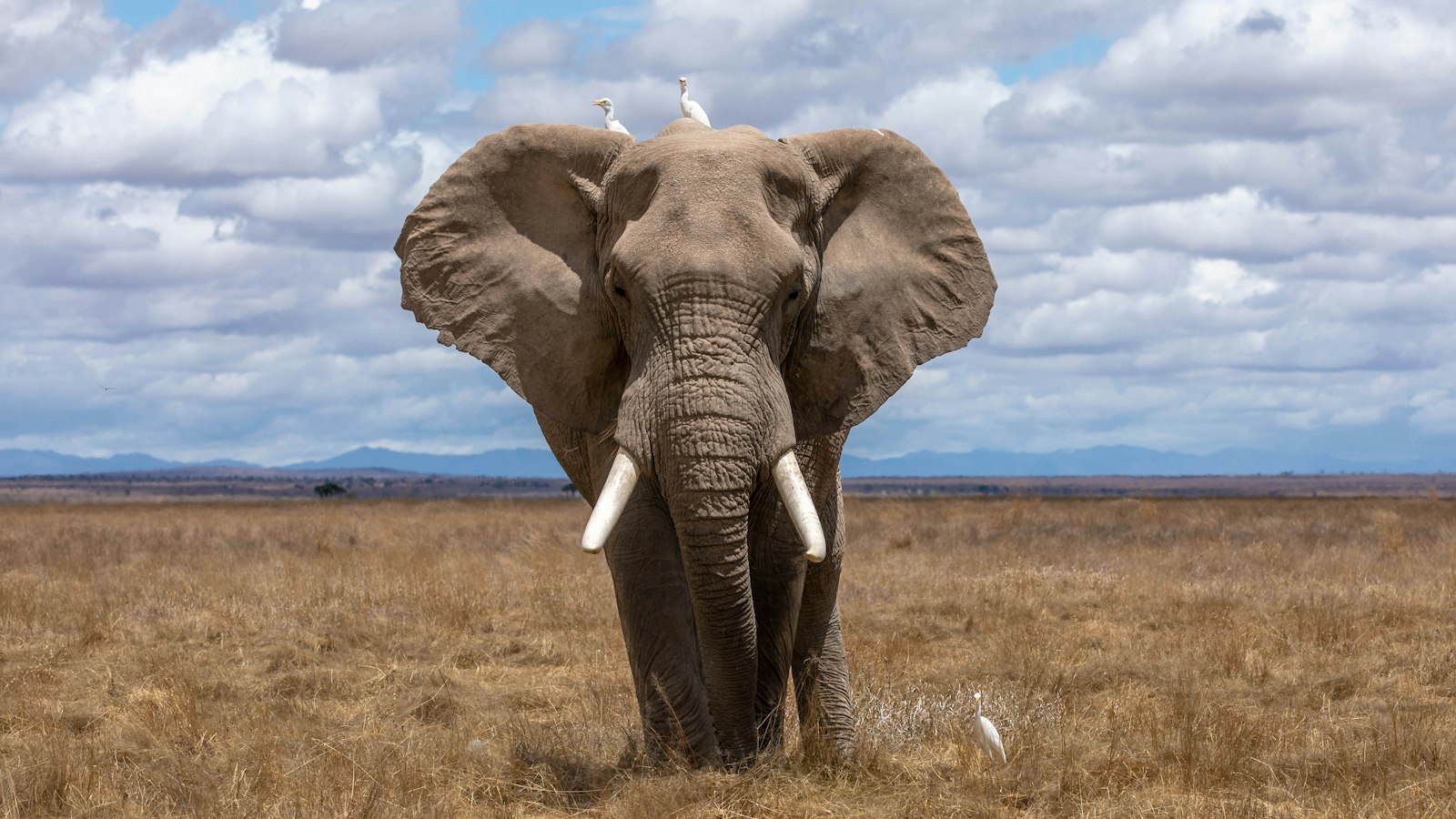
Loxodonta africana
The African elephant is the largest living land animal, with bulls reaching up to 4 metres tall and weighing over 6 tonnes. These highly intelligent, social creatures live in matriarchal herds and are renowned for their memory, complex communication, and deep family bonds. They play a critical role as ecosystem engineers, creating water holes and clearing pathways through dense vegetation.
Migration: Seasonal movements following water, can travel 50-200 km.
Best time of day: Early morning and late afternoon at water holes
Typical viewing distance: 20-50 metres from vehicle
Camera settings: 1/500s, f/5.6-f/8, ISO 200-800, 70-200mm from vehicle
Famous for large herds with Mount Kilimanjaro as a backdrop.
Browse Tours →Home to the largest elephant concentration in Africa — over 50,000.
One of Africa's largest reserves with excellent elephant sightings year-round.
Compare practical destination guides with seasonal timing, travel logistics, other wildlife, tours, and places to stay.
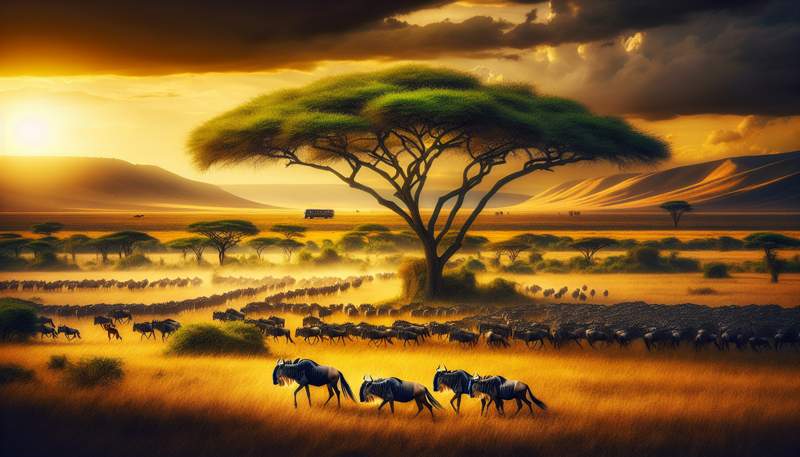
The Serengeti is synonymous with African safari. Spanning 14,750 km2 of savanna, it hosts the Great Migration — the largest overland animal movem...
Plan your visit →The Masai Mara is Kenya's most celebrated wildlife reserve, forming the northern extension of the Serengeti ecosystem. It offers some of the most...
Plan your visit →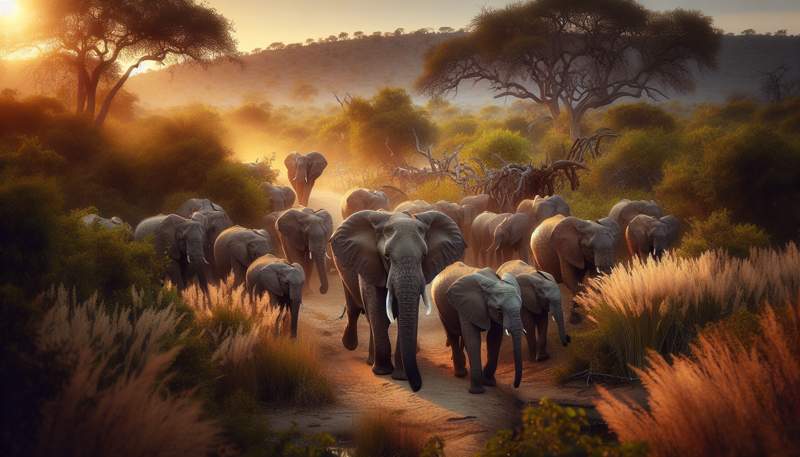
Kruger is one of the largest game reserves in Africa, covering nearly 20,000 km2. It offers an accessible, affordable safari experience with exce...
Plan your visit →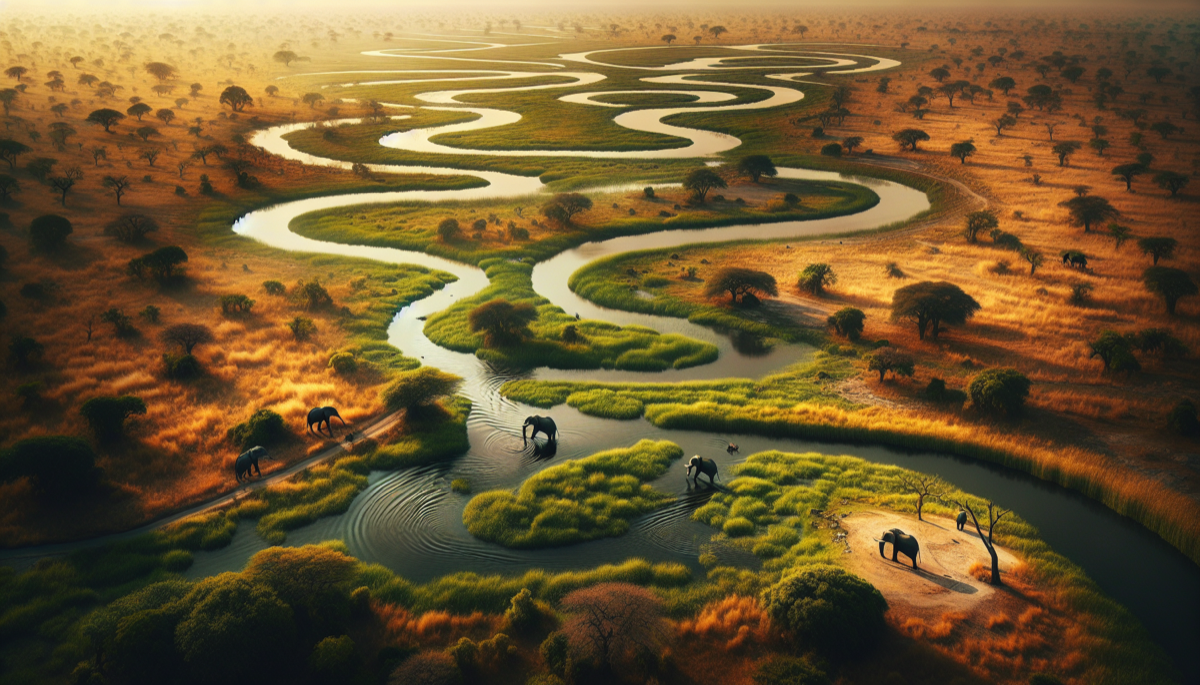
The Okavango Delta is one of the world's largest inland deltas and a UNESCO World Heritage Site, where the Okavango River fans out across the Kal...
Plan your visit →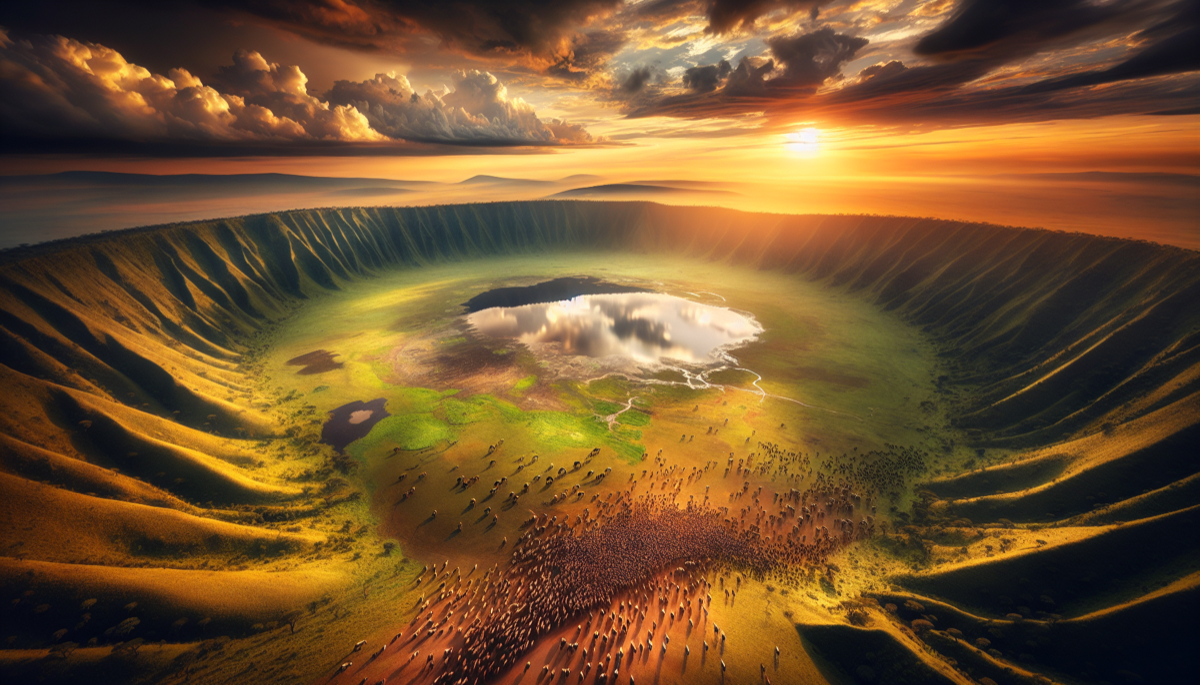
The Ngorongoro Crater is the world's largest unbroken volcanic caldera and one of Africa's most spectacular wildlife destinations. This natural a...
Plan your visit →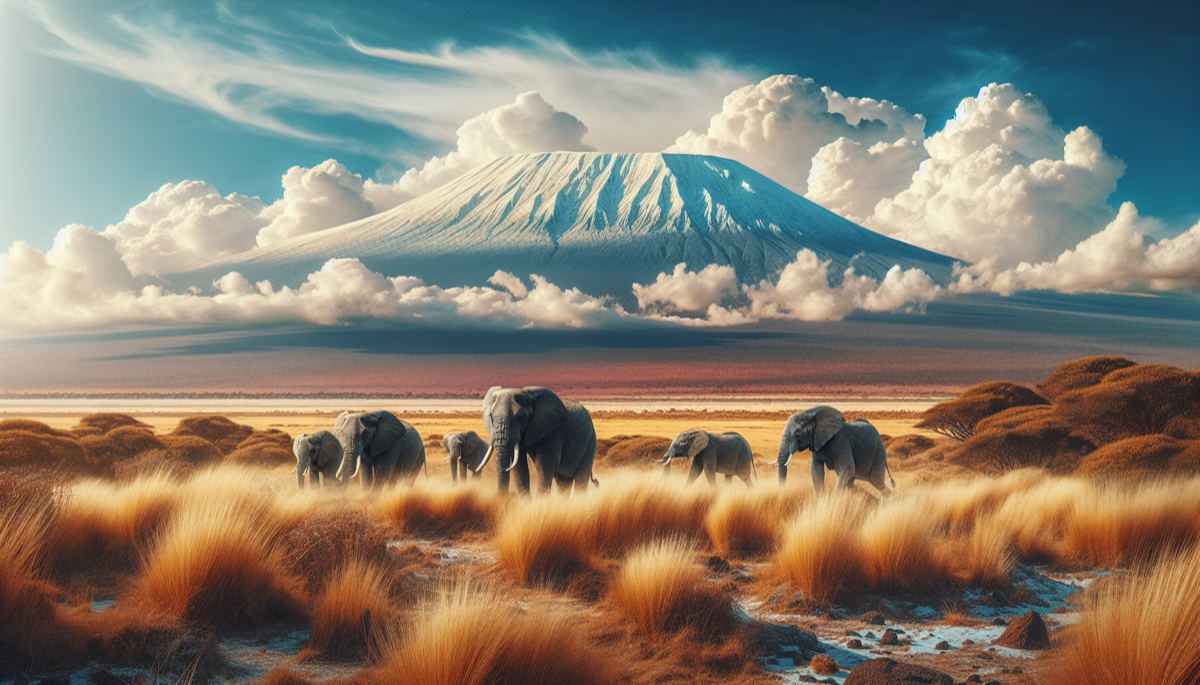
Amboseli National Park is one of Kenya's most iconic wildlife destinations, famous for its large elephant herds set against the dramatic backdrop...
Plan your visit →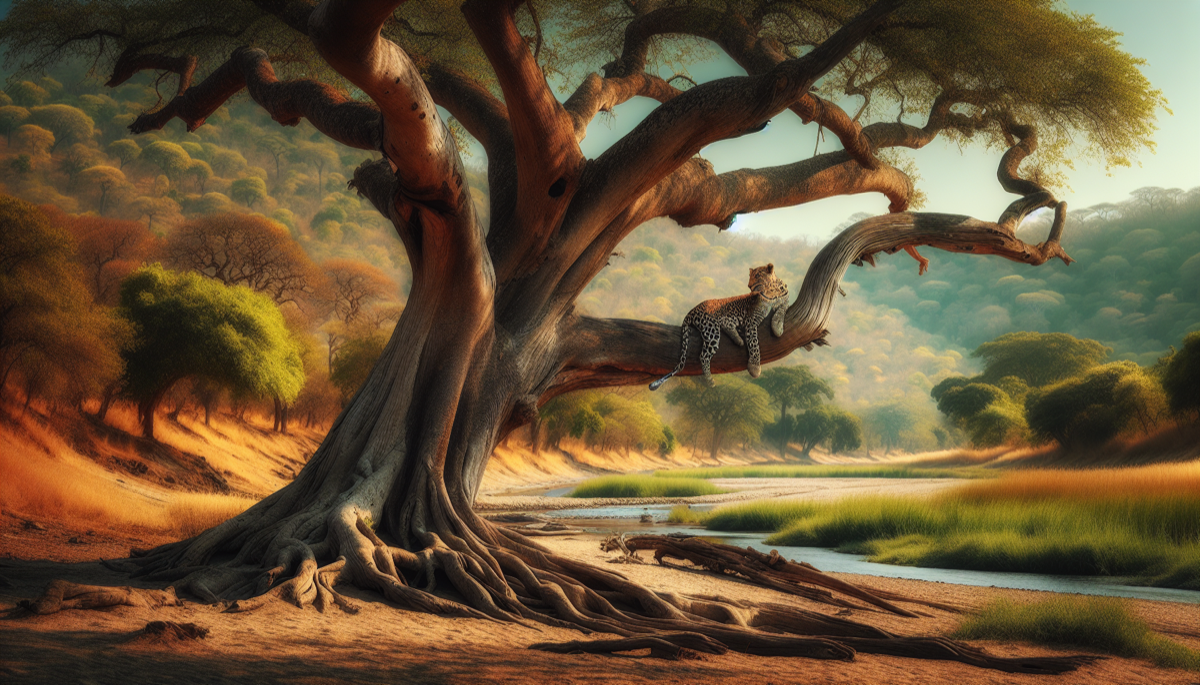
South Luangwa National Park is one of Africa's finest wildlife sanctuaries, located in eastern Zambia along the winding Luangwa River. Often call...
Plan your visit →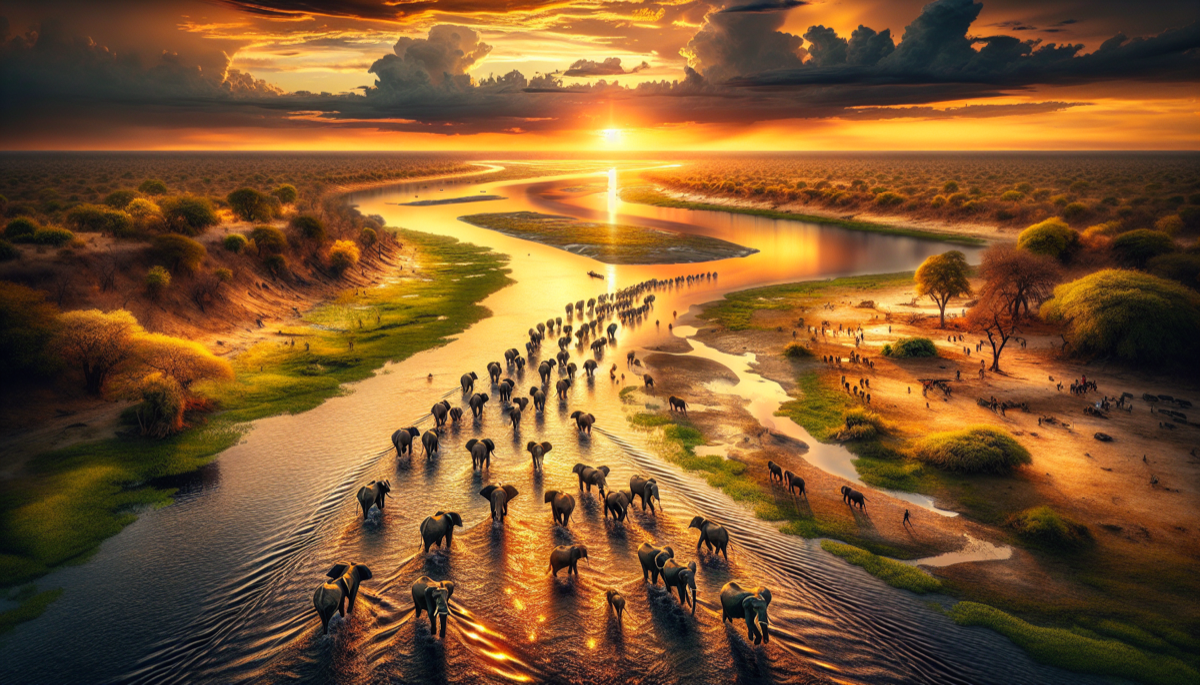
Chobe National Park in northern Botswana is home to the largest elephant population in Africa, with an estimated 120,000 elephants moving through...
Plan your visit →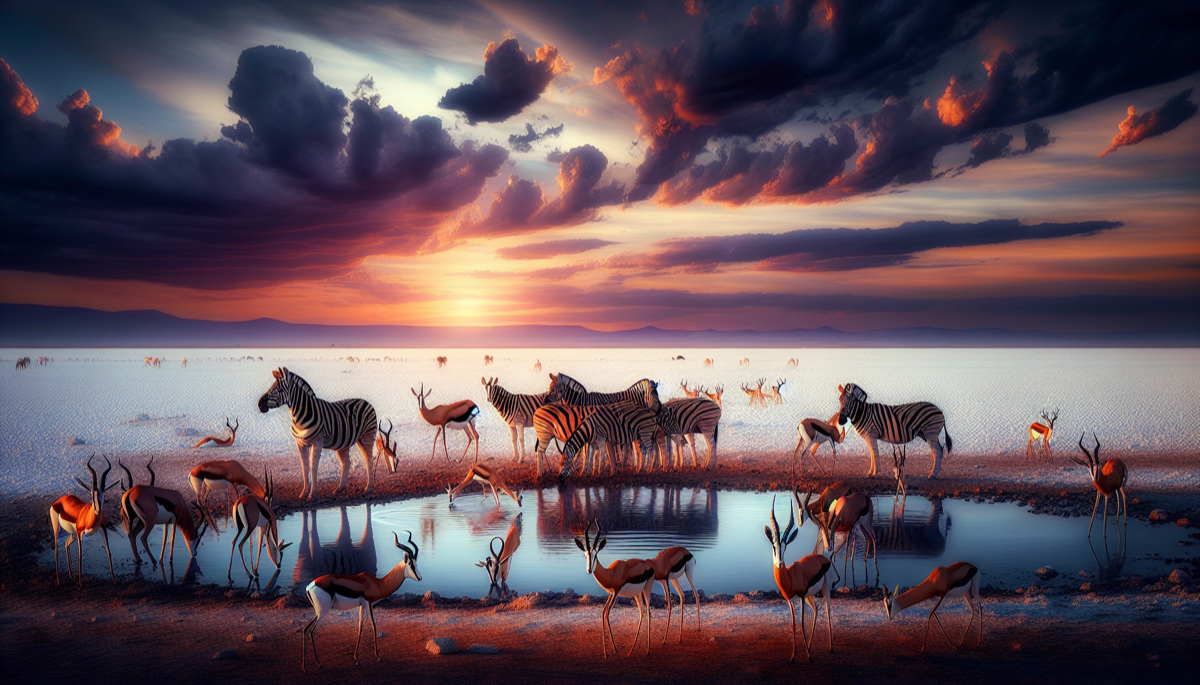
Etosha National Park is Namibia's premier wildlife destination, centred around a vast, shimmering salt pan that stretches 120 km across the park'...
Plan your visit →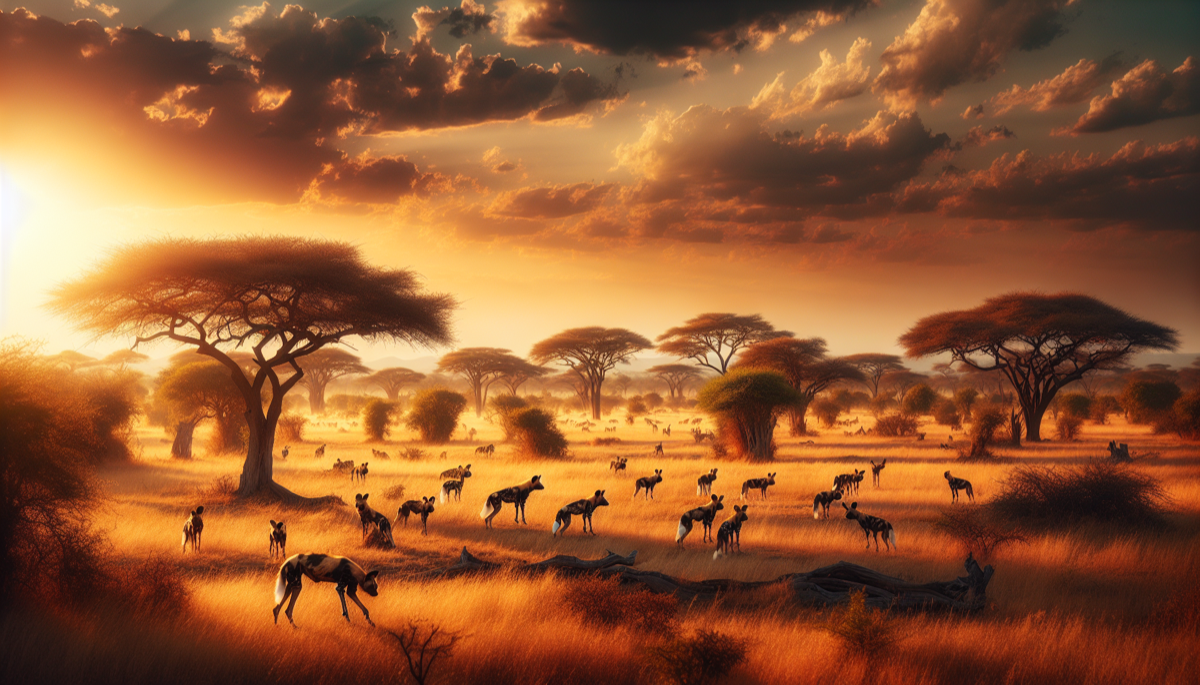
Hwange National Park is Zimbabwe's largest and oldest national park, covering 14,651 km2 of semi-arid bushveld, grassland, and teak woodland. The...
Plan your visit →Country guides connect the species with other wildlife, featured places, planning context, and responsible-viewing advice.
Species may rely on several ecosystems across their range. Explore how conditions and conservation pressures differ.
Compare activity formats, physical conditions, operator questions, animal-welfare risks, and relevant destinations before choosing a tour.
A game drive uses a vehicle to explore protected landscapes with a guide or, where rules allow, as a self-drive visitor. It is the most accessible…
Plan the experience →River and wetland safaris reveal wildlife that roads cannot reach. Trips range from quiet canoe or mokoro outings to motorboat searches for…
Plan the experience →A walking safari shifts attention from covering distance to reading an ecosystem at ground level. Tracks, dung, plants, insects, alarm calls, wind,…
Plan the experience →A wildlife photography tour should improve access, fieldcraft, and learning without turning animal welfare into a competition for the closest frame.…
Plan the experience →These third-party programmes offer relevant ways to adopt symbolically, foster, donate, or learn. We do not process contributions or receive commission.
An adoption programme featuring rescued elephants and other orphans in the Trust's care, within a wider programme of veterinary response, rehabilitation, protected-area work, and eventual return to the wild where possible.
Review programme →Due DiligenceUnderstand symbolic adoption, verify the organisation, and review current terms and use of funds.
Open the programme directory →Current Viator listings matched to this species. Confirm where the activity operates, its wildlife policy, recent reviews, availability, and cancellation terms before booking.


Only species-relevant partner routes are shown. Confirm the exact location, wildlife policy, availability, current price, and cancellation terms before booking.
These links open third-party searches. Verify the exact operator, route, guide team, wildlife policy, field time, and no-sighting terms.
Search stays only after the gateway and field route are confirmed.
Compare current routes, baggage rules, buffers, and total booking terms.
Check medical, cancellation, activity, altitude, equipment, and evacuation terms for the exact itinerary.
Match equipment to guide advice, distance, weather, baggage limits, and safe handling.
Premium tailor-made packages from Africa's top operators. High-value bookings with expert planning.
Safari.com itinerary examples that may include african elephant habitat. Request a current quote and confirm the operator, exact route, wildlife policy, recent reviews, and cancellation terms before booking.
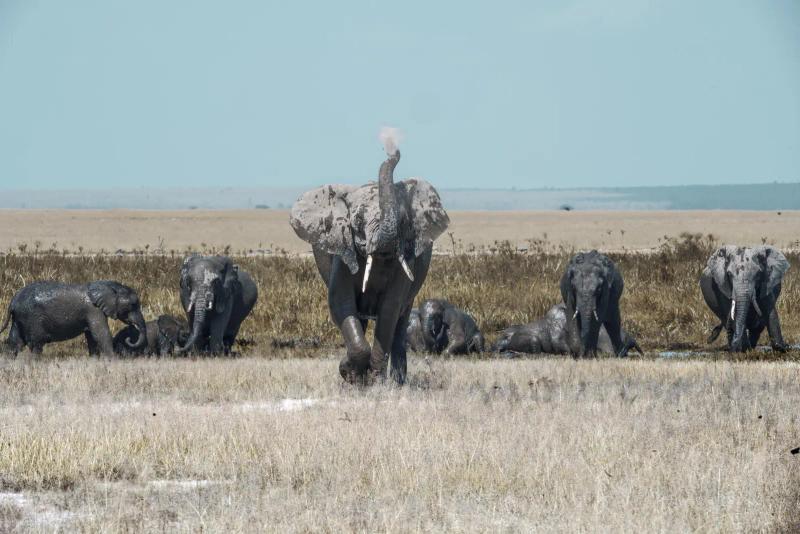
This 8-day tour explores the capital city of Nairobi, the Amboseli National Park which offers spectacular views of Tanzania's Mt Kilimanjaro...
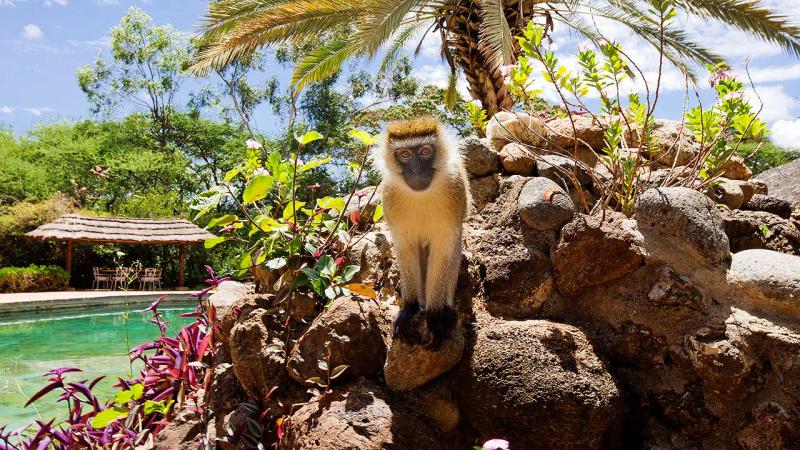
Embark on a thrilling 9-day Kenya and Rwanda safari combining Big Five game viewing with unforgettable gorilla trekking. Explore Kenya’s ico...
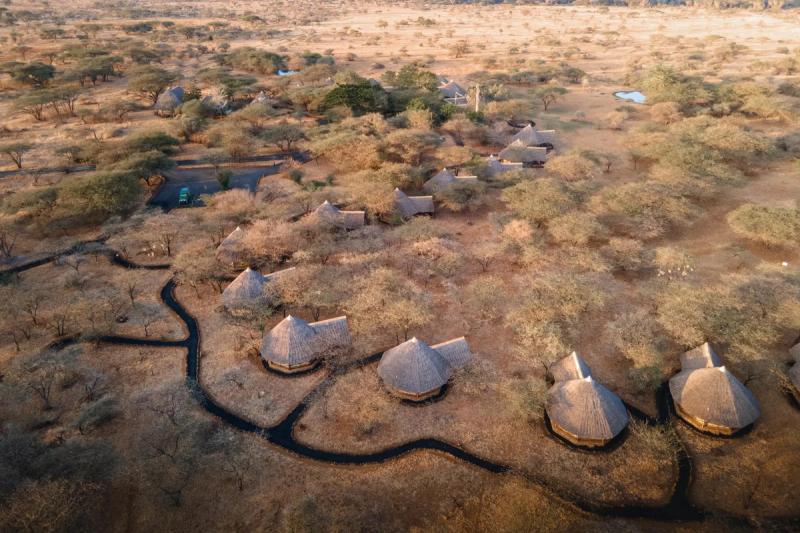
Set off on a journey of a lifetime with an exclusive seven day Kenyan Safari Experience. You will be immersed in the breathtaking landscapes...
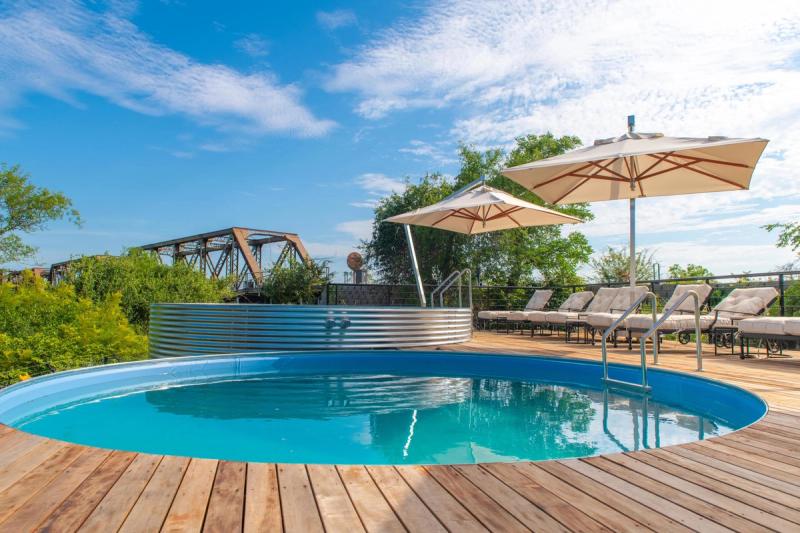
Experience the ultimate safari adventure with a 7-day journey through Kruger National Park and Victoria Falls.
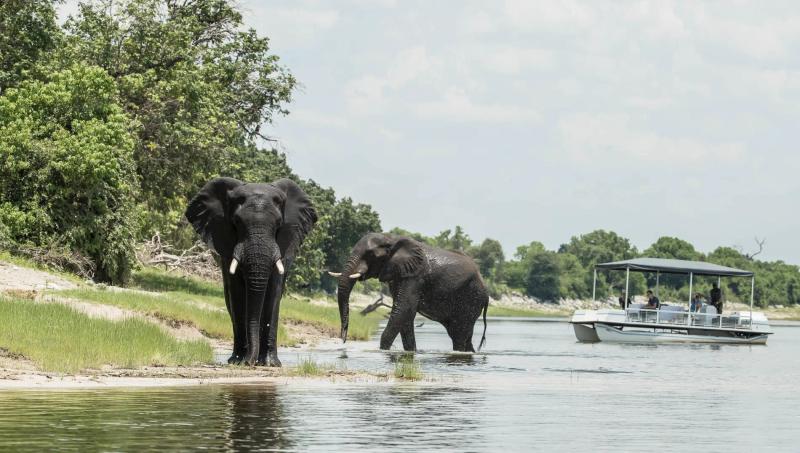
Discover the best of Southern Africa on this 8-day luxury safari combining Botswana’s Chobe National Park and South Africa’s iconic Sabi San...
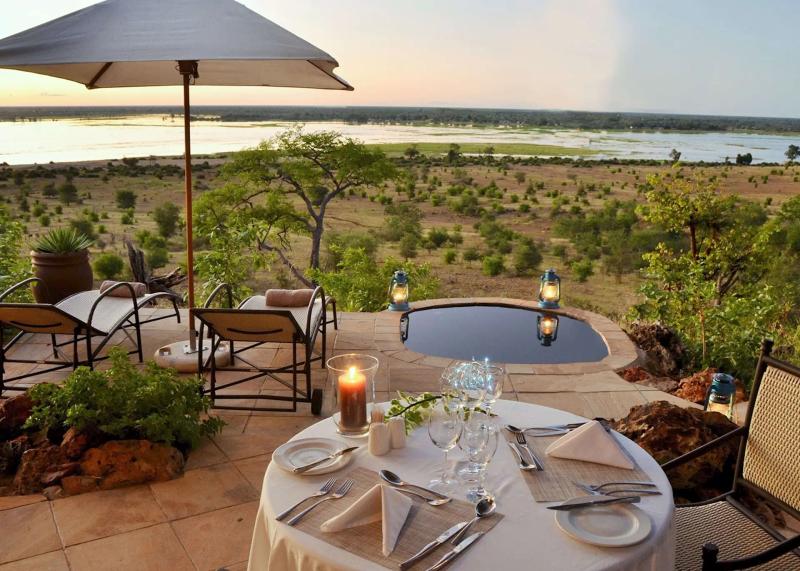
Exclusive ALL-INCLUSIVE Luxury Experience - Promotion 33% off when booking between 15 November to 31 March, excluding 20 December to 10 Janu...
Shoot during golden hour for warm tones against dusty landscapes. A 200mm lens is sufficient as elephants can be approached relatively closely on safari.
Never approach elephants on foot outside a vehicle. Keep at least 50 metres distance. A charging elephant can reach 40 km/h. If an elephant flares its ears and trumpets, it is a warning — back away slowly.
See how African Elephant compares to other animals
Use these in-depth guides to compare destinations, timing, costs, photography, and responsible wildlife-viewing choices.
Where and how to see all Big Five animals (lion, leopard, elephant, rhino, buffalo) on a single African safari.
Read guide →
Everything about walking safaris: best destinations, what to expect, fitness requirements, and safety.
Read guide →
Compare the top safari destinations across Africa — Serengeti, Masai Mara, Kruger, Okavango Delta, and more. Find the perfect safari for your budget and style.
Read guide →