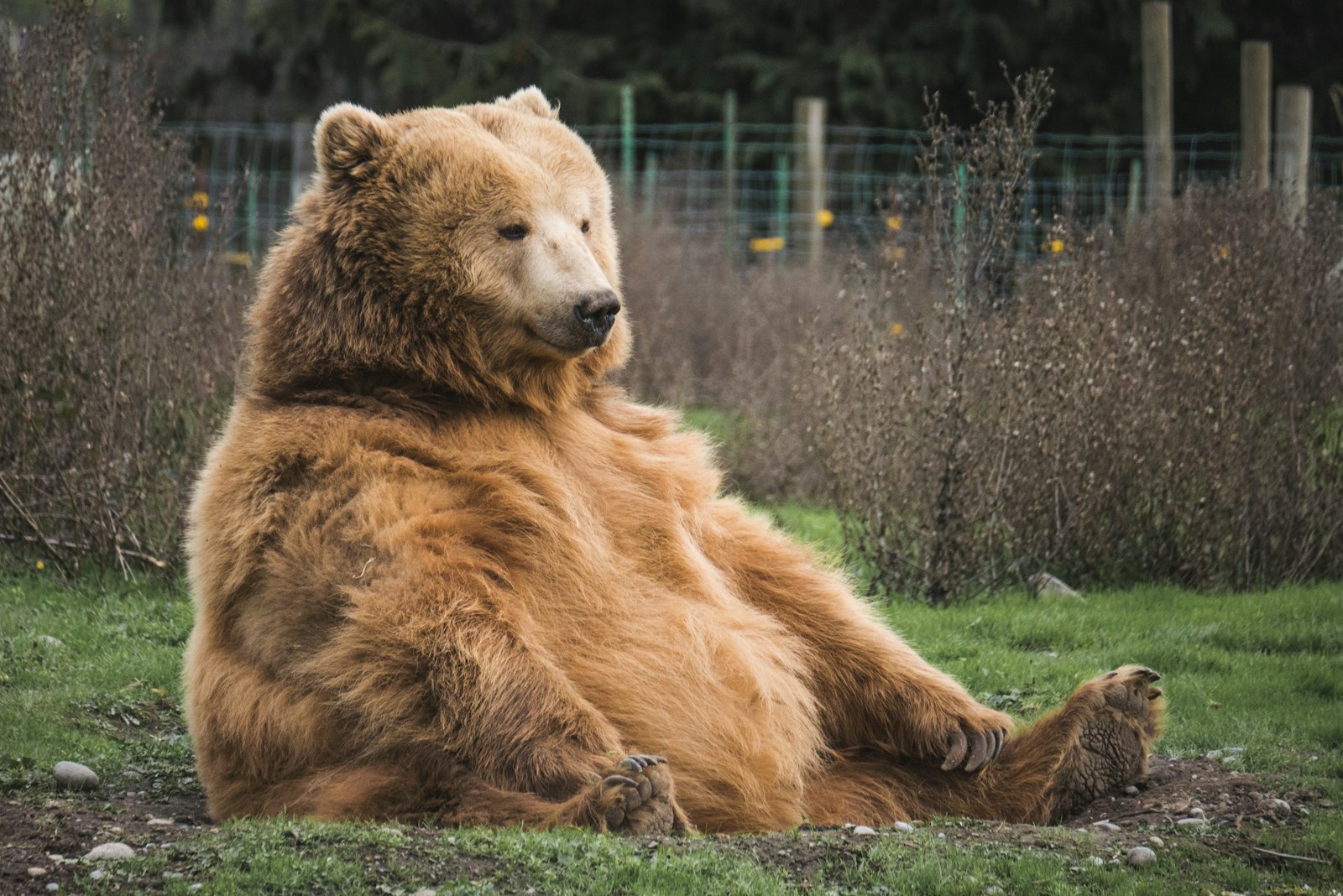
Grizzly Bear
Ursus arctos horribilis
About the Grizzly Bear
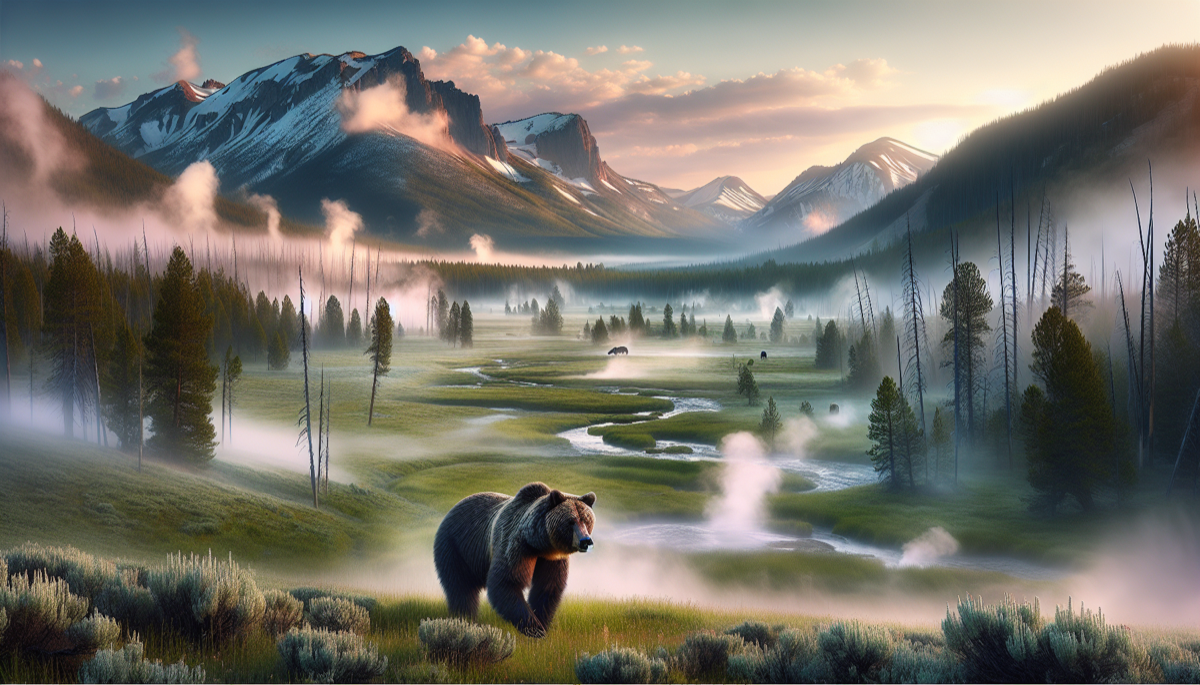
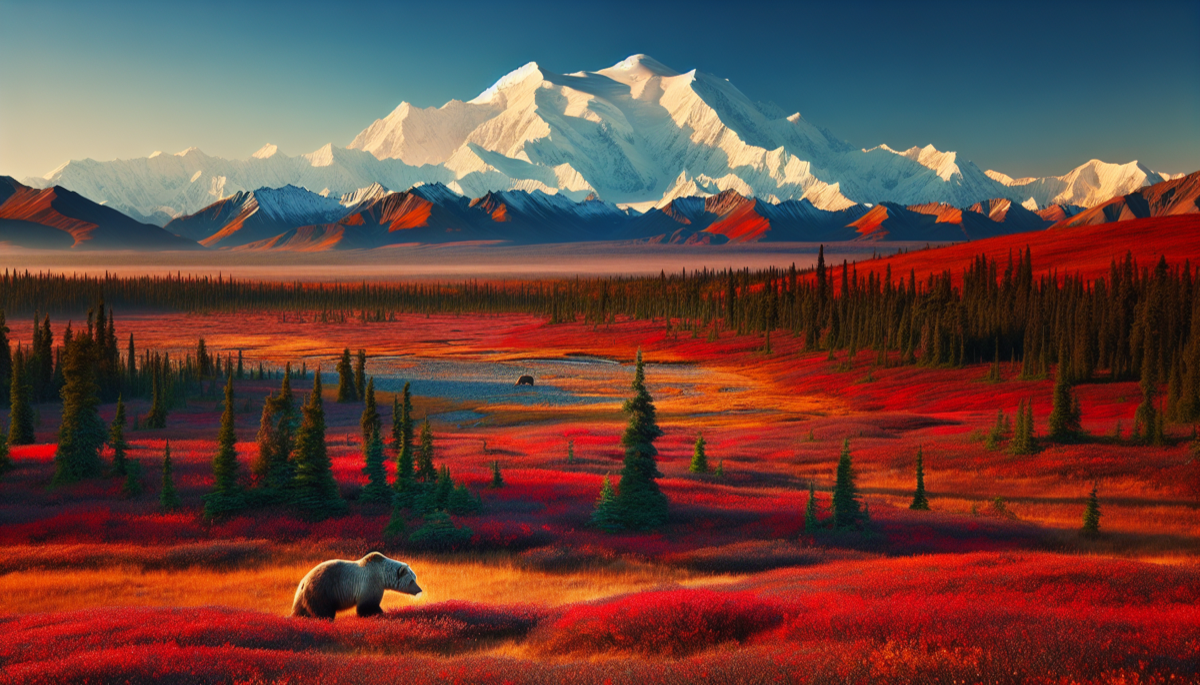
The grizzly bear is a North American subspecies of the brown bear, named for its "grizzled" silver-tipped fur. These powerful omnivores can weigh over 360 kg and are icons of the North American wilderness. Watching grizzlies fish for salmon at Alaska's rivers during the spawning run is one of the world's great wildlife spectacles.
Fun Facts
- Grizzly bears can run at speeds of up to 55 km/h — faster than a racehorse over short distances.
- Before hibernation, grizzlies enter a phase called "hyperphagia" where they eat up to 40 kg of food per day.
- They have a sense of smell 7 times better than a bloodhound and can detect food from 30 km away.
Where to See Grizzly Bear in the Wild
Katmai National Park
USAHome to Brooks Falls — the most famous bear-viewing spot on Earth. Watch bears catch leaping salmon.
Knight Inlet
CanadaRemote British Columbia lodge with intimate grizzly viewing during salmon spawning.
Yellowstone National Park
USAIconic park with grizzly bears in the Lamar and Hayden valleys.
Where to See Grizzly Bear at Zoos
San Diego Zoo
San Diego, USA
Woodland Park Zoo
Seattle, USA
Book Grizzly Bear Tours & Experiences
Real tours with verified reviews, instant confirmation, and free cancellation on most bookings.
Ultimate Juneau Whale Watch and Mendenhall Glacier View
3 hours
Ketchikan All In One
2h 30m
Wilderness, Wildlife, Glacier Experience from Anchorage
6 hours
Sitka Premier Whale Watching and Wildlife Tour
2 hours
3hr Private Custom Excursion in Ketchikan for up to 14 people
3 hours
SkyChase™ | Northern Lights Experience - Free Photography & More
5 hoursEverything You Need to See Grizzly Bears
Tours, hotels, flights, insurance, and gear — all from trusted partners. Booking through these links supports this site at no extra cost to you.
Guided Tours & Experiences
Expert-guided tours dramatically increase your chances of a sighting.
Travel Insurance
Essential cover for wildlife trips — medical, cancellation, and gear.
Photography Tips for Grizzly Bear
At salmon runs, bears are focused on fishing and will tolerate closer distances from viewing platforms. A 200-400mm lens is ideal. Use fast shutter speeds to freeze action as bears snatch salmon.
Safety Guide
Carry bear spray and know how to use it. Make noise while hiking to avoid surprising bears. Store food in bear-proof containers. If you encounter a grizzly, speak calmly, avoid eye contact, and back away slowly. Never run.
You Might Also Like
Grizzly Bear Trip Reports
Real experiences from wildlife travellers
Wolves in the Lamar Valley at dawn
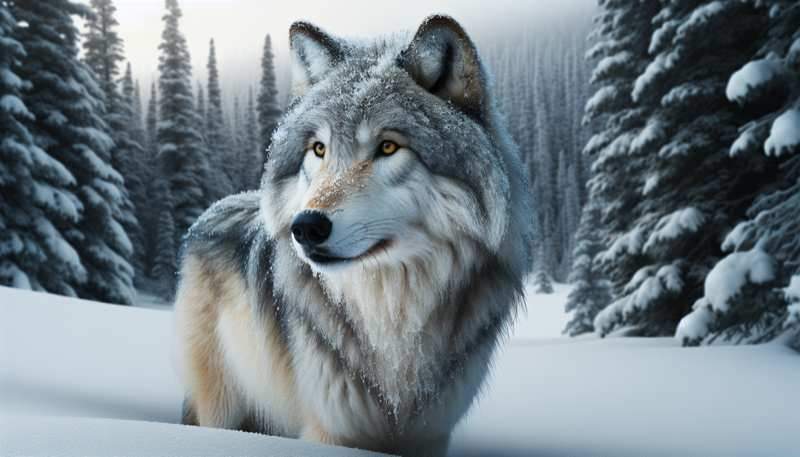
Watched the Junction Butte wolf pack hunt elk in deep snow through a spotting scope. Grizzly bear with two cubs near Tower Junction. Bison everywhere, crossing roads and steaming in the thermal areas.
Winter is incredible for wolves and far fewer tourists. Bring a spotting scope or join a wolf-watching guide in the Lamar Valley. Yellowstone Forever runs excellent wildlife programs.
What Travellers Say
Real experiences from wildlife adventurers around the world
“The wildebeest crossing we witnessed was the most incredible thing I've ever seen. Nature at its rawest and most powerful.”
“Sitting 3 metres from a silverback gorilla… I cried. No exaggeration. A life-changing moment I'll never forget.”
“Kruger self-drive was the best budget safari decision we ever made. Saw the Big Five in three days flat.”
“Swimming alongside a whale shark is pure magic. Ningaloo is paradise — untouched and utterly stunning.”
“The jaguar appeared on the riverbank at sunset. Our guide burst into tears — it was that special.”
“Watching a polar bear mum with her cubs on the frozen tundra — Churchill delivered beyond our wildest dreams.”
“The baby orangutan swung right over our heads. Borneo's rainforest is like stepping into another world entirely.”
“Giant tortoises, blue-footed boobies, marine iguanas — every single island was a new adventure. Galápagos is unreal.”
“Hearing the tiger's roar echo through the canyon at dawn gave me actual goosebumps. Ranthambore is raw, real India.”
“Standing face-to-face with a Komodo dragon — 3 metres of prehistoric predator. My heart was pounding!”
“Kangaroo Island blew us away. Koalas in every tree, sea lions on the beach, and not a single crowd.”
“Best wildlife photography trip of my life. The light on the Serengeti at golden hour is absolutely unmatched.”
“Took our kids on their first safari — the look on their faces when they saw elephants up close was priceless.”
“Solo-travelled through Borneo and felt safe every step. The wildlife encounters more than made up for any nerves.”
“Our honeymoon safari in the Mara was pure romance — sundowners overlooking the savanna, lions at dawn.”
“The night safari in Borneo was surreal — flying squirrels, slow lorises, and a clouded leopard sighting!”
“Galápagos changed how I see conservation. Seeing species found nowhere else on Earth puts everything in perspective.”
“The Pantanal sunset river cruise was the highlight of our South America trip. Caimans everywhere!”
“Churchill in October is freezing but absolutely worth it. Polar bears playing in the snow is pure joy.”
“Ranthambore felt like stepping into a Kipling novel. We spotted three tigers in two days — incredible odds!”
Grizzly Bear FAQ
There are several destinations worldwide where you can observe Grizzly Bear in their natural habitat. Visit our dedicated Grizzly Bear page on WhereAnimalsLive.com for a complete guide to the best locations, including national parks, reserves, and recommended tour operators with current pricing.
The ideal time to see Grizzly Bear depends on the specific destination, as seasons and animal behaviour vary by region. Generally, the dry season concentrates wildlife around water sources and improves visibility. Check our detailed Grizzly Bear destination guides for month-by-month recommendations.
Trip costs vary widely depending on the destination and comfort level. Budget options with basic accommodation and group tours can start from $50–$150 per day, while mid-range and luxury experiences run $200–$1,000+ per day. Our Grizzly Bear page on WhereAnimalsLive.com includes specific pricing for each recommended destination.
Guided wildlife excursions in established national parks and reserves are very safe when you follow your guide's instructions. Professional guides are trained in animal behaviour and maintain safe distances at all times. Always book through licensed, reputable operators who prioritise both visitor safety and animal welfare.
A telephoto zoom lens (100–400 mm or 200–600 mm) is ideal for wildlife photography, allowing sharp images from a safe distance. Pair it with a camera body that handles high ISO well for low-light conditions at dawn and dusk. A beanbag or monopod provides stable support in the field. Check our photography tips section for species-specific recommendations.